Amid large-scale deindustrialization in the U.S., a new kind of “factory” is emerging—this time for code.
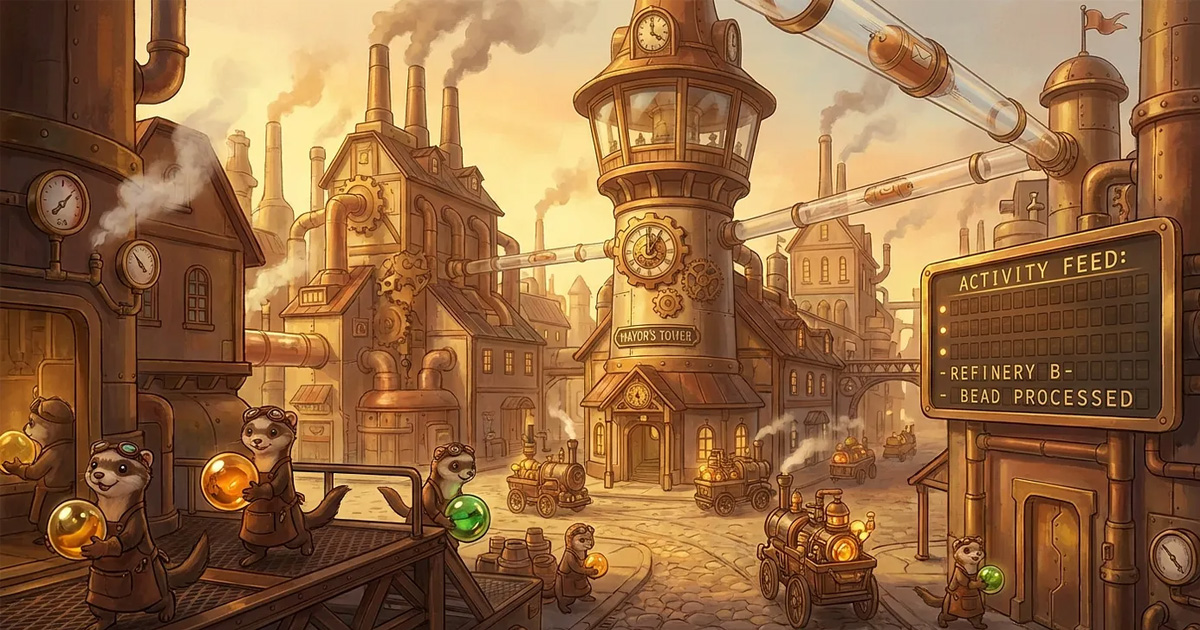
Steve Yegge, the ex-Amazon, ex-Google, ex-Sourcegraph, and whatnot engineer who's been predicting the future of AI-assisted development for the better part of two years, has built the thing he kept telling everyone else to build. The American blogger launched “Gas Town”, this new year and announced on his Substack as an open-source multi-agent orchestration system that lets you run 20 to 30 Claude Code instances in parallel, coordinated. But what’s the fuss all about? Well, let’s take a short dive to understand what it's all about.
Steve Yegge’s Gas Town
Anyway, what’s new?
AI models have put the tech market into an absolute frenzy since the advent of LLMs. But in the last 12 months, the public, who once relished the development of AI models, are now increasingly suspicious of further AI development as the internet has been flooded with what many call “AI Slop.” This is a fair assessment, but equally, there has also been good development in AI, which is often overlooked. Claude has been at the forefront of incredible AI innovations, with the American company now dropping updates now and then, and has put its rivals into a major spiral. But beyond Claude, there are few who have utilized the new AI models to create something truly novel. And one of them is the multi-agent orchestration tools; tools that help multiple AI tools work in a parallel way, in which Steve Yegge has built something very new.
While this has been a research and tooling conversation for a while with the likes of CrewAI, AutoGen, LangGraph, Temporal, and so on, what Yegge seems to have done differently is ship something that actually runs in the wild, built on top of his earlier tool Beads, a Git-backed memory and issue-tracking system for agents. Everything in Gas Town lives in Git-backed JSON, which means when an agent crashes or runs out of context, the work doesn't disappear with it. That persistence problem is what most prior tools never properly solved.
- Also, read
- DJI Avata 360 launched as 8K flagship 360 degree drone with HDR panoramic recording mode
- Honor X8d launching soon in Nepal with 7,000mAh battery and 108MP camera
What is it about?
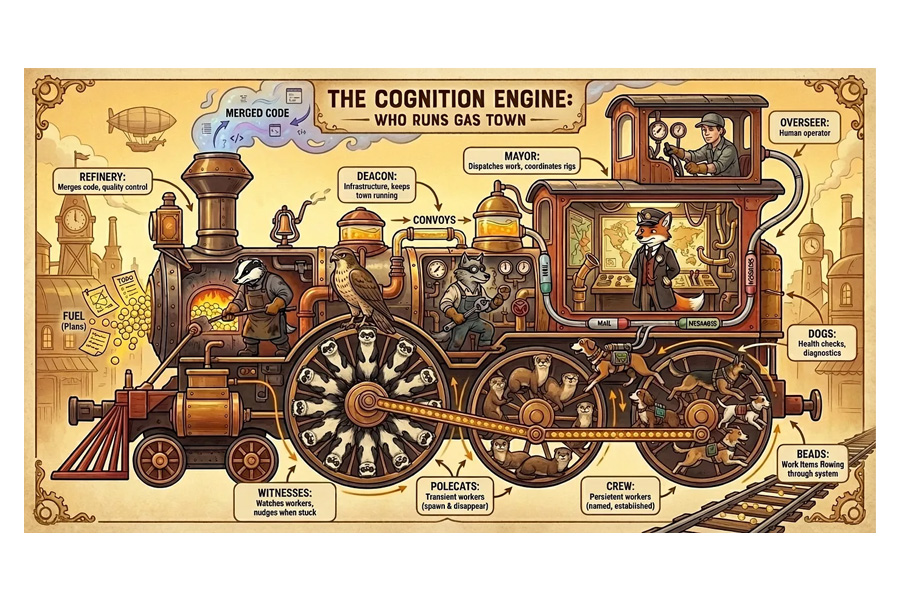
Although I mentioned in passing above that it can run 20–30 coding agents at once, what does that actually mean? It's kind of very simple. Normally, to do a big project, you often have to juggle with multiple tools, as you know, most of these tools are only good at a specific thing at once. But the Gas Town solves this by letting you do multiple things at once. It might sound a little bit unintuitive, even, but the system he built runs on a cast of specialized worker roles. For example, there is a thing called Mayor, who oversees a whole team of AI coding agents, and acts as your central coordinator, then there’s the ‘Polecats’, which are part-time workers that swarm tasks and produce merge requests. A “Refinery”, on the other hand, manages the merge queue so your agents aren’t constantly fighting over rebasing. And there’s even a Deacon–Witness–Dogs trio whose main job is to keep everything from falling apart when things get messy.
Should you buy it?
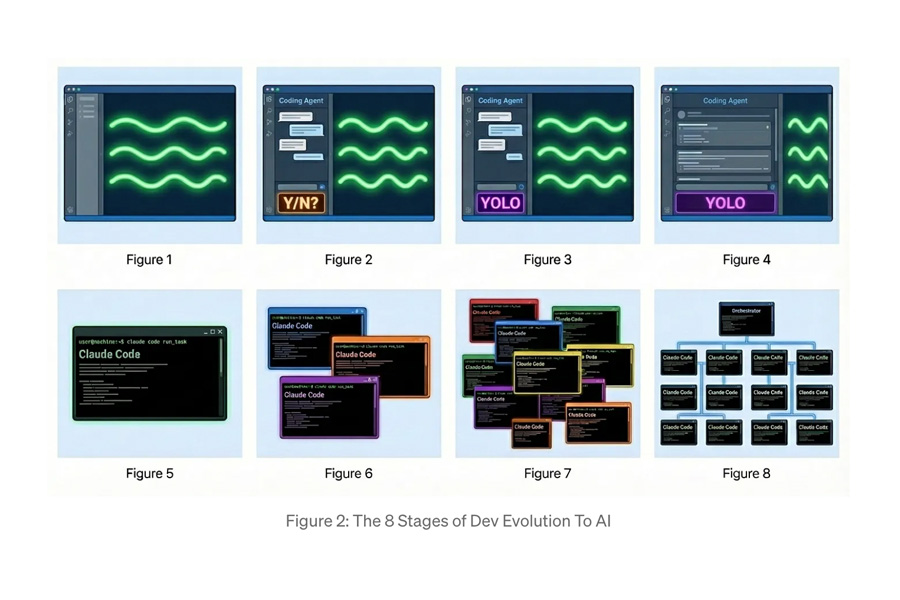
For most people, I don’t see a good reason to. Yegge has a chart that describes eight stages of developer evolution in the AI era, and his own advice is that you need to be at Stage 6 or 7. For everyone below that, it doesn’t make sense at all.
Steve Yegge’s Gas Station Availability
Gas Town is expensive in a way that's hard to understate. One 60-minute run reportedly costs around $100 in tokens. And calling to the full factory setup runs into thousands per month, and Yegge himself mentions needing a third Claude Code account by the end of his launch week. The cost-to-output ratio is also uncertain, as users have reported agents merging broken code, duplicate fixes, designs going missing, and at least one incident involving a wiped production database password. In the end, you are paying almost 10 to 100 times more for code that still needs heavy human review. So it’s totally up to you to decide.
Article Last updated: April 1, 2026