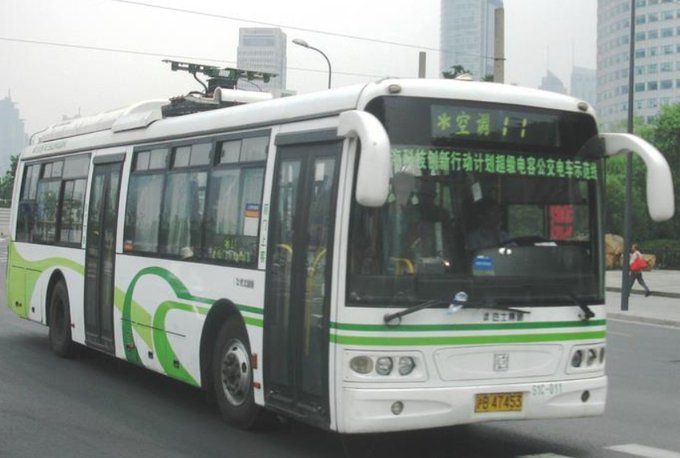
The National Innovation Center (NIC) is calling out qualified individuals to study the possibility of manufacturing electric vehicles in Nepal. This news comes almost a week after Yatri Motorcycle received mixed reactions from the public because of the pricing of their “Made in Nepal” electric motorcycles. In this post, we will be concentrating on what NIC believes will power electric vehicles (EVs) in Nepal.
NIC’s vision for electric vehicles in Nepal
Dr. Mahabir Pun, Chairman of the National Innovation Center, shared NIC’s vision of electric buses in Nepal via his- Dr. Mahabir Pun
- office@nicnepal.org
- 9841592361
Technologies powering the EV
Usually, the power source of an electric vehicle is its battery. EVs come with different types of batteries of which lithium-ion is the most popular one. These batteries store energy in the form of chemicals. They have two electrodes (one positive and one negative) separated by an electrolyte. The current is created when ions from one electrolyte flow to the other. Once the battery drains, it needs recharging. The process involves reversing the flow of ions.On the other hand, capacitors store energy in the static state. Here, two electrodes are separated by an insulating material otherwise known as dielectrics. When the two electrodes are connected to a circuit, an electric field is generated which produces current. A supercapacitor or an ultracapacitor is basically a capacitor with high capacitance and low voltage limit. One can implement it by using large electrode plates with reduced distances between them.कसैलाई Super-capacitor को क्षेत्रमा अनुसन्धान गर्ने राम्रो आईडिया छ भने सम्पर्क राख्नु होस्। यस्तो चिज बाट छोटो दुरीको बस चल्छ। यो १० सेकेन्डमा चार्ज हुन्छ। फाइदा धेरै छ। फोटो हेर्नुस। Prof. Suman Koirala को नेतृत्वमा काम गर्नु पर्नेछ। फोन - 9841592361, इमेल mahabir@nicnepal.org pic.twitter.com/SDXsowupnh
— Mahabir Pun (@MahabirPun)
Merits and demerits of supercapacitors
There are multiple advantages of using supercapacitors instead of traditional batteries in EVs. First is the charging speed. The charging period for supercapacitors is in minutes which is significantly less than the hours that traditional batteries take. Also, supercapacitors don’t degrade at the same rate as batteries. Thus, they can add to the lifespan of EVs. On the other hand, they have their shortcoming as well. They can store only a fraction of the energy that lithium-ion batteries can hold. The second problem is their discharging. Supercapacitors cannot hold a charge for long and thus are only useful for short routes where they can be recharged frequently.- Meanwhile, check out the first look of Project One (P1) electric bike. [Nepali]
Article Last updated: April 29, 2021