Yatri motorcycles is launching the new made in Nepal electric scooter "Yatri P2"
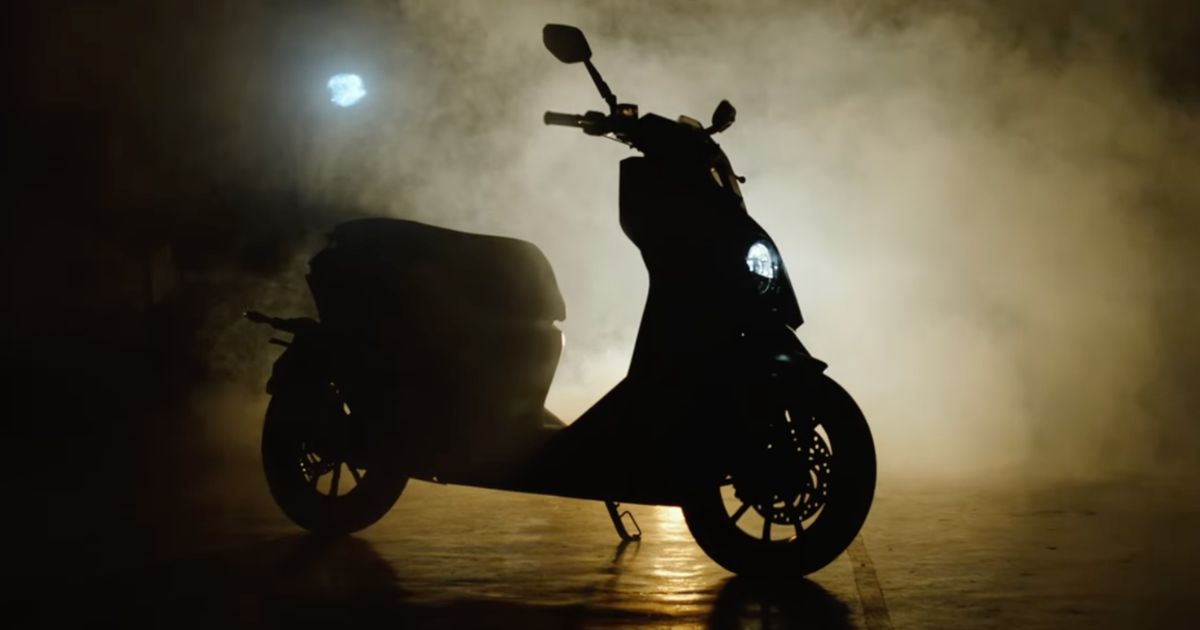
Nearly four years after introducing the P1 electric motorcycle, Yatri Motorcycles appears ready for its next major product, the Yatri P2 electric scooter. The P2 is expected to become Yatri’s first mass-market scooter. While the company has not officially confirmed the final specifications, several rumored details suggest a more practical and affordable vehicle than the P1.
Key Highlights
- Yatri P2 is expected to debut around NADA Auto Show 2026.
- The scooter is rumored to feature a mid-mounted motor and chain-drive layout.
- Sipradi will support manufacturing, marketing, and distribution, potentially solving Yatri's previous scaling challenges.
- Pricing is expected to fall between Rs. 3 to 4 lakh, putting it against Ather, TVS, and Bajaj.
- Final specifications, battery details, and warranty information are still awaited before launch.
The scooter could make its public debut around the NADA Auto Show 2026, although Yatri has yet to announce an official launch date.
What to expect from the Yatri P2 ?
The following details are based on rumors, public sightings, and early expectations. Yatri has not published a final retail specification sheet yet.
| Drive layout | Rear-wheel drive |
| Variants | Three: Base, Mid and High |
| Battery | Starting at around 2.7 kWh |
| Battery system | Rumored expandable or swappable technology |
| Motor | Mid-mounted motor |
| Transmission | Chain drive |
| Charging connector | Proprietary connector with fast charging support |
| Charging network | 9 existing stations, with 50+ reportedly planned |
| Expected competitor | Ather, TVS, Bajaj |
| Expected debut | NADA Auto Show 2026 |
A mid-mounted motor with a chain-drive system is uncommon in electric scooters, which usually use motors placed inside the rear wheel. If the rumors are accurate, this setup could provide better weight distribution and more controlled handling on rough and hilly roads. However, its actual performance can only be judged after riding the production model.
Charging could be an advantage
Charging is still one of the biggest concerns for electric scooter buyers. Yatri already operates about 9 charging stations and is reportedly planning to expand to 50+ stations. If this rollout aligns with the P2 launch, it could improve usability for riders outside Kathmandu.
Why Yatri Sipradi partnership matters ?
The P1 showed that Yatri had strong engineering capability, but building a good motorcycle was only one part of the challenge. The company also struggled with Scaling production, Nationwide distribution, Spare-parts availability, After-sales service, and Financing and logistics issues.
Yatri’s partnership with Sipradi Trading could therefore be more important than any single specification of the P2. Yatri is expected to focus on product design and engineering, while Sipradi supports manufacturing, marketing, and distribution. Sipradi’s dealership, logistics, and service experience could help Yatri move from a small engineering startup into a commercially sustainable EV manufacturer.
Should Nepal support local EV makers?
Nepal imports almost all the electric scooters sold in the country. A successful domestic EV manufacturer could help develop Local engineering skills, Skilled employment, Manufacturing capability, Domestic suppliers, and overall reduced dependence on imported vehicles
Support does not necessarily have to come through direct customer subsidies The government could streamline registration and approval processes, support research and development, encourage local component production, provide production-based incentives, or use locally manufactured EVs in public fleets.
However, government support alone cannot make the P2 successful. The scooter must still be reliable, competitively priced, and supported by a dependable service network.
Pricing will decide everything
The P2 will enter a much more competitive market than the P1 did. Nepali buyers can already choose electric scooters from brands such as Ather, TVS, Bajaj, Hero VIDA, and several Chinese manufacturers. Many of these companies offer established service centers, financing options, warranties, and proven products.
This means Yatri cannot depend only on the “Made in Nepal” identity. At around Rs. 3 to 3.5 lakhs, the P2 could become competitive if it provides good range, strong ride quality, dependable after-sales support, and a clear battery warranty.
Final thoughts
The Yatri P2 could become one of Nepal’s most important electric scooter launches, not simply because it is locally developed, but because it represents a second opportunity for Yatri. The rumored hardware looks promising, while the Sipradi partnership could address many of the production, distribution, and service problems that affected the P1.
Still, the final verdict will depend on the official specifications, pricing, warranty, range, and after-sales support. We are excited to see the production-ready P2 and, more importantly, ride it on Nepali roads to find out whether Yatri has successfully turned its engineering ambition into a practical mass-market scooter.
Article Last updated: July 25, 2026