Why Trust Gadgetbyte?
At Gadgetbyte, we invest substantial hours into rigorously testing each product or service we review, guaranteeing that you make informed purchases. Learn more about our testing process.
Review Overview
Performance
5/10
Software and UI
6.5/10
Back cameras
6/10
Front camera
7/10
Front camera
8/10
Audio and haptics
5/10
Value for money
5/10
Design and build
8/10
Display
7/10
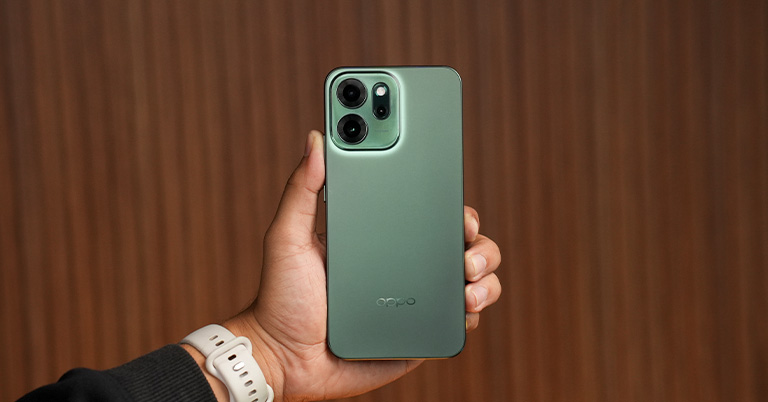
So, hello everyone! Today I have the all-new OPPO Reno14 F — a phone I’ve been using for the past two months. It launched in Nepal at a price tag of NPR 57,999, which honestly shocked me, especially given how competitive this segment already is. I’ve also used the Nothing Phone 3a Pro (review) and Xiaomi 14T (review), and both of those offer much better value for the price. So with stronger options out there, I was really curious to see how this phone would hold up. After using it daily, I’ve found a few things I like and quite a few that didn’t sit well with me. So in this review, I’ll be sharing my straightforward experience — the good, the bad, and everything in between.

Oppo Reno 14F Specification
- Design, build:158.12 x 74.97 x 7.69 – 7.78 mm, 180 gm, IP66 + IP68 + IP69 rating
- Display: 6.57-inch AMOLED screen, FHD+, 120Hz refresh rate, AGC Dragontrail DT-STAR D+ glass
- Chipset: Qualcomm Snapdragon 6 Gen 1 5G (4nm mobile platform)
- Memory: 8/12GB LPDDR4X RAM, 256/512GB UFS 3.1 storage (expandable)
- Software & UI: ColorOS 15 on top of Android 15
- Rear Camera: Triple (50MP main, 8MP ultrawide, 2MP macro)
- Front Camera: 32MP sensor (hole-punch)
- Security: Fingerprint sensor (hole-punch)
- Connectivity: Dual-SIM (Nano), WiFi 5 (dual-band), Bluetooth 5.1, GPS / Glonass / Galileo / BeiDou / QZSS, USB-C, NFC, 4G LTE, 5G
- Sensors: Accelerometer, Ambient light, Color temperature, E-compass, Gyroscope, Proximity
- Battery: 6000 mAh with 45W charging (45W power adapter provided)
- Price in Nepal: NPR 57,999 (12/512)
Unboxing Experience
Right out of the box, the OPPO Reno14 F comes with all the usual stuff — a SIM ejector tool, a 45W fast charger, a protective case, and the user manuals. And honestly, thank God OPPO hasn’t followed the trend of removing chargers like other brands in this segment. At least they’re still giving us the basic things we actually need.
Build and Design
- Dimensions: 158.12 x 74.97 x 7.69 – 7.78 mm
- Weight: 180g
- IP rating: IP68 + IP69
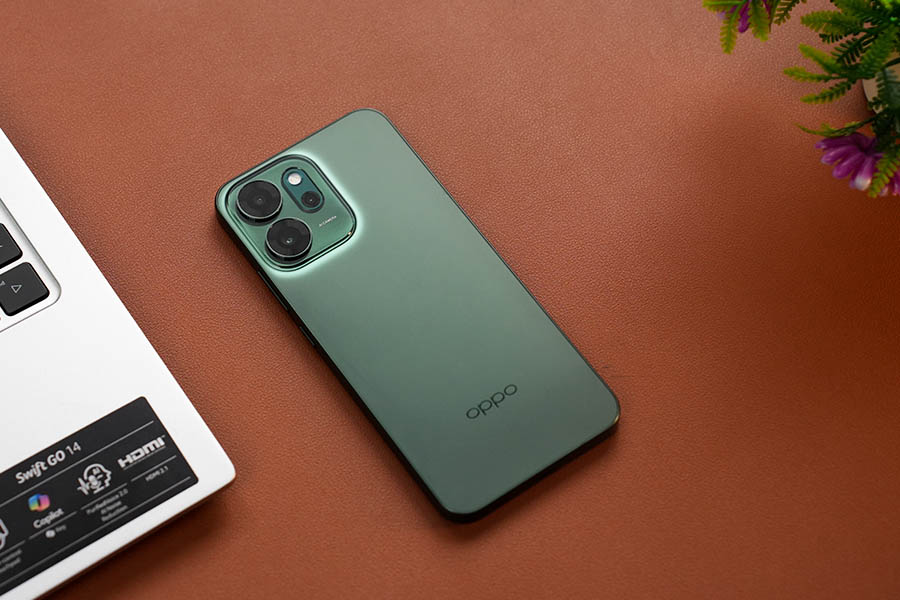
Okay, so I’ll start my Oppo Reno 14F review with the positives first. The moment I held the device, I actually liked it a lot. It doesn’t have any flashy design like the Nothing phones—and honestly, I prefer simple designs. The review unit I got is the green one, which looks really good, but we also get the “Opal Blue” variant with a superb gradient finish.
The phone feels compact, lightweight, and very comfortable to hold. The curved edges on the device also help in improving the grip. On the back, we also get a glass design, which makes the phone look and feel more premium. On the front, there are minimal bezels and a clean punch-hole selfie camera, which adds to the overall viewing experience.
For durability, OPPO has given it IP68/IP69 dust and water resistance. Technically, it can withstand dust, high-pressure water, and even being submerged to 2 meters for 30 minutes. It’s nice to have that peace of mind, BUT… just remember — if it gets liquid damage, the warranty still won’t cover it. So yeah, be careful.
Display
- 6.57-inch AMOLED FHD+
- 120Hz refresh rate
- AGC Dragontrail DT-Star D+ glass
- 600 nits (HBM) / 1400 nits brightness (HDR) brightness
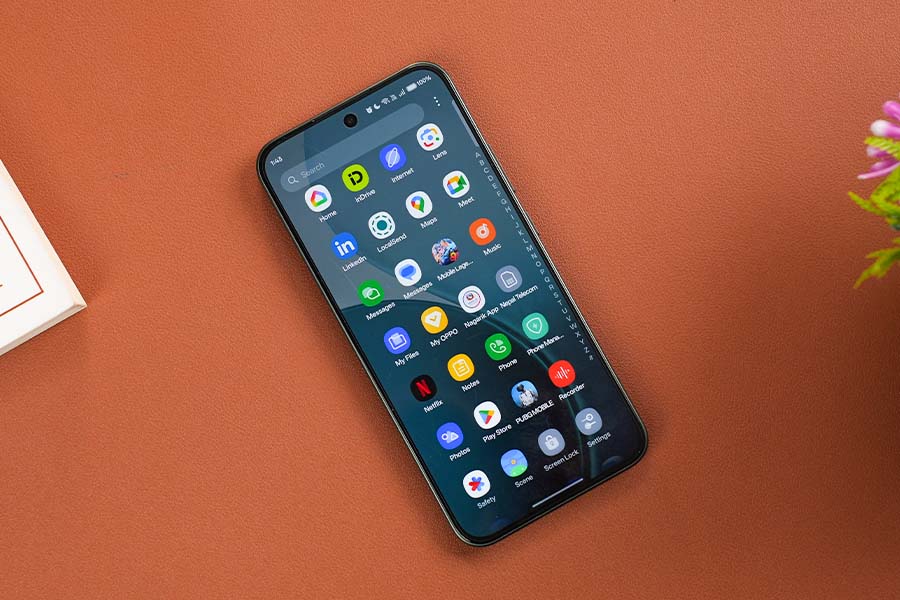
Okay, talking about the display..
I really like what the Reno14 F brings to the table. It comes with a beautiful 6.57-inch AMOLED display with a FHD+ (1080 x 2372) resolution and a smooth 120Hz refresh rate. The screen looks sharp, and the colors are poppy, making the multimedia experience better.
For the brightness, it can reach up to 600 nits (typ), and it can reach up to 1400 nits in High Brightness Mode (HBM). That said, under direct sunlight outdoors, I did notice some minor visibility issues, but nothing too serious. During the night, the screen gets very dim, making it perfect for low-light use.
Here, we also get a fingerprint scanner under the display, which works well most of the time without any issues.
The front of the device is protected by AGC Dragontrail DT-Star D+ glass with a Mohs hardness of 5, which is fairly scratch-resistant. I’ve been keeping the phone in my pocket alongside my keys, and so far, it hasn’t picked up a single scratch.
Performance
- Qualcomm Snapdragon 6 Gen 1 5G (4nm)
- 12GB/512GB (expandable)
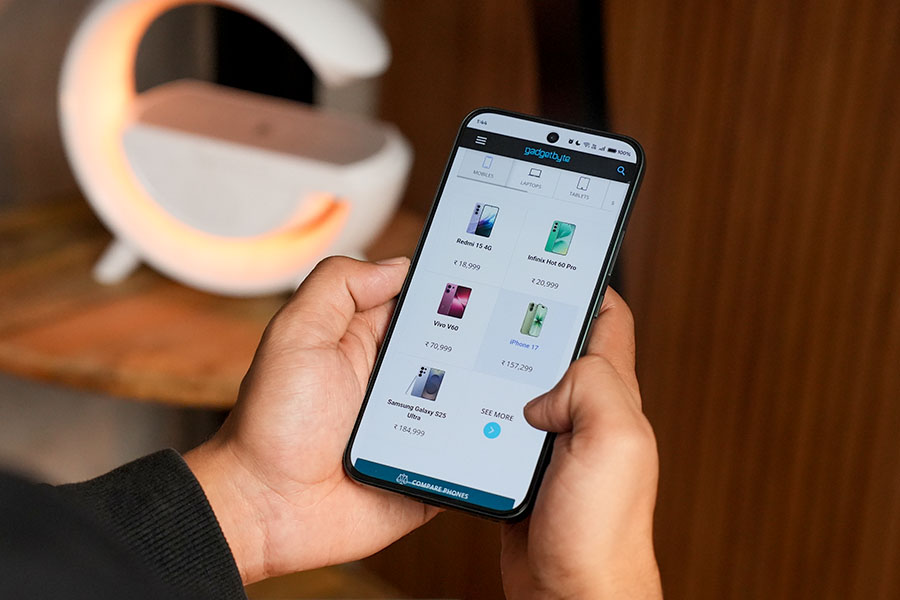
Okay, let’s talk about performance now….
Honestly, this is where the OPPO Reno14 F really disappoints. It is powered by the Snapdragon 6 Gen 1 chipset, a three-year-old mid-range chip, while competitors like the Nothing 3a Pro with Snapdragon 7s Gen 3 and the Xiaomi 14T with MediaTek Dimensity 8300 (4nm) offer much better performance.
Don't take me wrong for everyday tasks like browsing, social media, or casual apps, the Reno14 F handles things fine. It gets the job done for most tasks, but once you push it a bit, such as during gaming or switching between multiple apps, the phone starts to feel slow and laggy. For example, when I was on a video call with my friend, and I tried to open another app, the phone lagged and felt pretty unusable, which was really frustrating at that time.
And despite having 12GB of RAM, the phone still reloads apps in the background way too often, which really makes the overall experience quite poor. And yes, the 512GB of storage is great for the price.
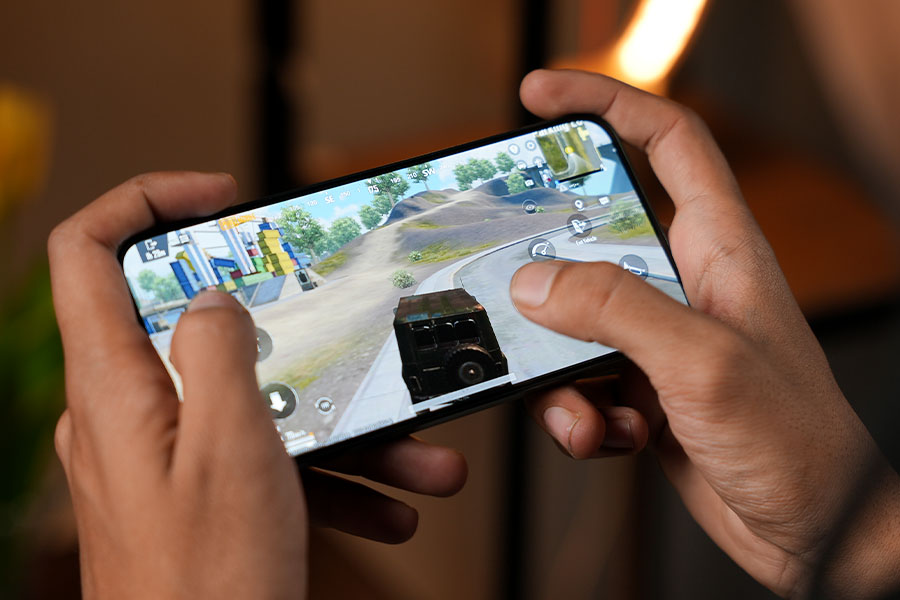
Now, talking about the gaming experience. While playing PUBG, the settings are unlocked to 60fps only (Extreme Settings), and playing at that frame rate feels decent enough. The device does get warm after a while, not uncomfortable, but the warmth is noticeable. Casual gaming on this is totally fine, but if you want something serious for gaming, I would suggest checking out the Xiaomi 14T. For a little bit more, you get significantly better performance.
Software and Battery
- Android 15 with Color OS 15 on top
- 5 years of OS and 6 years of security updates
- 6000 mAh | 45W fast charging
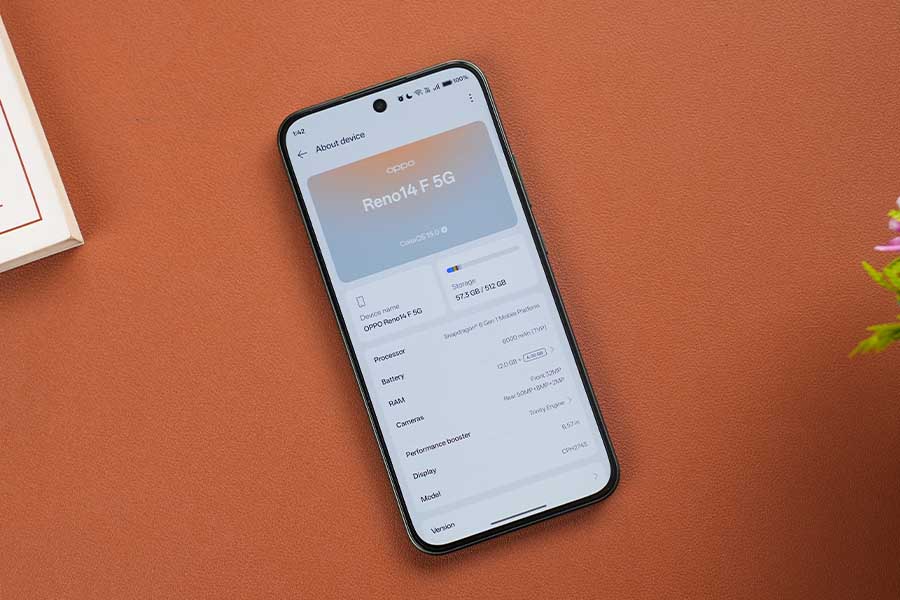
As for ColorOS, I have mixed feelings. Out of the box, there are a lot of pre-installed apps, including “Hot Apps” and “Hot Games,” which you’ll probably want to disable. Once that’s done, I actually like the UI, it’s simple and seems a bit inspired by OnePlus Oxygen OS, which I like.
However, the software still doesn’t feel fully optimized. I experienced frequent freezes and random lags that really shouldn’t happen on a phone at this price. On the positive side, OPPO is promising five years of OS updates and six years of security updates, so at least the device should stay updated for a long time.
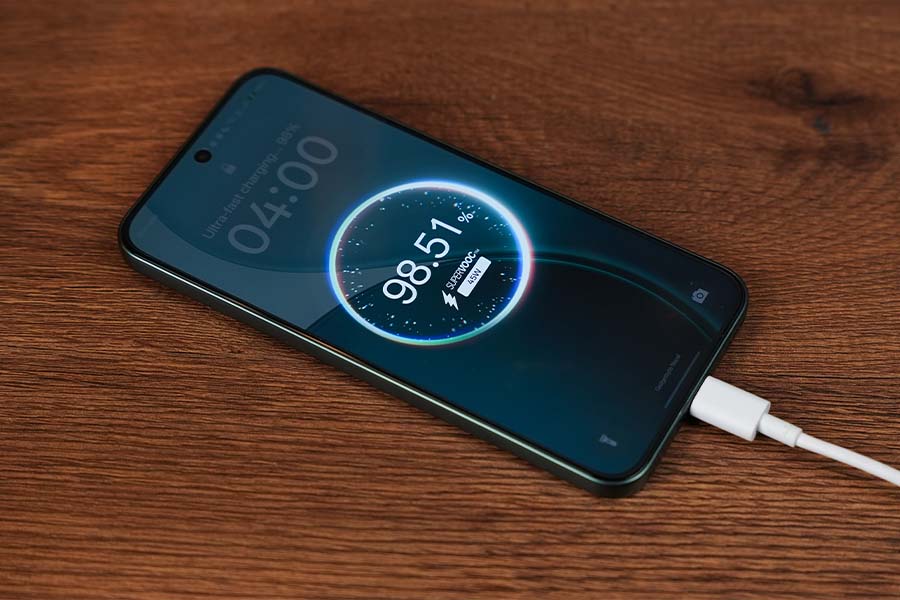
Talking about battery, the Reno14 F comes with a big 6000 mAh battery and based on my usage, which includes a mix of social media scrolling, Instagram Shorts, and light gaming, the battery easily lasts a full day. If I’m not using it heavily, it can even stretch to around one and a half days. Overnight battery drop isn’t an issue either, as it usually loses only 1 to 3 percent while idle. For charging, the phone comes with a 45W charger in the box, and it takes about two hours to fully charge the device.
Speakers and Haptics
For the speakers, the Reno14 F comes with stereo speakers, but honestly, the sound is just average. When you turn the volume up high, the bass disappears, and the audio gets so sharp that it actually feels uncomfortable to listen to. For a more balanced experience, keeping the volume around 75% works best for me. It also comes with OPPO’s “300% volume booster,” which honestly feels more like a gimmick than anything useful.
As for haptics, I have to say it’s pretty disappointing too. The vibrations feel really weak and cheap, more like what you’d expect from a budget phone.
Cameras
- Triple camera setup at the back
- 50MP main, 8MP ultrawide, 2MP macro
- 32MP selfie camera (hole-punch)
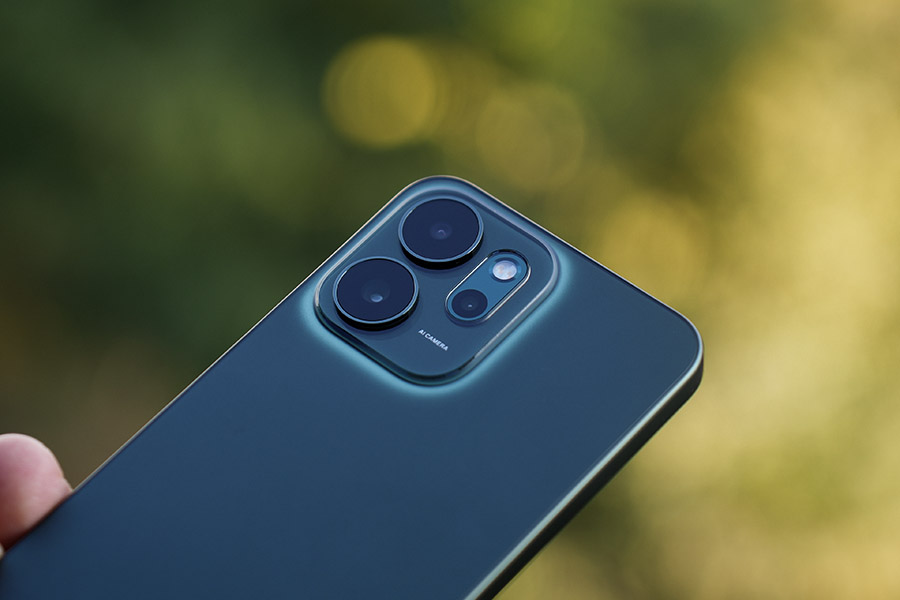
Okay, now let's talk about its cameras now…
Daytime photos
Talking about the daylight photos, the Reno 14 F captures quite decent photos, but there is some visible sunlight glare when shooting against the sun. Moreover, the photos generally lean towards slightly vibrant colors, which some of you may love or hate. The contrast level is good, but Oppo can still work on improving the overall details.
Portraits
When it comes to portraits, the device lacks a dedicated telephoto lens at this price, which is a big downside. It digitally crops to 2× for portrait shots. Edge detection is also quite hit-or-miss here. The background blur looks nice and offers a good shallow depth effect.
Ultrawide photos
In Ultrawide shots, it performs quite average. Similar to the main camera, glare is noticeable when shooting against the sun. However, the images look vibrant with pleasing colors.
Nighttime photos
Talking about nighttime images, the overall results are decent, but as usual, they lack detail and clarity.
Videos
Talking about video, the rear camera can record up to 4K 30fps, while the front camera maxes out at 1080p 60fps. You do get EIS/OIS support, but the stabilization isn’t very good. Overall, the video lacks detail, so the videos end up looking just decent.
Selfies
Selfies are decent on the Reno 14F, but it sometimes struggles to capture accurate skin tones.
Conclusion
Okay, after using this device for a full two months, here’s my honest take: at a price of NPR 57,999, the Reno14 F misses out on a lot compared to its competitors. While I liked its design, portability, and the IP68/IP69 water and dust resistance, the phone’s poor performance, poor haptics, and unoptimized software make it hard to justify the price.
As an alternative, if you want a phone with a clean OS, a cool design, and good cameras, the Nothing Phone (3a) Pro is a solid choice. And if you’re a hardcore gamer and looking for a phone purely for gaming, the Xiaomi 14T is the better pick. Of course, both options will cost you a bit more compared to the Reno 14F, but the extra money gets you way better performance, smoother software, and a more consistent experience overall.

Oppo Reno 14F review: Pros and Cons
| Pros | Cons |
|---|---|
| Sleek, premium design | Poor Performance |
| Good display with 120Hz refresh rate | Lacks a Telephoto lens |
| Long-lasting 6000 mAh battery | Average Speakers |
| Lightweight and pocket-friendly | Bloated software |
| IP68/IP69 | Poor Haptics |
Article Last updated: January 7, 2026