Samsung’s 6G outdoor trial in Seoul achieved 3 Gbps speeds with 8 simultaneous data streams, showing that high-capacity 6G is feasible beyond the lab.
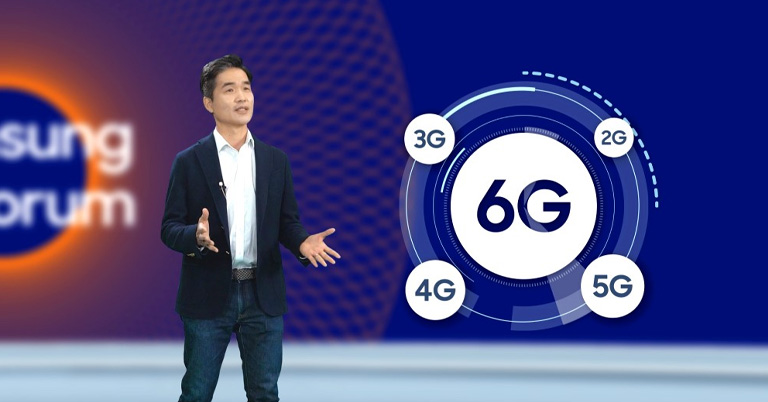
Samsung, alongside KT Corporation and Keysight Technologies, recently ran a real-world 6G outdoor trial in Seoul. This test showcased eXtreme MIMO (X-MIMO) in the 7 GHz mid-band, and achieved peak speeds of 3 Gbps with multiple simultaneous data streams. Let's get into this article, where I will discuss everything about the Samsung 6G outdoor trial, including its setup, results, and implications.

Samsung 6G Trial Overview
Prototype Base Station
The test was held at Samsung’s R&D campus in Seoul. It involved Samsung Electronics, KT Corporation, and Keysight Technologies and aimed to evaluate X-MIMO performance under realistic outdoor conditions, including weather, interference, and multipath propagation.
The base station used in the trial had 256 digital antenna ports, which allowed full digital beamforming across all elements. Its antenna density was about four times that of typical 5G massive MIMO setups, enabled by the shorter wavelength of the 7 GHz mid-band. This allowed multiple simultaneous data streams without increasing the physical footprint of the station.
- Also, read
Performance Highlights
The trial achieved a peak downlink speed of 3 Gbps to a single test device, while sending eight spatial streams simultaneously. This demonstrated that X-MIMO can deliver high per-user throughput without requiring massive infrastructure. The technology enabled precise beamforming and multi-stream transmission, and the 7 GHz mid-band offered more bandwidth than the 3.5 GHz 5G mid-band while maintaining better range than mmWave. Testing in a real-world outdoor environment confirmed that the system performs reliably outside of controlled lab conditions.

Samsung 6G Trial Timeline
Standards are expected to be finalized around 2028–2029, with commercial rollout around 2030. According to the company, the early targets will include peak speeds from 100 Gbps to 1 Tbps, sub-millisecond latency, extreme reliability, and AI integration.
- Meanwhile, check out our review of Honor Power 2
Article Last updated: February 23, 2026