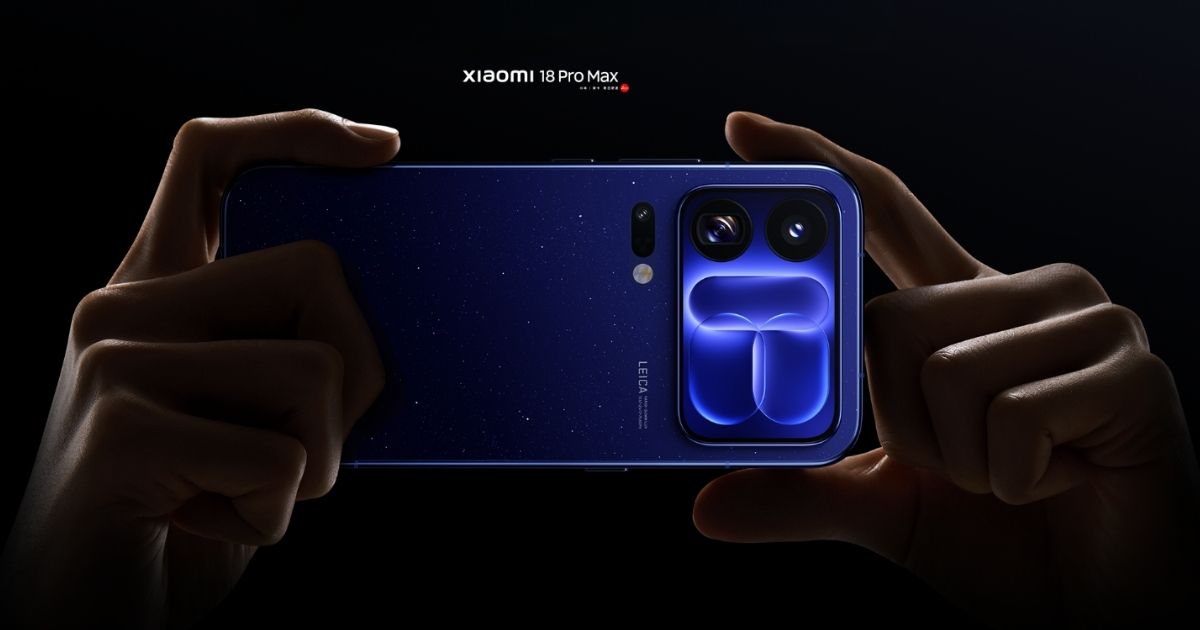
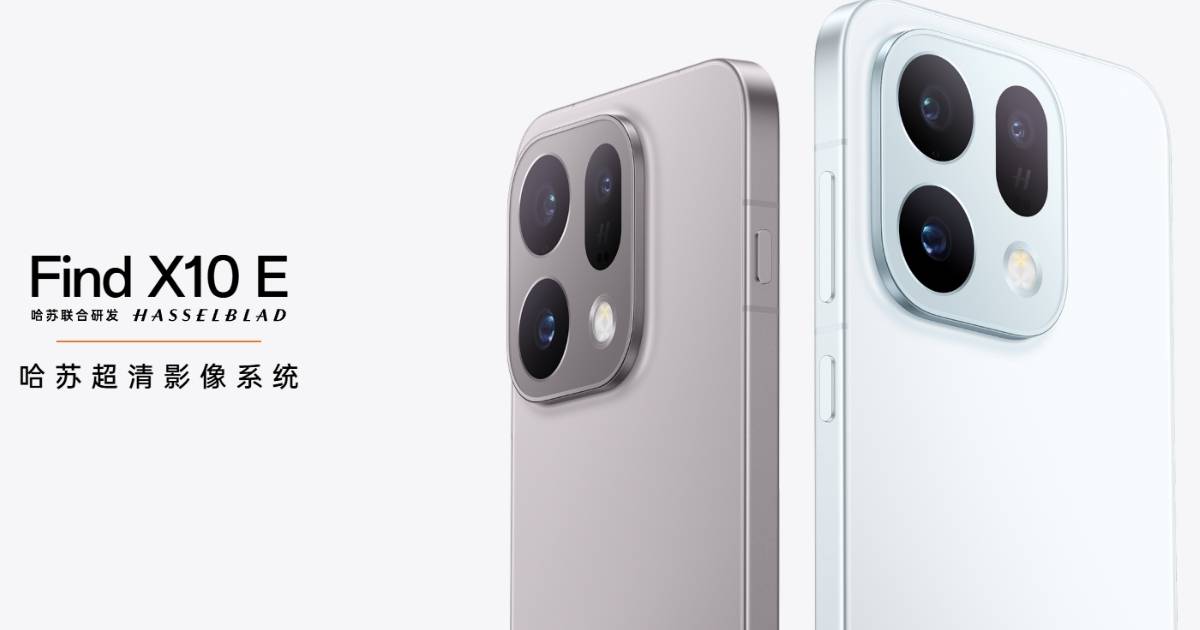
A closer look at what upcoming flagship smartphone cameras could look like
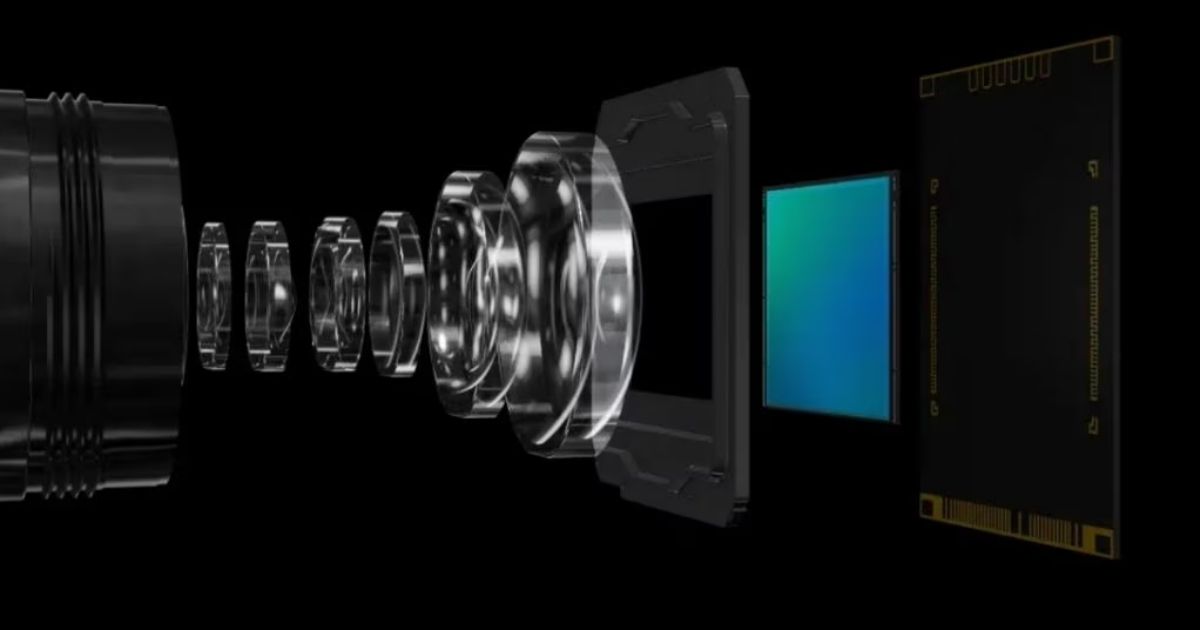
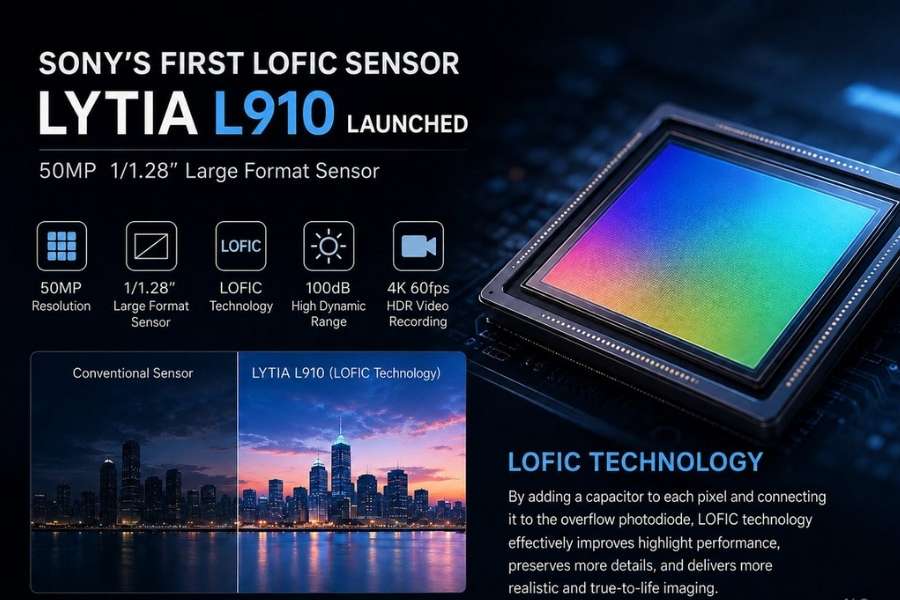
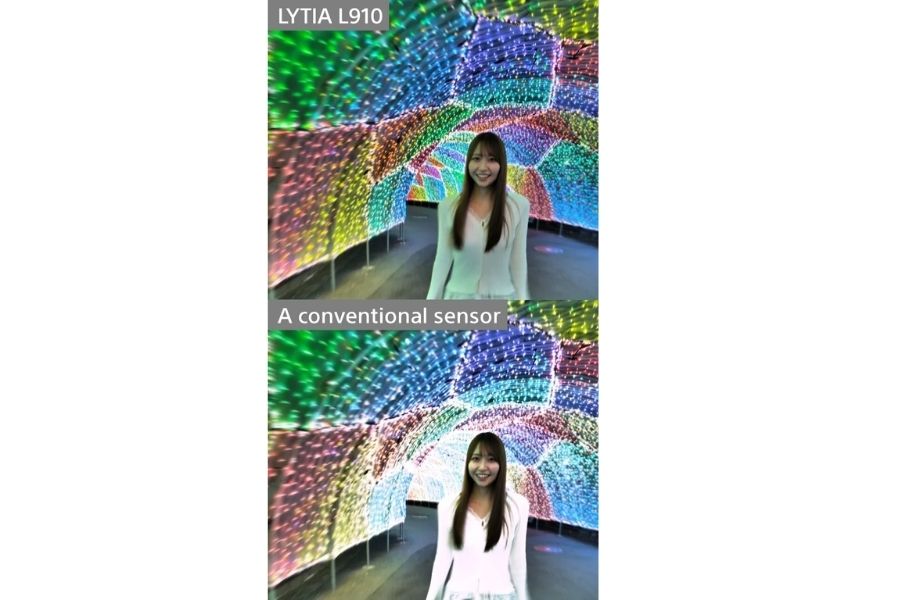
Smartphone camera sensors have continued to improve in recent years, but they still struggle in challenging lighting conditions, especially in scenes with extreme brightness or deep shadows. Addressing this, Sony has introduced the LYTIA L910, a new 50MP mobile camera sensor that uses LOFIC technology and claims up to 100dB of dynamic range. It is designed to capture more detail in both highlights and shadows, even in a single shot.
Key Highlights
- 50MP sensor with a 1/1.28-inch format and 1.22µm pixels.
- LOFIC technology to capture high-density light and prevent blown-out skies.
- 100dB dynamic range via single-exposure HDR to eliminate ghosting artifacts.
- Triple Conversion Gain circuit that slashes random noise by 30%.
- Supports up to 4K at 60fps HDR video recording in high-contrast scenes.
Sony LYTIA L910: A different approach to handling light
The Sony LYTIA L910 reflects a shift in how smartphone cameras process images, with more focus on capturing better light data at the sensor level rather than relying heavily on software-based HDR after a photo is taken.
The idea is to reduce dependence on post-processing by improving how light is handled during capture itself, resulting in cleaner image data before software adjustments begin.
What is LOFIC technology?
LOFIC stands for Lateral Overflow Integration Capacitor. It is a sensor technology designed to improve how cameras handle very bright areas in a scene.
In a standard smartphone camera sensor, each pixel acts like a tiny bucket collecting light. When a scene is too bright, the pixel can become “full,” typically resulting in a loss of highlight detail and leading to blown-out skies or white-spot images.
LOFIC solves this by adding extra storage (a high-density capacitor) next to each pixel. When the pixel receives more light than it can normally handle, the excess charge is stored in the capacitor instead of being lost. This helps preserve more details in bright parts of the image.
While its main role is to handle highlights, it also contributes to more balanced exposure across the image, resulting in more balanced shadow areas.
Key imaging improvements
As said, the Sony LYTIA L910 brings LOFIC technology and up to 100dB of dynamic range, aiming to improve overall imaging performance in challenging lighting conditions.
It is designed to maintain more consistent exposure across high-contrast scenes, helping preserve details in both brighter and darker areas. The sensor also supports single-exposure HDR, which removes the need for combining multiple frames to create a final image.
Because of this approach, the L910 can help reduce common multi-frame processing issues such as motion blur, ghosting, and flickering artifacts caused by merging multiple exposures.
You may also like:
Hardware and video capabilities
The Sony LYTIA L910 is a 50MP mobile camera sensor built on a 1/1.28-inch format. It uses 1.22µm pixels along with a Quad Bayer filter, aiming to balance detail capture with improved light sensitivity, especially in challenging lighting conditions.
On the processing side, the sensor features Triple Conversion Gain (TCG), which helps the sensor adjust how it reads light depending on the scene. Sony claims this helps improve overall image processing, especially in low-light conditions. The sensor also uses an Ultra High Conversion Gain circuit, which reduces random noise by around 30%, mainly improving low-light performance.
For video, the LYTIA L910 supports up to 4K@60fps HDR recording, enabling smoother motion capture while maintaining a wide dynamic range in high-contrast environments.
What this means for future smartphones
The Sony LYTIA L910 is expected to appear in upcoming flagship smartphones, and if it does, photos could look more natural straight out of the camera. Bright areas like skies may retain more detail and not be washed out, while darker parts of the scene may appear more visible without looking overly brightened.
Overall, the result should feel closer to what the eye actually sees, especially in challenging lighting situations.
- Meanwhile, don’t miss our video comparing the OPPO Find X9 Ultra and Vivo X300 Ultra to see which one has the best camera of 2026.
Article Last updated: June 18, 2026