Here's the scenario. You need/want to get a new phone. You consider your budget and search for some good phones around it. Then, you scour the Internet for their prices. Finally, you are discouraged by the fact that for your budget, you can get better phones in India and China than the ones in Nepal. Sounds familiar? It should be, because that's the way it is. Now and then, Nepalese consumers are complaining about the unreasonable pricing of smartphones. Compare the prices of the phones here to the international market. Actually, why go very far? Take our neighbor India for example. Put the same phone side by side, with the same specs and materials, and the prices of smartphones in Nepal appear inflated. However, different factors come into play in this. Here are some reasons why Smartphones in Nepal are expensive compared to other countries:
Tax Increment
Before the increment of taxes, smartphone retailers paid 13% VAT, and on top of it, 40% of the VAT was refunded to them at the end of the fiscal year, making it a net of 7.8% on taxes.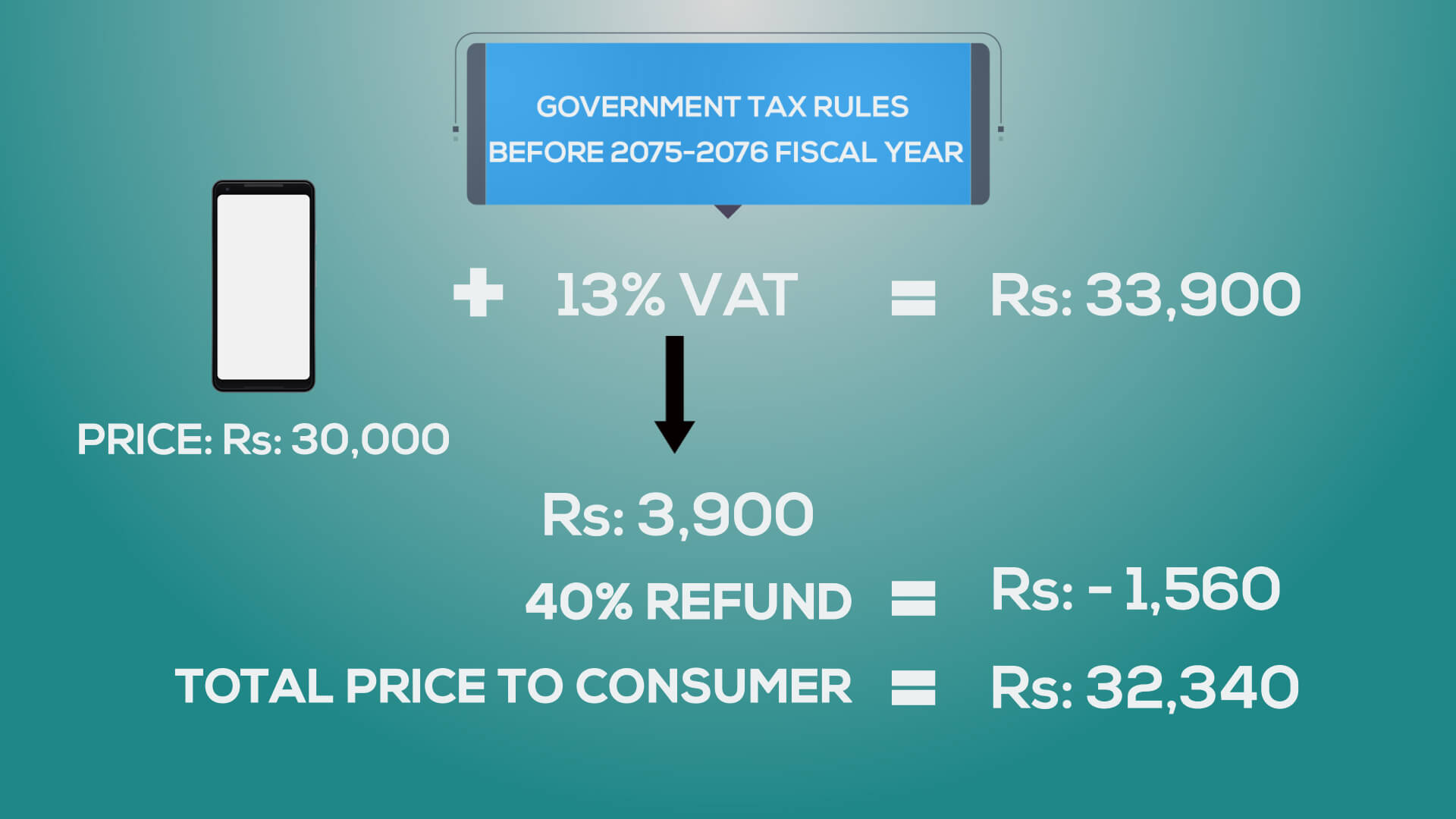
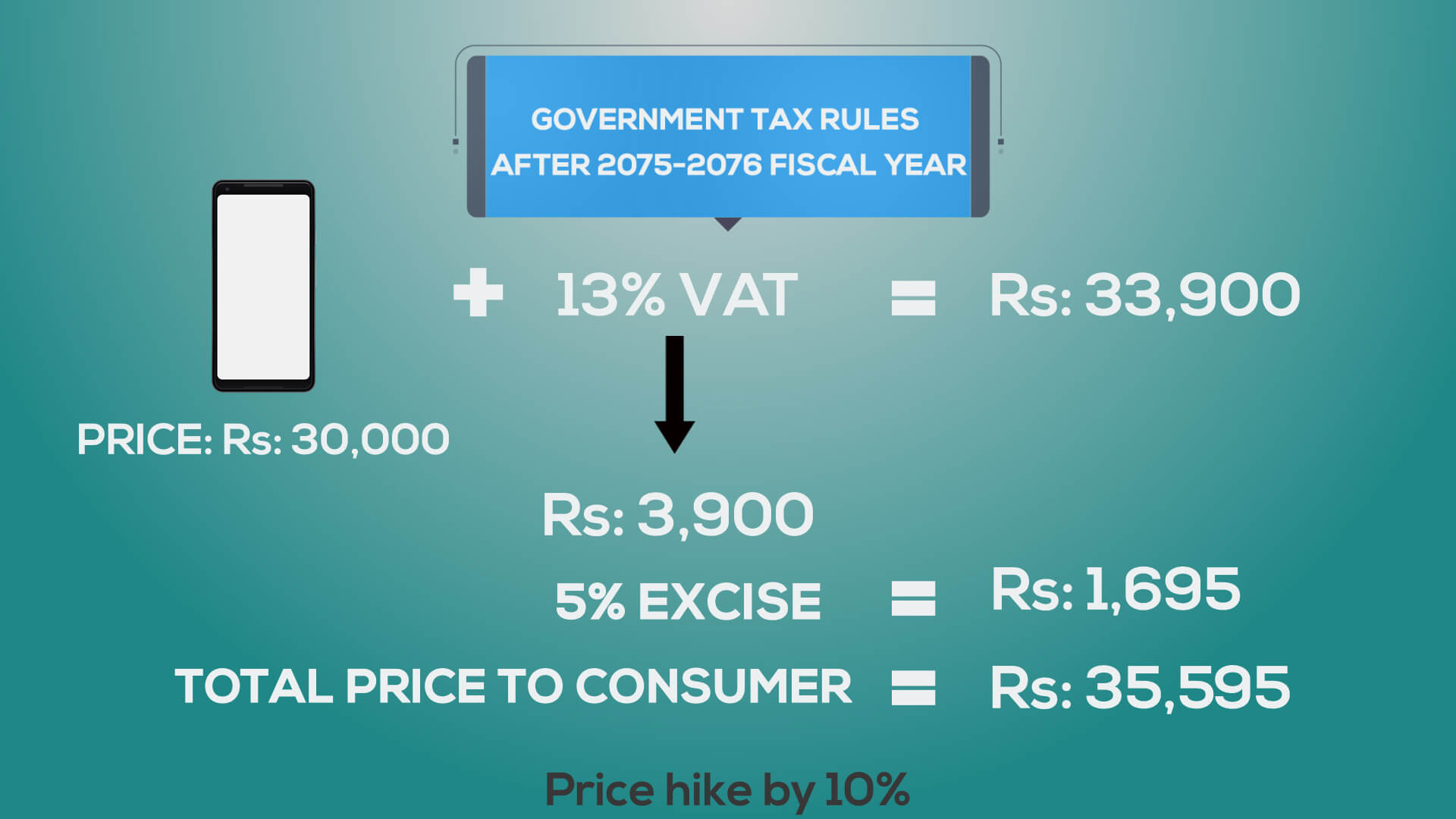
What is the 13% VAT and 5% Excise duty?
Well, the 13% VAT is the default value-added tax also known as good and service tax. The 5% Excise duty refers to the additional tax labeled upon the VAT for selling smartphones by the distributors.Comparison with other Countries
| Countries | Tax rate |
|---|---|
| Nepal | 13% VAT+ 5% Excise duty |
| India | 18% GST tax+ 20% customs duty (optional) |
| China | 13% vat |
| Pakistan | 17% sales(Ad Valorem) tax |
| US | 5-7% SALES TAX |
| UK | 20% Sales tax |
| Australia | 10% sales tax |
| Germany | 19% standard VAT rate |
| Hungary | 27% standard VAT rate |
| Germany | 10% GST |
| Finland | (24% standard VAT rate) |
| Luxembourg | (17% standard VAT rate) |
| Bhutan | Exemption on mobile phones (considered as essential amenities) |
| UAE | 5% GST |
Distribution Channelling
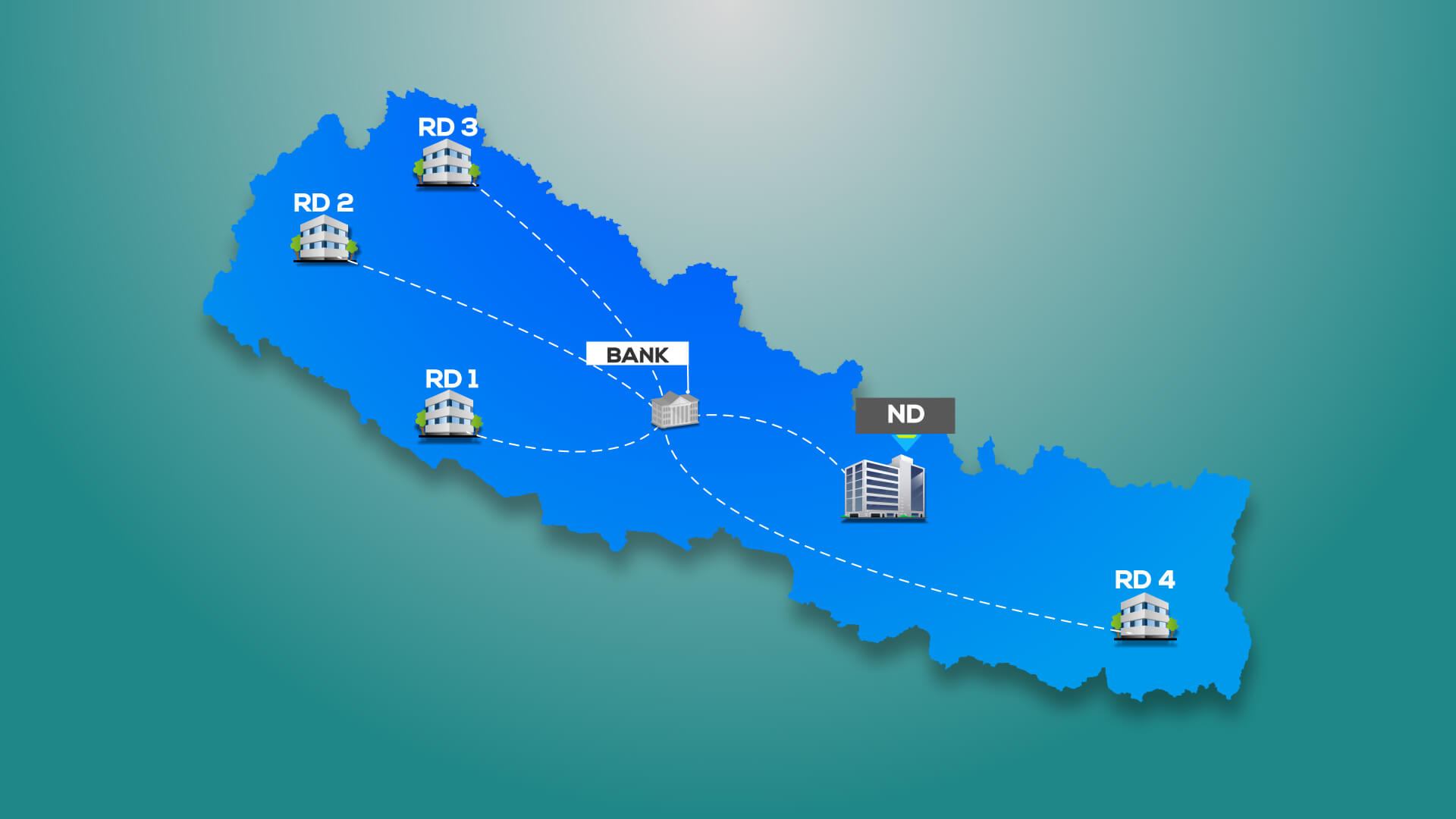
This is, most likely, the primary reason for gadgets being expensive in Nepal. Yes, there are no in-house manufacturers, but there also aren't any official company retailer stores for these gadgets here. Phones exchange hands between various channels before they end up in the country - through agents, wholesalers, distributors to finally retailers. There's the company a.k.a., the brand itself, then, the National Distributors (ND), then Regional Distributors (RD), then retailers, and finally, mobile stores. This long chain in the middle increases the price fairly quickly. With RD's nicking off almost 15% commission and retail shops getting around 7-8% commission, this adds up to hick the price.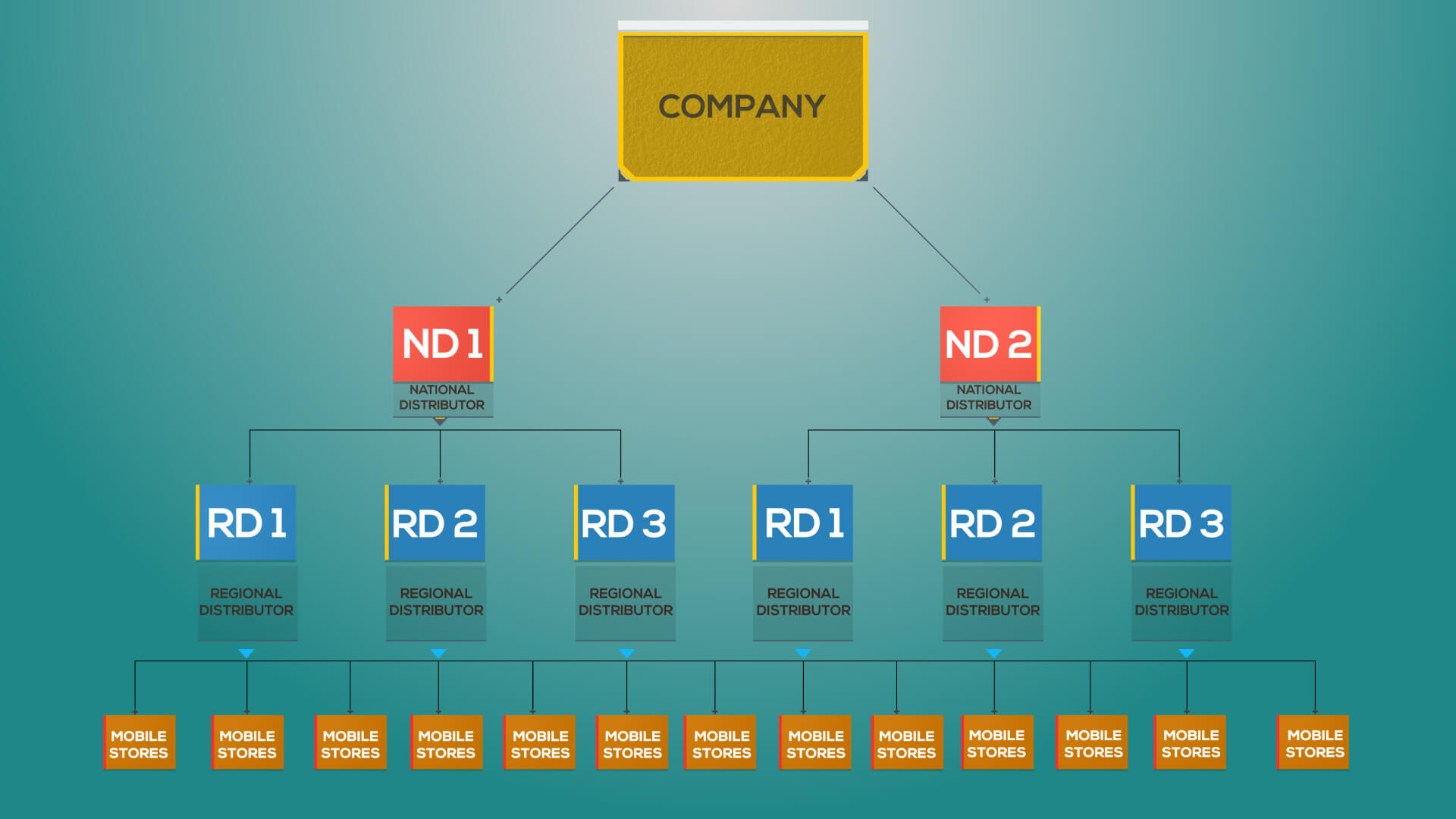
Buying and Selling Practice
The smartphone market in Nepal differs from other countries in terms of sales practices. If you are aware, you'll notice that many companies sell their phones online via various websites like Amazon, BestBuy, etc. with good discounts, even! For example, Xiaomi sells their phones to India and China online mostly, as they have a strong presence online and have good payment gateways. This means companies don't have to establish luxury retail stores that add to their expenditures, which in turn, affect the prices of the phones. The same isn't the case in our country. With a very limited presence of e-commerce and a lack of good payment gateways, companies have to establish stores for customers. Even with some online retail stores on the rise, we prefer to see and feel the products before we buy them. As a result, companies have to invest in retail stores, increasing the price we pay for their phones.Quantity of products sold
We're all familiar with the theory of economies of scale, i.e. larger the quantity, the lower the price.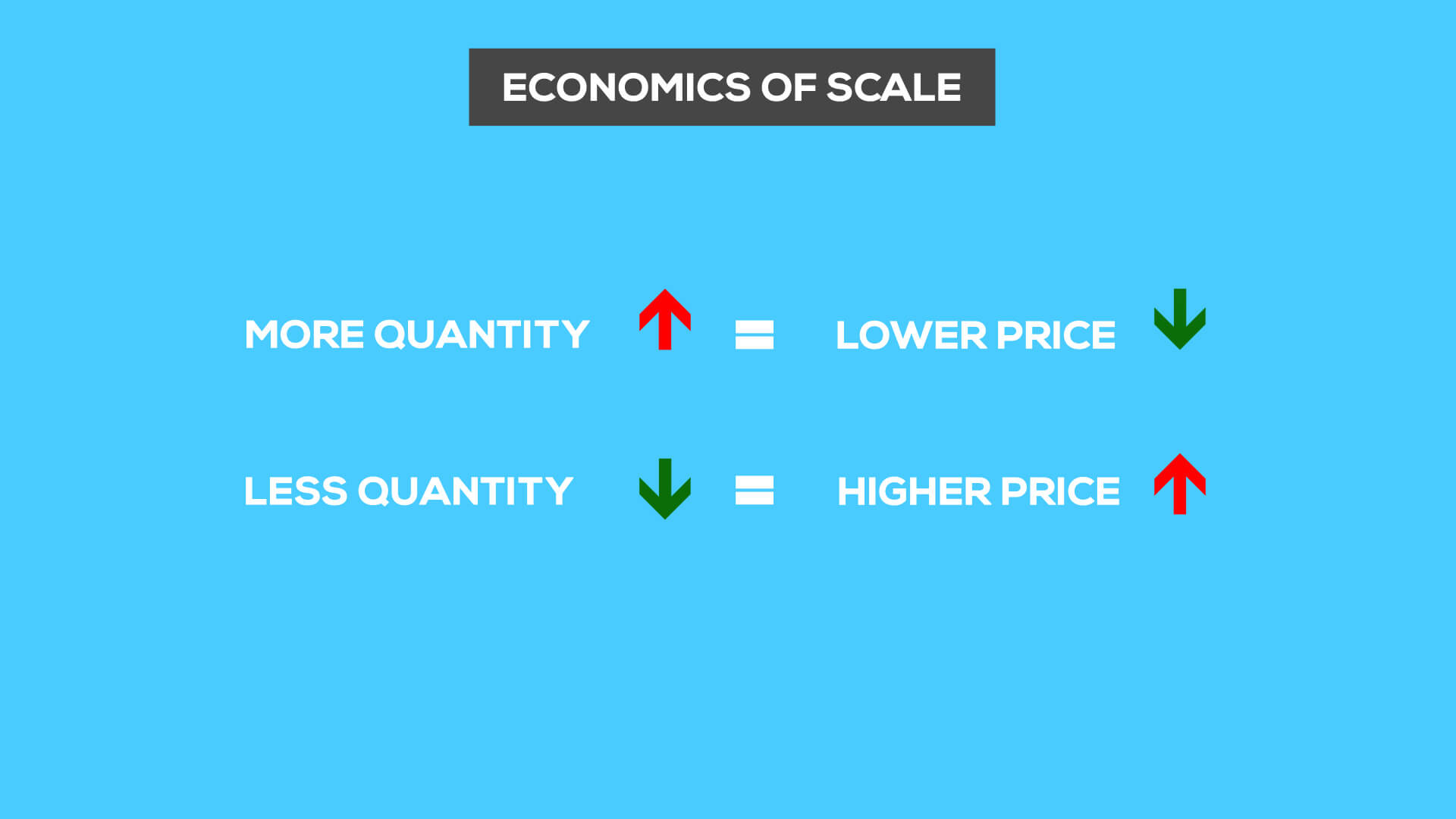
Lack of In-House Manufacturing Plants
This is no surprise. Our country has no in-house manufacturing plants of any kind of mobile phones or gadgets. Almost all gadgets are imported, starting the chain of middlemen, excise, and customs duties. Add shipping costs to it, and you end up with putting quite a dent in your pocket to buy gadgets here. Countries like India and China have their manufacturing plants (factories) which cuts off the customs TAX and transportation costs. For eg., Mi India set up a manufacturing plant and launched its first in-house made-in-India phone, the Redmi Note 5A. The phone had an aggressive price of NRs. 11,200 while the same phone launched for Rs. 17,500 in Nepal. If things were produced in-house, maybe, we'd only have to pay shipping and taxes on raw materials, which are considerably less than finished goods. Also, there would be less ware-housing costs associated with it too. Which would make the products cheaper, but it's not the case.- Also, read
Make-In-India Policy
Recently, the Indian government formulated a policy, which favors in-house production of goods in India. And so, there are many smartphone manufacturing plants in India. For example, apart from Xiaomi's factory there, Samsung's largest smartphone factory is in Noida, India.
Dollar Fluctuation
This one is another reason for the expensive smartphone prices in Nepal. How so? Well, when any ND imports smartphones when the dollar rates are expensive, then, even when the dollar prices fall, the smartphone prices can be high because the importer paid higher.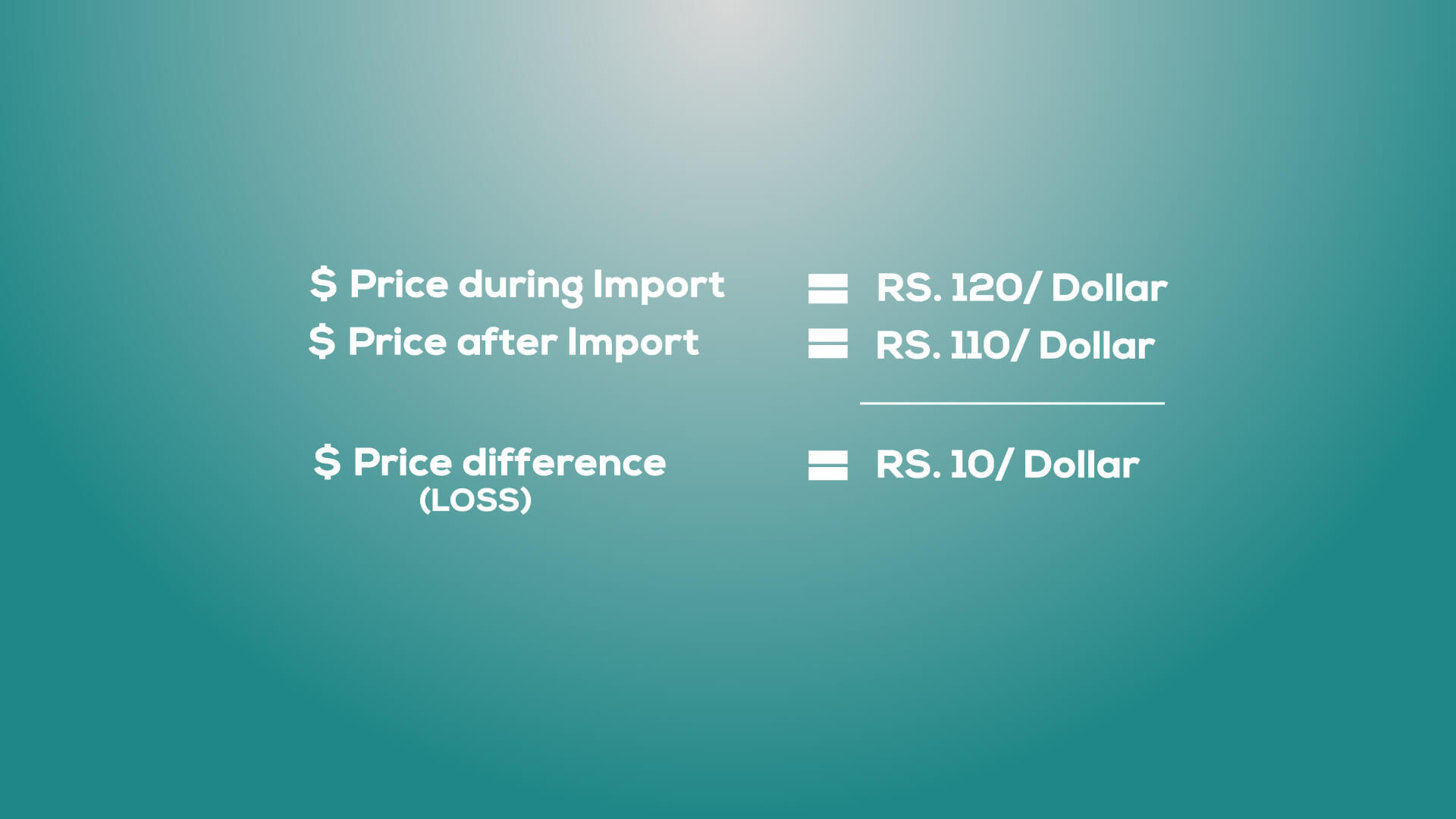
Last Few Words...
So, I guess that's all the most important reasons. But I'd also like to mention one more thing. That is, when most of the brands come to Nepal, their prices are already set high, and that, I think is the greed factor. Smartphone brands should be setting their prices low initially, to penetrate the market, but that does not seem to be the case. Now, I'm not saying all smartphone brands do that. Sometimes, the prices are quite reasonable. Like most Samsung Phones, which has a relatively lower gap on smartphones. So yes, there you have it. The reason why smartphones and electronics are expensive here. What are your views on this? What do you think can be done? If you guys think we left out some other reasons, do let us know in the comments- Check out our first impressions of the Vivo X100 Pro here.
Article Last updated: February 17, 2019
![Apple iPhone Price in Nepal [Updated 2026]](https://media.gadgetbytenepal.com/2025/12/Apple-iPhones-price-in-Nepal.jpg)