Looking to buy a great budget IEM? Check this out!
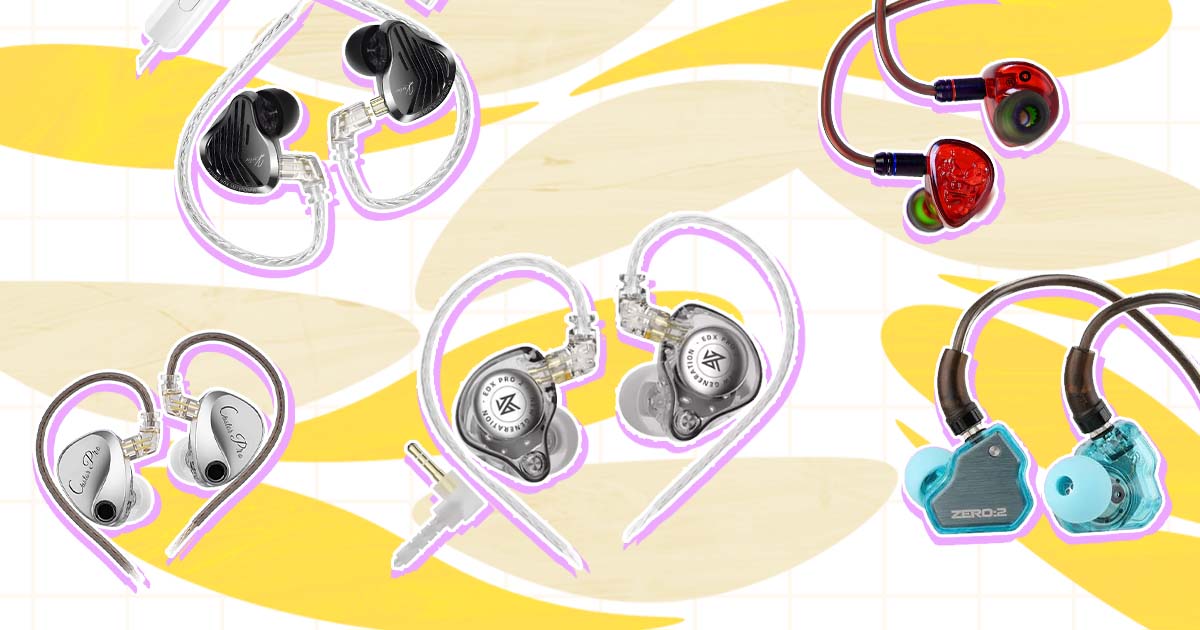
When it comes to audio products, wired beats wireless. Always. At least when it comes to the sound quality of the two in the same price bracket. And over the years, the craze for IEMs (in-ear monitors) has dramatically shot up, especially among the younger crowd. Sure, you don’t get advanced features like active noise cancellation (ANC) or the convenience of wireless earbuds—but if all you care about is sound quality—a good pair of IEM is gonna deliver the best bang for your buck. And in this article, we have listed out the best IEM under NPR 5000 in Nepal, so that you can buy the one that's perfect for you.
Best IEM under NPR 5000 in Nepal:
5. GK Kunten
And kicking things off is the GK Kunten. This is quite a unique one because it has a semi-open-back design, which is a rare find in the budget IEM space. Meaning there are air vents on the outer shell to let air and sound pass more freely. This should technically open up the soundstage for a more spacious listening experience, but compared to open-back headphones, that’s rarely the case with IEMs.
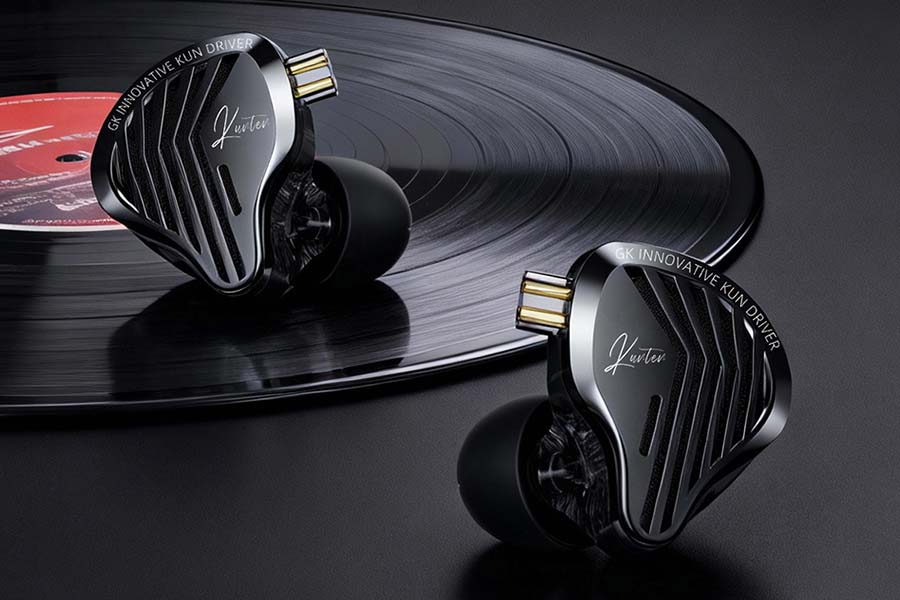
Either way, the GK Kunten features a 10 mm dynamic driver with a warm-ish kind of sound signature. That means these IEMs have a generally enjoyable sound with emphasis on the lows and the midrange frequency, although if you consider yourself a basshead by any means, the Kunten might not be what you’re looking for. You definitely feel that punch from kick drums and whatnot, but I definitely missed the weight of sub-bass rumble when listening to something like Led Zeppelin’s “Achilles Last Stand”.
As for the build quality, the GK Kunten has a typical resin cavity followed by a metal cover for a slightly more premium finish. It uses a 2-pin (0.78mm) connector and is available with both a 3.5 mm unbalanced and a USB-C plug. And with a 43Ω (Ohm) impedance, you should be able to drive these in-ear monitors from your phone, tablet, or laptop perfectly.
GK Kunten Specifications:
- Shell material: Resin cavity, Metal cover
- Detachable cable: Yes
- Connector pin: 2-pin (0.78 mm)
- Plug type: 3.5 mm / USB-C
- Driver configuration: Single (1x 10 mm dynamic driver)
- Frequency response: 20 Hz - 40,000 Hz
- Impedance: 43Ω
- Sensitivity: 109 dB / mW
- GK Kunten Price in Nepal:
- 3.5 mm: NPR 2,500
- USB-C: NPR 3,000


4. KZ EDX Pro 2
Next up on our list of best IEM under NPR 5000 in Nepal is the KZ EDX Pro 2. And unlike the Kunten, which has a sort of mid-forward sound, this guy is all about that bass. Literally. Since the EDX Pro 2 has a noticeable bump across the sub-bass through the lower midrange region (20 Hz - 300 Hz). So if you’re among those who listen to a lot of hip-hop, EDM, rap, and other similar genres of music, this thing is definitely gonna sound great in your ears.
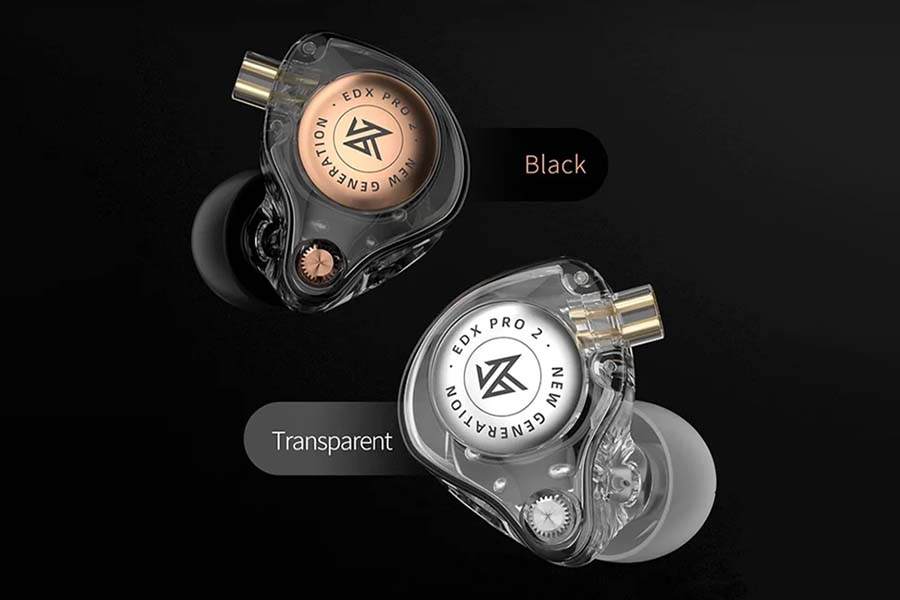
Compared to the GK Kunten, its soundstage feels relatively wider as well. Meaning everything from the instruments, the vocals, and all the other elements in the track don’t sound like they’re playing from a small, confined space. If you’re a mobile gamer, then I’m happy to report that its imaging—aka the ability to pinpoint individual sounds or musical notes in the perceived soundstage—is pretty good. Making it a great accessory the next time you play something like PUBG Mobile or MLBB.
Moving on, the EDX Pro 2 has a typical 0.78mm 2-pin connector we see on most KZ IEMs. And its built-in microphone is also surprisingly good, by the way. As long as you’re talking directly into the mic, that is. It also has a resin cavity + metal faceplate design for the shell as the Kunten, while its 24Ω impedance means you don’t necessarily need to pair it with an external DAC to power it either.
KZ EDX Pro 2 Specifications:
- Shell material: Resin cavity, Metal cover
- Detachable cable: Yes
- Connector pin: 2-pin (0.75 mm)
- Plug type: 3.5 mm / USB-C
- Driver configuration: Single (1x 10 mm dynamic driver)
- Frequency response: 10 Hz - 20,000 Hz
- Impedance: 24Ω
- Sensitivity: 107 dB / mW
- KZ EDX Pro 2 Price in Nepal:
- 3.5 mm: NPR 2,600
- USB-C: NPR 3,000
3. KZ Castor Pro
The bronze medal on our list of best IEM under NPR 5000 in Nepal goes to yet another entry from KZ. The Castor Pro. So, in case you didn’t know, KZ’s “Castor” lineup is massively popular in the budget segment for its excellent sound and just the sheer value for money on something so affordable. But at the same time, the Castor Pro’s unique customizable design is a big part of its charm as well. What I mean is that this IEM actually has physical tuning switches built into the shell itself to modify how it sounds on the fly.
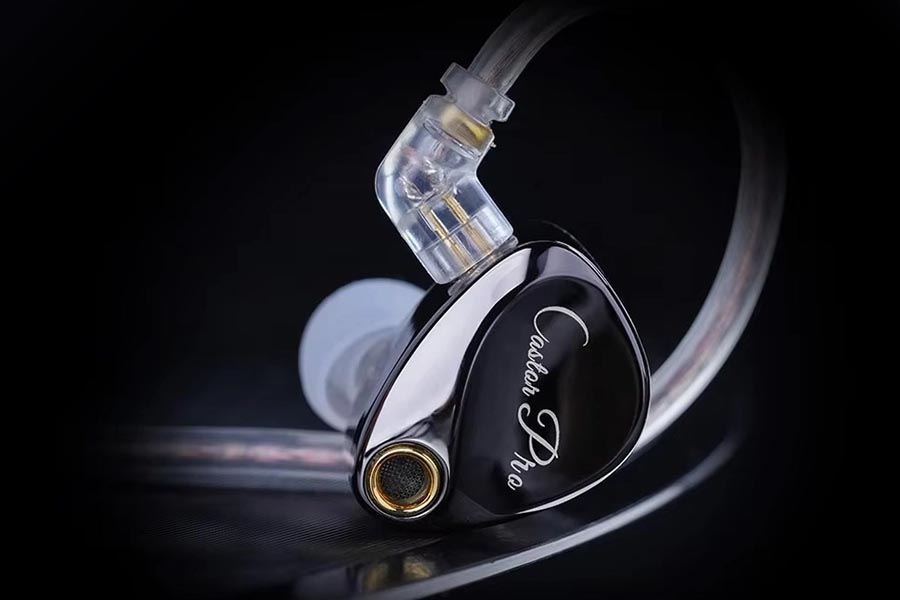
I can increase the bass, mids, or high frequencies by a couple of decibels with a literal flick of the switch—whereas the Castor Pro even comes in a couple of audio flavors to choose from. There’s either the “Harman Target” version with a clean, balanced sound, or the “Improved Bass” version is exactly what it sounds like. So depending upon your listening taste, it’s pretty easy to pick the one that’s right for you.
But fair warning: unless you’re absolutely sure a clean sound is what you want, then you might be better off with its “Improved Bass” edition. Because even after tuning its “Harman Target” version to boost the low end, it might end up sounding a little… flat for most folks. And one more thing (ooh, I sound like Steve Jobs here). I’d also hesitate recommending it to those with small ears because the Castor Pro’s shell is quite bulky for it to be comfortable during long listening sessions.
KZ Castor Pro Specifications:
- Shell material: Resin cavity, Metal cover
- Detachable cable: Yes
- Connector pin: 2-pin (0.75 mm)
- Plug type: 3.5 mm
- Driver configuration: Single (2x dynamic drivers)
- Frequency response: 20 Hz - 40,000 Hz
- Impedance: 22 - 40Ω (Harman Target), 16 - 22Ω (Improved Bass)
- Sensitivity: 101 - 104 dB (Harman Target), 100 - 103 dB (Improved Bass)
- KZ Castor Pro Price in Nepal:
- Harman Target: NPR 3,500
- Improved Bass: NPR 4,000
2. Tangzu Wan’er SG 2 Red Lion
Alright. The Tangzu Wan’er SG 2 Red Lion is up next—and it’s easily among the most insane value IEMs I have seen. This “Red Lion” edition has a considerable boost within the 20 - 100 Hz region for a much more energetic listening experience over the standard Wan’er SG 2, by the way. And looking at all the accessories that Tangzu ships inside its box, it honestly feels like you’re unboxing something that should cost much more.
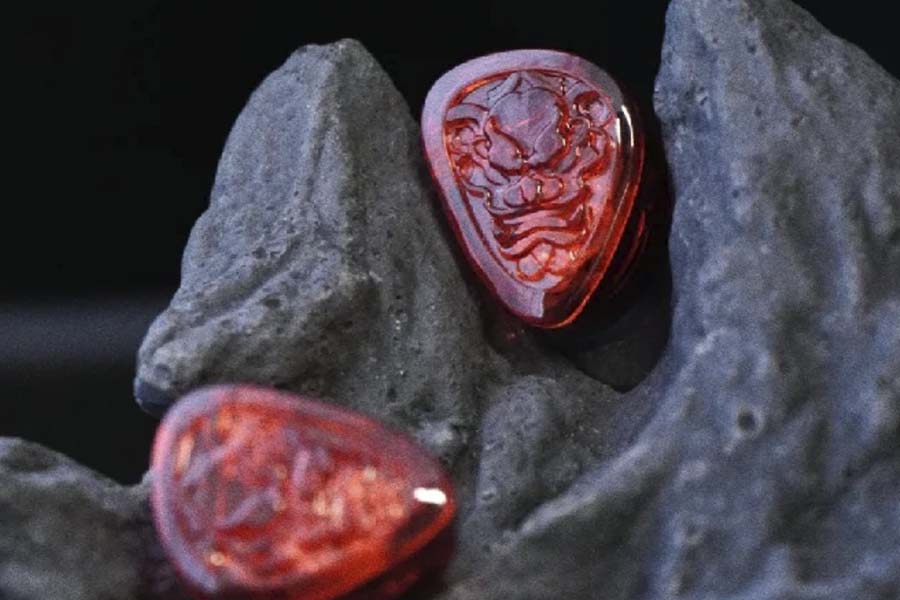
First things first, the silver-plated OFC (Oxygen-Free Copper) cable that you get here is genuinely the best I’ve seen on a budget IEM. It doesn’t tangle that easily and it just… feels so nice to hold. I will say that I would’ve loved to see an L-shaped plug on both 3.5 mm and USB-C cables, but it’s not a big deal. Next up, you also get a magnetic carrying pouch, a nice cleaning cloth, and a couple of really high-quality ear tips. Fair warning though: the Red Lion’s nozzle is a bit larger than usual, so you’re gonna have to be extra careful when swapping ear tips.
Anyway, like I said before, this IEM is tuned with bass, bass, and some more bass, so you might be thinking it ends up sounding muddy. But nope. The Red Lion preserves a surprising amount of clarity and detail when it comes to mid frequencies—although in rock or orchestral songs where you have a ton of elements in the mix—the treble notes can lose their timbre. And most percussive notes can end up sounding kinda… metallic.
Tangzu Wan’er SG 2 Red Lion Specifications:
- Shell material: Resin shell
- Detachable cable: Yes
- Connector pin: 2-pin (0.78 mm)
- Plug type: 3.5 mm / USB-C
- Driver configuration: Single (1x 10 mm dynamic driver)
- Frequency response: 20 Hz - 20,000 Hz
- Impedance: 20Ω ± 20% @ 1 kHz
- Sensitivity: 113.5 ±3 dB @ 1 kHz
- Tangzu Wan’er SG 2 Red Lion Price in Nepal:
- 3.5 mm: NPR 4,600
- USB-C: NPR 4,800
1. 7Hz x Crinacle Zero 2
Finally, our top pick for the best IEM under NPR 5000 in Nepal is the 7Hz x Crinacle Zero 2. As the name implies, 7Hz collaborated with popular reviewer “Crinacle” to come up with this thing. And one thing the Zero 2 does really, really well is that it feels so basic. I mean that in the most positive way possible. Because unlike how the Red Lion tries to fascinate you with its fancy freebies… or how “customizability” is a big selling point of KZ’s Castor Pro, this guy is all about keeping things simple. That’s it.
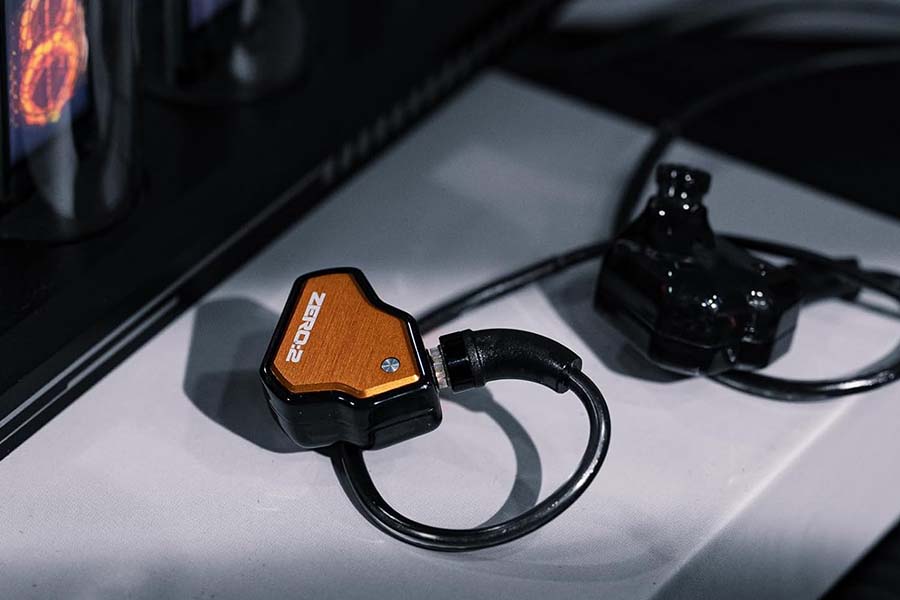
It’s got a resin + metal design like literally every other IEM on my list and a warm, smooth sound signature that should feel right at home for most listeners. The Zero 2 has plenty of controlled sub-bass rumble whenever I’m listening to hip-hop tracks like “Walkin” by Denzel Curry, while the Zero 2 is able to reproduce a full-bodied sound across the mids and the treble too. With a particularly smooth presence across the 2 kHz - 5 kHz range as well.
All this is to say that this IEM should work well across most genres of music. And since the Zero 2’s shell is considerably more compact than something like the Castor Pro or the Red Lion, I doubt you’re gonna have any complaints with how it fits either. I also love that it comes with both narrow and wide bore (which refers to the diameter of an ear tip’s opening) ear tips for customizing how you want them to sound. Its cable quality is certainly not the best for the price, but all in all, if you want a no-fuss IEM that sounds incredible, this is probably what you’re looking for.
7Hz x Crinacle Zero 2 Specifications:
- Shell material: Resin cavity, Metal cover
- Detachable cable: Yes
- Connector pin: 2-pin (0.78 mm)
- Plug type: 3.5 mm / USB-C
- Driver configuration: Single (1x 10 mm dynamic driver)
- Frequency response: 10 Hz - 20,000 Hz
- Impedance: 32Ω
- Sensitivity: 108 dB / Vrms @ 1 kHz
- 7Hz x Crinacle Zero 2 Price in Nepal:
- 3.5 mm: NPR 4,500
- USB-C: NPR 5,000
Summary list of the best IEM under NPR 5000 in Nepal
| S. No. | Best IEM under NPR 5000 in Nepal | Price |
| 1 | 7Hz x Crinacle Zero 2 | NPR 4,500 |
| 2 | Tangzu Waner SG 2 Red Lion | NPR 4,600 |
| 3 | KZ Castor Pro (Harman Target) | NPR 3,500 |
| KZ Castor Pro (Improved Bass) | NPR 4,000 | |
| 4 | KZ EDX Pro 2 | NPR 2,600 |
| 5 | GK Kunten | NPR 2,500 |
You might also be interested in:
Article Last updated: September 17, 2026