Why Trust Gadgetbyte?
At Gadgetbyte, we invest substantial hours into rigorously testing each product or service we review, guaranteeing that you make informed purchases. Learn more about our testing process.
Review Overview
4
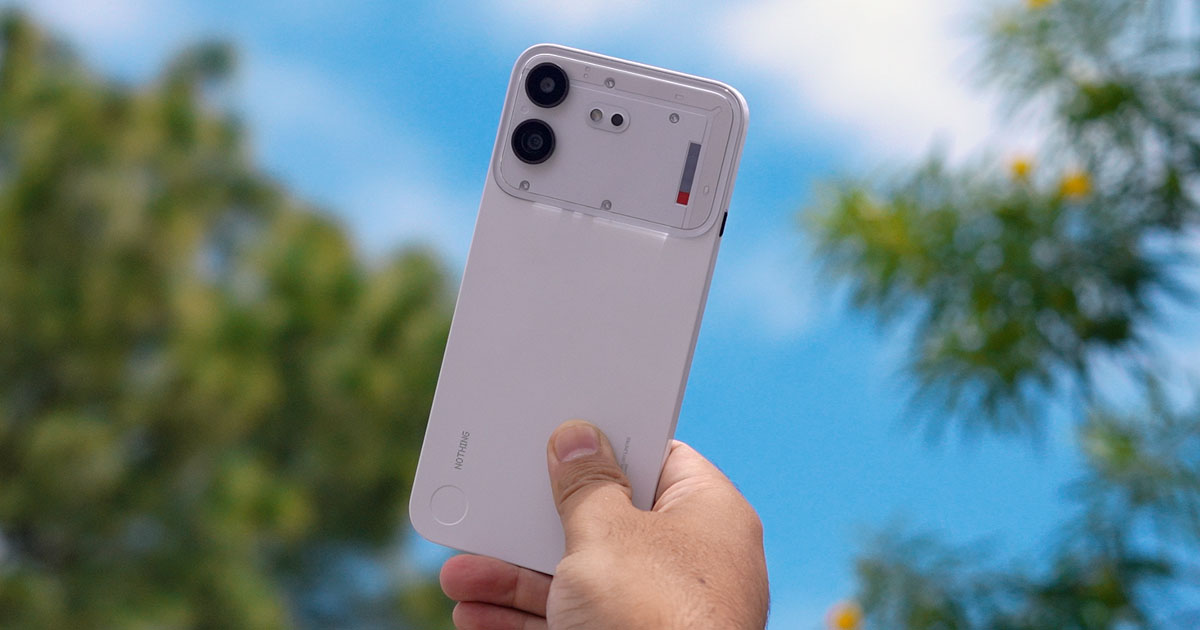
After using the Phone 4(b), I think it is mainly designed for people who care more about clean software, everyday smoothness, battery life, and design than raw specifications. The biggest reason I enjoyed using this phone was Nothing OS. Even though the Phone 4(b) uses a relatively modest Snapdragon 6-series processor, I found the overall experience impressively smooth and responsive.
Design and Build
8/10
Display
8.5/10
Software & UI
9/10
Performance
8/10
Audio and Haptics
7/10
Back Camera
8/10
Front Camera
8/10
Battery and Charging
8/10
The Nothing Phone 4(b) is positioned as the more affordable sibling of the Phone 4(a). But there is a price difference of just NPR 5,000. So, the real question is: should you save 5,000 and get the Nothing Phone 4(b), or spend a little more for the Phone 4(a)?
I have been testing both phones side by side for more than a week, and I found the Phone 4(b) to be a very interesting device. It makes several hardware compromises compared to the Phone 4(a), but it also delivers one of the smoothest software experiences I have seen in this segment. So is the Nothing Phone 4(b) worth buying over Nothing Phone 4(a) in 2026? Let me explain in this complete review.
Nothing Phone 4(b) Vs 4(a) Price Comparison
| Model | Configuration | Price in Nepal | Price in India |
|---|---|---|---|
| Nothing Phone 4(b) | 8GB/128GB | NPR 59,999 | INR 34,999 |
| Nothing Phone 4(a) | 8GB/128GB | NPR 64,999 | INR 41,999 |
Note: During the pre-booking period in Nepal, Nothing is also offering the CMF Buds 2a, worth around NPR 5,000, for free with the Phone 4(b).


Nothing Phone 4(b) Specifications
- Design and build: Glass front, plastic frame and plastic back, IP64 rating
- Dimensions: 164.4 × 78.2 × 8.6 mm
- Weight: 210 grams
- Display: 6.77-inch 120Hz AMOLED, FHD+ resolution, refresh rate, 1,200 nits HBM
- Protection: Dragontail Pro Glass
- Chipset: Qualcomm Snapdragon 6 Gen 4 5G (4nm)
- Memory: 8GB RAM with 128GB or 256GB UFS 2.2 storage; no microSD card support
- Software and UI: Android 16 with Nothing OS 4.1; three major Android OS upgrades
- Rear cameras: 50MP f/1.8 primary camera with OIS + 8MP 120° ultrawide camera
- Front camera: 16MP f/2.4
- Security: Optical in-display fingerprint sensor
- Audio: Stereo speakers; no 3.5mm headphone jack
- Connectivity: Dual-SIM 5G, Wi-Fi 6, Bluetooth 6.0, NFC, GPS and USB Type-C 2.0
- Battery: 6,000mAh in ndia; 5,200mAh in international markets
- Charging: 33W wired charging and 7.5W reverse wired charging
Design and Build Quality
I like the design of the Nothing Phone 4(b), although it is not as eye-catching as the Phone 4(a). The Phone 4(a) is clearly the flashier-looking device. There is more going on at the back, and I think it has more personality when the two phones are placed side by side.
The Phone 4(b), on the other hand, looks cleaner, simpler, and more minimal. Personally, I appreciate this understated appearance. I can understand why some people may prefer it over the more attention-grabbing Phone 4(a). However, if I had to choose purely based on design, I would still pick the Phone 4(a). It feels more distinctive and looks more like a proper Nothing phone.
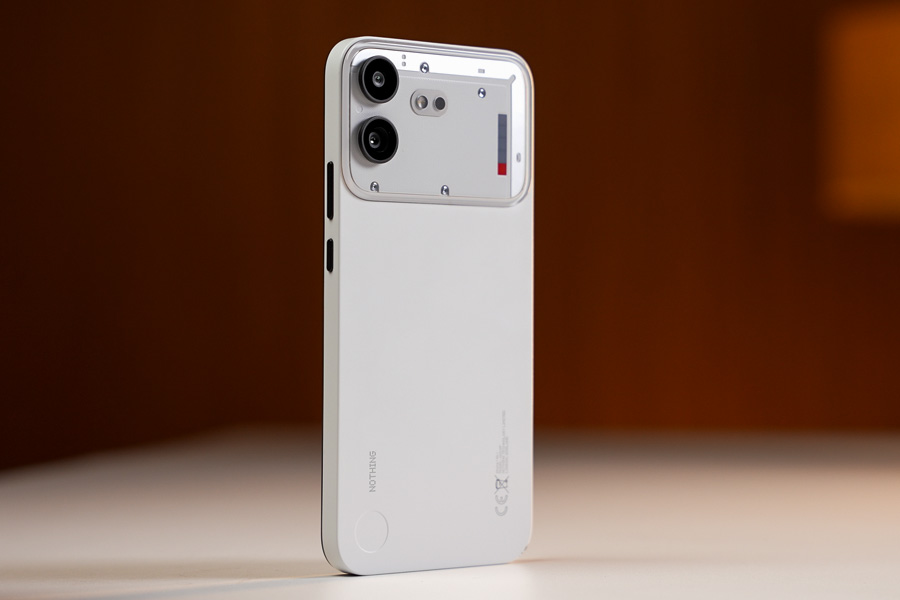
Both phones use plastic frames, so neither gave me a truly premium flagship-like feel. Still, I found the Phone 4(a) slightly more solid and robust in the hand. The Phone 4(b) feels a little more plasticky, especially around the back panel.
I also noticed that the bezels are a little thicker on the Phone 4(b), especially around the bottom chin. It is not a major issue during everyday use, but the Phone 4(a) looks more refined from the front.
For durability, both phones come with an IP64 dust and water-resistance rating. I think this is fine for light rain, accidental splashes, and everyday protection. However, I would still be careful around water because neither phone is designed for underwater use.
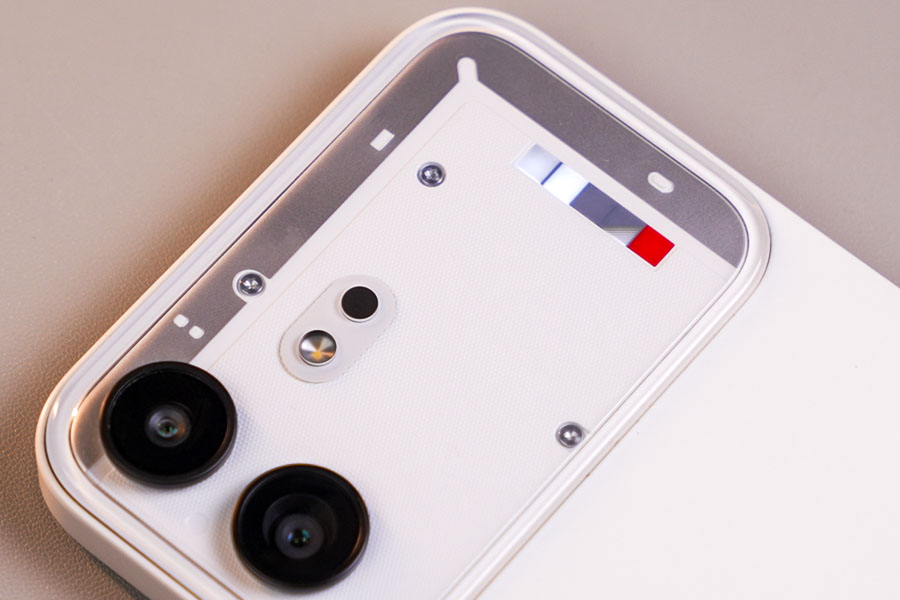
The Glyph lighting system is also available on the Phone 4(b). At first, I thought the Glyph interface might be more of a design gimmick. But after using Nothing phones for a while, I have genuinely found it useful for notifications, charging indicators, timers, and a few customizable functions.
Display
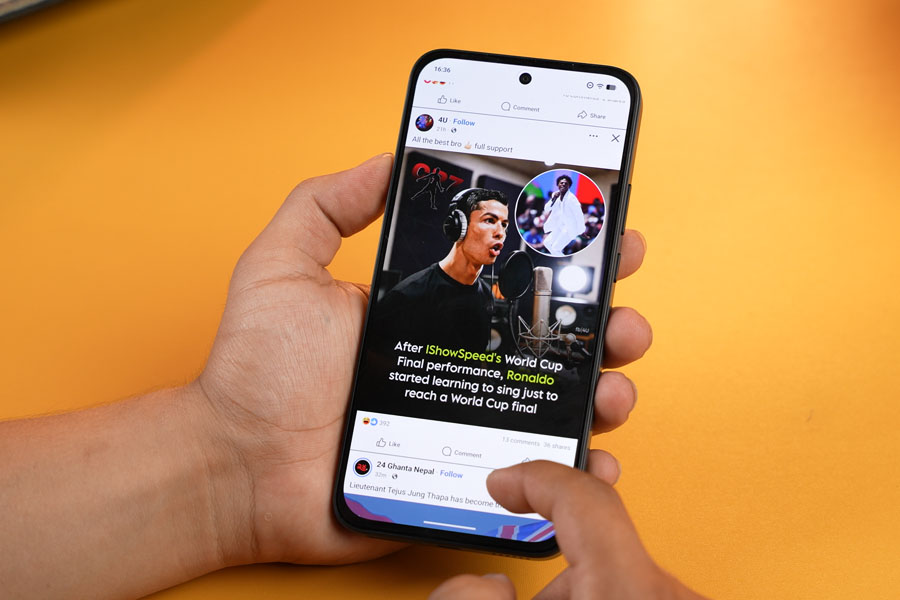
I really liked the display on the Nothing Phone 4(b). It is an AMOLED panel with good colours, excellent touch response, and smooth scrolling. Whether I was browsing social media, reading articles, watching videos, or simply navigating through the interface, the screen felt fast and responsive.
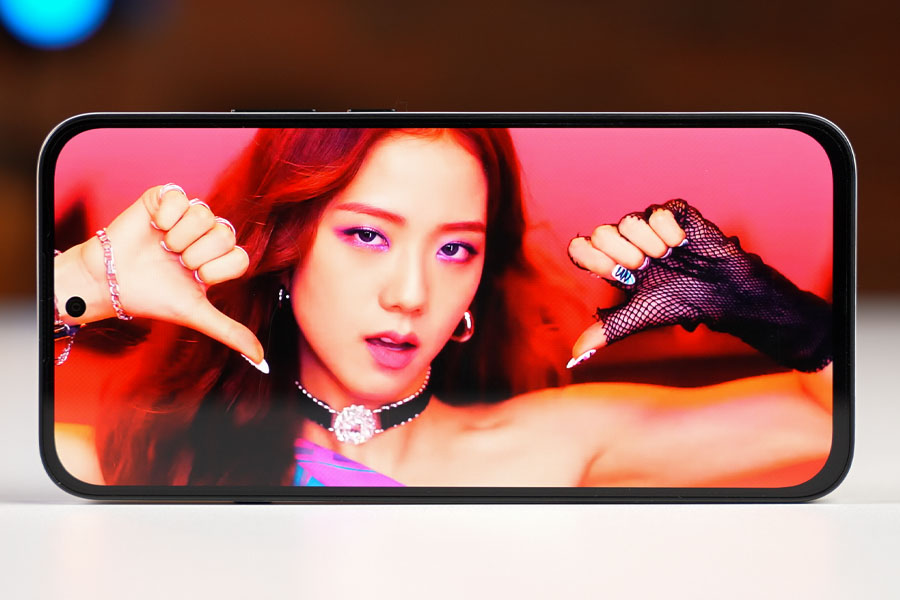
I also found the brightness more than sufficient for regular everyday use. Even outdoors, I could use the phone without much difficulty. However, the Phone 4(a) does get noticeably brighter because of its higher HBM brightness.
Under direct sunlight, I found the Phone 4(a) easier to see. Likewise, the Phone 4(a) also has slightly higher pixel density, so text and images look a little sharper when I compare the two phones side by side.
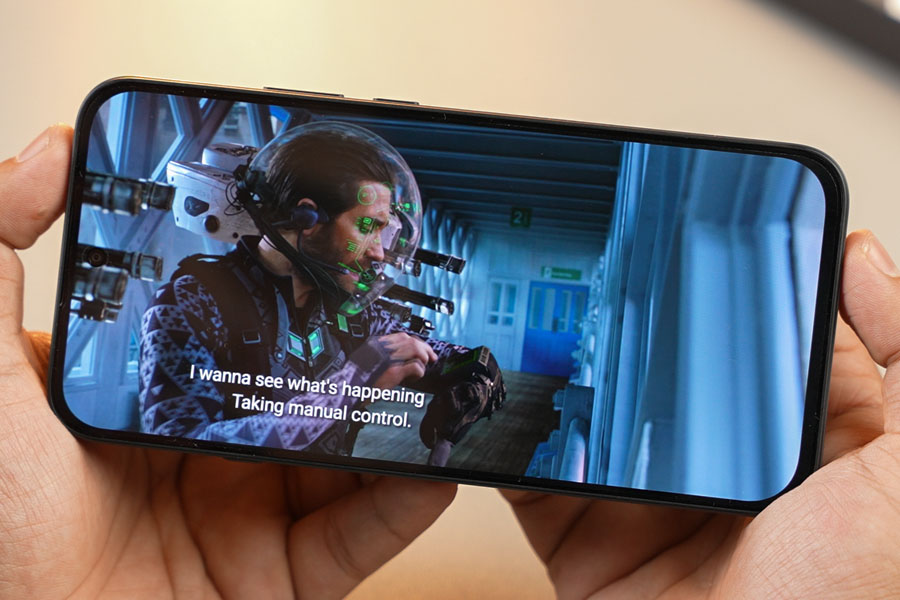
The Phone 4(a) also uses Gorilla Glass 7i, whereas the Phone 4(b) relies on Dragontrail glass. That said, I do not think these are major differences during normal use. At no point did I feel that the Phone 4(b) had a poor or inferior display. I found it bright, colourful, responsive, and enjoyable to use.
One thing, however, I did not like on both phones is the lack of HDR10 playback support on Netflix and other major OTT platforms.
Speakers and Haptics
The speaker quality is one area where I was not particularly impressed with the Phone 4(b). The stereo speakers are loud enough while watching videos, and phone calls. However, I found the overall sound slightly flat, with limited depth and clarity.
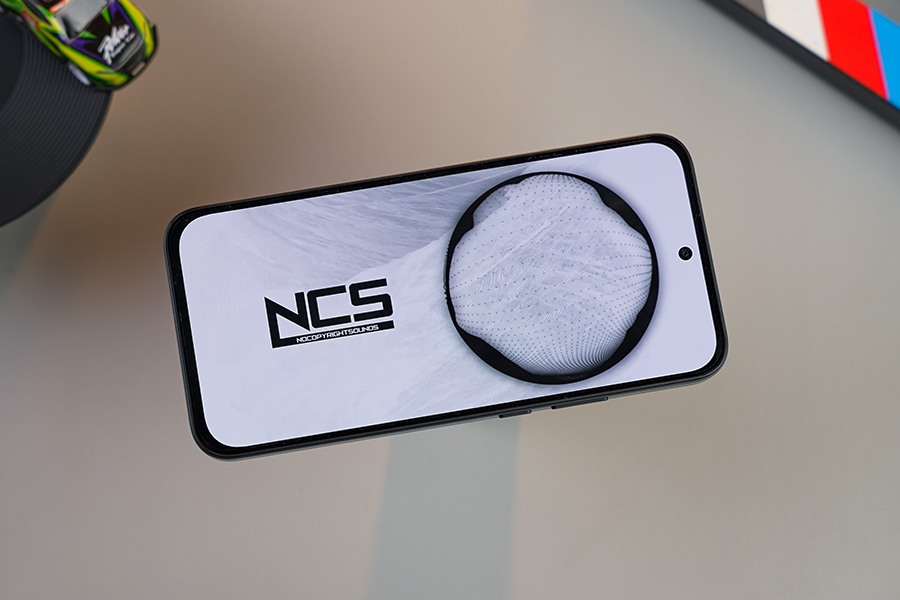
The Phone 4(a) is not extraordinary either, but I think it sounds slightly cleaner. While watching movies, I noticed better vocal clarity and a somewhat wider soundstage on the Phone 4(a).
I also preferred the haptics on the Phone 4(a). The vibration motor feels stronger and more precise, so typing and navigating through the interface feel more satisfying. The Phone 4(b)’s haptics are not terrible, but they feel less refined. I noticed the difference immediately while typing on both phones side by side.
Software Experience
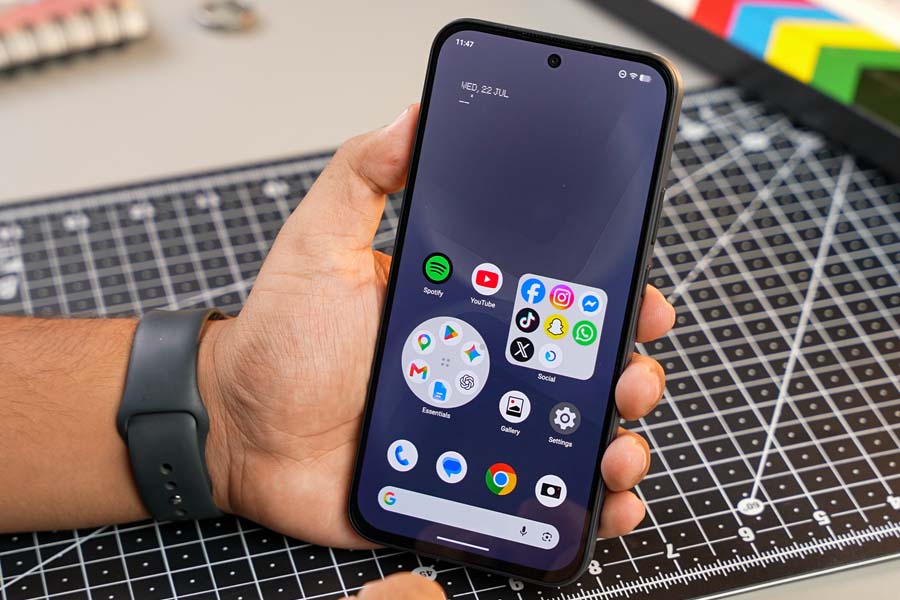
Software is easily my favourite part of the Nothing Phone 4(b). Nothing OS feels clean, smooth, thoughtfully designed, and extremely well optimized. I liked the fact that the interface does not feel cluttered with unnecessary applications or excessive customization options.
The animations are smooth, the design language feels consistent, and all the visual elements seem properly integrated. I particularly enjoyed Nothing’s widgets, lock-screen customization, Essential Space features, monochrome icons, and fluid system animations.
Before testing the Phone 4(b), I honestly expected it to feel slightly sluggish because it uses a Snapdragon 6-series processor.
I had recently tested the Galaxy A27, which uses the Snapdragon 6 Gen 3, and I did not find its performance particularly impressive. The Nothing Phone 4(b), powered by the newer Snapdragon 6 Gen 4, felt noticeably faster and smoother to me.
I found that surprising because it shows how much difference software optimization can make. A phone does not always need the most powerful processor to feel fast.
Performance
I do not think the Nothing Phone 4(b) is a performance-focused smartphone, but its everyday performance is better than its specifications might suggest.
Apps opened quickly, scrolling remained smooth, and multitasking was generally reliable during my testing.
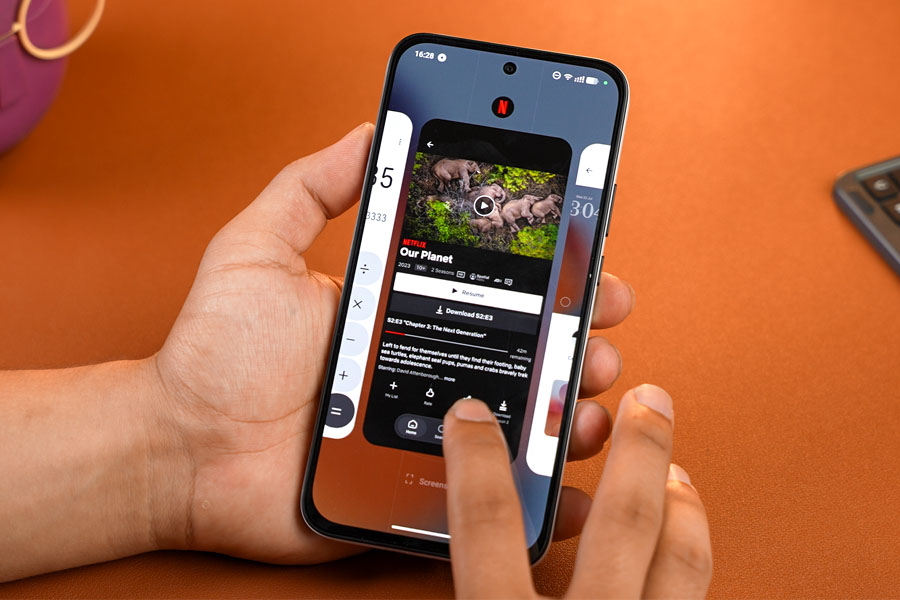
I rarely encountered noticeable lag or major stutters in regular use. The Phone 4(a), with its more powerful Snapdragon 7-series processor, is still slightly faster.
I noticed the difference mainly during heavier multitasking. For example, when I was on a video call while browsing through the gallery or rapidly switching between multiple applications, the Phone 4(a) felt a little more responsive. However, I would not call the difference massive. For most users, I think the Phone 4(b) will feel perfectly fast enough.
Gaming
Gaming performance is fairly similar on the Phone 4(a) and Phone 4(b). I do not consider either phone to be a proper gaming device. Both deliver average performance in demanding games, and I would not recommend buying either of them primarily for gaming.
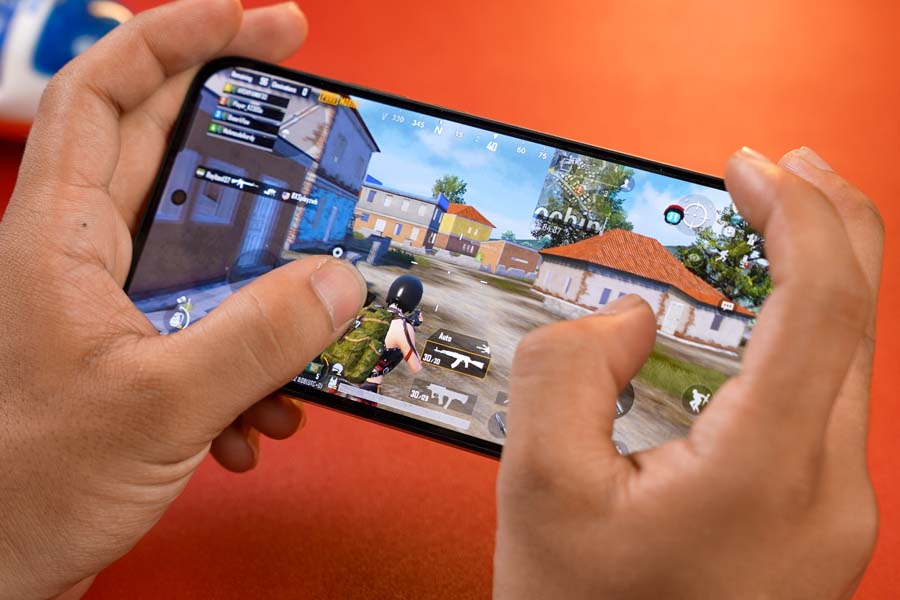
The Phone 4(a) provides slightly better stability and fps in some titles, but I did not notice a dramatic difference. Casual games run comfortably on the Phone 4(b), while heavier games are playable at moderate graphics settings. For occasional gaming, I think the Phone 4(b) is fine. However, if gaming is your main priority, I would look for a phones like the Poco X8 Pro and Infinix GT 30 Pro with a more powerful processor and better thermal management.
Camera
The camera system is where I think Nothing has made the biggest compromises on the Phone 4(b). The Phone 4(a) comes with an additional 50MP 3.5x optical telephoto camera, while the Phone 4(b) only has a primary and an ultrawide camera.
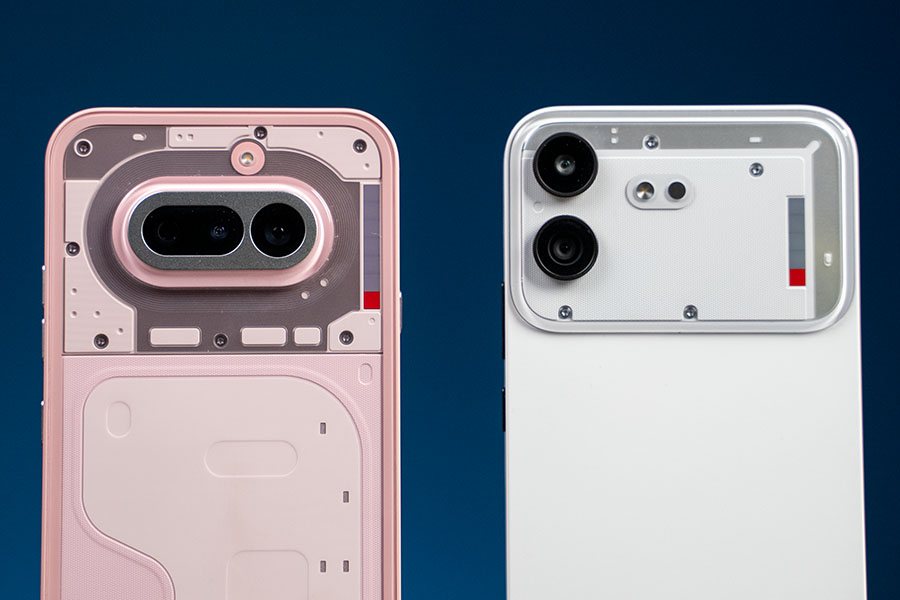
And it is not just the missing telephoto lens. The main camera hardware has also been downgraded. The Phone 4(a) uses a larger primary sensor with a wider 24mm-equivalent focal length. The Phone 4(b), meanwhile, uses a smaller sensor with a tighter 28mm-equivalent focal length. The selfie camera has also been downgraded from a 32MP sensor on the Phone 4(a) to a 16MP unit on the Phone 4(b).
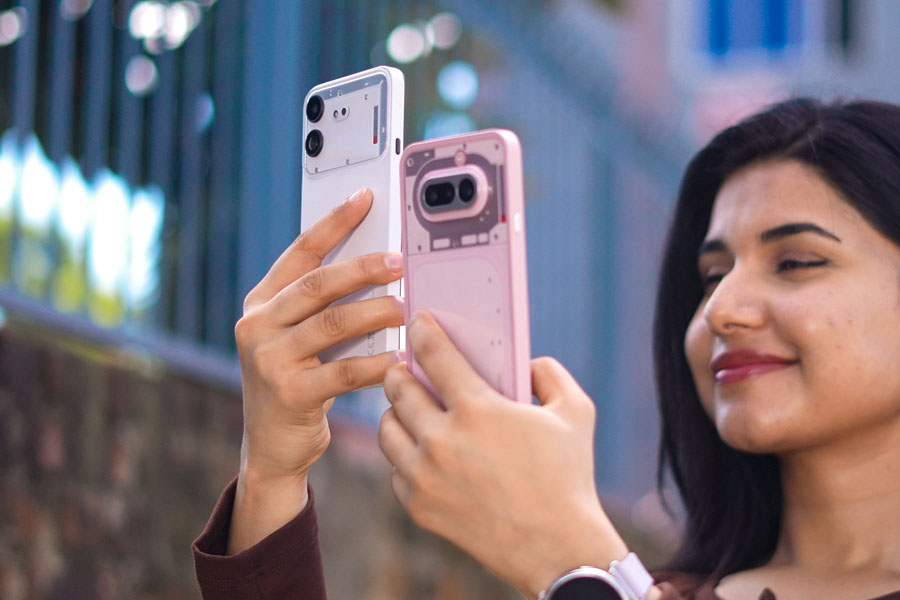
However, I was pleasantly surprised by the actual camera output from the Phone 4(b), especially during the daytime.
Daytime Camera
During the daytime, I found the main camera on the Nothing Phone 4(b) surprisingly good. Photos generally had pleasing colours, respectable dynamic range, and enough detail for social media and everyday photography.
I also liked Nothing’s image processing. The photos did not look excessively saturated or unnaturally sharpened. The overall look was fairly balanced and realistic.
The Phone 4(a) still performs better. Its larger sensor captures slightly better dynamic range, and its wider focal length allows me to include more of the scene.
However, under good lighting, I did not find the difference enormous. For casual photography, social media, and everyday memories, I think the Phone 4(b)’s main camera is perfectly usable. It may not be the best camera phone in its segment, but I was satisfied with its daytime results.
Ultrawide Camera
The ultrawide camera on the Phone 4(b) also produced acceptable results during the daytime. It is not as wide as the ultrawide camera on the Phone 4(a), but I still found it useful for landscapes, buildings, group shots, and situations where I needed a wider perspective.
However, I noticed that details became softer around the edges, and the dynamic range was not as strong as the main camera. This is quite common among mid-range ultrawide cameras, so I was not particularly surprised.
Overall, I think the ultrawide camera is usable, but I would not rely on it in low-light conditions.
Low-Light Camera
The limitations of the smaller primary sensor became much more noticeable when I started taking photos in low light. In darker environments, I noticed more noise, softer details, and weaker overall clarity from the Phone 4(b). The Phone 4(a) clearly performed better in these conditions.
Its larger sensor produced cleaner photos with better exposure, improved highlight control, and more visible detail. The Phone 4(b) can still capture usable nighttime photos when there are enough artificial light sources.
Portraits
The 2X Portrait photos from the Nothing Phone 4(b) were better than I expected. I liked the way it handled skin tones, and the dynamic range was generally good. Subject separation also looked fairly natural, and edge detection was mostly reliable.
However, the Phone 4(a) is significantly better for portrait photography. Its dedicated 3.5x telephoto camera produces more natural facial proportions, better background compression, and considerably more detail.
Zoom Photography
When it comes to zoom photography, I do not think there is much competition between these two phones. The Phone 4(a) uses a dedicated 3.5x optical telephoto camera, while the Phone 4(b) depends on digital cropping from its primary sensor.
Selfie Camera
The 16MP selfie camera on the Phone 4(b) produced acceptable results during the daytime. I found the skin tones pleasant, facial details sufficient, and dynamic range respectable for social media use. The Phone 4(a)’s 32MP selfie camera offers more detail and slightly better overall image quality.
Video Recording
The Nothing Phone 4(b) can record up to 4K video using its primary camera. I found the footage decent for a mid-range smartphone. Colours looked pleasing, detail levels were respectable, and stabilization was usable while walking slowly.
The Phone 4(a) offers slightly better stabilization and generally cleaner footage, but the difference is not dramatic.
Unfortunately, both the ultrawide and selfie cameras are limited to 1080p recording. At this price point, I think that limitation is disappointing.
Battery Life
Battery life is one of the strongest aspects of the Nothing Phone 4(b). It comes with a massive 5,200mAh battery, while the Phone 4(a) has a smaller 5,000mAh unit. During my testing, the Phone 4(a) generally delivered between six and seven hours of screen-on time. The Phone 4(b), on the other hand, consistently gave me around seven to eight hours of screen-on time.
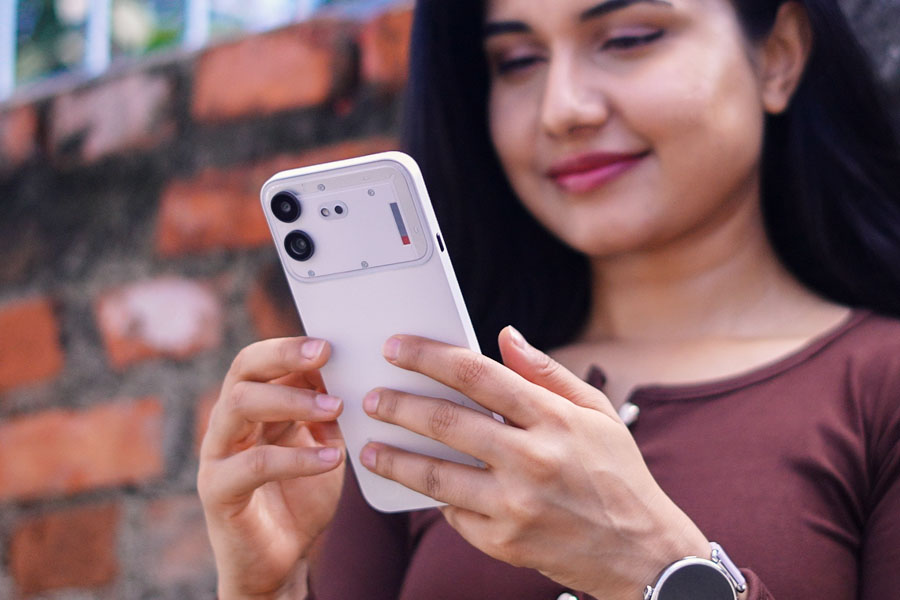
Even with relatively heavy use, the Phone 4(b) comfortably lasted me through an entire day. With lighter usage, I think many users could extend it into the second day.
Charging
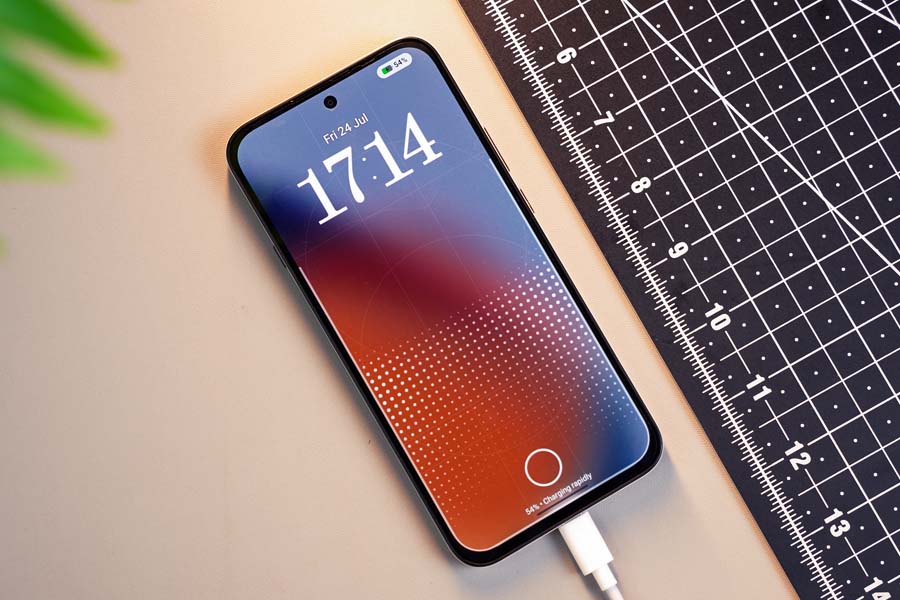
The Phone 4(b)’s large battery comes with one major trade-off: slower charging. It only supports 33W wired charging, while the Phone 4(a) supports faster 50W charging. Since the Phone 4(b) has both a larger battery and slower charging, it takes noticeably longer to charge fully.
Conclusion
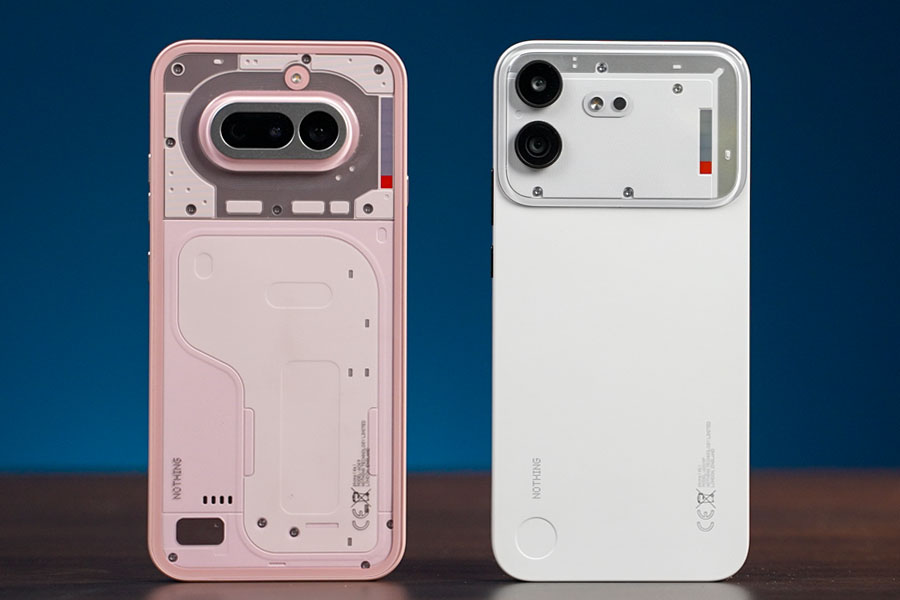
I think it is clear that there are quite a lot of differences between the Nothing Phone 4(a) and the Phone 4(b). Even so, I still think both are among the better mid-range smartphones you can buy in 2026.
In an alternate universe where RAM and storage chip prices had not increased, I think the Phone 4(a) could have been priced at around NPR 50,000, while the Phone 4(b) could have cost approximately NPR 40,000. At those prices, both phones would have been much easier to recommend. However, the market has changed, and we have to judge these devices based on the current reality.
For me, the main reason to consider either phone is the software experience. Nothing OS is exceptionally well optimized. I like the attention given to smaller details, including Essential Space, the widgets, system animations, and the overall fluidity of the interface.
The software feels polished, cohesive, and thoughtfully designed. But if you ask me which of the two phones offers better value, I would choose the Phone 4(a). By spending just NPR 5,000 more, you get a significantly better overall package.
I prefer the design of the Phone 4(a), its display is brighter and slightly sharper, the haptics are stronger, performance is slightly better, charging is faster, and the camera system is considerably more versatile. Most importantly, I think the Phone 4(a)’s 3.5x telephoto camera is excellent for portraits. For anyone who enjoys portrait or zoom photography, that camera alone makes the additional NPR 5,000 worth paying.
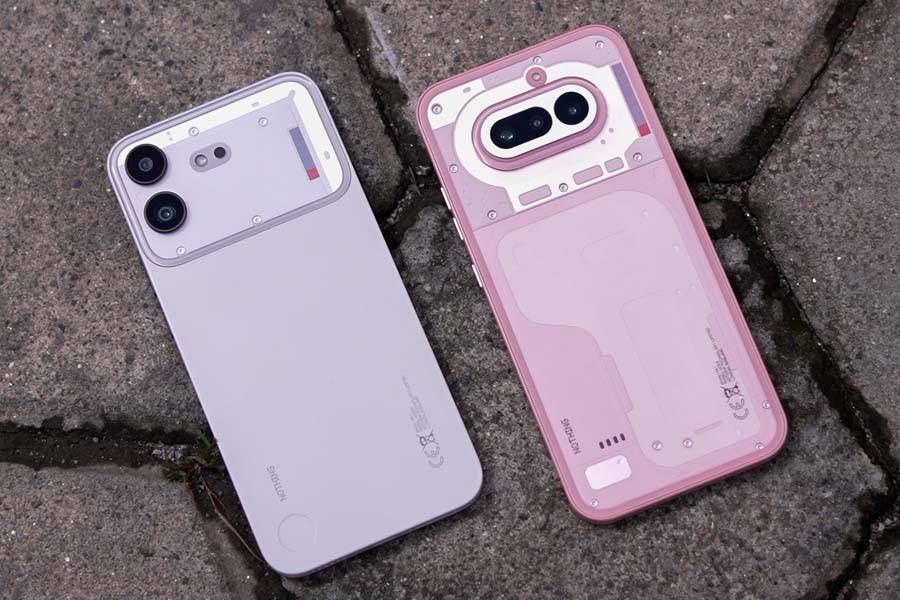
At the same time, the Phone 4(b) can still make sense for certain buyers. If your budget is slightly tight and you also need a pair of wireless earbuds, the free CMF Buds 2a pre-booking offer improves the overall value of the Phone 4(b).
With that offer included, I think the Phone 4(b) becomes a reasonable package for someone who prioritizes clean software, excellent battery life, and a smooth everyday experience. So, if you are getting the Phone 4(b) with the free CMF earbuds worth Rs. 6000, I think the deal makes sense. Otherwise, in my opinion, the Nothing Phone 4(a) is the much better value.
Pros
- Exceptionally clean and smooth Nothing OS
- Excellent software optimization
- Responsive AMOLED display
- Reliable seven to eight hours of screen-on time
- Good daytime photos from the main camera
- Clean and minimal design
- Free CMF Buds 2a during the pre-booking offer
Cons
- No dedicated telephoto camera
- Average speaker quality
- No HDR10 playback support on major OTT platforms
- Only IP64 dust and splash resistance
Article Last updated: August 2, 2026