Why Trust Gadgetbyte?
At Gadgetbyte, we invest substantial hours into rigorously testing each product or service we review, guaranteeing that you make informed purchases. Learn more about our testing process.
Review Overview
3.8
Design & Build
8/10
Display
7.5/10
Software
7.5/10
Performance
7/10
Speaker & Haptics
7.5/10
Back Camera
7/10
Front Camera
7/10
Battery & Charging
9.5/10
The Redmi 17 series delivers excellent battery life and a smooth 120Hz experience, but the HD+ display feels like an unnecessary downgrade. While the regular Redmi 17 is good enough for basic everyday use, the Redmi 17 5G is the much stronger package thanks to its faster processor, and 5G connectivity. For just NPR 6,000 more, the 5G model offers noticeably better long-term value.
Redmi phones are currently among the most popular smartphones in Nepal, and Xiaomi has now added two new budget options to its lineup, the Redmi 17 and Redmi 17 5G. After using both phones for about a week, I have developed a bit of a love-hate relationship with them.
The Redmi 17 starts at NPR 28,000 for the 4GB/128GB variant, while the Redmi 17 5G starts at NPR 34,000 for the same configuration. They look very similar and share several specifications, but the difference in performance between them is much bigger than their appearance suggests.


Redmi 17 and Redmi 17 5G Specifications
| Specs | Redmi 17 | Redmi 17 5G |
| Display | 6.9-inch LCD, 120Hz refresh rate, up to 825 nits peak brightness, HD+ | 6.9-inch LCD, 120Hz refresh rate, up to 825 nits peak brightness, HD+ |
| Protection | Corning Gorilla Glass 7i | Corning Gorilla Glass 7i |
| IP Rating | IP64 dust and splash resistance | IP64 dust and splash resistance |
| Chipset | MediaTek Helio G91-Ultra, 12nm | Snapdragon 4 Gen 5, 4nm |
| Memory | Up to 6GB LPDDR4X RAM, up to 256GB storage | Up to 6GB LPDDR4X RAM, up to 256GB storage, microSD expansion |
| Software | HyperOS 3 based on Android 16 | HyperOS 3 based on Android 16 |
| Rear Camera | 50MP main + auxiliary lens | 50MP main + auxiliary lens |
| Front Camera | 8MP hole-punch camera | 8MP hole-punch camera |
| Speakers | Stereo Speaker | Stereo Speaker |
| Security | Side-mounted fingerprint sensor | Side-mounted fingerprint sensor |
| Connectivity | Dual-SIM, Wi-Fi 5, Bluetooth 5.1, USB-C | Dual-SIM, 5G, Wi-Fi 5, Bluetooth 5.1, USB-C |
| Battery | 7,500mAh | 7,500mAh |
| Charging | 45W wired charging | 45W wired charging |
| Colors | Black, Deep Blue, Lotus Purple, Oak Green | Black, Deep Blue, Vivid Orange |
| Price | Starts from NPR 27,999 (4/128GB) | Starts from NPR 33,999 (4/128GB) |
Unboxing
Starting with the unboxing experience, both the Redmi 17 and Redmi 17 5G come with pretty much everything you need inside the box.
You get a 45W charger, a USB Type-A to Type-C cable, a transparent hard-shell plastic case, and the SIM ejector tool. And honestly, getting a charger inside the box is becoming increasingly rare these days, so it's nice to see Xiaomi still including one here.
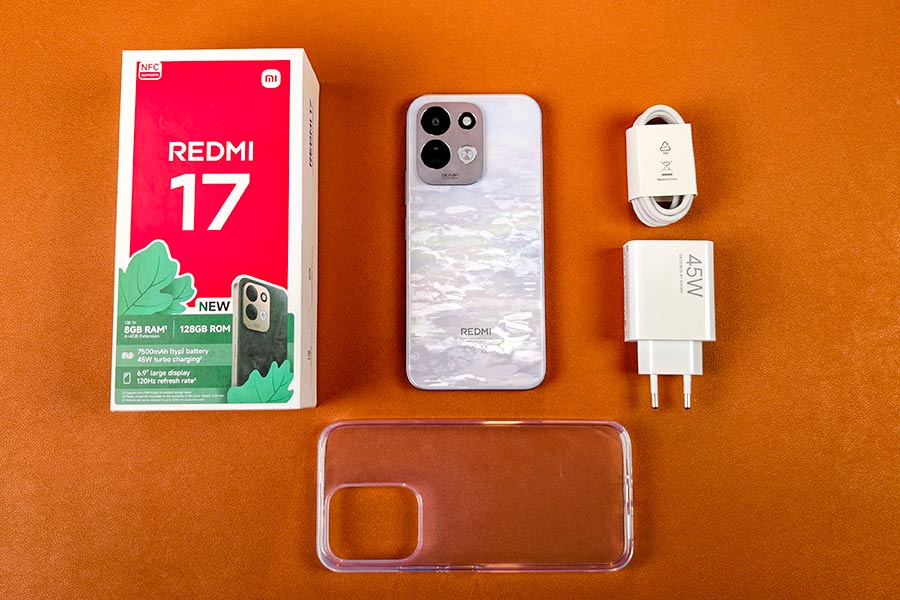
More importantly, having the charger included means you don't have to spend extra money buying one separately. It's a small thing, but for buyers on a budget, getting everything you need right inside the box can save you some money.
Design and Build
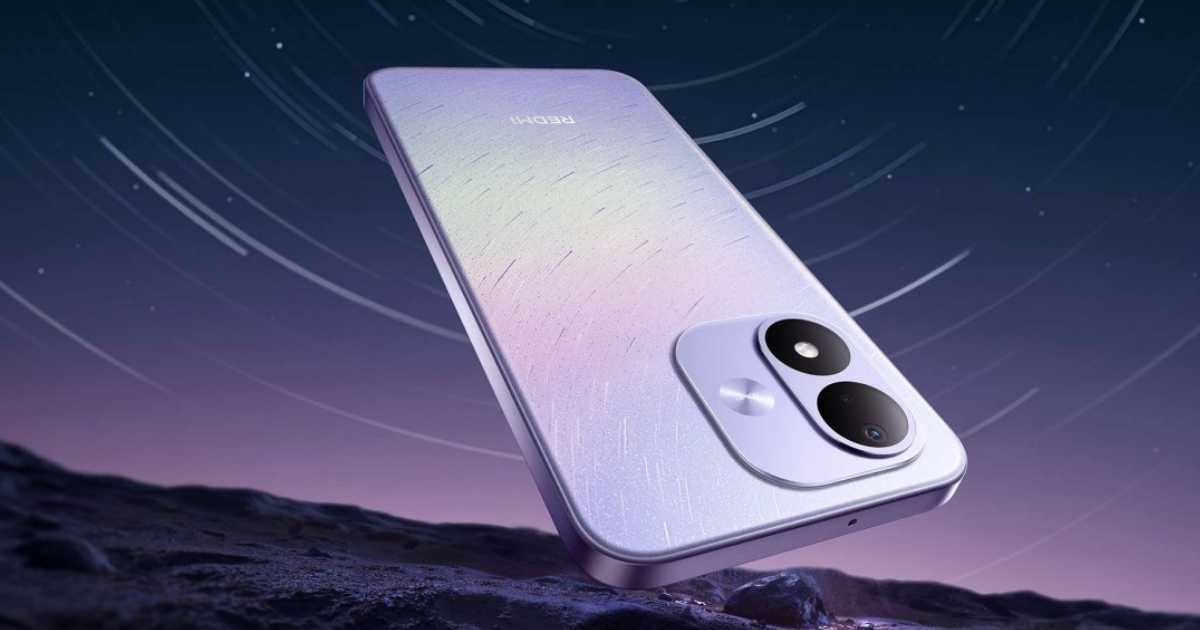
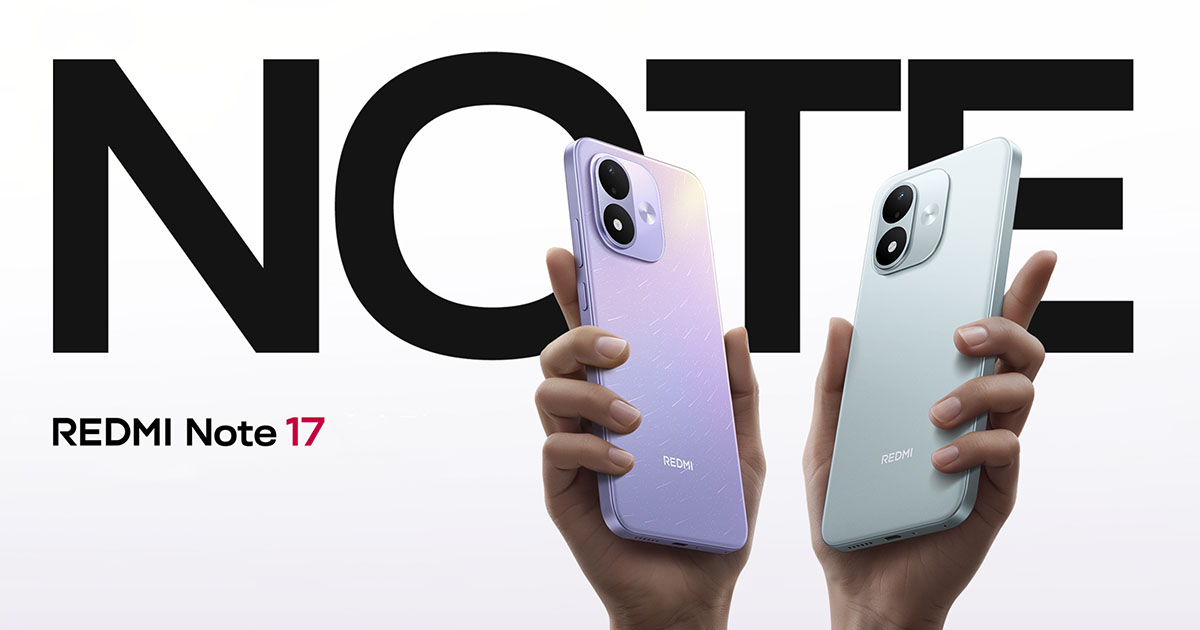
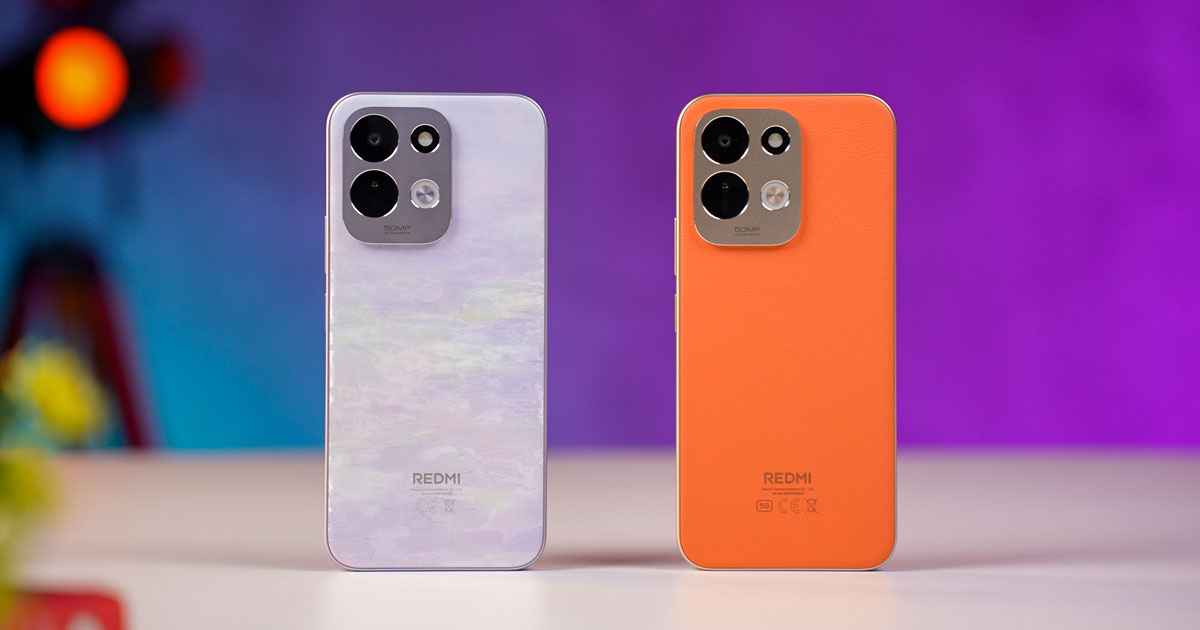
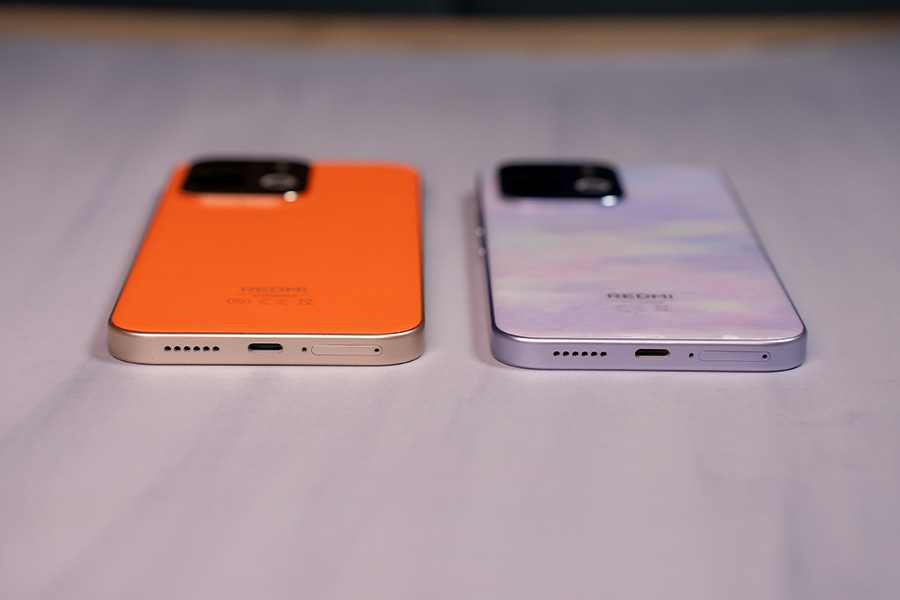
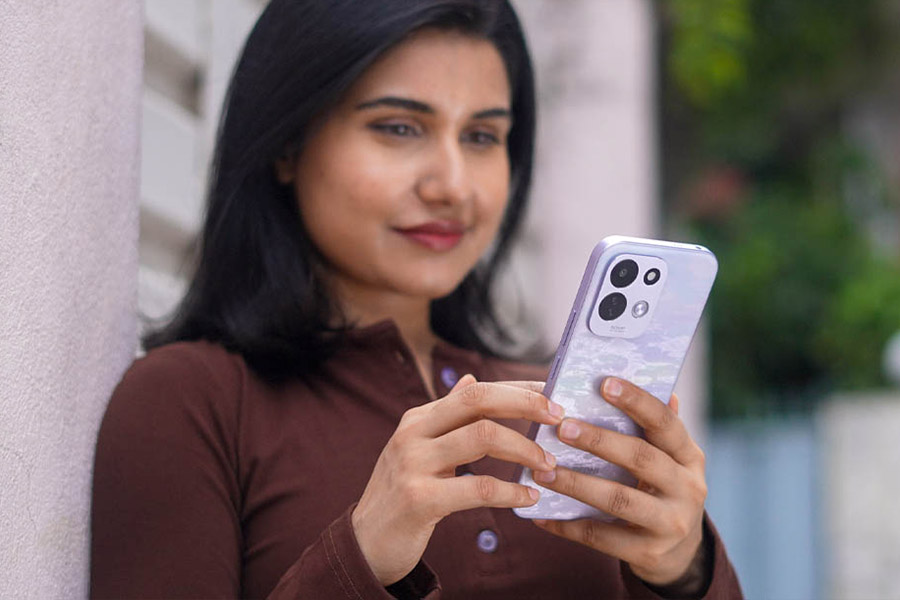
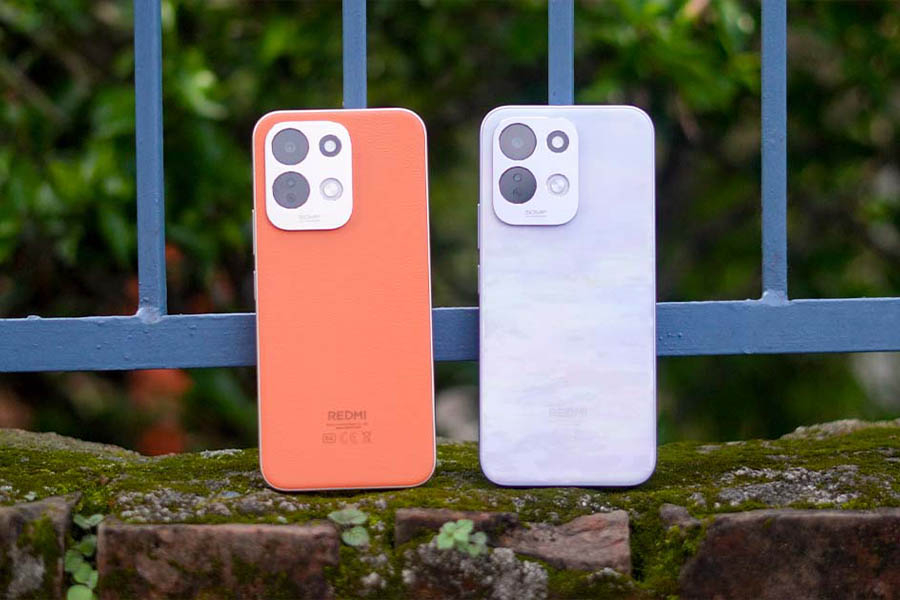
Now, talking about the design, the Redmi 17 and Redmi 17 5G are almost impossible to tell apart at first glance. The camera positioning, camera layout, camera module, frame, and overall shape are basically the same on both phones. The easiest way to tell them apart is actually the back finish, with the regular Redmi 17 using a plastic back in Black, Deep Blue, Lotus Purple, and Oak Green, while the 5G version comes in Black, Deep Blue, and Vivid Orange. The Lotus Purple variant I have has this marble-like finish that reminds me of a marble countertop, while the Vivid Orange 5G gets an eco-leather back that looks and feels a little more premium, with a texture almost like an orange peel.
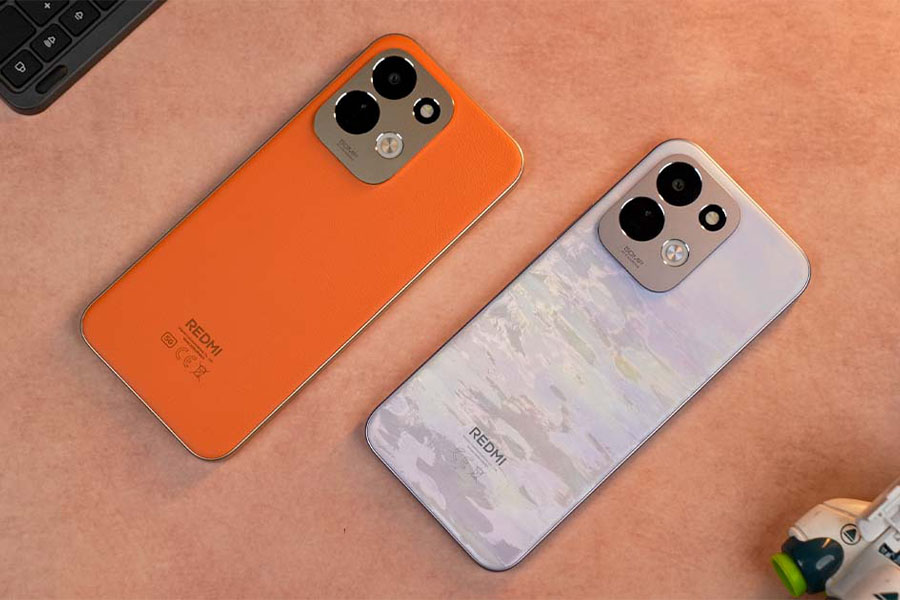
For such a big phone, the grip is actually quite decent. The flat frame gives you a solid area to hold, and I didn't find the sides uncomfortable during normal use. But you do feel the size when using it for longer periods. One-handed use is fine for scrolling or doing quick tasks, but reaching the top of the 6.9-inch display means shifting the phone around in your hand. Both phones weigh around 232 grams, so they are definitely on the heavier side, especially when you're holding them for a long time. Still, considering that both pack a massive 7,500mAh battery, I think the extra weight is a fair trade-off.
The plastic back on the regular Redmi 17 doesn't feel particularly cheap, but the eco-leather finish on the Vivid Orange 5G definitely feels nicer in the hand. Both phones also have a side-mounted fingerprint sensor, which worked reliably for me, although it isn't the fastest. You get IP64 dust and splash resistance as well, along with a 3.5mm headphone jack. So overall, the design is quite practical, and apart from the size and weight, I don't have much to complain about.
Display
Both phones use the same 6.9-inch IPS LCD display with a 120Hz refresh rate. The 120Hz refresh rate makes scrolling through TikTok, Instagram, and other apps feel noticeably smoother, and for regular day-to-day use, the display is perfectly fine. You also get decent colours and up to 825 nits of peak brightness, although under strong sunlight, you will have to squint a little to see everything clearly.
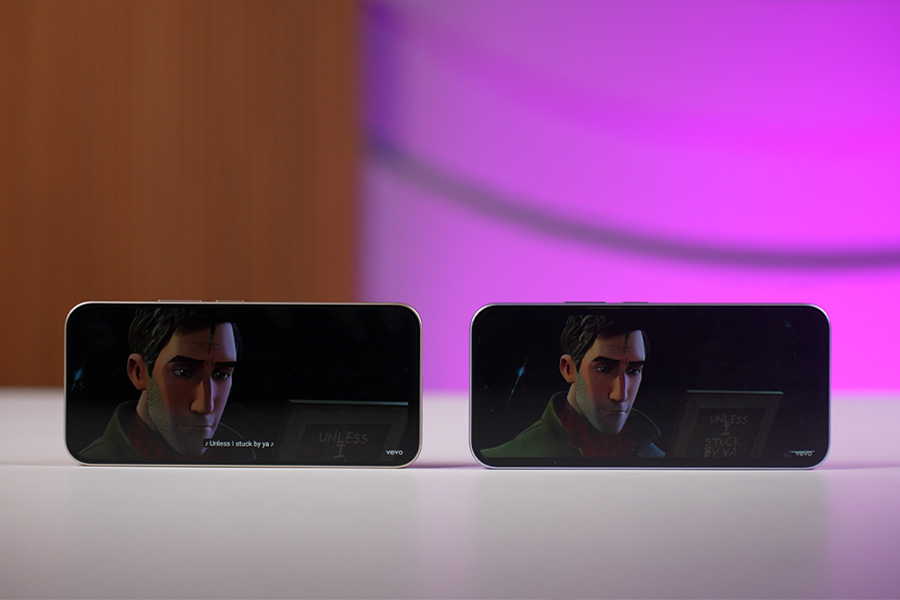
But there is one thing I really don't understand here, the resolution. Both phones use an HD+ panel, while the previous Redmi 15 came with a sharper Full HD+ display. Especially on the Redmi 17 5G at NPR 34,000, I really think Xiaomi should have given us at least a Full HD+ screen. Text and finer details don't look as sharp as they would on a Full HD+ panel, and this is something you can notice if you put the phones next to a sharper display.
You do get Corning Gorilla Glass 7i for protection, which is a nice addition at this price. So, while the display is perfectly usable for social media, YouTube, and casual movie watching, the move to HD+ feels like a step backwards, especially considering the price and the previous generation.
Speaker and Haptics
The speaker quality on both phones is pretty decent for everyday use. Watching TikTok, YouTube, or Instagram Reels is fine, and you can listen to music casually without any major complaints. But don't expect much bass here. The lower frequencies feel a little weak, while vocals and higher frequencies are more forward, so some sounds can get slightly sharp at higher volumes. The Redmi 17 5G is a tiny bit louder, but the difference is not big enough to make it a deciding factor.
The haptics are more average. The vibration feels a little buzzy rather than tight and precise, especially when typing or interacting with the UI. It gets the job done, but if you've used a more expensive phone with better haptics, you will notice the difference pretty quickly.
Performance
This is probably the biggest difference between the two phones. The regular Redmi 17 uses the MediaTek Helio G91-Ultra on a 12nm process, while the Redmi 17 5G gets the Snapdragon 4 Gen 5 built on a much newer 4nm process. And you can feel that difference pretty quickly, especially when you start opening apps, switching between them, or doing anything beyond basic usage.
I also ran both phones through AnTuTu, and the Redmi 17 5G scored almost twice as high as the regular Redmi 17. The difference was even more obvious in the storage test, where the 5G model's storage performance was more than three times faster. You can actually feel some of this outside the benchmarks too, especially when opening apps, loading files, and switching between tasks.
The Redmi 17 4G is fine for things like Facebook, Instagram, TikTok, YouTube, and other everyday tasks, but it starts showing its limits when you push it a little harder. The Redmi 17 5G feels noticeably quicker, with faster app loading and much better overall responsiveness. The storage is also considerably faster on the 5G model, so things like opening apps and moving files feel snappier.
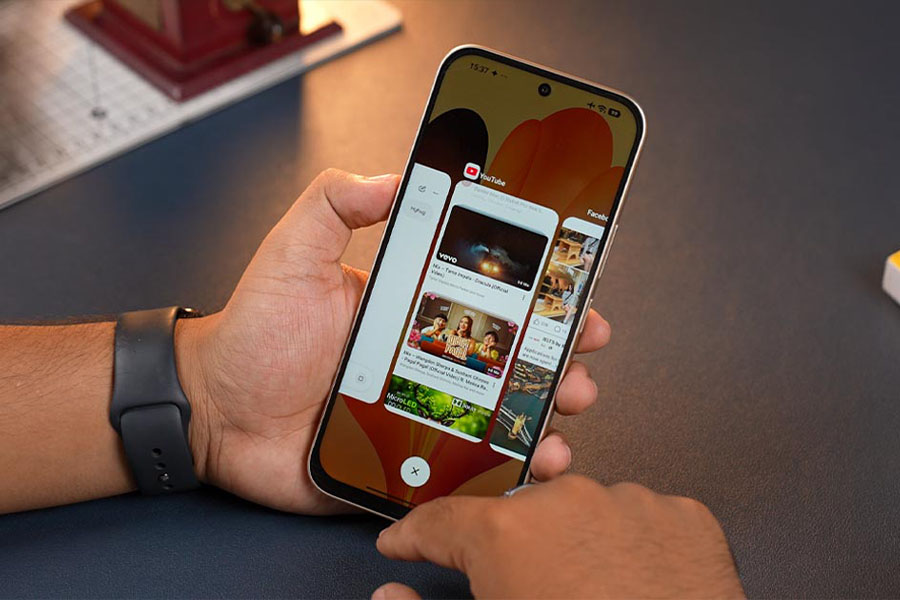
I tested the 4GB RAM versions of both phones, and this is where I noticed some occasional hiccups, especially while jumping between multiple apps. Three to four apps at a time is generally fine, but if you are buying either phone, I would definitely recommend going for the 6GB version if your budget allows it. The extra RAM should make the phone feel more comfortable over the long term.
Gaming
The performance gap becomes even more obvious when you start gaming. The regular Redmi 17 is really meant for lighter games like Subway Surfers and Clash of Clans. Even Free Fire can struggle on lower settings, so I wouldn't recommend this phone if gaming is one of your priorities.

The Redmi 17 5G is a much better option here. Free Fire runs smoothly at medium settings, while PUBG is playable at low settings with some occasional hiccups. So, for casual gaming, the regular Redmi 17 is fine, but if you actually spend time playing games, the Redmi 17 5G is the one I would pick without much hesitation.
Software Experience
Both phones run Xiaomi's HyperOS 3 based on Android 16. The overall experience is pretty decent, but the 4GB RAM versions I tested do show their limitations. You can sometimes notice the animations feeling a bit basic, especially when opening or closing apps. Instead of a smooth transition, it can feel more like the app just fades in and out.
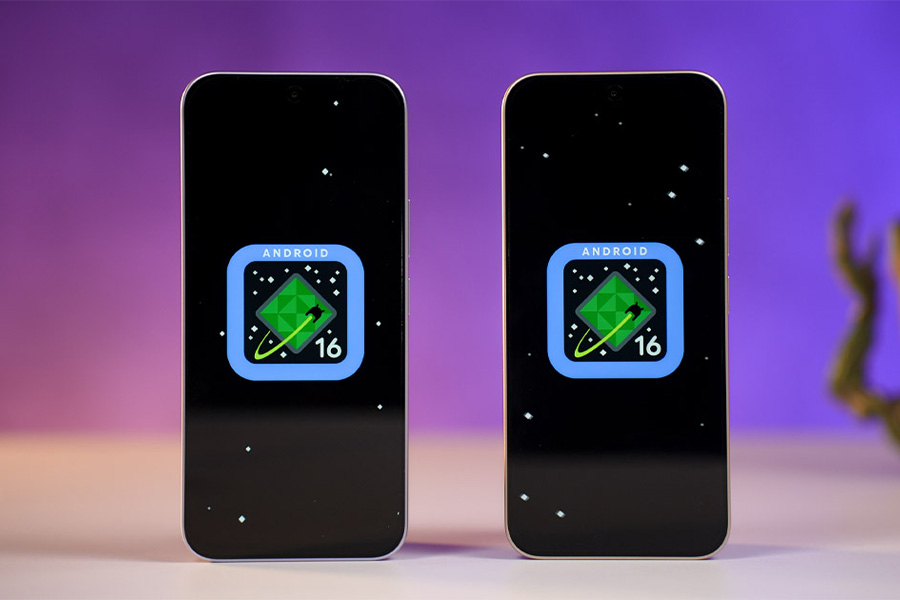
There are also quite a few pre-installed apps, which is still pretty typical for Xiaomi phones. The good thing is that most of them can be uninstalled or disabled, so it's not something you'll have to live with. One thing I found helpful was changing the animation and transition speed from 1x to 0.5x in the developer settings. It makes the phone feel noticeably quicker, especially on the 4GB model.
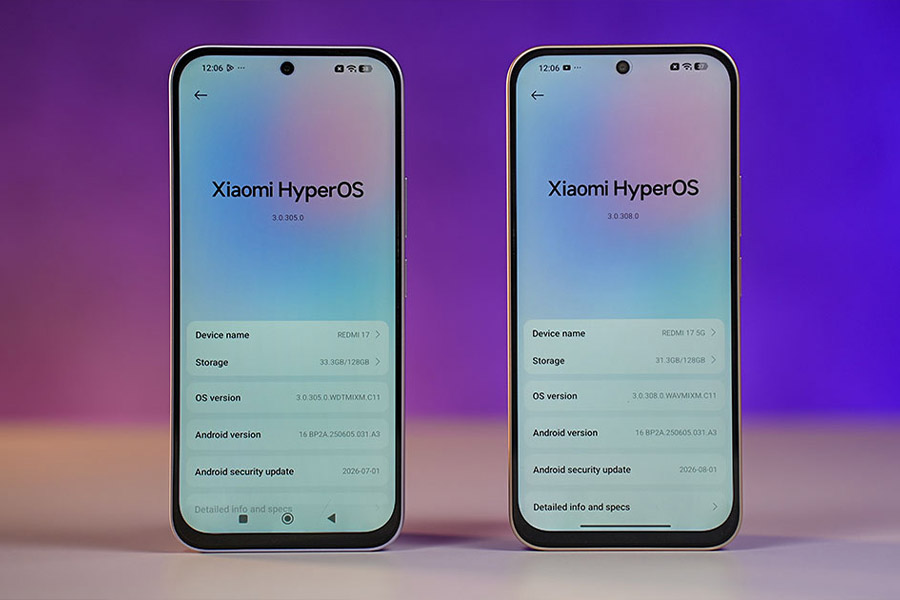
As for updates, the Redmi 17 5G is promised two years of Android OS updates and six years of security updates. Xiaomi hasn't clearly mentioned the same update policy for the regular Redmi 17, so there's a bit of uncertainty there.
Camera
Both phones have the same basic camera setup: a 50MP main camera, an auxiliary sensor on the back, and an 8MP selfie camera. The auxiliary sensor isn't doing much that I'd get excited about, though. The 50MP main camera is doing most of the work here.
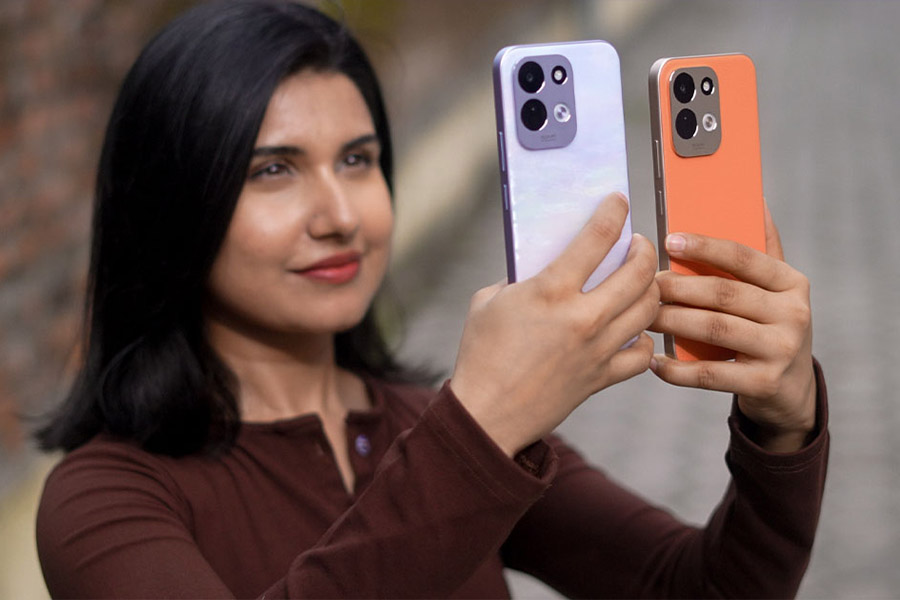
Even with the same camera hardware, the photos aren't exactly identical. That's mainly because the Redmi 17 and Redmi 17 5G use completely different processors, so the image processing is a little different on each phone.
Daytime Camera
In daylight, the Redmi 17 4G tends to produce warmer-looking photos, while the 5G version leans slightly cooler. I also noticed that the 5G model generally pulls out more detail, especially in areas with a lot going on. The 4G version can crush the shadows a bit, so darker parts of the frame sometimes lose some detail.
The 5G also pushes the colours a little more. They're not wildly oversaturated, but photos do look a bit more lively straight out of the camera. Personally, I think the 5G has the better overall processing, mainly because of the extra detail and slightly better handling of shadows.
Portraits
Portraits are a little more interesting because the difference isn't as straightforward. The Redmi 17 5G gives you warmer skin tones and slightly smoother facial details, while the 4G model keeps skin tones more natural and preserves a bit more texture on the face.
I actually found myself liking some of the 4G portraits more because they looked less processed. The 5G does have an advantage with exposure, though. It generally does a better job keeping both the person and the background properly exposed. So I'd say the 5G is more consistent, but the 4G can produce the more natural-looking portrait depending on the scene.
Selfie Camera
The selfie camera shows a similar difference. The Redmi 17 4G sometimes gets the white balance wrong, and the warmer processing can make the skin tones look a little off. Its selfies are also more contrasty and saturated.
The Redmi 17 5G is a bit more balanced and usually stays closer to natural-looking colours. Neither phone has a particularly impressive selfie camera, but for Instagram, video calls, and the occasional selfie, they're both perfectly usable.
Battery Life and Charging
Battery life is easily the best thing about both phones. They both pack a massive 7,500mAh battery, and during my testing, I could comfortably get around a day and a half with moderate use. I could scroll through social media, watch videos, take calls, and use the usual apps throughout the day without really having to think about charging.
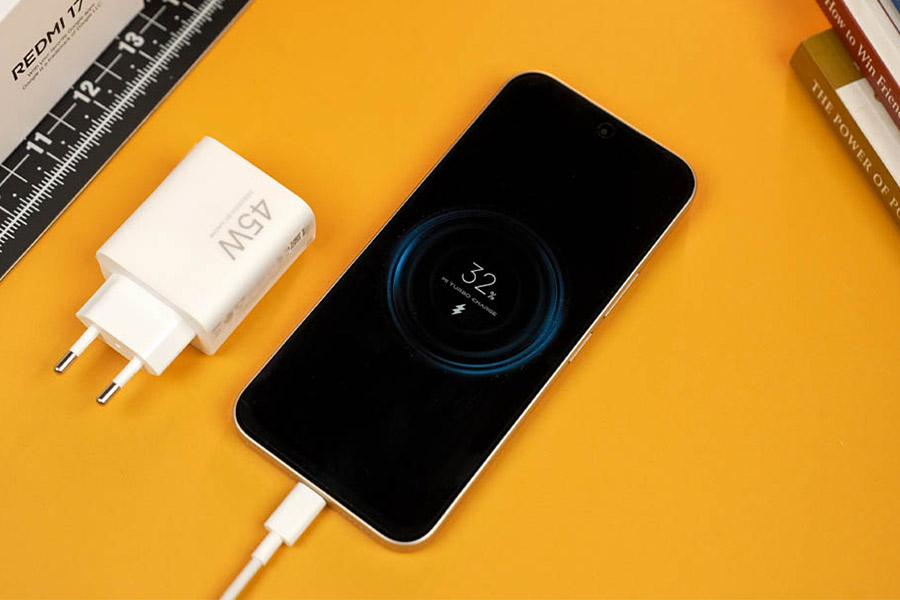
When you eventually do need to charge, both phones support 45W wired charging. A full 0 to 100 percent charge took me around one and a half hours. That's not particularly fast, but considering how big the battery is, I think it's fair. And the fact that Xiaomi actually includes the 45W charger in the box is a nice bonus, so you don't have to spend extra on one.
Conclusion
After using the Redmi 17 and Redmi 17 5G side by side, I don't think the choice between them is that complicated. If you just want a big phone with excellent battery life for social media, YouTube, calls, and other basic tasks, the regular Redmi 17 at NPR 28,000 gets the job done.
The problem is that the performance is quite limited. The Helio G91-Ultra is fine for basic use, but if you game, multitask a lot, or plan to keep the phone for several years, I think you'll start feeling those limitations sooner. That's where the Redmi 17 5G makes much more sense to me. For another NPR 6,000, you get a considerably better processor, much faster storage, 5G, better gaming performance, and an overall experience that feels more capable. I also really like the Vivid Orange version with the eco-leather back. It gives the phone a nicer feel than you'd normally expect at this price.
My biggest issue with both phones, though, is the display. Going from the Full HD+ panel on the Redmi 15 to an HD+ screen here feels like a step backwards. And at NPR 34,000, I really think the Redmi 17 5G should have had a sharper display.
So, between the two, I'd spend the extra money and get the Redmi 17 5G. But if your only real priority is battery life and basic everyday use, the regular Redmi 17 still makes a decent case for itself. With that 7,500mAh battery, both phones are seriously hard to kill.
Redmi 17 Series Pros and Cons
| Pros | Cons |
| Huge 7,500mAh battery with 45W charging | HD+ display feels like a downgrade |
| 120Hz display with Gorilla Glass 7i | 4GB RAM variants can feel sluggish |
| Charger included in the box | Limited performance on the Redmi 17 4G |
| 3.5mm headphone jack | Camera performance is only average |
| IP64 dust and splash resistance |
Article Last updated: September 17, 2026