Why Trust Gadgetbyte?
At Gadgetbyte, we invest substantial hours into rigorously testing each product or service we review, guaranteeing that you make informed purchases. Learn more about our testing process.
Review Overview
4
Performance
7/10
Software & UI
8.5/10
Back Camera
7.5/10
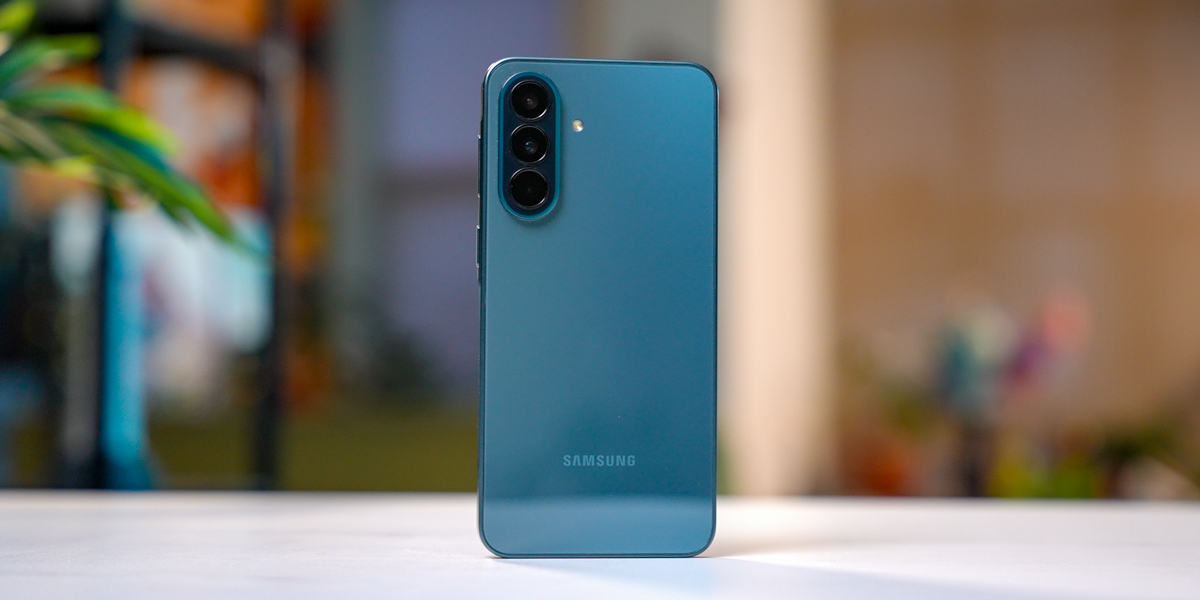
The Samsung Galaxy A37 is a familiar Samsung mid-range phone with a good AMOLED display, premium-looking design, IP68 rating, dependable main camera, and excellent long-term software support. But the problem is the pricing. Because the Galaxy A37 is now more expensive, its weaknesses become harder to ignore. The Exynos 1480 performance feels average for the price, and the phone still lacks a dedicated telephoto lens. So overall, the A37 is a safe Samsung phone, but not the best value phone in this segment.
Front Camera
8.5/10
Battery and Charging
7.5/10
Display
9/10
Design and Build
8/10
The Galaxy A37 is the successor to last year’s Galaxy A36, which was a pretty decent mid-range Samsung phone. It had a good display, nice software, reliable cameras, and that typical Samsung experience that many users prefer.
But this year, things are different. Because of the ongoing RAM and storage price hikes, the Galaxy A37 is now significantly more expensive globally. And at this new price, it no longer feels like a proper mid-range phone. It sits more in the premium mid-range category now.
The bigger problem is that Samsung has not made a lot of meaningful upgrades over the Galaxy A36. So with this higher price tag, does the Galaxy A37 still make sense if you specifically want a Samsung phone? Let’s find out.
Samsung Galaxy A37 Specifications
- Design & Build: 162.9 x 78.2 x 7.4 mm, 196g, Gorilla Glass Victus+ front and back, plastic frame, IP68 dust/water resistance
- Display: 6.7-inch Super AMOLED, FHD+ resolution, 120Hz refresh rate, 1200 nits HBM, 1900 nits peak brightness, Gorilla Glass Victus+ protection
- Chipset: Exynos 1480 5G, 4nm
- Memory: Up to 12GB RAM, up to 256GB UFS 3.1 storage
- Software: One UI 8.5 based on Android 16, up to 6 major Android upgrades
- Rear Camera: 50MP main with OIS + 8MP ultrawide + 5MP macro
- Front Camera: 12MP selfie camera
- Video: 4K 30fps from rear and front cameras, 10-bit HDR selfie video
- Security: Optical in-display fingerprint sensor
- Audio: Stereo speakers, no 3.5mm headphone jack
- Connectivity: 5G, Wi-Fi 6, Bluetooth 5.4, NFC, GPS, USB Type-C 2.0
- Battery: 5,000mAh
- Charging: 45W wired charging
- Colors: Graygreen, Charcoal, White, Light Violet


Samsung Galaxy A37 Price (8/256GB)
| India | US | Nepal |
| INR 38,999 | $489 | Rs. 72,999 |
Design and Build Quality
Design-wise, the Galaxy A37 looks and feels very similar to the Galaxy A36. You get Gorilla Glass Victus+ protection on the front and back, but the frame is still plastic. In comparison, the more expensive Galaxy A57 gets a metal frame, so that one definitely feels more premium.
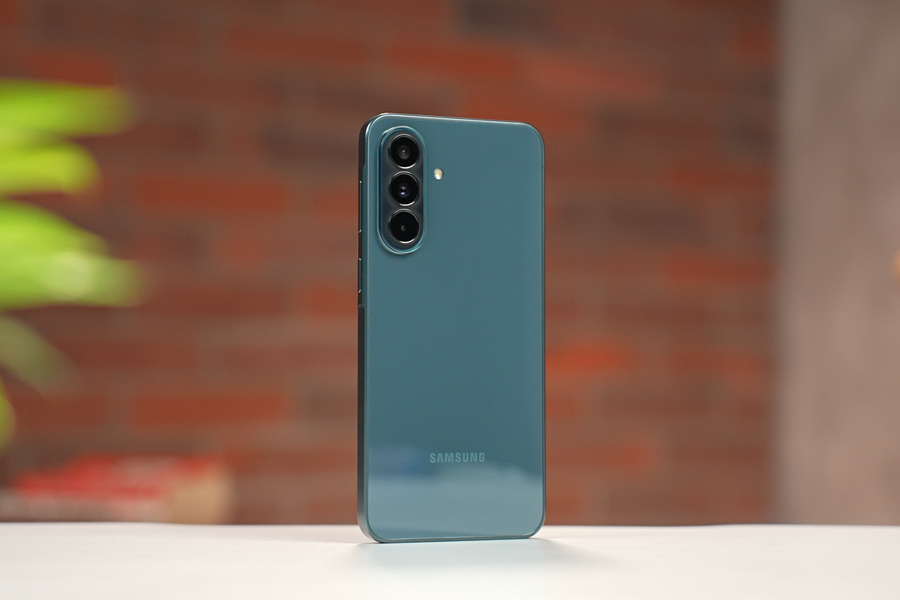
That said, the Galaxy A37 does not feel cheap. The phone is just 7.4mm thick and weighs around 196 grams, so it is quite comfortable to hold. It is slightly wider than I would have liked, but overall, the in-hand feel is surprisingly good.
The back design is clearly inspired by Samsung’s higher-end phones, with that clean vertical camera layout. The buttons are also tactile and responsive, so I have no complaints there. However, the glossy back panel is a fingerprint magnet, so you will definitely want to use a cover with this phone. And from the front, I don’t think the Galaxy A37 looks very modern because the bezels are still quite thick.
One nice upgrade this year is the IP68 rating, up from IP67 on the Galaxy A36. So the phone can handle accidental splashes and even full submersion in water up to 1.5 meters for 30 minutes. Another thing I really appreciate is Gorilla Glass Victus+ protection. At this price, that gives you better peace of mind against minor scratches and accidental drops.
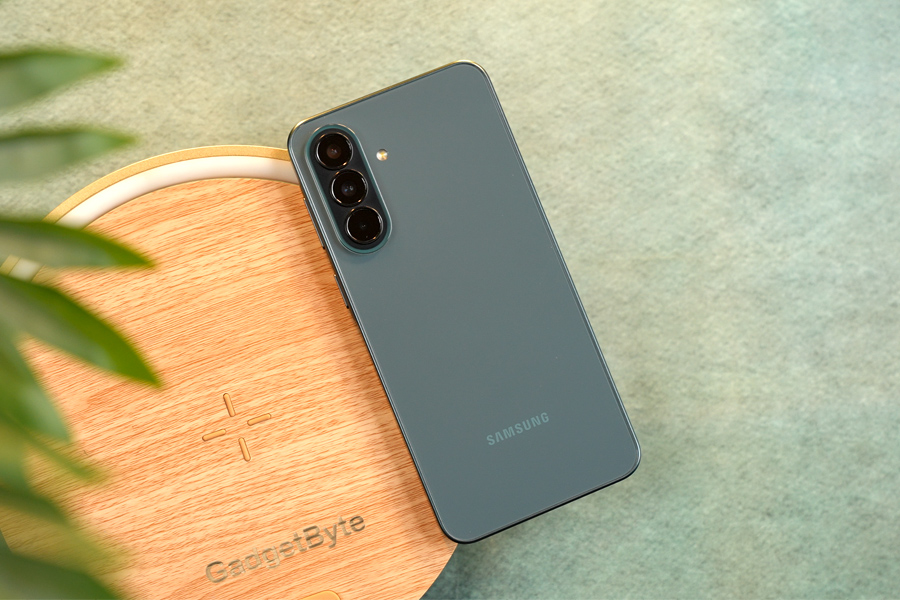
So overall, design and durability are definitely among the better things about the Galaxy A37. It also comes in some good-looking color options, which is nice to see.
Display
Another area where Samsung usually does well is the display, and the Galaxy A37 is no exception.
You get a 6.7-inch Super AMOLED panel with a 120Hz refresh rate, and as expected, the colors look really good. The viewing angles are nice, the brightness is decent outdoors, and the display can also get dim enough in low light. For watching movies, YouTube, and general video content, this is a very enjoyable screen.
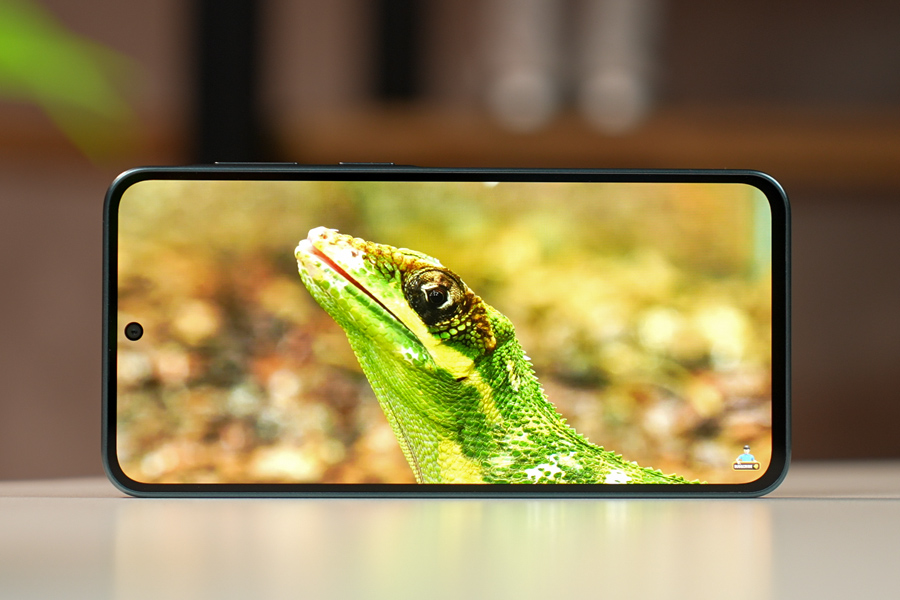
The 120Hz refresh rate also makes the experience feel smooth. However, this is not an LTPO display. It switches between 30Hz, 60Hz, 90Hz, and 120Hz depending on the content.
But one thing I found disappointing is the lack of HDR support on OTT platforms. The phone does have Widevine L1 certification, so you can stream in HD, but there is no proper HDR certification.
Speakers and Haptics
The stereo speakers on the Galaxy A37 are pretty good. They are decently loud, the audio quality is nice, and for casual movie watching or gaming, I don’t really have many complaints.

Haptics, however, are just average. They get the job done, but they are not as tight or premium as what you get on some OPPO or OnePlus mid-range phones.
Software Experience
Software is another strong point of Samsung phones, and the Galaxy A37 comes with One UI 8.5 based on Android 16. The biggest advantage here is long-term software support. Samsung is promising up to 6 major Android upgrades, which is something most Chinese phones in this price segment still don’t offer.
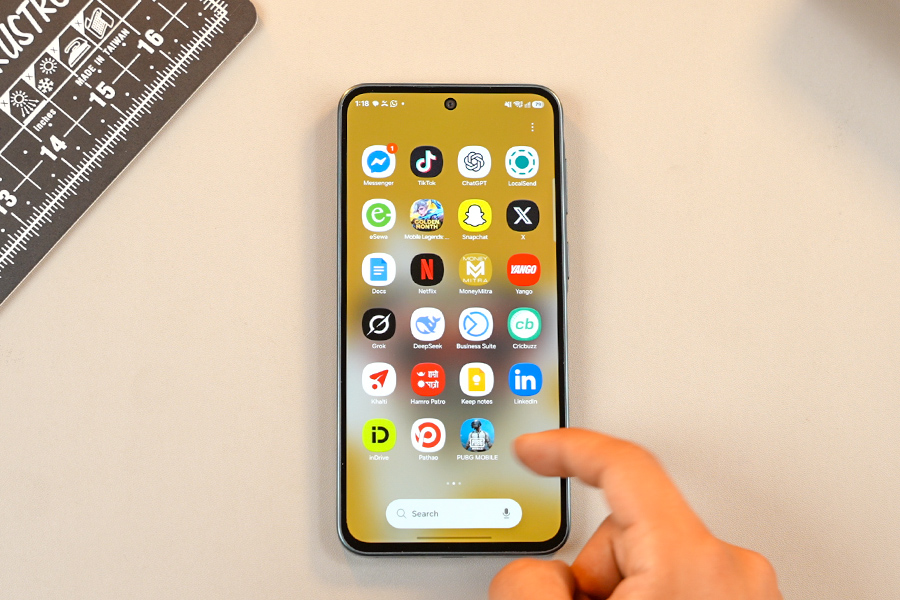
And the software experience itself is very good. One UI feels clean, mature, and feature-rich. You get a lot of useful customization options, good ecosystem features, and a polished overall interface.
That said, the AI features are not as advanced as Samsung’s flagship phones. You don’t get many of the generative photo editing features here. The AI tools are mostly basic ones like Object Eraser, AI Master, and reflection removal. Still, for someone who values long software support and a reliable UI, the Galaxy A37 does well here.
Performance
Performance is where the Galaxy A37 starts to become problematic. The phone is powered by the Exynos 1480 chipset, which is an efficient 4nm chip. It is paired with LPDDR5X RAM and UFS 3.1 storage, so on paper, it does not look too bad.

But in real-world usage, the performance feels pretty average for the price. Despite the good software experience, the phone does not always feel fast or fluid. I noticed scrolling jitters here and there, app opening and closing can feel slightly slow, and multitasking is not as smooth as I expected from a phone in this price range.
Heavy gaming is also not something I would recommend on this phone. You can play casual games easily, but if you are buying a phone for serious gaming, the Galaxy A37 is not the right choice. And that is one of the biggest red flags here. At this new higher price, Samsung should have offered a better chipset.
| Game | Settings | Front Temperature | Back Temperature | AVG FPS | 5% Low |
|---|---|---|---|---|---|
| PUBG Mobile (20 min) | Smooth, Extreme | 40.8°C | 41.9°C | 57.7 FPS | 52.4 FPS |
| Mobile Legends | Low, 120FPS | 40.1°C | 40.5°C | 105.6 FPS | 85.3 FPS |
Cameras
The camera system on the Galaxy A37 feels very familiar. In fact, it is almost the same kind of setup we saw on its predecessor. You still get a triple-camera system at the back, but sadly, there is still no dedicated telephoto lens. And Samsung is still continuing with that 5MP macro camera, which I honestly don’t find very useful at all. Come on, Samsung!
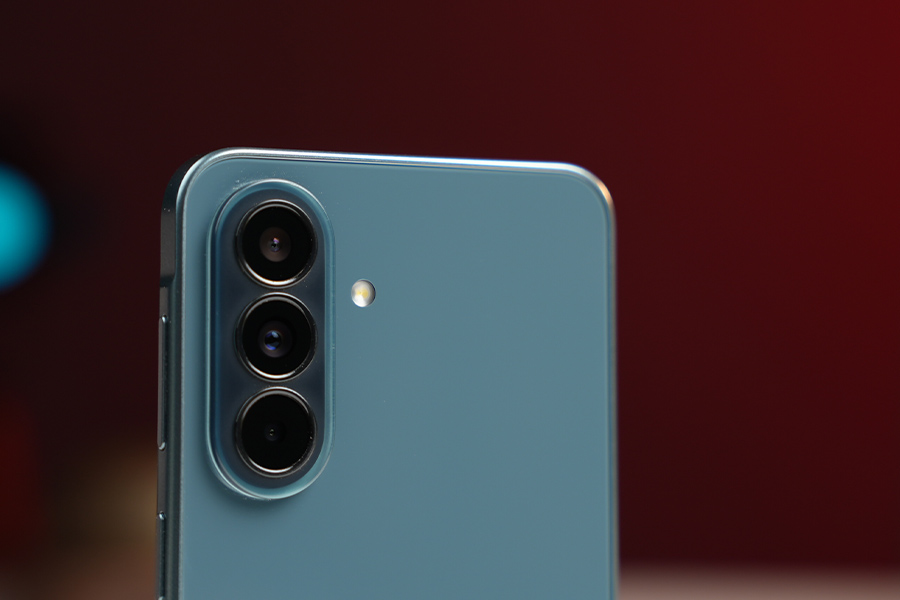
This is especially disappointing because phones in a similar price range, like the Vivo V70 or the Nothing Phone 4A Pro, are already giving you a dedicated telephoto lens. So every time I was taking portraits or zoom shots with the A37, I kept feeling that missing hardware.
That said, Samsung has upgraded the main camera sensor this time. The megapixel count is still 50MP, but the sensor size has gone up from 1/1.95-inch on the Galaxy A36 to 1/1.56-inch on the Galaxy A37. So it feels like Samsung is trying to improve the camera experience through a larger sensor and its usual software processing.
And to be fair, Samsung phones are usually very dependable for casual photography. They tend to produce balanced photos with good colors, nice skin tones, and decent exposure. So before testing the A37, I did expect it to be a reliable camera phone. But after using it, my experience has been a little mixed.
Main Camera
At first glance, photos from the 50MP main camera look good. They have that typical Samsung look: vibrant, punchy, and very pleasing for social media. Greens and reds pop quite a bit, and if you are just clicking photos in good lighting, I think most people will actually like the results.
I was able to take some nice-looking shots in daylight, and for casual use, the main camera does the job well. But when I looked closer, the details were just okay for the price. I also noticed that exposure and dynamic range can be a little inconsistent at times. Sometimes the photo looks nicely balanced, and sometimes highlights or shadows don’t feel as controlled as I expected from Samsung.
So yes, the main camera is dependable, but at this price, I expected a little more refinement.
Ultra-wide Camera
The ultra-wide camera is where things become a bit inconsistent. There were times when I got good-looking ultra-wide shots with nice colors, and I liked the overall Samsung processing. But since this is only an 8MP sensor, the photos often come out soft. The moment you zoom in, you can clearly see the lack of detail.
I also noticed that ultra-wide photos can look slightly overexposed sometimes. So while the colors are usually pleasing, the actual image quality is not very strong. For casual wide-angle shots, it is usable, but I don’t think it matches the price of this phone.
Macro Camera
The 5MP macro camera is honestly not something I enjoyed using. The photos look below average, the colors are dull, and the details are quite muddy. I tried using it a few times, but I never really got a result that made me want to use the macro camera again.
At this point, I really think Samsung should stop adding these filler macro cameras and give us something more useful instead. A dedicated telephoto lens would have made so much more sense here.
Portraits
For portraits, the Galaxy A37 uses a digital 2x crop from the main camera. Now, the colors, skin tones, and exposure in portraits are not bad. Samsung’s processing is still quite reliable, and faces usually look natural enough. But the biggest problem is detail. Portraits look quite soft, and this is where I really felt the lack of a proper telephoto lens.
The 2x digital zoom perspective also does not look as flattering as the 3x or 3.5x portraits you get from some competing phones. So while portraits are usable, they don’t feel very premium. And at this price, I think Samsung should have done better.
Selfie Camera
Selfies are actually good on the Galaxy A37. The front camera has a fairly wide field of view, which is useful for group selfies. I also liked the colors and exposure from the selfie camera. Skin tone looks natural, and Samsung does not overdo the processing too much here.
Low-light Photos
Low-light photography is where I could actually see the benefit of the upgraded main camera sensor. Because of the larger sensor and Samsung’s strong post-processing, low-light photos from the main camera look pretty good. I liked the colors, the contrast, and the overall mood of the nighttime shots. The photos are not the most detailed in the segment, but they are pleasing to look at.
However, the ultra-wide camera struggles in low light, just like it does during the day. Photos from the ultra-wide camera look soft, and the lack of detail becomes even more obvious at night. Still, I liked the colors and exposure in low-light photos from the Galaxy A37, especially from the main camera.
So overall, I would say the Galaxy A37 has a dependable main camera and a good selfie camera. But the overall camera system feels underwhelming for the price. The missing telephoto lens is the biggest issue for me, especially when the competition is already offering one.
Battery and Charging
The Galaxy A37 has a 5,000mAh battery, which is okay, but not impressive anymore. Many Chinese brands in this price segment are already offering much bigger batteries, including newer silicon-carbon battery technology. Samsung is still using a traditional lithium-ion battery here.
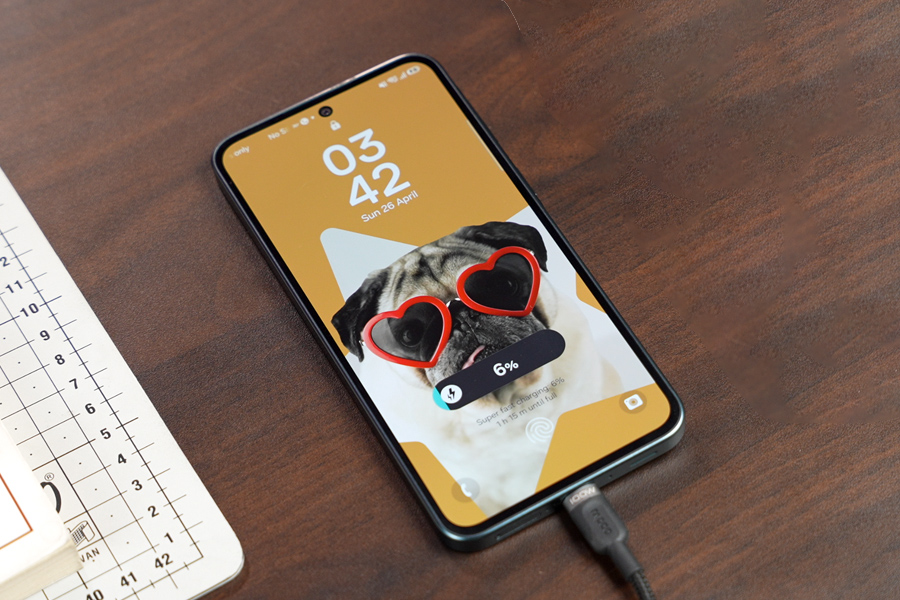
In my usage, I got around 7 to 7.5 hours of screen-on time with moderate use. But on heavier days, especially with more camera usage, mobile data, and gaming, the battery life dropped to around 5 to 6 hours of screen-on time. So battery life is decent for a moderate user, but definitely not class-leading.
The phone supports 45W wired charging, but there is no charger inside the box, which is disappointing. Using my 45W Samsung charger, it took around 1 hour 20 minutes to 1 hour 30 minutes to fully charge the phone. Again, it is not bad, but the competition is offering bigger batteries and faster charging.
Samsung Galaxy A37 Pros and Cons
| Pros | Cons |
| Good AMOLED display | Expensive for what it offers |
| Premium-looking design | No dedicated telephoto lens |
| Excellent software support | Average performance |
Samsung Galaxy A37 Verdict
To conclude, the Galaxy A37 is a very average phone at a not-so-average price. It has some clear strengths. The design feels good, the display is nice, the speakers are decent, the software experience is polished, and the long-term update promise is excellent.
But because of the price increase this year, the A37 makes less sense than before. The performance is average, the cameras are not very exciting, the battery is just decent, and charging is slower than most competitors.
At a similar price, you can even look at last year’s Galaxy A56 (read review), which offers a better camera experience. And outside Samsung’s ecosystem, there are much better value options. For example, the Nothing Phone 4A Pro gives you a better design, better display, better cameras, and a proper 3.5x telephoto lens. The Vivo V70 (read review) also offers better performance, a better display, Zeiss-optimized cameras, a 3.5x telephoto lens, ultrasonic fingerprint sensor, bigger battery, and faster charging.
And if you are a performance-focused user, phones like the POCO X8 Pro Max or iQOO 15R will give you much better power for the money. So the Galaxy A37 is only worth considering if you specifically want a Samsung phone, One UI, and long software support. But purely from a value-for-money perspective, this phone is hard to recommend.
Watch our review of Galaxy A57 here:-
Article Last updated: May 14, 2026
![Realme Mobile Price in Nepal [Updated 2026]](https://media.gadgetbytenepal.com/2025/11/Realme-Mobile-Price-in-Nepal.jpg)