But how much more does the latest V-series bring to the table?
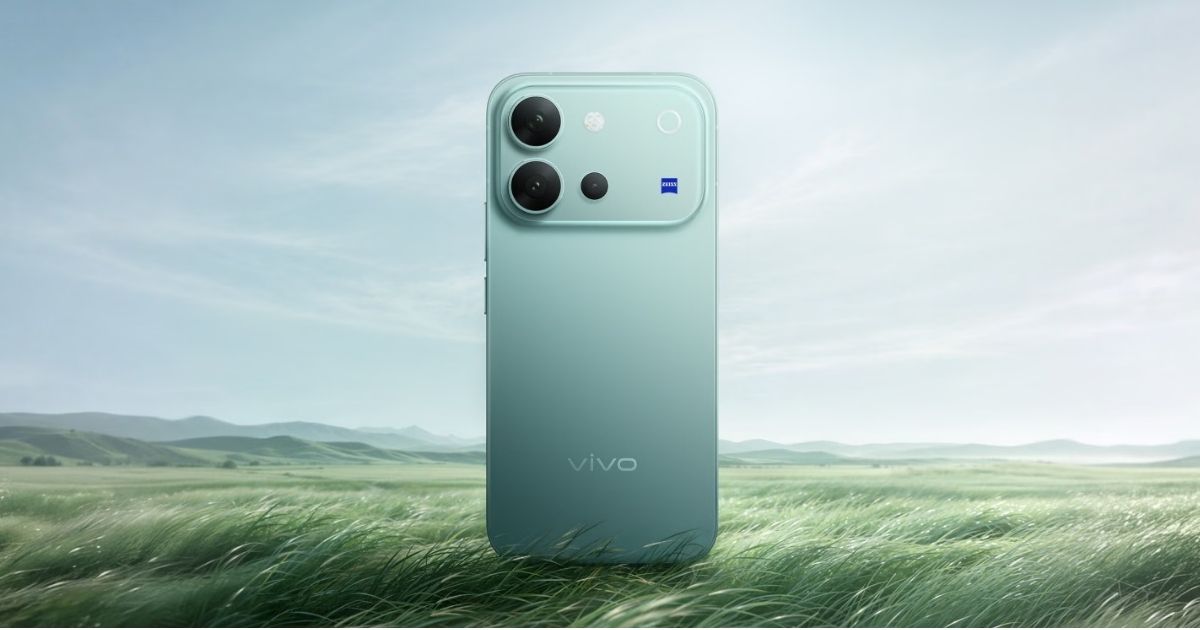
Vivo has officially launched the V80 as the direct successor to the V70, expanding its upper mid-range smartphone lineup. The new phone comes with rather incremental upgrades, featuring a 6.59-inch AMOLED display, a 50MP main camera, another 50MP ZEISS telephoto camera, and a Snapdragon 7 Gen 4 SoC. The highlight here is the huge 7,200mAh battery. In this article, I will discuss everything about the Vivo V80, including its specifications, availability, and official price in Nepal.
Key Highlights
- 6.59-inch 1.5K 144Hz AMOLED display with 5,000 nits peak brightness in a 7.69mm IP68/IP69-rated body.
- Snapdragon 7 Gen 4 chip with 8GB RAM, up to 512GB storage, and OriginOS 7 (Android 17).
- Triple rear camera setup: 50MP Sony LYTIA 700V main, 50MP ZEISS 3x telephoto, and 8MP ultrawide, plus a 50MP selfie camera.
- 7,200mAh battery supporting 90W fast charging and reverse charging.
Vivo V80 Overview
Design and Display
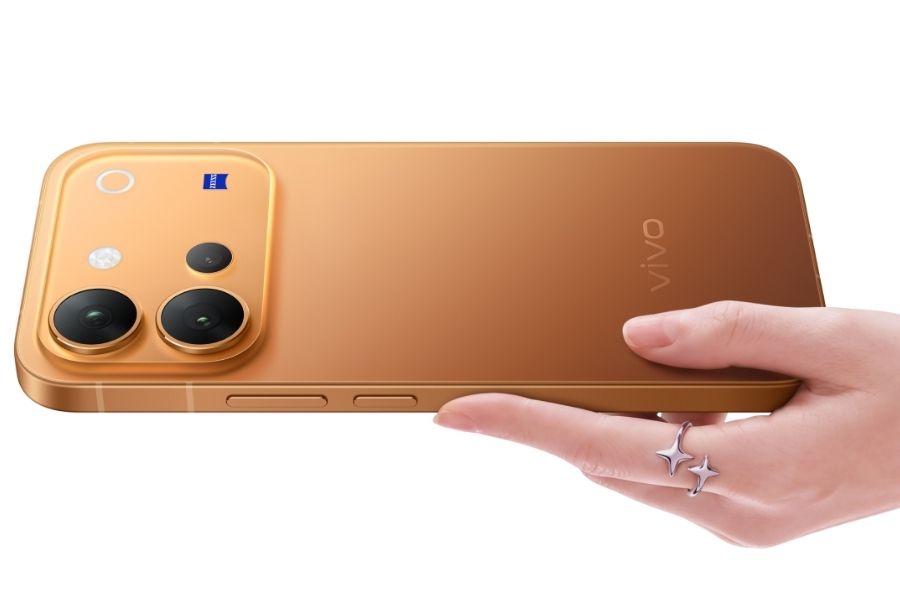
Starting with the design, the Vivo V80 retains the slim and curved aesthetic of its predecessor, the V70, offering a premium feel with an aluminum frame and a glass back. However, while the V70 had a more compact-looking camera design, the rear of the V80 now features a new Floating Camera Module. This larger, soft-edged rectangular plateau houses the triple camera sensors, an LED flash, an extra ring light, and prominent ZEISS branding.
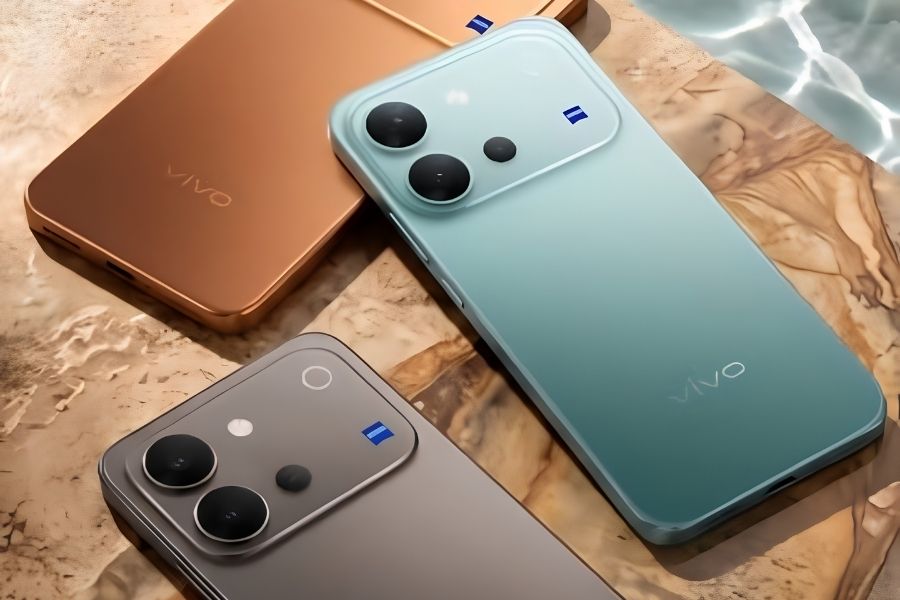
The phone measures 7.69mm in thickness and weighs 203g. For durability, it retains the IP68 and IP69 ratings for protection against dust and water. It is available in Sunrise Anthem, Horizon Blue, and Stellar Black color options.
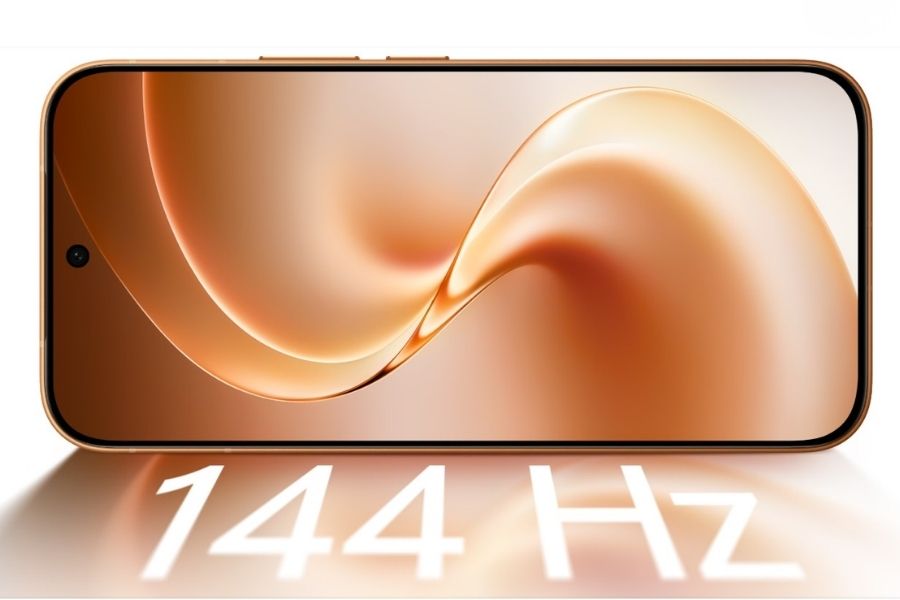
Moving to the front, the Vivo V80 features a 6.59-inch AMOLED display with a resolution of 2750 x 1260 pixels, delivering sharp text and images. Compared to the V70, the display now supports a 144Hz refresh rate, up from 120Hz, for smoother scrolling and animations. Additionally, the panel can reach up to 5,000 nits of local peak brightness, providing clear visibility even under direct sunlight. Likewise, it supports the P3 wide color gamut for a more immersive multimedia experience.
Performance and Software
Under the hood, the Vivo V80 is powered by the Snapdragon 7 Gen 4 chipset, built on a 4nm process, just like the V70. So, you can expect a somewhat similar performance experience when handling everyday tasks, multitasking, and gaming. It is configured with 8GB of LPDDR4X RAM and up to 512GB of storage for apps and other files. The base 128GB variant uses UFS 3.1 storage, while the higher storage variants utilize the faster UFS 4.1 standard.
On the software side, that's where you see the difference. The Vivo V80 runs on OriginOS 7, based on the latest Android 17 out of the box. The software also includes features such as the Origin Smooth Engine for performance optimization and Snap Note, which can turn photos of handwritten notes, whiteboards, or presentation slides into editable notes, alongside various personalization options. Vivo has also promised six years of security updates, ensuring the device remains secure and usable for a longer run.
You may also like:
- Vivo Y600i Arrives in China With 8,000mAh Battery and IP69 Rating!
- Vivo Buds Clip arrives with a clip-on design and 42-hour battery life!
Camera and Battery
For photography, the Vivo V80 brings a triple-camera setup with a 50MP main camera, 50MP ZEISS telephoto camera, and 8MP ultrawide camera. The main camera uses the Sony LYTIA 700V sensor and supports OIS, while the telephoto camera uses the Sony IMX882 sensor. It offers 3x optical zoom and up to 100x digital zoom for capturing distant subjects. Meanwhile, the ultrawide camera comes in handy for wider shots and landscapes.
Vivo has also continued its ZEISS co-engineered imaging system on the V80, bringing features such as ZEISS Natural Color, Portrait, and other camera modes. For video recording, the rear cameras support up to 4K at 60fps, while the phone also introduces 4K Cinematic Video for a more cinematic look. There are also several AI-powered imaging features for editing and enhancing photos.
On the front, the V80 gets a 50MP ZEISS selfie camera. It also supports features such as group selfies and portrait effects, making it suitable for both regular selfies and group shots.
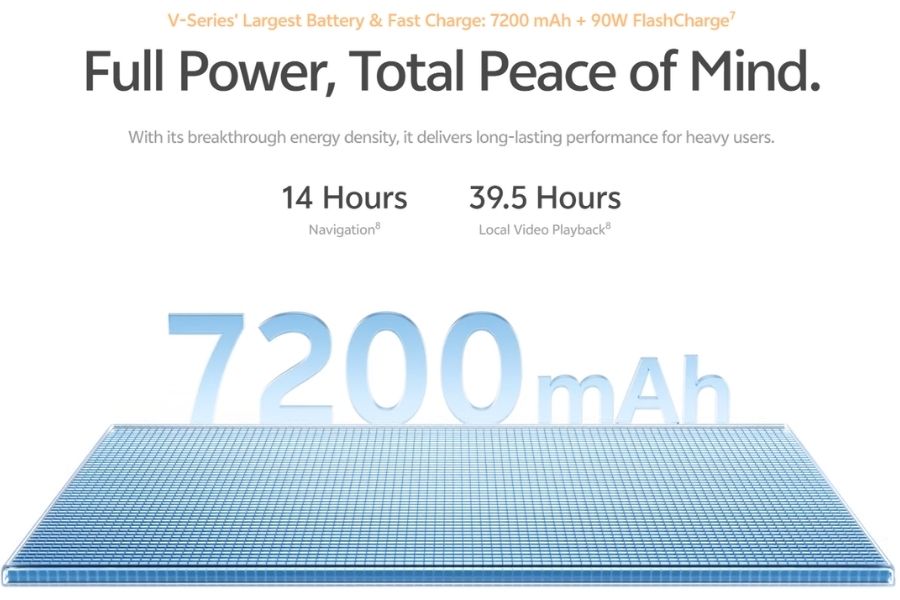
As for the battery, the Vivo V80 packs a 7,200mAh cell, which is larger than the 6,500mAh battery on the V70. It supports 90W FlashCharge, so you get a substantial battery capacity without sacrificing fast charging. The phone also supports reverse charging for powering other compatible devices.
Vivo V80 Specifications:
- Design and Build: 7.69mm thick, 203 grams, aluminum frame, glass back and front, IP68/IP69 rating
- Display: 6.59-inch 1.5K AMOLED, 2750 x 1260 pixels resolution, up to 144Hz refresh rate, up to 5,000 nits local peak brightness, P3 wide color gamut
- Chipset: Snapdragon 7 Gen 4 (4nm)
- Memory: 8GB LPDDR4X RAM, up to 512GB UFS storage
- Software & UI: OriginOS 7 based on Android 17
- Rear Cameras: Triple (50MP Sony LYTIA 700V main with OIS + 50MP Sony IMX882 telephoto with 3x optical zoom + 8MP ultra-wide)
- Front Camera: 50MP
- Security: Ultrasonic in-display fingerprint sensor
- Connectivity: 5G, Wi-Fi, Bluetooth 5.4, NFC, USB-C 2.0, OTG, infrared
- Battery: 7,200mAh, 90W wired charging
- Colors: Sunrise Anthem, Horizon Blue, Stellar Black


Vivo V80 Price in Nepal and Availability
The Vivo V80 has been officially announced in Nepal with a starting price of NPR 108,999 for the base 8/256GB varient and NPR 133,999 for the 8/512GB varient. You can purchase this device from our affiliate partner, GBN Store.
| Vivo V80 | Price in Nepal (Official) |
| 8/256GB | NPR 108,999 |
| 8/512GB | NPR 133,999 |
Vivo V80 Pre-booking Offers
The pre-booking offer for the Vivo V80 starts on November 1 and runs until November 4. During this period, customers purchasing the Vivo V80 will receive freebies and additional benefits, including:
- Free Vivo TWS Earbuds for the first 1,200 customers
- Front and back screen breakage protection
- NPR 2,000 worth of cashback
- 6-month extended warranty
- 100GB of Google One cloud storage for 6 months
- Meanwhile, watch our video about the best smartphone deals in every price range.
Article Last updated: November 1, 2026