It is absolutely heart-wrenching to see how the global coronavirus pandemic has taken the lives of many; on top of creating an unruly commotion throughout the world. Our thought goes out to everyone facing this tough time and we pray for the best. This is of the most well documented global catastrophes in human history – a sad record. And we hope you guys are following all the precautionary measures like wearing masks, washing hands, maintaining social distance, etc. to minimize the spread of the virus. People's life is in a state of chaos due to COVID-19, and so is the economy (therefore the smartphone industry). Factories are shut down, productions have been halted, people have been left jobless – I mean, the whole world is in shambles. Some countries like China and New Zealand have had some success in fighting off the virus; things are gradually returning to normal there. Yet, the pandemic is far from over in other parts of the planet.
COVID-19: Impact on the smartphone industry
Though essential businesses have been open because of the nature of their operation, others have had to close shop. Because of the state-mandated lockdown in many countries, the smartphone (or rather yet the electronics industry as a whole) has suffered some major setbacks.

But ultimately, it is the buyers who are going to face the unfair wrath of the industrial predicament.
Let’s start with the most fundamental analysis. China is the home to most companies' manufacturing plants; due to its technological superiority and low cost of operation. However, the rigid dependence upon the country is slowly losing its dominance as companies have begun setting up factories in other countries like India and Bangladesh. Just last year, as a result of its ever-shrinking market share in China, Samsung abandoned all of its production plants in the country and is now investing in new territories.
A different route?
And now, COVID-19 has “crafted” and intriguing avenue in the smartphone industry. As the origin center of the epidemic, China had the first-hand experience in the now-global situation. With local & international companies ceasing manufacture left and right, the circumstance had painted a vivid image of how the industry would be crippled; should the magnitude of reliance stay constant.
Problems beyond production
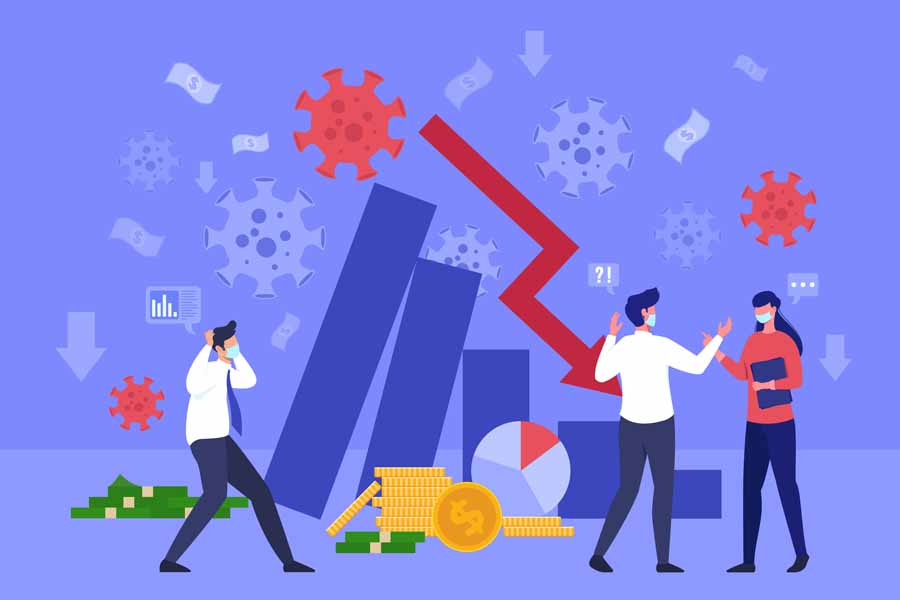
But wait, just because production is possible, doesn’t mean everything’s alright now. The demand for smartphone components has dramatically surged with OEMs recognizing the eventual decline in consumers’ purchasing power and purchase decision. I’d once again like to bring up Samsung as an example, where the company has now decided to cut down its monthly smartphone manufacture volume by more than 50% (from 25 million to 10 million) according to some industry sources.
Just like a domino!
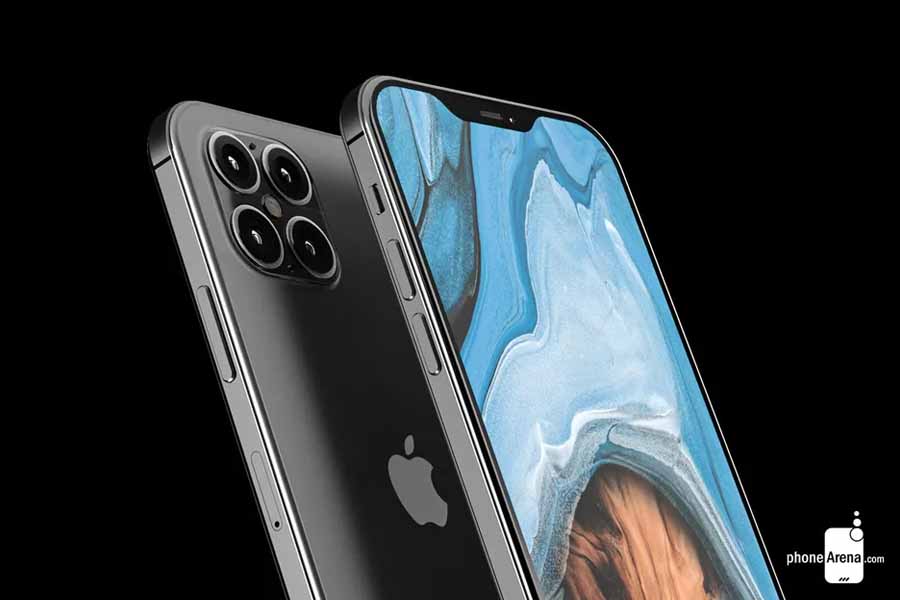
The thing is, we all know when we can expect a new generation of iPhones and that is September of every year. With each iteration, the total unit demand has only grown throughout time. But this time, even Apple has had to push the mass production of the upcoming iPhone 12 series by a month because of production limitations.
A shift in the public purchase decision
India is also home to some of the most price-conscious consumers in the world. That’s why brands like Xiaomi, OnePlus, and more recently Realme have managed to do so well there. Though the country’s top e-commerce platforms like Amazon & Flipkart have received the government’s permission to resume selling smartphones from May 3, the current market is nowhere near as well functioning as it was a couple of months ago. Sadly, the purchasing decision of customers has now radically changed, with priority set for essential goods; rightfully so.

Bluntly put, nobody needs to or should be investing in a brand-new smartphone at this time, unless it’s an emergency.
I don’t believe this mindset of consumers will continue on in the long run, but it will be something hard to erase post haste. I mean, it’s most likely not the first time we are facing a crisis. Tragedies have always befallen us, though not on a global scale like right now. After all, we have in/directly contributed to the way things are, and we've made through the past misfortunes. Wow, did I just demonstrate an example of the “Butterfly Effect”? I think I did.
Further damage to the supply chain
I have already discussed how the manufacture of smartphones & other electronic goods have been hampered due to the pandemic. But what about those that were meant to be sold right now, had things not gone south? Well, they’re still in the godowns, the retail stores, sitting unattended and getting outdated & undervalued as days go on. Despite the rapid incline in online smartphone sales in recent days, brick and mortar stores are still a big part of the industry. And the lack of movement of products only means trouble to the shop-owners and the buyers.

R&D (Research & Development) takes a big hit!
But despite all the production delays, shift in buyers’ purchasing decision, or the inability to sell the existing products, you know where the COVID-19 has hurt the worst in the electronics & the smartphone industry? R&D. Companies spend billions of dollars in research & development each year, which is a continuous process of improving the firm’s quality of operation & commodity. In terms of the smartphone market, it looks like the EUV-based 5nm wafer production is going to take a considerable hit. That’s because ASML is facing issues in transporting its equipment because of travel restrictions that many countries have imposed. Based in Netherland, ASML is the only manufacturer of EUV exposure equipment for semiconductor production.

Conclusion
So you see, the global outbreak of COVID-19 has had a significant impact on the electronics & its subsidiary smartphone industry. Manufacturers now have an uphill battle to recover from the losses incurred because of it. It will be a challenging task to get people to spend the way they used to. It goes on to show that only the most visionary and clairvoyant ones will survive such misfortunes. That's because such an unexpected turn of events can lead to an unprecedented degree of divergence in the world.
Article Last updated: February 5, 2026