Here is my first-hand experience with the OnePlus 16, exploring its upgrades over the OnePlus 15, and some of the results have been quite surprising.
Why Trust Gadgetbyte?
At Gadgetbyte, we invest substantial hours into rigorously testing each product or service we review, guaranteeing that you make informed purchases. Learn more about our testing process.
Review Overview
4.6
The OnePlus 16 feels like a step forward in areas that matter most, particularly battery life and overall performance. Its massive battery and upgraded hardware make it a strong flagship contender. However, the camera experience and display could still use some refinement, especially considering its expected price.
Design and Build
9.3/10
Display
9/10
Camera
9/10
Performance
9.8/10
Software and UI
9.2/10
Battery and Charging
9.7/10
Value for money
8.6/10
I've always had a soft spot for OnePlus flagships. The OnePlus 13 was one of my favourites, and last year's OnePlus 15 (review) was another excellent phone, especially when it came to performance, battery life, and everyday usability. But as much as I enjoyed using these phones, I always felt OnePlus could have done a little better with the cameras.
And now we have the OnePlus 16. I've been using the Chinese variant alongside the OnePlus 15, and there are some genuinely interesting upgrades this year. We get an even bigger battery, more powerful gaming hardware, and some much-needed camera improvements.
But there's one thing that concerns me more than anything else: the price. Rumours suggest that the OnePlus 16 could cost over INR 1 lakh in India, potentially reaching INR 1.2 lakh or even more. And if that turns out to be true, I'm not sure everyone will find these upgrades worth the extra money.
So, should you wait for the OnePlus 16 or consider buying the good old OnePlus 15 instead? Here's what I've found after spending time with both phones.
OnePlus 16 Specifications:
- Design: 8.45–8.55mm thickness, aluminum frame, finish-dependent rear material, IP66/IP68/IP69/IP69K ratings
- Display: 6.78-inch LTPO OLED, 1.5K resolution (1272 × 2772 pixels), adaptive 1–165Hz refresh rate (up to 185Hz in supported games), 2,000 nits global peak brightness
- Chipset: Qualcomm Snapdragon 8 Elite Extreme Gen 6 (2nm)
- Memory: Up to 16GB LPDDR5X Ultra RAM, up to 1TB UFS 4.1 storage (non-expandable)
- Software: ColorOS 17 based on Android 17
- Rear Camera: Triple (200MP main camera with OIS + 50MP ultrawide + 50MP telephoto with OIS, 3x optical zoom)
- Front Camera: 50MP selfie camera
- Security: Ultrasonic in-display fingerprint sensor
- Connectivity: Dual-SIM, 5G, Wi-Fi 7, Bluetooth 6.0, NFC, USB Type-C
- Battery: 9,000mAh, 100W wired fast charging, 50W wireless charging
- Color: Silver, Orange, Black
- Learn more about the full specifications of the Vivo X500 Pro Max here.
OnePlus 16 Price in Nepal
Before getting into my experience, I think it's worth discussing the expected pricing because that could be one of the biggest deciding factors for the OnePlus 16. The phone has already launched in China, but it hasn't officially arrived in Nepal yet, so the local price remains unknown.
However, given its significantly upgraded hardware and rising flagship prices, we expect the OnePlus 16 to start ats significantly upgraded hardware and the rising prices of flagship smartphones, we expect the starting price of the OnePlus 16 in Nepal to start around Rs. 1.76 lakh. If it launches at this price, it would be considerably more expensive than its predecessor, the OnePlus 15, making it a much tougher sell for OnePlus fans.
| OnePlus 16 | Price in Nepal (Expected) | Price in China (Official) |
| 12/256GB | NPR 176,999 | CNY 5,999 (~NPR 137,599) |
| 12/512GB | NPR 187,999 | CNY 6,799 (~NPR 15,999) |
| 16/512GB | NPR 205,999 | CNY 7,499 (~NPR 169,999) |
| 16GB/1TB | NPR 231,999 | CNY 8,499 (~NPR 194,899) |
OnePlus 16 Unboxing
If you're wondering what you get inside the OnePlus 16 box, here's a quick look. The phone arrives in the familiar red OnePlus box, so the unboxing experience hasn't changed much from previous generations. Inside, we get the phone itself, and I have the Silver colour option here.
Alongside the phone, OnePlus includes a 100W charging adapter, a USB data cable, a transparent protective case, and the usual paperwork and SIM ejector tool. It's good to see OnePlus still providing these accessories, especially when many expensive flagship phones no longer come with a charger.
OnePlus 16 Review (First Impression)
Design and Build
- Aluminium frame with Crystal Shield Glass
- IP66, IP68, IP69, and IP69K ratings
- Customisable LED lighting on the back
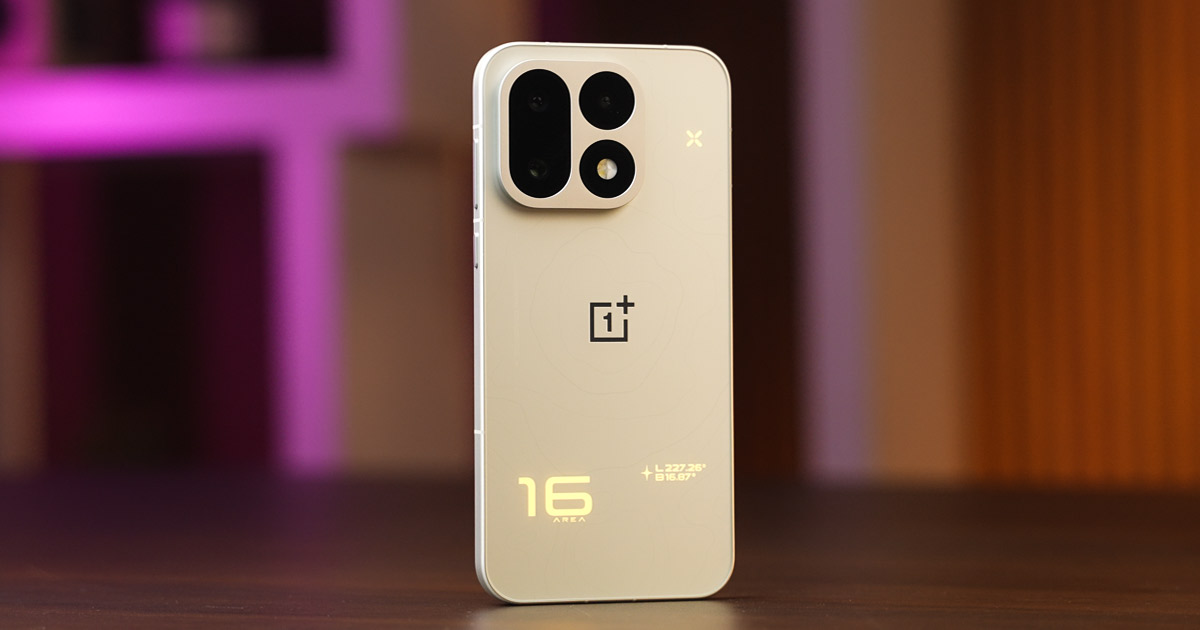
Starting with the design, I have the Silver variant of the OnePlus 16, which looks almost identical to its predecessor. OnePlus has retained pretty much the same design language as the OnePlus 15, including a similar camera module layout on the back. Honestly, I don't mind that because I already liked the OnePlus 15's design. It's simple, clean, and still looks quite premium.
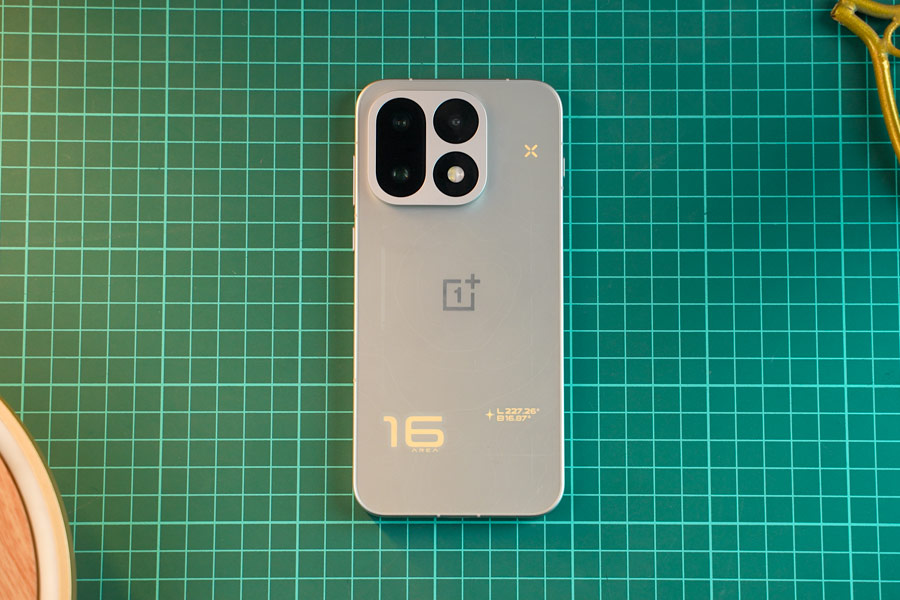
What surprised me more was how OnePlus managed to fit a much larger 9,000mAh battery inside without making the phone significantly heavier. Yes, it's slightly thicker this year, but I barely noticed the extra heft during my daily use.
And what I really appreciate is how comfortable the OnePlus 16 feels in my hands. Unlike some camera-focused Chinese flagships with massive camera modules, this phone doesn't feel particularly top-heavy. The camera bump isn't overly large, and the weight distribution is excellent, which makes a noticeable difference during longer gaming sessions.
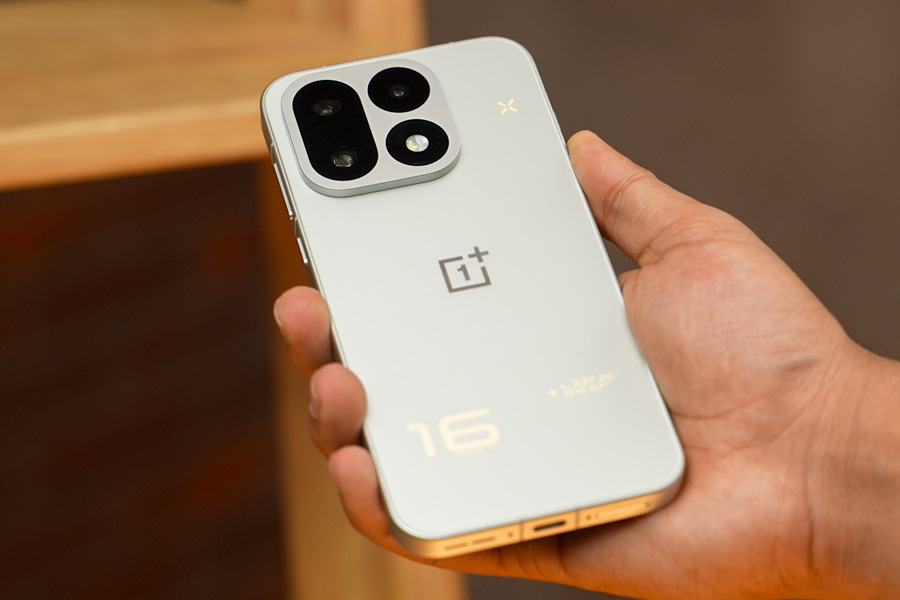
I've spent hours gaming on this phone, and I haven't experienced the same discomfort that I sometimes get with those heavier, camera-focused flagships. Of course, it's still a fairly large phone, so people who prefer compact devices might feel differently. But personally, I have no major complaints about its ergonomics.
As for the build quality, my Chinese variant comes with an aluminium frame and Crystal Shield Glass protection, giving it a solid, premium feel in the hand. We also get IP66, IP68, IP69, and IP69K ratings for dust and water resistance, which gives me some extra peace of mind during everyday use. That doesn't make the phone immune to accidental damage, though, and I'll share more about how it holds up in my full review.
A Little Something New on the Back
Although the overall design hasn't changed much, I noticed an interesting new addition on the back: LED lighting around the OnePlus branding. The logo now lights up whenever I receive calls or notifications, and I can also choose different lighting effects for music playback and supported games. I can even customise some of these effects to my liking.
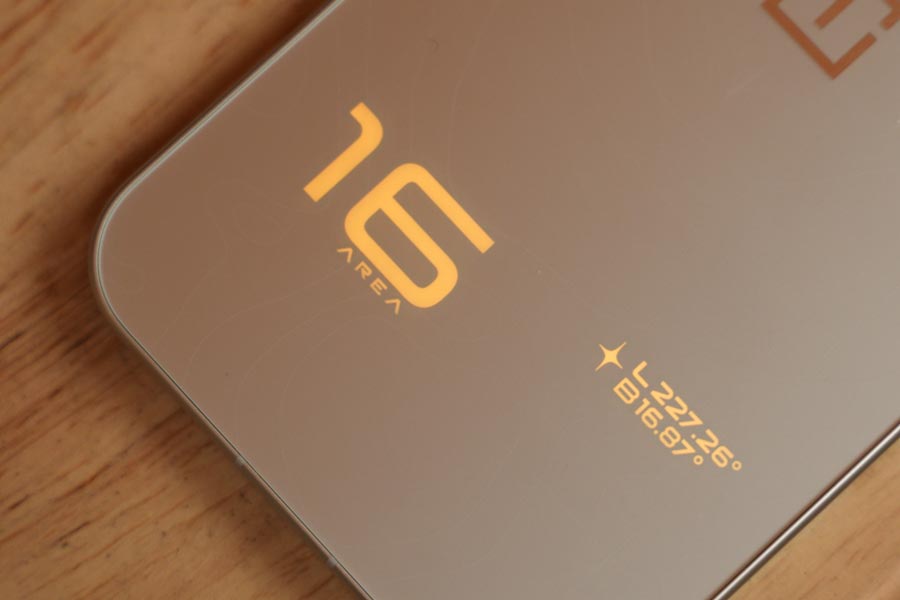
I think it's a nice little addition that gives the OnePlus 16 some extra personality, especially since the rest of the design looks so familiar. I wouldn't call it a major upgrade over the OnePlus 15, but it's definitely a fun feature that caught my attention.
Display
- 6.78-inch BOE LTPO AMOLED display
- 1.5K resolution with up to 2,000 nits brightness
- 165Hz regular refresh rate, up to 185Hz in supported games
The biggest upgrade I was expecting from this year's OnePlus flagship was in the display department. But honestly, I'm a little disappointed that OnePlus has decided to stick with the same 1.5K resolution on its large 6.78-inch BOE-made LTPO AMOLED panel.
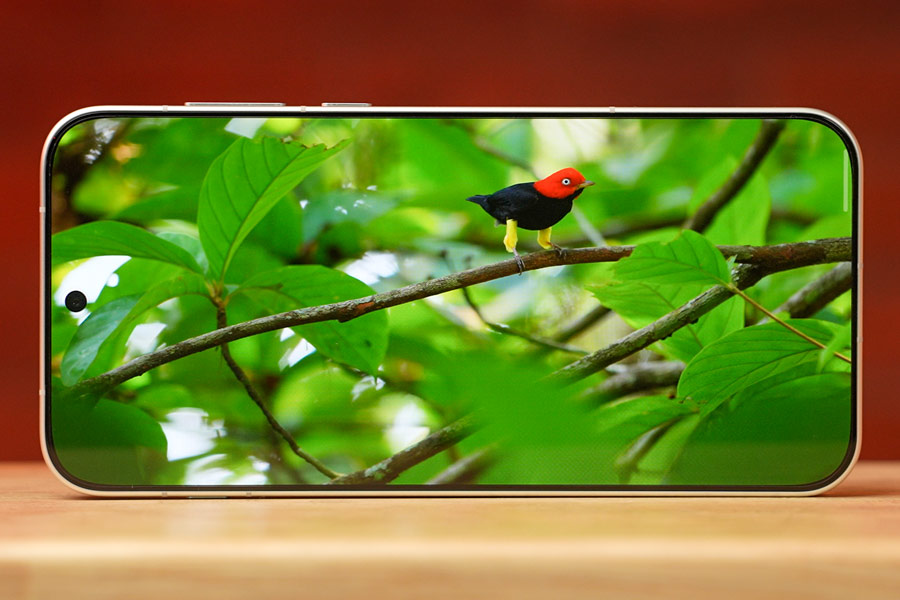
Now, I'm not saying a 1.5K display is bad. It's still plenty sharp for everyday use, and I haven't had any major complaints while watching videos, browsing social media, or using the phone in general. But considering how much the OnePlus 16 is expected to cost, I was really hoping to see a sharper 2K panel this time around.
Especially when its close competitor, the iQOO 16, is expected to offer a 2K display. I know resolution isn't everything, and things like brightness, colours, and contrast matter just as much. Still, I feel OnePlus could have pushed things a little further here.
Instead, the company has focused on improving the refresh rate, which is actually quite interesting. The OnePlus 15 already had a super-smooth 165Hz display, but this year, OnePlus has pushed it up to 185Hz.
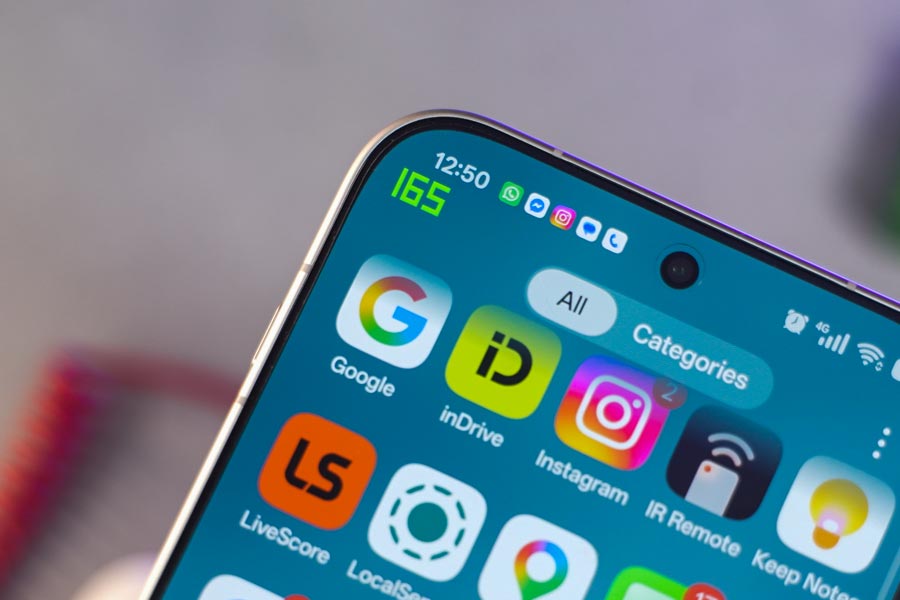
There's a catch, though. The regular interface still runs at up to 165Hz, while the full 185Hz refresh rate is only available in supported games. So, during my regular usage, I haven't noticed any meaningful difference compared to the OnePlus 15. Scrolling through apps, browsing social media, and watching videos feel just as smooth as before.
But when it comes to gaming, the higher refresh rate tells a different story. And that's where OnePlus seems to have focused most of its attention this year. I'll share more about my experience in the performance and gaming section.
Camera
- 200MP main camera with OIS
- 50MP ultrawide camera
- 50MP telephoto camera with 3x optical zoom
For me, camera performance was one of the biggest disappointments with the OnePlus 15 last year. It wasn't necessarily a bad camera phone, but whenever I compared it with other premium flagships, particularly the camera-focused models from OPPO and Vivo, I always felt OnePlus was falling a little behind.
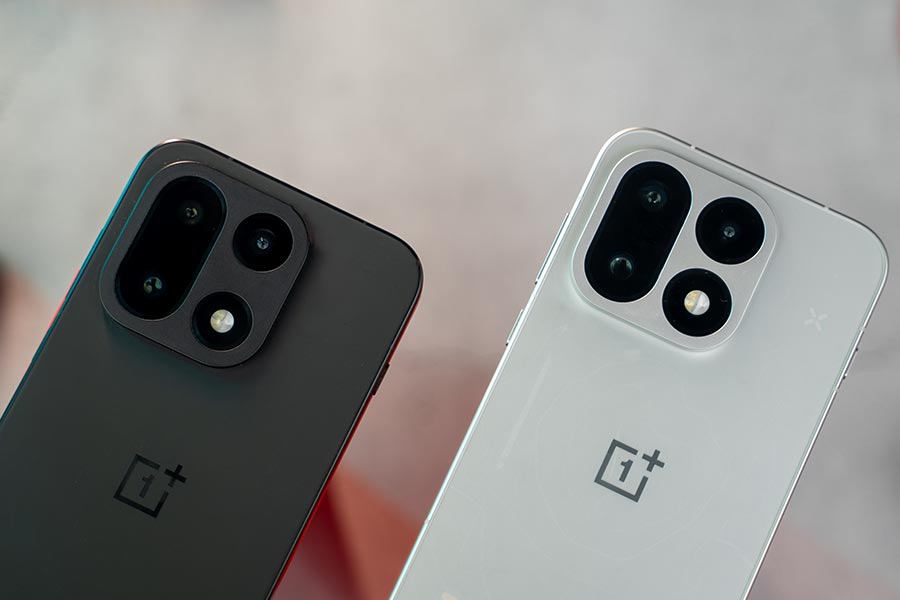
So naturally, I was curious to see what OnePlus had improved this year. And thankfully, the OnePlus 16 brings some welcome upgrades, especially to the main and telephoto cameras. I've been taking photos with both phones side by side, and while the differences aren't always dramatic, I can definitely see some improvements in the newer model.
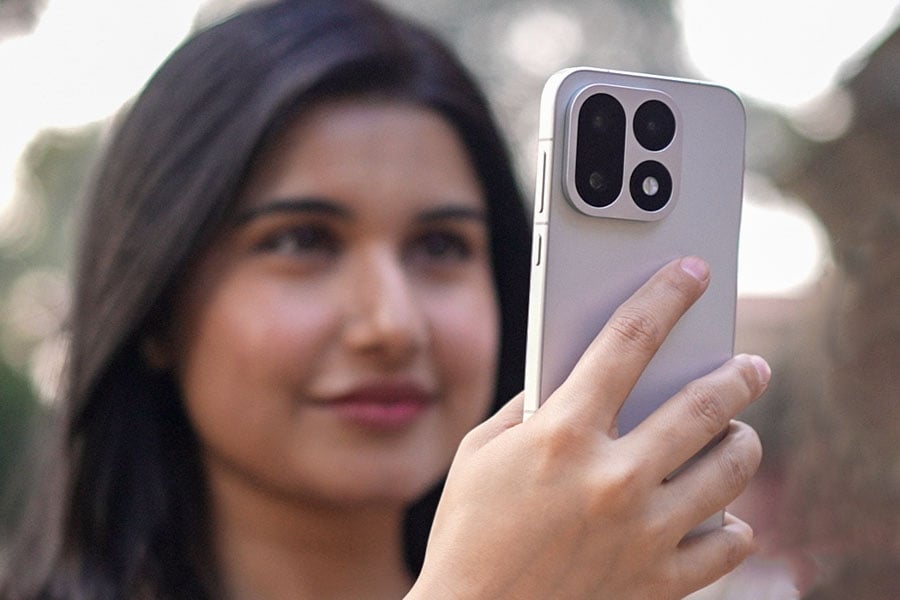
But not everything has improved equally. Some cameras impressed me more than others, and I still feel OnePlus has plenty of room to catch up with the competition.
Main Camera
Starting with the main camera, this is where OnePlus has made one of the biggest upgrades. The OnePlus 16 now features a 200MP main camera, which is a significant upgrade. And it's not just about the megapixels either. OnePlus has also used a larger sensor and a wider aperture this time around.
From the photos I've taken so far, I'm quite happy with the results. The camera captures good details, and the overall image processing looks pleasing.
I also noticed good low-light performance. In my nighttime shots, the OnePlus 16 managed to retain details in darker areas, making the photos look better overall.
But what I liked more was how it handled blacks and shadows. In several of my shots, the phone maintained deeper blacks and better-controlled shadows instead of unnecessarily brightening the entire scene. I personally prefer this approach because it gives the photos a more natural look rather than making everything appear overly processed.
That said, I wouldn't say the OnePlus 16 has caught up with the best camera-focused flagships just yet. But the main camera has been quite impressive so far, and I'll be exploring its capabilities further over the coming days.
Ultrawide Camera
Unfortunately, I can't say the same about the ultrawide camera. OnePlus is still using a relatively small 50MP sensor, and I could clearly see the difference in image quality when switching from the main camera to the ultrawide. The photos aren't as detailed, and I often noticed softer results, particularly around the edges.
Another thing that bothered me was the field of view. I personally prefer a wider ultrawide lens because I enjoy capturing landscapes, buildings, and more of my surroundings in a single frame. But with the OnePlus 16, I often wished I could fit a little more into the shot.
I know OnePlus isn't necessarily trying to compete with camera-focused flagships from OPPO and Vivo, but considering how much this phone is expected to cost, I really wanted to see a better ultrawide camera this year.
Telephoto Camera
Thankfully, I had a much better experience with the telephoto camera. OnePlus has made an interesting change this year, using a 3x telephoto lens on the OnePlus 16.
Now, that might sound like a downgrade at first, but OnePlus has actually used a larger sensor and improved the image processing. And from the photos I've taken so far, I'm quite happy with what this camera can deliver.
I found the telephoto shots to be detailed, with good overall processing. And honestly, I've quite enjoyed shooting at the native 3x focal length. It lets me get closer to my subjects without physically moving towards them, and I like the tighter framing it gives compared to the main camera.
Whether I'm photographing people or interesting details around me, I've found this lens quite useful.
Macro Photography
Another thing I've enjoyed experimenting with is the telephoto macro mode. I've taken quite a few close-up shots with it, and the results have been pretty decent. What I like about this feature is that I don't have to bring the phone extremely close to smaller subjects to capture their details.
I especially like how I can capture small details while keeping a comfortable distance from the subject.
I wouldn't say it's the best telephoto macro camera I've tested, but I appreciate having this extra flexibility. It's definitely a useful feature for someone like me who enjoys experimenting with different types of photography.
Portrait Photography
Moving on to portraits, I've noticed some welcome improvements in the overall results. The OnePlus 16 produces natural-looking skin tones, while the edge detection is also quite good. The subject separation looks clean, giving the portraits a natural background blur.
And this is something I pay close attention to when testing smartphone cameras. For me, a good portrait isn't just about how much background blur a phone can produce. I also look at how it handles skin tones, preserves facial details, and separates the subject from the background without making the image look artificial.
In that regard, I can see OnePlus moving in the right direction. But honestly, I'm still not completely satisfied with the results. I've seen more pleasing and consistent results from camera-focused flagships, particularly from OPPO and Vivo.
So, while I'm happy with what the OnePlus 16 offers, I still feel portrait photography needs a little more refinement before it can truly compete with the best.
Selfie Camera
As for selfies, OnePlus has made an upgrade here too. The OnePlus 16 now comes with a 50MP autofocus front camera. And I particularly like that it retains autofocus, which should help keep faces sharp even when taking selfies from different distances.
But for me, a higher megapixel count isn't everything. What matters more is how well the camera captures natural skin tones, maintains facial details, and handles exposure in different lighting conditions.
I've taken quite a few selfies with the OnePlus 16, and I'm quite happy with what I've seen so far. However, I still want to examine the results more closely before deciding how good this selfie camera actually is. I'll share my detailed findings in the full review.
Video Recording
Moving on to videos, the OnePlus 16 supports up to 8K at 30fps and 4K at 120fps, along with Dolby Vision recording. The front camera also supports 4K at 60fps, which is nice for anyone who enjoys shooting vlogs or selfie videos.
From the videos I've recorded so far, I'm quite happy with the results. The footage looks detailed, highlights are handled well, and the overall video quality is pleasing.
What impressed me more was the colour consistency between the main and ultrawide cameras. I've tested phones where switching between lenses causes a noticeable colour shift, but I didn't experience much of that with the OnePlus 16. This made switching between the two cameras feel more consistent while recording.
However, I still wish the ultrawide camera had a wider field of view. I noticed this particularly when filming in tighter spaces, where I couldn't always fit everything I wanted into the frame.
As for selfie videos, the 4K 60fps support looks promising, but I still need to examine the footage more closely. I'll also be testing stabilisation and low-light video performance in my full review.
OnePlus 16 vs 15 Camera: What Really Changed?
Now, coming to the camera upgrades, the OnePlus 16 brings some interesting changes over its predecessor. And while the camera setup might look familiar at first glance, there are a few notable hardware upgrades worth discussing. I've also shared some camera samples below for you to look at.
Starting with the main camera, the OnePlus 16 moves from a 50MP sensor to a 200MP sensor. OnePlus has also opted for a larger sensor and wider aperture, which should help with light intake and overall image quality. This is arguably the biggest camera upgrade this year.
Moving on to the telephoto camera, OnePlus has switched from a 3.5x optical zoom lens to a 3x optical zoom lens. While you lose a little optical reach, the newer model gets a larger sensor and improved image processing. So, it's more of a change in approach than a straightforward downgrade.
The ultrawide camera, on the other hand, hasn't received a particularly exciting upgrade. It still uses a 50MP sensor, and I would have liked to see OnePlus put more effort into this camera.
Finally, the selfie camera has also received an upgrade, moving from a 32MP autofocus camera on the OnePlus 15 to a 50MP autofocus camera on the OnePlus 16. While autofocus was already available last year, the newer camera offers a higher resolution and a wider field of view.
All in all, OnePlus seems to have focused more on improving the main, telephoto, and selfie cameras this year, while the ultrawide camera still has a lot of room for improvement.
Performance and Gaming
- Snapdragon 8 Elite Extreme Gen 6 (2nm)
- Up to 185 FPS in supported games
- Improved touch controls and cooling system
If there's one thing I've always appreciated about OnePlus flagships, it's their performance. Both the OnePlus 13 and 15 were excellent in this regard, and I was particularly impressed with the OnePlus 15's gaming capabilities and sustained performance. So naturally, I had high expectations for the OnePlus 16, especially with all the gaming-focused upgrades this year.
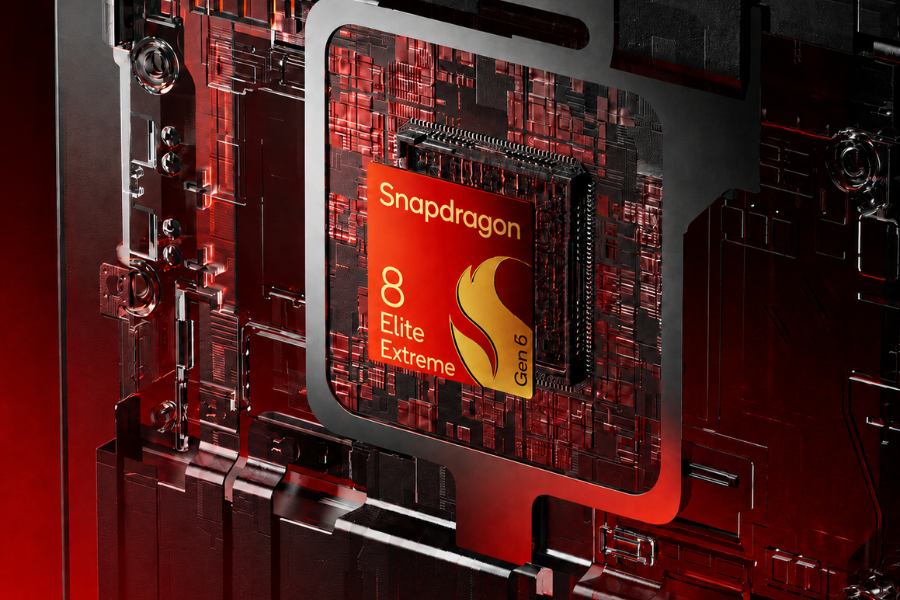
The phone comes with the latest Snapdragon 8 Elite Extreme Gen 6 chipset, built on a newer 2nm process compared to the 3nm chipset on the OnePlus 15.
And what caught my attention the most was the GPU upgrade. According to Qualcomm, the new chipset offers around 44% better GPU performance, along with a 35% improvement in NPU performance and better overall energy efficiency.
Those are some impressive numbers, but I'm more interested in how OnePlus is using that extra graphics power. And looking at the gaming features introduced this year, I can see that the company has put quite a lot of attention into this area.
185 FPS Gaming
Remember the 185Hz refresh rate I mentioned in the display section? Well, this is where things get interesting.
I already found the OnePlus 15's 165Hz display incredibly smooth, but this year, OnePlus has pushed things further with support for up to 185 FPS in selected games.
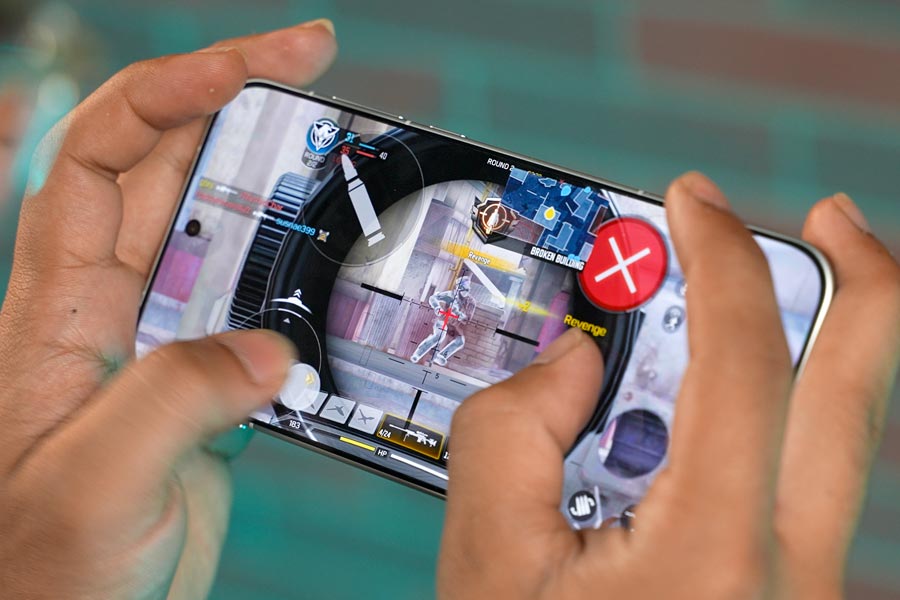
That's an extra 20 frames per second, which could make fast-paced gameplay feel even smoother and more responsive. I don't expect the difference to be as noticeable as jumping from 60 to 120 FPS, but I'm definitely curious to see how much it improves the gaming experience.
For now, OnePlus has announced support for titles like Peacekeeper Elite, the Chinese version of PUBG Mobile, and Delta Force. There are also Chinese-market games, including Valorant Mobile, that support 185 FPS gaming.
But here's something I'm a little concerned about. Not every game can take advantage of that 185Hz display, and if the games I regularly play are limited to 90 or 120 FPS, I won't be getting the full benefit of the higher refresh rate.
So, I'm particularly interested in seeing how many popular games will actually support 185 FPS, especially when the phone makes its way to international markets.
Better Touch and Gyroscope Controls
Apart from the higher refresh rate, I also found some interesting upgrades in the touch and gyroscope departments. The OnePlus 16 now comes with a dedicated T3 touch chip that supports up to a 520Hz multi-finger touch sampling rate in compatible games.
In simpler terms, this allows the screen to detect multiple finger inputs more frequently, which should help improve responsiveness during fast-paced gameplay. I can see this being particularly useful in competitive games like PUBG Mobile, where I often need to perform multiple actions simultaneously, such as moving, aiming, and shooting.
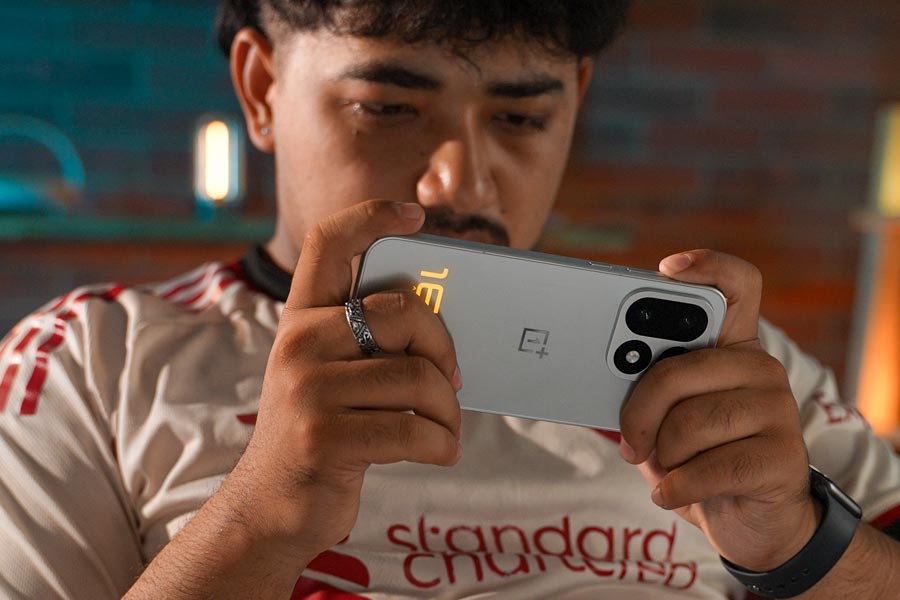
Another feature that caught my attention is what OnePlus calls a console-level gyroscope, with an 800Hz sampling rate. Since gyroscope controls rely on detecting even small movements of the phone, I think this higher sampling rate could be useful for more precise aiming and quicker responses.
But I'm curious to see whether these improvements actually make a noticeable difference during gameplay, especially compared to the already capable OnePlus 15.
Improved Cooling System
And with all that extra gaming power, I was also interested to see what OnePlus had done with the cooling system.
If you remember, the OnePlus 15 already had a pretty capable cooling setup with a large vapour chamber, and I was quite impressed with its sustained performance during longer gaming sessions.
This year, OnePlus has redesigned parts of the internal cooling structure. We still get a large vapour chamber, but the company has added a new thermal gel and upgraded graphite sheets to improve heat dissipation.
With the more powerful chipset and support for 185 FPS gaming, I think these cooling improvements could be quite important, especially when playing demanding games for longer periods.
I'm particularly curious to see whether the OnePlus 16 can maintain high frame rates without getting too hot or experiencing significant performance drops.
For now, I haven't completed my detailed gaming tests, so I don't want to make any big claims about its actual gaming performance. I'll be measuring sustained FPS, temperatures, and battery consumption, along with comparing the results against the OnePlus 15 and iPhone 18 Pro Max in my full review.
Software and UI
Besides the gaming performance, another thing I've always liked about OnePlus flagships is their software experience. My Chinese variant of the OnePlus 16 runs ColorOS 17 based on Android 17, and so far, I've really enjoyed using it. The interface feels fluid, the animations are smooth, and everything feels well-organised without being unnecessarily complicated.
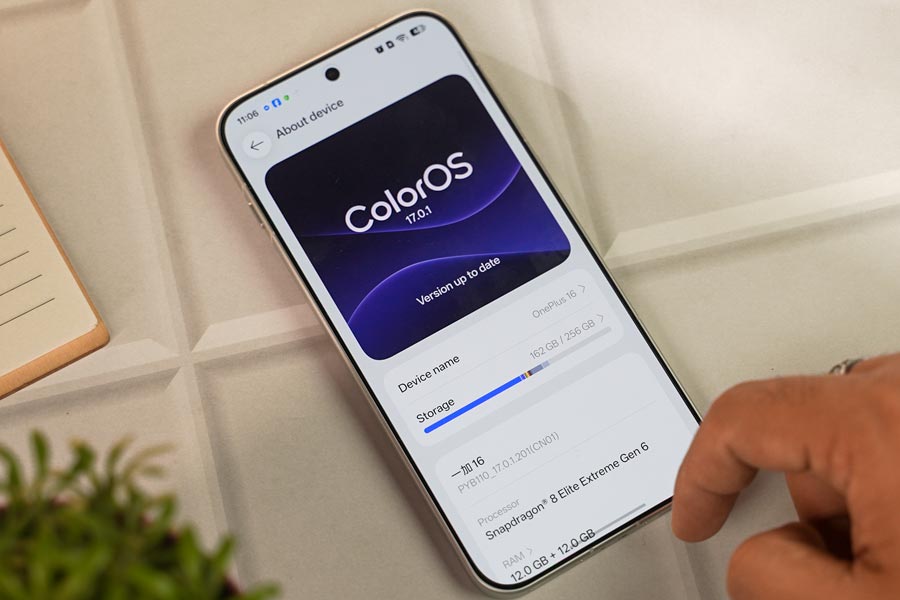
And this is one area where I personally prefer OnePlus over competitors like iQOO. Even though iQOO might offer a sharper display or equally powerful hardware, I find the OnePlus software experience more polished and enjoyable in everyday use.
I've also noticed that OnePlus has been focusing more on AI features, including tools for photo editing, note-taking, and other everyday tasks. Some of these look quite useful, but I still need more time to explore how well they actually work.
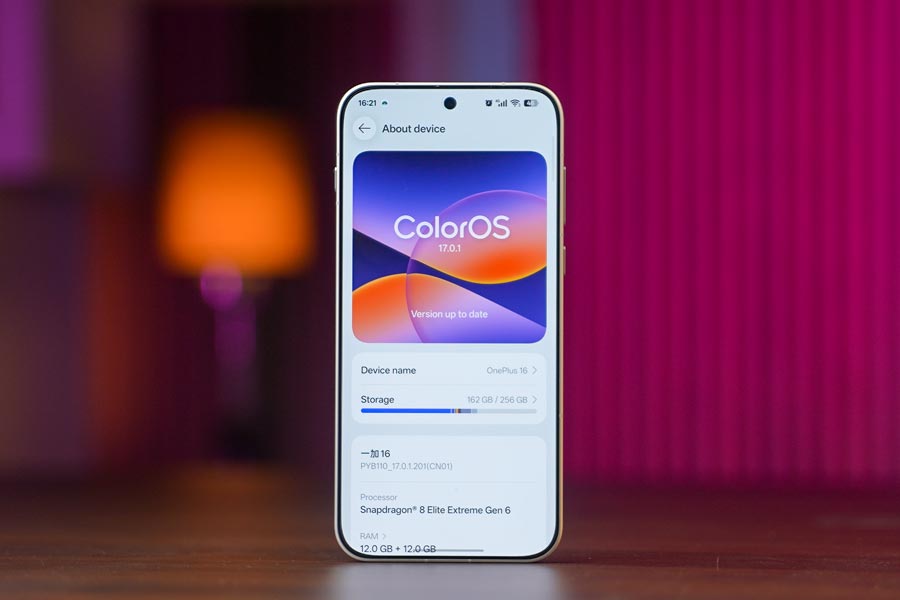
One thing worth mentioning is that I'm using the Chinese variant with ColorOS 17. The international version is expected to run OxygenOS, so the features and overall experience might be slightly different that i will share in detail after spending some more time with this phone.
Battery and Charging
- 9,000mAh silicon-carbon battery
- 100W wired and 50W wireless charging
- 27W wired reverse charging
While the performance upgrades look promising, what has impressed me the most about the OnePlus 16 so far is its battery life. Last year's OnePlus 15 already delivered excellent endurance with its 7,300mAh battery, so I was curious to see how much further OnePlus could push things this year.
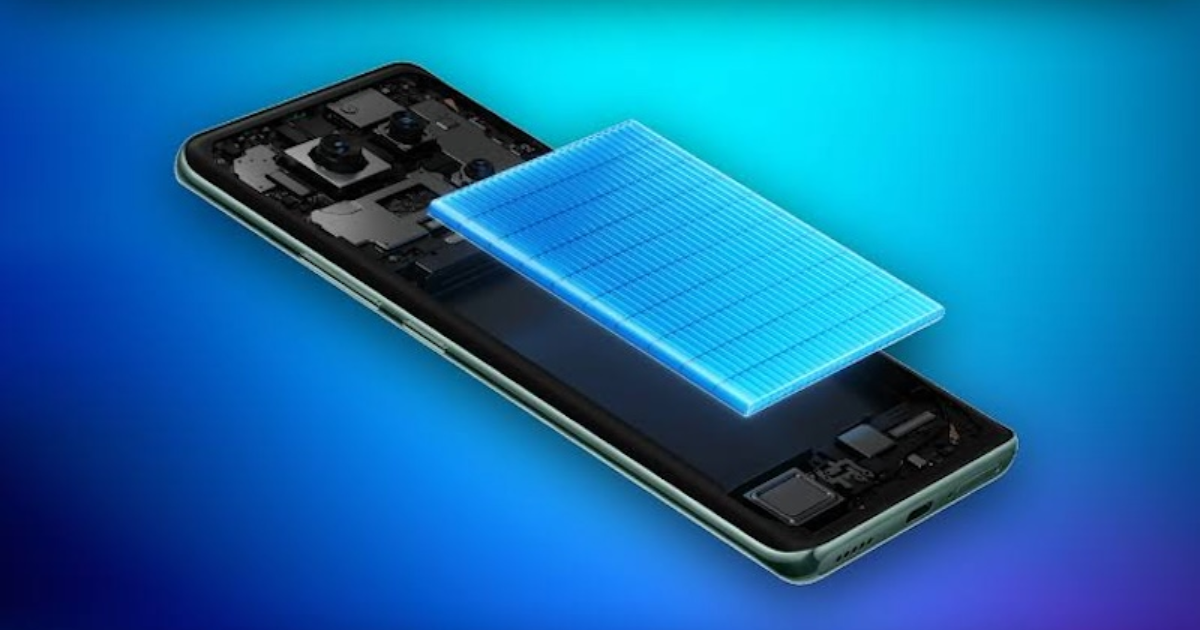
And surprisingly, OnePlus has managed to fit a massive 9,000mAh battery inside the OnePlus 16. That's 1,700mAh more than its predecessor, without making the phone significantly heavier or uncomfortable to hold.
But a bigger battery doesn't always mean better battery life, right? Well, after using the OnePlus 16 for quite some time, I can say the results have been fantastic!
Depending on my usage, I've been getting around 10 to 12 hours of screen-on time, sometimes even close to 13 hours. That's seriously impressive for a flagship phone with such powerful hardware.
Considering my experience so far, I wouldn't be surprised if the OnePlus 16 ends up becoming one of our top battery performers of the year. I'll be conducting more controlled battery tests for my full review to see just how good its endurance really is.
Charging
As for charging, OnePlus has retained the same 100W wired and 50W wireless charging support from last year. According to the company's official figures, the OnePlus 16 takes around 52 minutes to charge from 1% to 100%, which sounds pretty impressive considering its massive 9,000mAh battery.
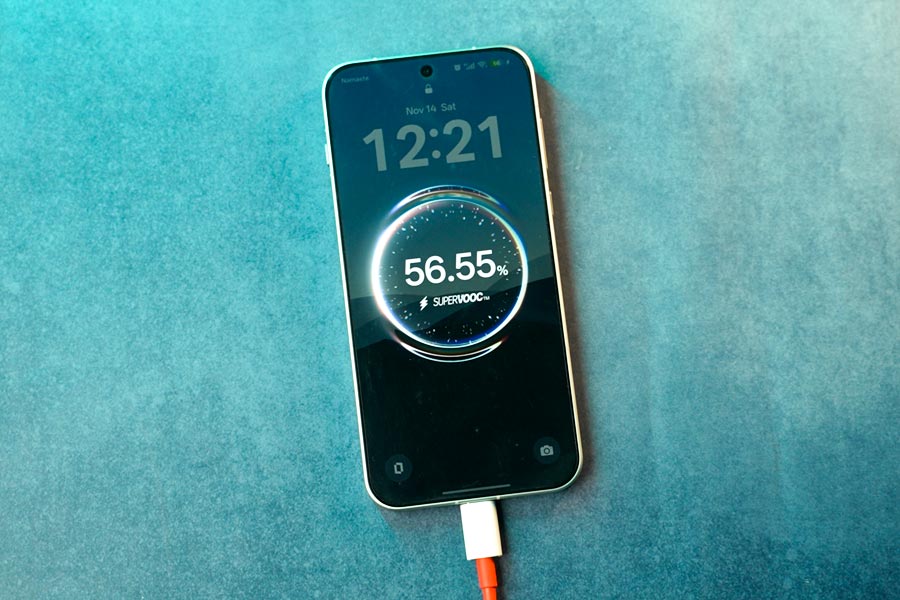
What I find more useful, though, is the 27W wired reverse charging support. With such a large battery, I can essentially use the OnePlus 16 as a power bank to charge my earbuds or even another phone when needed.
There's also bypass charging, which I think is a useful addition for gaming, as it can help reduce battery heating while playing with the charger plugged in.
So far, I'm really impressed with the battery setup OnePlus has offered this year. It's one of those upgrades I feel can make a difference in everyday use, whether I'm gaming for hours or just going through a busy day. I'll also be testing the actual charging time to see how it compares with OnePlus's claims in my full review.
My Initial Thoughts on the OnePlus 16
After spending some time with the OnePlus 16, I have mostly positive feelings about it. I've really enjoyed the massive 9,000mAh battery, the comfortable design, and the smooth software experience. The improvements to the main and telephoto cameras are also welcome, while the gaming-focused hardware looks quite promising.
But I still wish OnePlus had paid more attention to the display and ultrawide camera. And with rumors suggesting a price of around INR 1.2 lakh to 1.3 lakh in India, I'm concerned about how much it will cost in Nepal. I'm not entirely sure if these upgrades will justify the extra cost.
At a similar price range, there are options like Samsung Galaxy S26+ and iPhone 17 for a more rounded experience. And if you can stretch your budget by another NPR 20,000 to 30,000, the Xiaomi 17 Ultra, Vivo X300 Pro, and Honor Magic 8 Pro are worth considering for their overall camera performance. But honestly, I feel the OnePlus 16's biggest competition might be the OnePlus 15 itself. If the older model gets a good discount, it could actually be the smarter buy.
That said, I still have more testing to do, particularly with gaming, cameras, and battery endurance. So, I'll save my final verdict for the full review. But for now, I think OnePlus has made a good phone; whether it's worth the expected price is a different question.
OnePlus 16 Pros and Cons
| Pros | Cons |
| Excellent battery life with fast charging | Ultrawide camera needs improvement |
| Powerful gaming hardware | Still uses a 1.5K display |
| Improved main and telephoto cameras | 185 FPS limited to supported games |
| Comfortable design and weight distribution | |
| Smooth and fluid software experience |
Article Last updated: November 16, 2026