OPPO has found a gap, and this phone fits it nicely.
Why Trust Gadgetbyte?
At Gadgetbyte, we invest substantial hours into rigorously testing each product or service we review, guaranteeing that you make informed purchases. Learn more about our testing process.
Review Overview
4.1
After a month with the OPPO Reno 16, I’m impressed by its compact design, excellent battery life, and versatile software. Portraits look great, although camera consistency and performance could be better. For someone who wants a premium compact phone and rarely games, it’s a compelling option at Rs. 1,09,999.
Design & Build
9/10
Display
8.5/10
Speakers & Haptics
8/10
Software & AI
8.5/10
Performance
7/10
Cameras
8.5/10
Battery & Charging
9/10
Until recently, if you wanted to buy a compact, premium smartphone in Nepal, there were two obvious choices: Samsung or iPhone. Yes, both offer great flagship phones. But Samsung’s compact phones generally struggle to get you through a full day on a single charge, and we all know how expensive an iPhone is, nearing Rs. 2 lakh in Nepal.
Now, OPPO has come up with a new compact phone in Nepal, the Oppo Reno 16. I was excited to test it ever since its Nepal launch was announced. Thankfully, I got the review unit a month before launch and have been daily driving this little beast since then.
OPPO Reno 16 Price in Nepal (vs India)
| Variant | Price in Nepal (Official) | Price in India (Official) |
| 12/256 GB | NPR 1,09,999 | INR 72,999 (NPR 1,17,000) |
I was surprised to see the Reno 16 priced around Seven Thousand cheaper in Nepal than in India. That’s rare for Chinese phones, so I can’t complain much about its Nepal pricing.
OPPO Reno 16 Specifications
- Display: 6.32-inch AMOLED, 2640 × 1216 pixels, 1B colors, 3840Hz PWM, 120Hz, HDR10+, 600 nits (typ), 1800 nits (HBM), 3600 nits (peak), 460ppi
- Build: Glass front, Aluminium frame, Composite plastic back
- IP Rating: IP68, IP69, IP69K dust and water resistance(high pressure water jets; immersible up to 1.5m for 30 min)
- Processor: Qualcomm Snapdragon 7 Gen 4 (4nm)
- Memory: 12GB RAM, 256GB UFS 3.1 storage
- Software: Android 16 with ColorOS 16
- Rear Cameras: 50MP main (OIS) + 50MP telephoto (3.5x optical zoom, OIS) + 50MP ultra-wide
- Front Camera: 50MP with Autofocus
- Video: Up to 4K 60fps across all 4 lenses
- Battery: 6,700mAh Si/Ca Battery
- Charging: 80W SUPERVOOC, charger included
- SIM: Dual nano-SIM
- Connectivity: 5G, Wi-Fi 6, Bluetooth 5.4, NFC, USB Type-C
- Security: Optical in-display fingerprint scanner, face unlock
- Audio: Stereo speakers


I have plenty of things to share about this phone, especially about its software, cameras, and battery life. Yes, there are a few shortcomings of this phone, which we’ll also take a closer look at. But first, let’s have a look at what we get inside it’s box.
What's inside the Box?
Inside the box, you get the phone itself, a transparent silicone case, a USB-A to USB-C cable, a SIM ejector tool, and an 80W SUPERVOOC charger. So, the essentials are covered right from the start.
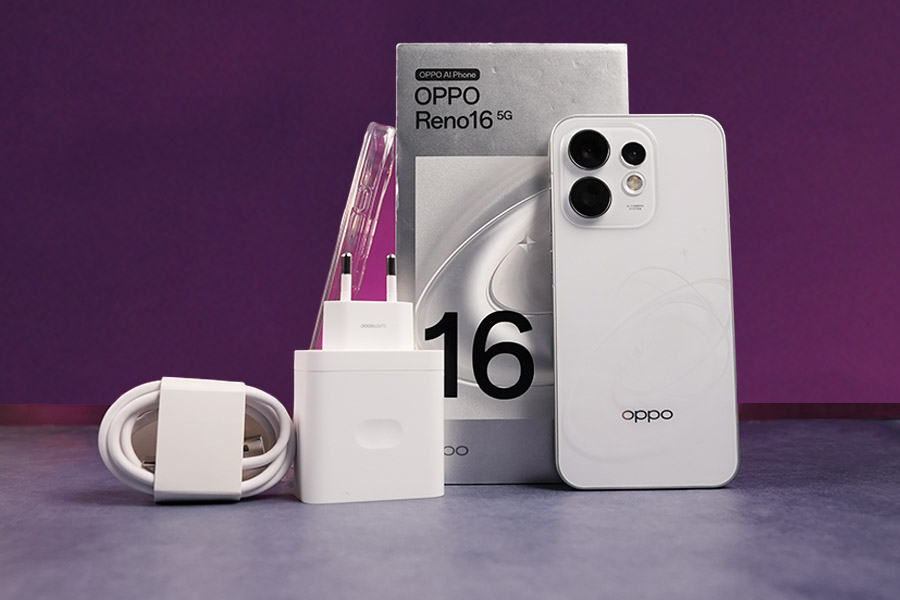
I just wish brands would move to USB-C to USB-C cables by now. It’s 2026, after all. But anyway, at a time when iPhones, Samsung phones, and even some OnePlus models don’t include a charger at all, I’m glad OPPO provides a proper 80W adapter. That’s one less thing to buy separately, and something I really appreciate.
Design and Build Quality
- Compact design, comfortable for one-handed use
- Aluminium frame with a plastic back and 3D Pop Planet finish
- IP68, IP69, and IP69K dust and water resistance
- Fast, reliable optical in-display fingerprint scanner
Now, the compact design is what first drew me to the Reno 16, and after a month of using it, that’s still one of my favorite things about this phone. It fits comfortably in my hand, and using it with one hand feels easy. If you have smaller hands or are simply tired of carrying big phones, you’ll appreciate its size. Knowing OPPO has fitted a 6,700mAh battery inside makes it even more impressive.
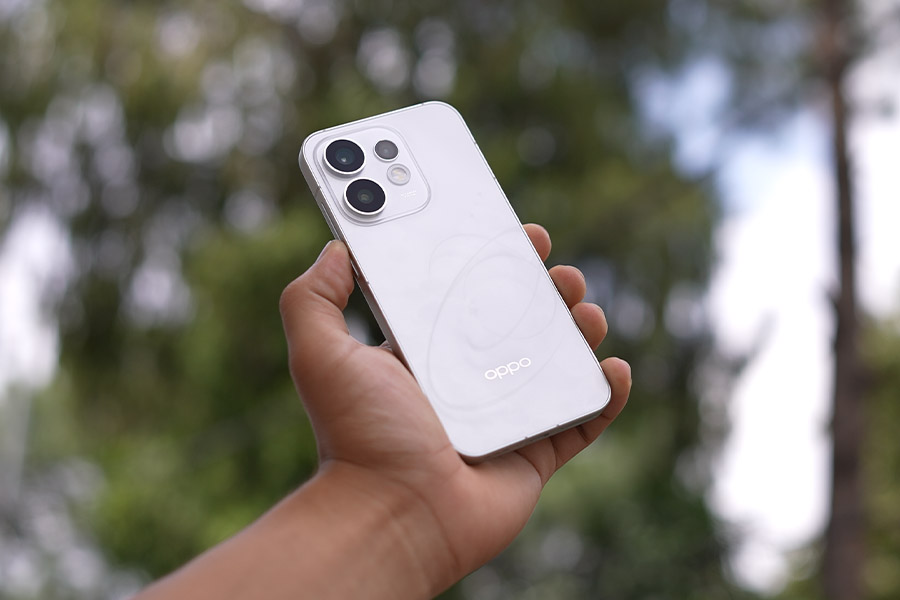
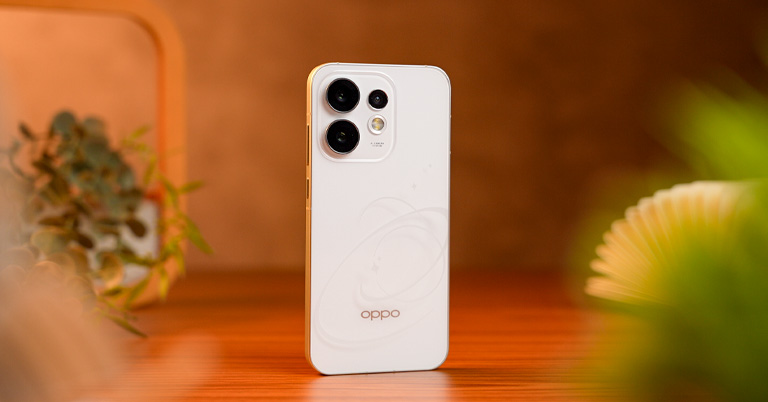
The aluminum frame adds to that premium in-hand feel, although the back on my unit is plastic. The more interesting part is what OPPO calls its “3D Pop Planet” finish. Tilt the phone, and the planet-like pattern changes with the viewing angle, creating an illusion of depth. Everyone I showed it to had the same reaction: “Wait, what is this?” Watching them tilt the phone to figure it out was quite fun. With so many phones sticking to plain, familiar designs, I appreciate OPPO trying something that makes people look twice. It gives the back a bit of personality without needing an overly complicated design.
Durability is well covered too, with IP68, IP69, and IP69K ratings for dust and water resistance. It’s reassuring to see that level of protection here, alongside the compact design.

As for unlocking, the optical in-display fingerprint scanner has been fast and reliable during my use. I would have preferred an ultrasonic sensor at this price, but the one here gets the job done without much to complain about. There’s also a dedicated Snap Key on the left, which I’ll talk more about in the software section.
Display, Speakers, and Haptics
Display Quality
Moving to the front, the Oppo Reno 16 gets a 6.32-inch AMOLED display with a 120Hz refresh rate, and I’ve been pretty happy with it. Colors look good, the resolution keeps everything sharp, and HDR works on both Netflix and YouTube. So, while you’re getting a smaller screen, the viewing experience itself is enjoyable.

Outdoor visibility has been good too. I could comfortably use the phone even on sunny days, which matters more to me than the advertised 3,600-nit peak brightness. The refresh rate also drops to 60Hz when the screen is static and goes up to 120Hz when needed.
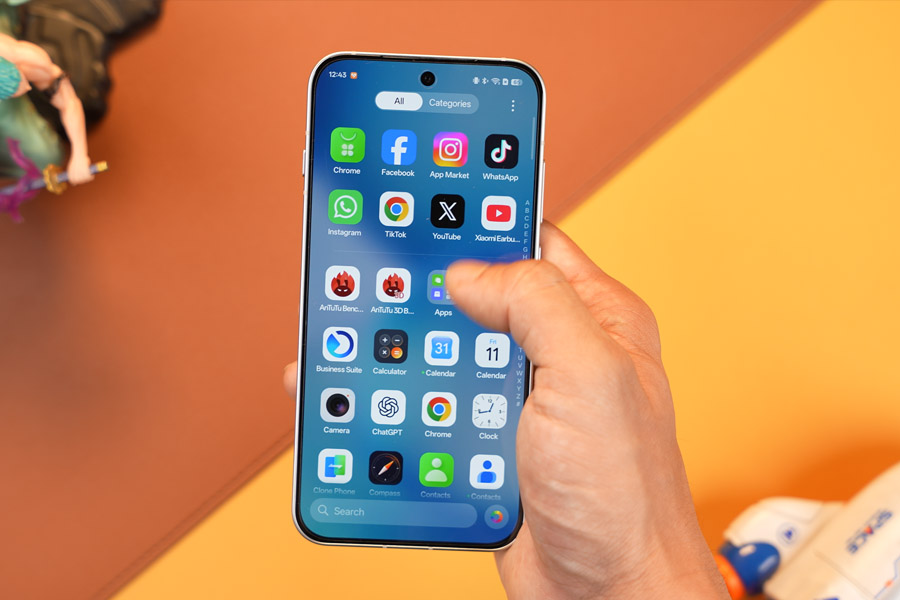
One thing I feel could be better, though, is the touch response. Scrolling looks smooth, but interacting with the screen doesn’t quite have that immediate, flagship-level responsiveness I was hoping for.
Speaker and Haptics
As for the stereo speakers, they get reasonably loud, and the sound quality is decent for a phone this compact. I wouldn’t call them exceptional, but I don’t have much to complain about either.
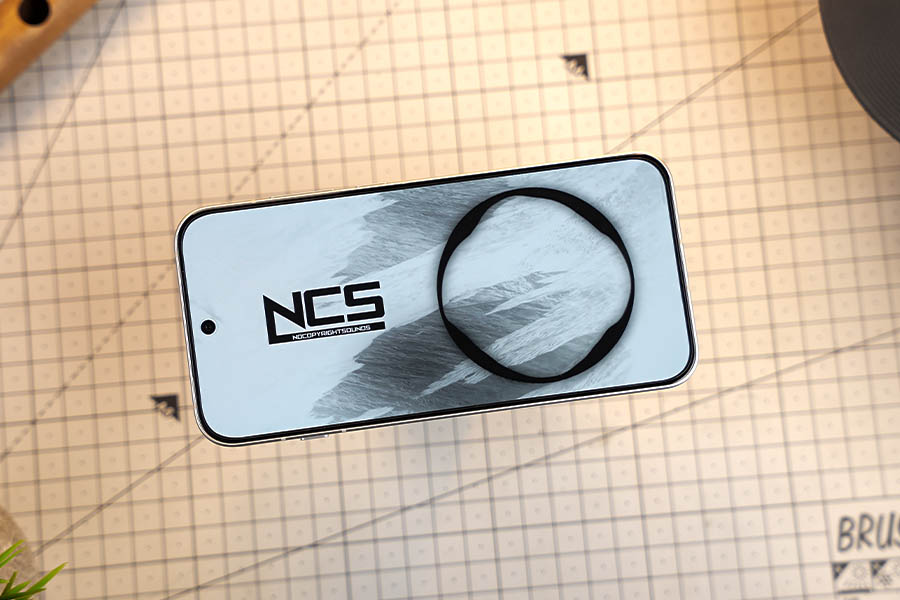
The haptics, on the other hand, are something I particularly like. OPPO’s O-Haptics delivers crisp feedback while typing and moving around the interface, adding to that premium feel. You can adjust the vibration intensity in the settings too, which is a nice touch.
Software Experience
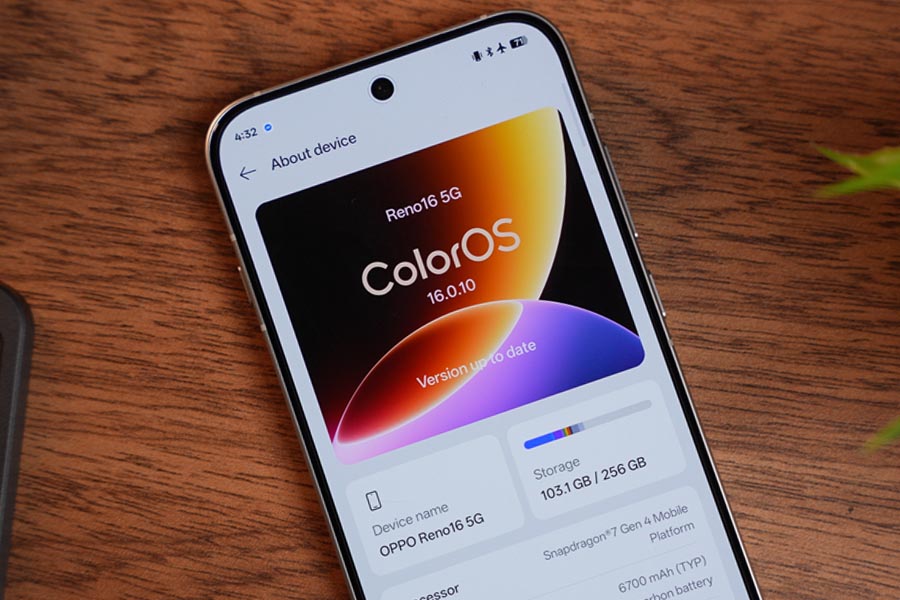
Software is another part of the Reno 16 that I’ve enjoyed using. It runs ColorOS 16 based on Android 16, and if you’ve used a recent OnePlus phone, much of it will feel familiar. The interface, animations, and customization options share a lot with OxygenOS, which I’m quite comfortable with.
What I appreciate here is that OPPO hasn’t kept all the useful software features exclusive to its flagship phones. You get tools like File Dock, which lets you temporarily store text, images, and files to move between apps. These little conveniences make a difference when you’re doing more than just scrolling through social media.
But there is one annoyance: the preinstalled apps. There are quite a few of them, and I’d recommend removing the ones you don’t need as soon as you set up the phone. At this price, I would have liked a cleaner experience out of the box.
OPPO also promises five years of OS updates, which is reassuring if you plan to keep the phone for a while.
AI Features
There’s a fairly extensive set of AI tools here too. You get writing assistance in the keyboard and Notes, web article summarization, and Live Captions for real-time transcription. The appeal is straightforward: help with rewriting something, get the main points of a long article, or follow spoken content through captions.
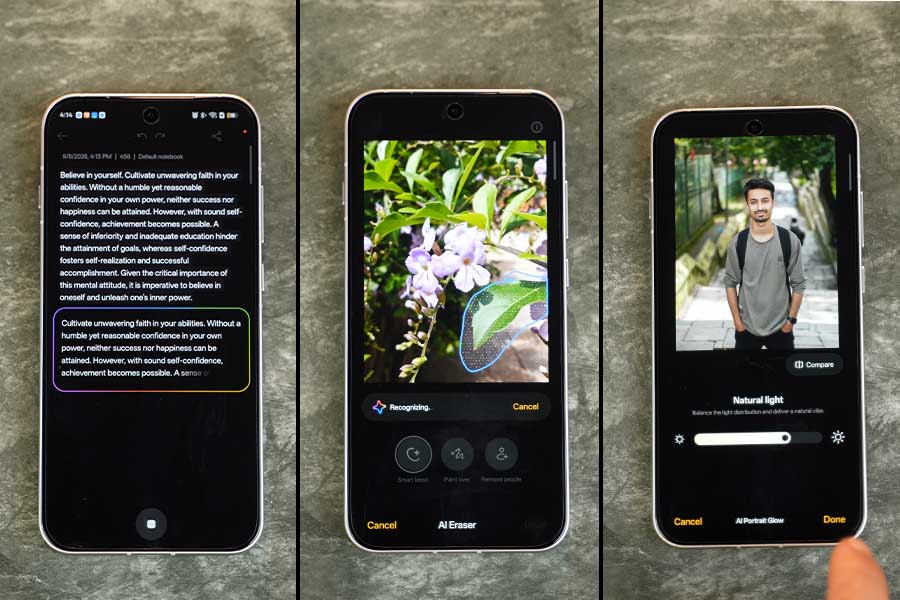
The Gallery has its own collection of tools, including AI Eraser, AI Extender, and Portrait Glow. These let you remove distractions, expand the frame, or adjust the lighting in portraits without jumping into a separate editing app. It’s a generous feature set, with plenty of overlap with what you get on the flagship OnePlus 15.
Snap Key and Mind Space
Then there’s the dedicated Snap Key on the left. By default, it opens Mind Space, where you can save screenshots and capture voice notes, with AI helping summarize that information. You can also assign the button to another supported shortcut if Mind Space isn’t something you use often.
For me, the more interesting part is the Gemini integration. It lets you ask questions about the content you’ve saved in Mind Space, so you can retrieve information through a conversation instead of manually searching through screenshots and notes.
That gives the button a useful purpose beyond simply opening an AI assistant. How much you use it will depend on your habits, but if your gallery is already full of screenshots saved “for later,” I can see the appeal.
Performance
Now, performance is where I start expecting more from the Reno 16. It comes with the Snapdragon 7 Gen 4, paired with 12GB of RAM and 256GB of UFS 3.1 storage. For a phone costing over a lakh, the chipset feels a little underwhelming. Something like the Snapdragon 8s Gen 4 would have made this package much more convincing. That doesn’t mean the Reno 16 is slow, though. It handles everyday use well, but push it harder, and you start noticing where the compromises are.
Gaming Experience and Thermals
Starting with PUBG Mobile, I got an average of 83.1fps during a 20-minute session at Smooth graphics with the 90fps option enabled. That’s a decent result, although the 5% low of 68.5fps shows it couldn’t maintain that frame rate consistently.
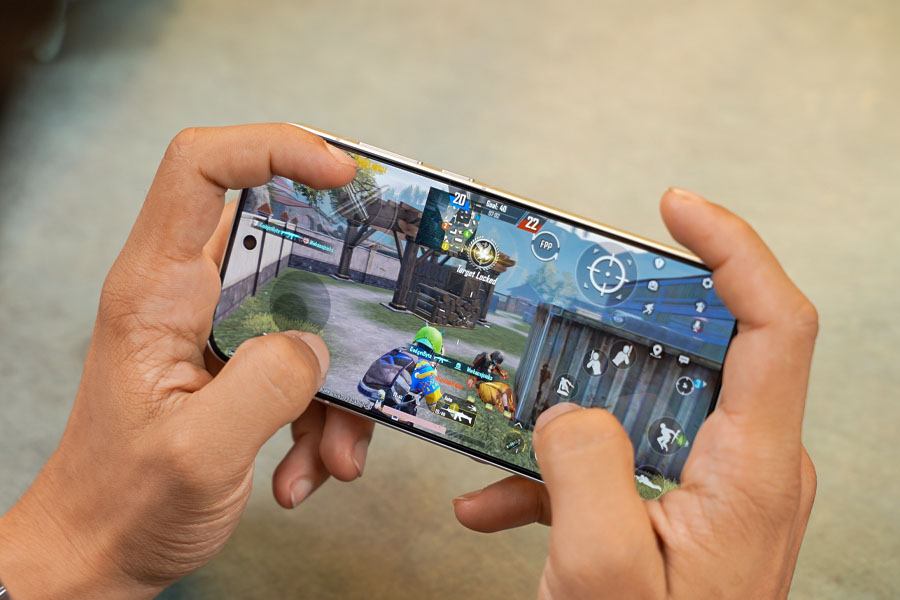
Mobile Legends fared better. At Low graphics with the 120fps option selected, it averaged 116.2fps, with a 5% low of 100.4fps. So, there’s certainly enough performance here to enjoy these games if you’re comfortable keeping the graphics settings down.
| Game | Graphics / FPS Setting | Average FPS | 5% Low FPS | Front Temperature | Back Temperature |
| PUBG Mobile (20 minutes) | Smooth / 90fps | 83.1 | 68.5 | 40.4°C | 39.3°C |
| Mobile Legends | Low / 120fps | 116.2 | 100.4 | 38.1°C | 37.5°C |
The 5% low figure helps show performance during the slower portions of gameplay.
As for thermals, the phone reached 40.4°C on the front and 39.3°C on the back during my PUBG test. Mobile Legends was less demanding, with both sides staying below 39°C. In my use, the Reno 16 does get warm when I push it with longer gaming sessions or extensive camera use. During normal day-to-day tasks, though, temperatures haven’t been a concern.
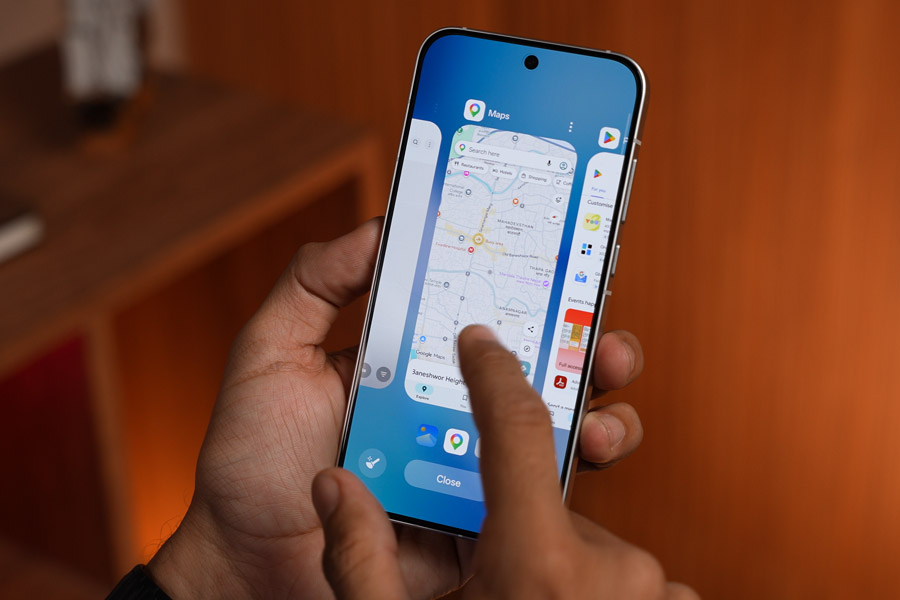
That’s something I appreciate in everyday use. Moving between apps feels comfortable, and I haven’t found myself wishing for more power just to get through my usual tasks. My complaint is more about how much processing power I’m getting for the price.
| Benchmark | Score |
| AnTuTu v11.1.5 | 1,338,104 |
| Geekbench 7 Single-Core | 468 |
| Geekbench 7 Multi-Core | 2,293 |
Cameras
Cameras were one of the things I was most interested in testing on the Reno 16. And after spending a month taking photos with it, I’ve come away with some favorites, particularly its portraits. But I’ve also noticed a few inconsistencies that stop me from being equally impressed with every camera.
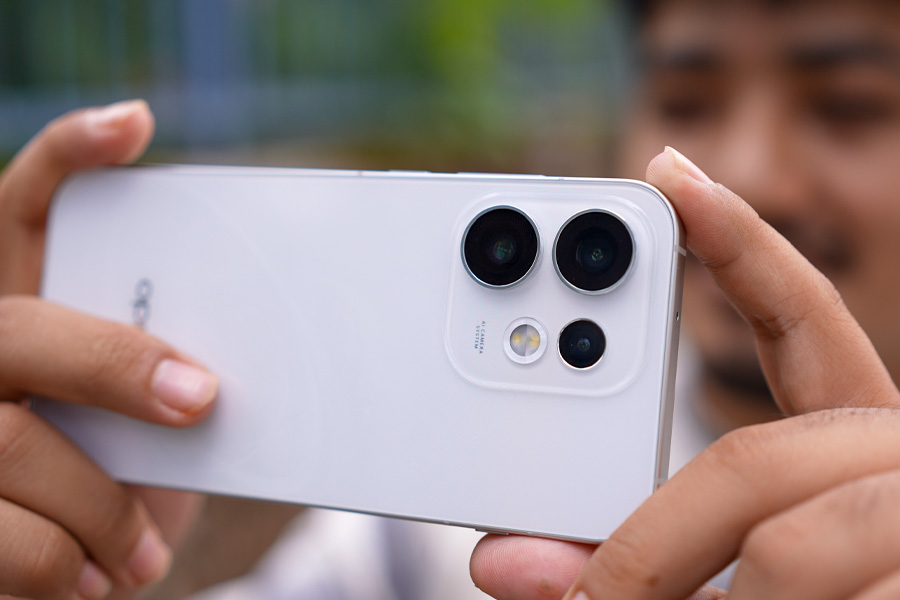
Before getting into the samples, here’s a quick look at the hardware:
- Main: 50MP Sony LYT-600, 1/1.95-inch sensor, f/1.8, 26mm, PDAF, OIS, 4K 60fps video.
- Telephoto: 50MP Samsung JN5, 1/2.76-inch sensor, f/2.8, 3.5x optical zoom, multi-directional PDAF, OIS, 4K 60fps video.
- Ultra-Wide: 50MP GalaxyCore GC50F6, 1/2.88-inch sensor, f/2.0, 16mm, 116° field of view, autofocus, 4K 60fps video.
- Selfie: 50MP, f/2.0, 18mm, 100° field of view, autofocus, 4K 60fps video.
On paper, that looks like a promising setup, with a useful camera for different situations. But how well does it all come together in actual photos? Let's start with the portraits because thats the one I like the most on this phone.
Portraits
Starting with my favourite, the Reno 16 takes some really pleasing portraits with its 3.5x telephoto camera. I particularly like the punchy contrast and color reproduction, which remind me of OPPO’s more expensive Find series.
The edge detection is impressive too. In some of my samples, it even managed to separate individual eyelashes from the background, which is the kind of small detail that makes a portrait look more convincing. This is easily the camera I’ve enjoyed using the most.
Main Camera
The main camera can take good photos, but its processing needs a little more consistency. In some situations, I noticed it made the image overly bright and pushed the highlights too far. Switching between cameras also revealed differences in color and exposure, which I would have liked OPPO to handle better.
My close-up shots, on the other hand, generally turned out well. Exposure looked balanced, colors were natural, and there was a fair amount of detail. So, the camera is capable of producing pleasing images. I just wish it delivered that balance more reliably, especially in difficult lighting.
Ultra-wide Camera
I’ve been fairly satisfied with the ultra-wide camera in good light. Photos are properly exposed, there’s a good amount of detail, and the colors look balanced and neutral.
It does struggle with high-contrast scenes, though. Shadows can become too dark, losing detail that I’d like to see preserved. Dynamic range could be better here, and that’s something I noticed across the camera setup, rather than only with the ultrawide.
Selfies
With selfies, the wide field of view is what I appreciate most. It makes fitting more people into a group selfie easier and gives you more room to include your surroundings when vlogging.
Image quality is fine too, and I don’t have any major complaints based on my samples. For me, that wider framing adds a practical benefit to a camera that already does a decent job.
Lowlight Photos
Once the light drops, the main camera remains the strongest option. I got some good-looking night time shots with decent detail and exposure, and it handled glare from lights quite well.
The ultra-wide isn’t bad either, provided there’s enough light in the scene. Details look softer, but the photos still look pleasing at a glance. The telephoto struggles more, with a noticeable loss of detail in darker conditions.
The differences in color between cameras remain visible at night too. So, while I’m happy with what the main camera can deliver, I wouldn’t expect the same quality or processing from all three rear lenses.
Video Capabilities
One thing I really appreciate is that the Reno 16 can record 4K at 60fps from all four cameras, including the front. You can also switch between the rear cameras while recording at that setting. Having that flexibility in a compact phone is a big plus, especially if you like filming different perspectives without stopping the recording.
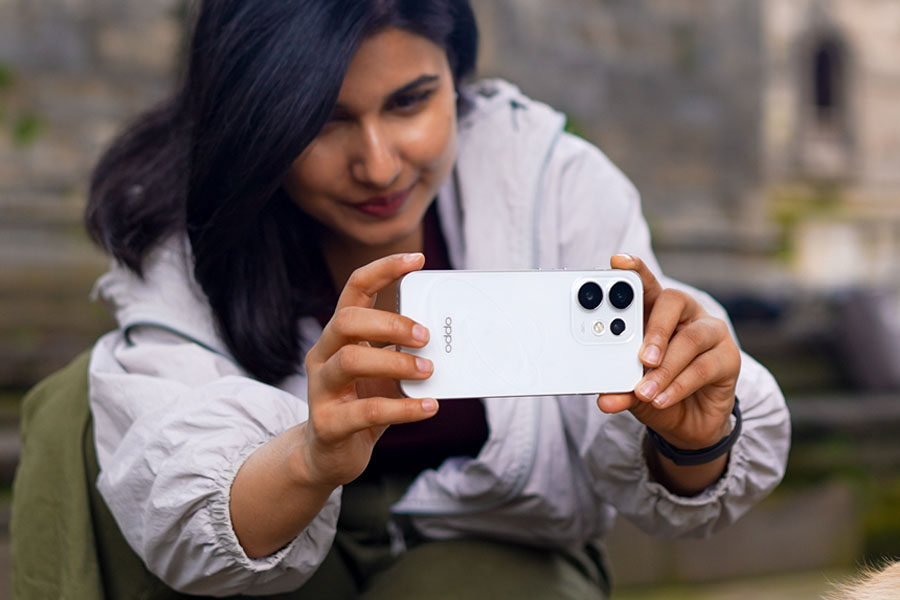
The actual video quality is okay, though I wasn’t as impressed with it as I was with the recording options. Stabilization could be better, and exposure doesn’t always stay as steady as I’d like. Those are areas where I’d want more refinement at this price.
Camera Verdict
Overall, I’d give the Reno 16’s cameras a solid 7.5 out of 10. Portraits are amazing, the wide selfie camera is very much useful, and the video options are generous. But inconsistent colors, exposure, and dynamic range hold the setup back sometimes. With better processing through some software updates, I could see it getting closer to an 8.5. For now, though, I’m judging it on the results it delivers today.
OPPO Bubble
I also tried OPPO’s optional accessory called “Oppo Bubble”, a small viewfinder display that attaches to the phone’s back using a magnetic ring. What I like about it is that you can see yourself while using the rear cameras, making it easier to frame a selfie or record yourself without guessing what’s in the shot. You can even customize its wallpaper through the OPPO Bubble app.
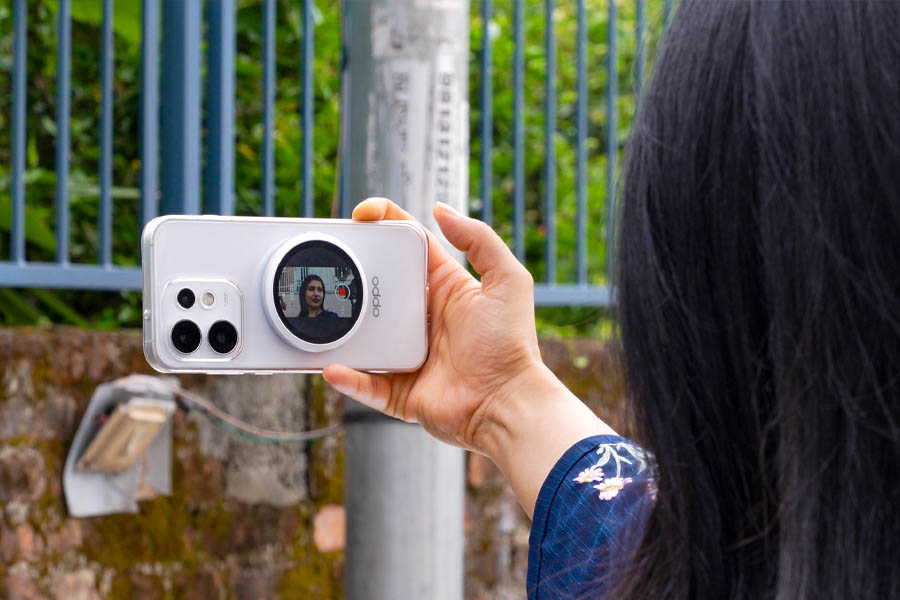
However, I noticed a slight delay in the live preview, which felt a little frustrating when adjusting the framing. I’d have liked it to be more responsive, but I can still see this being a handy accessory for someone who regularly creates content on their smartphone, especially when filming alone.
Battery Life and Charging
Now, this is the part of the Reno 16 that has impressed me the most. OPPO has managed to fit a 6,700mAh silicon-carbon battery into this compact body, and the endurance makes that number feel worthwhile. Having a phone this comfortable to hold without constantly thinking about the remaining charge is something I really appreciate.
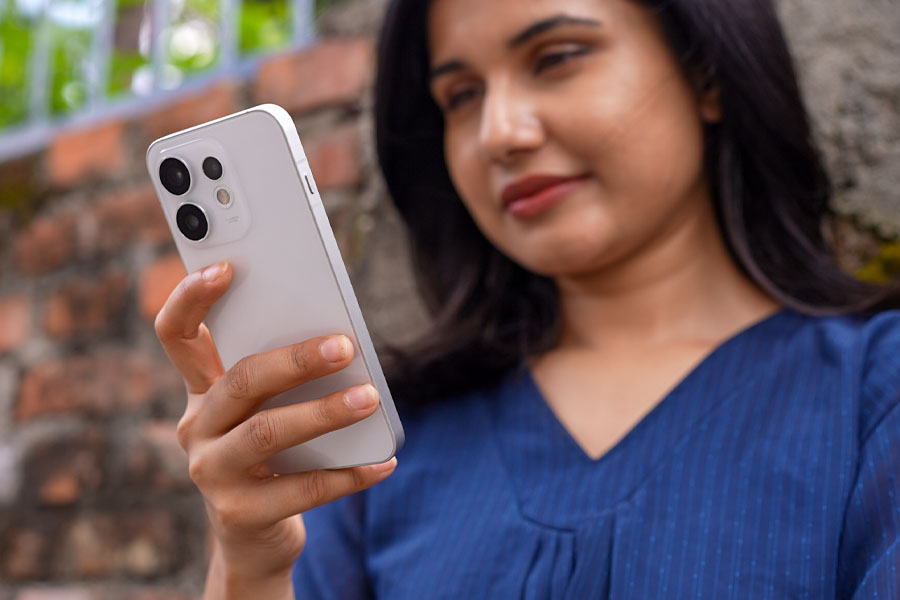
On one day during my testing, I got seven hours of screen-on time and still had 36% battery remaining by the end of the day. That’s an excellent result, especially for a phone this size. Your mileage will depend on how you use it, but based on my experience, around a day to a day and a half of regular use is a reasonable expectation. Even with heavier usage, there’s plenty of breathing room to get through the day.
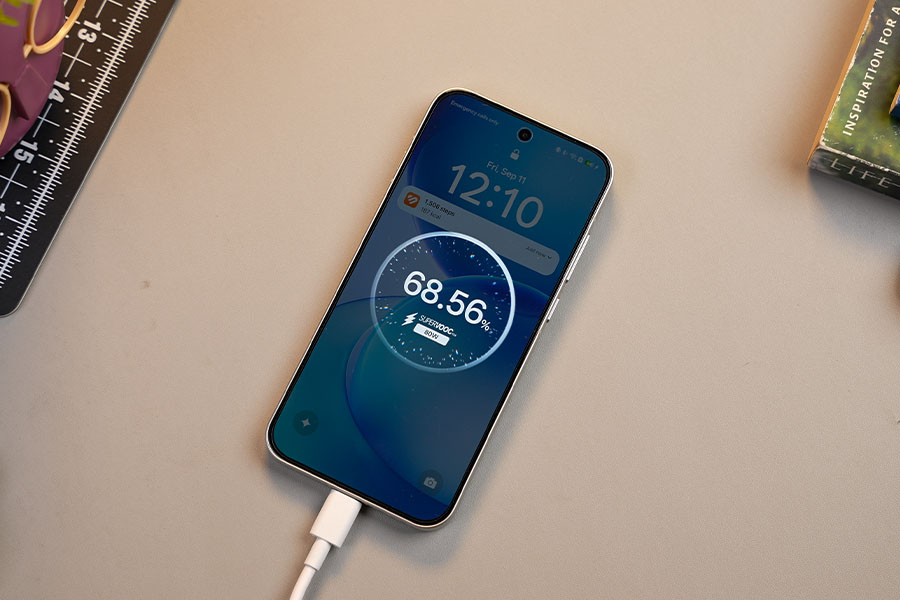
I also found the charging pretty fast, with a full charge from 0 to 100% taking around an hour. My routine was simple: plug it in when I woke up, and by the time I was ready to leave for the office, the phone was fully charged. That fitted nicely into my mornings, and having the charger included in the box made it even more convenient.
OPPO Reno 16 Review: Conclusion
After a month with the Reno 16, I’ve come to appreciate how well its strengths fit into my everyday use. The compact design makes it comfortable to carry and use, the software has plenty to offer, and the cameras are capable, especially for portraits. But the battery life is what really completes the experience for me. Getting this much endurance from a small phone is something I’d happily get used to.

Yes, I would have liked a more powerful chipset and more consistent camera processing. But if you don’t game often, it handles everyday use just fine. The price also needs some context. We’re buying phones at a difficult time, with RAM and storage shortages pushing prices higher. So, while Rs. 1,09,999 is still a lot of money, seeing the Reno 16 launch around Rs. 7,000 cheaper compared to India is a welcome surprise.
Of course, there are excellent options like the Xiaomi 17T and Nothing Phone 4a Pro around the one-lakh mark, and they’re worth considering if you prefer bigger phones. But if you specifically want a premium compact phone with excellent software, capable cameras, and amazing battery life, the Reno 16 is the one I’d go for. It fills a gap in Nepal’s market, and for the right person, I think OPPO has put together a very appealing package this time in Nepal.
OPPO Reno 16: Pros and Cons
| Pros | Cons |
|---|---|
| Compact design, comfortable one-handed use | Underwhelming chipset for the price |
| Bright AMOLED display and crisp haptics | Inconsistent colors and exposure sometimes |
| Great portraits and wide selfies | Video stabilization needs improvement |
| Feature-rich software with useful AI tools | |
| Excellent battery life, bundled 80W charger |
Also watch our Unboxing video of Oppo Reno 16 on Youtube:
Article Last updated: September 20, 2026