Why Trust Gadgetbyte?
At Gadgetbyte, we invest substantial hours into rigorously testing each product or service we review, guaranteeing that you make informed purchases. Learn more about our testing process.
Review Overview
4.2
The Redmi Note 17 Pro Max stands out with its excellent display, rugged build, massive 10,000mAh battery, and fast charging. But at Rs. 70,000, its average performance and underwhelming camera setup make it harder to recommend as an all-rounder.
Design and Build
9.5/10
Display
9/10
Audio and Haptics
8/10
Performance
7/10
Software and UI
8/10
Camera
7/10
Battery and Charging
10/10
Xiaomi has refreshed its popular Redmi Note lineup with the new Redmi Note 17 series in Nepal. This time, we have the Redmi Note 17 4G, Note 17 5G, Note 17 Pro, and instead of the usual “Pro Plus,” Xiaomi has introduced a new Redmi Note 17 Pro Max. And it brings a gigantic 10,000mAh battery, IP66/IP68/IP69/IP69K protection, a very good AMOLED display, and some genuinely impressive durability claims. But it also starts at an inflated price of Rs. 70,000 in Nepal. So after using the Redmi Note 17 Pro Max as my primary phone for almost a week, here is my full review.
Redmi Note 17 Pro Max Specifications
| Specifications | Redmi Note 17 Pro Max |
|---|---|
| Dimensions | 163.4 x 78.3 x 8.6 mm |
| Weight | 229.5 grams |
| Build | Gorilla Glass Victus 2 front, plastic frame and back |
| Durability | IP68/IP69K, up to 2m water resistance for 72 hours, up to 3m drop resistance |
| Display | 6.83-inch AMOLED, 120Hz, 3840Hz PWM, HDR10+, Dolby Vision |
| Resolution | 1280 x 2772 pixels |
| Brightness | 1060 nits typical, 2000 nits HBM, 3500 nits peak |
| Chipset | Snapdragon 6 Gen 5 (4nm) |
| Memory | Up to 12GB RAM, 512GB storage |
| Rear Camera | 50MP main, OIS + 8MP ultrawide |
| Front Camera | 32MP, f/2.2 |
| Speakers | Stereo speakers, Dolby Atmos |
| Software | Android 16, HyperOS 3 |
| Connectivity | 5G, Wi-Fi 6, Bluetooth 6.0, NFC, IR Blaster |
| Fingerprint Sensor | Optical in-display |
| Battery | 10,000mAh Si/C |
| Charging | 100W wired, 27W reverse wired |
| Price in Nepal | Rs.69,999 (8/256GB), Rs. 79,999 (12/256GB) |


Unboxing
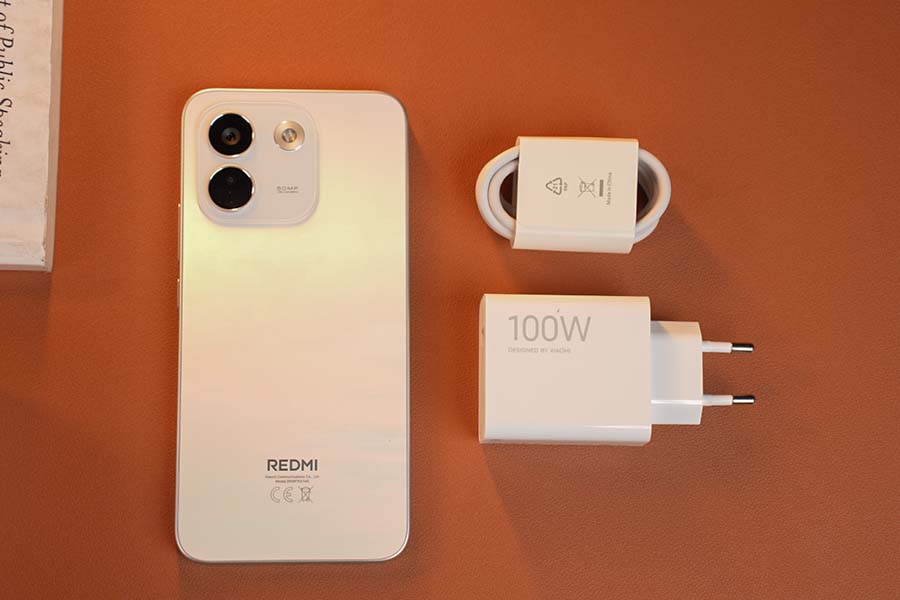
Inside the box, you get:
- Redmi Note 17 Pro Max
- A good-quality protective case
- 100W charger
- USB Type-A to Type-C cable
- Sim Ejector Tool
Design and Build
I really like what Xiaomi has done with the build quality this year. The Redmi Note 17 Pro Max carry an absurd number of water and dust resistance certifications: IP66, IP68, IP69, and IP69K.
The phone is also TÜV certified to survive in water as deep as two meters for up to three days. The display is protected by Gorilla Glass Victus 2, and Xiaomi claims the phone can survive a face-first drop from around two meters onto a marble surface.
So we actually tried it. I dropped the Redmi Note 17 Pro Max from roughly two meters onto a marble floor during our testing. And yes, the phone survived. Durability is clearly one of the strongest reasons to consider this phone.
Color-Changing Back
Another interesting design feature is the Cloud Blush color variant. Its rear panel reacts to UV light, so when you put the phone under direct sunlight, the back changes into a pinkish-orange shade.
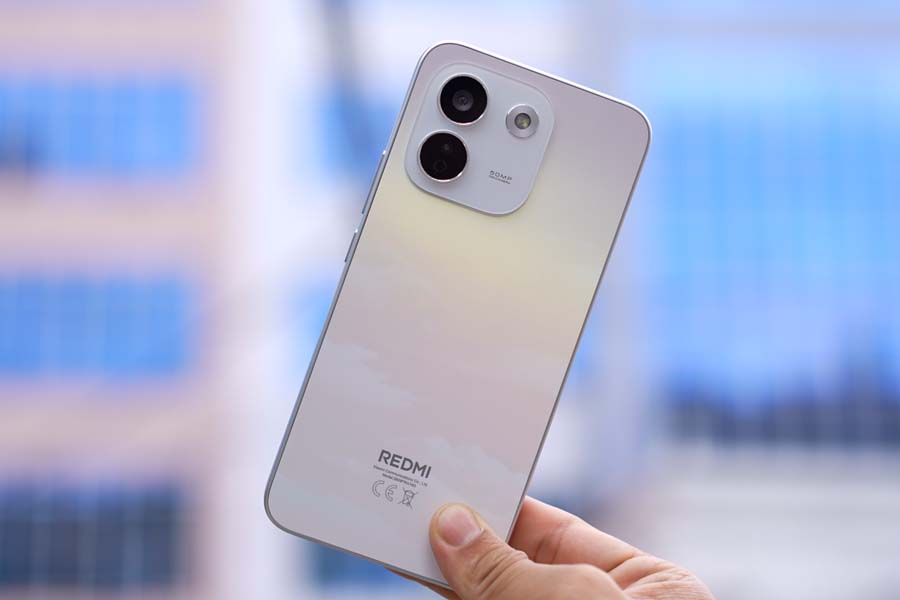
It looks unique, and it is definitely something people will notice. Personally, though, I wouldn't call it particularly useful. It is more of a fun design gimmick.
What impressed me much more is how Xiaomi has managed the weight. The Redmi Note 17 Pro Max goes all the way up to 10,000mAh. Yet they don't feel ridiculously heavy and more importantly, the weight distribution is quite good.
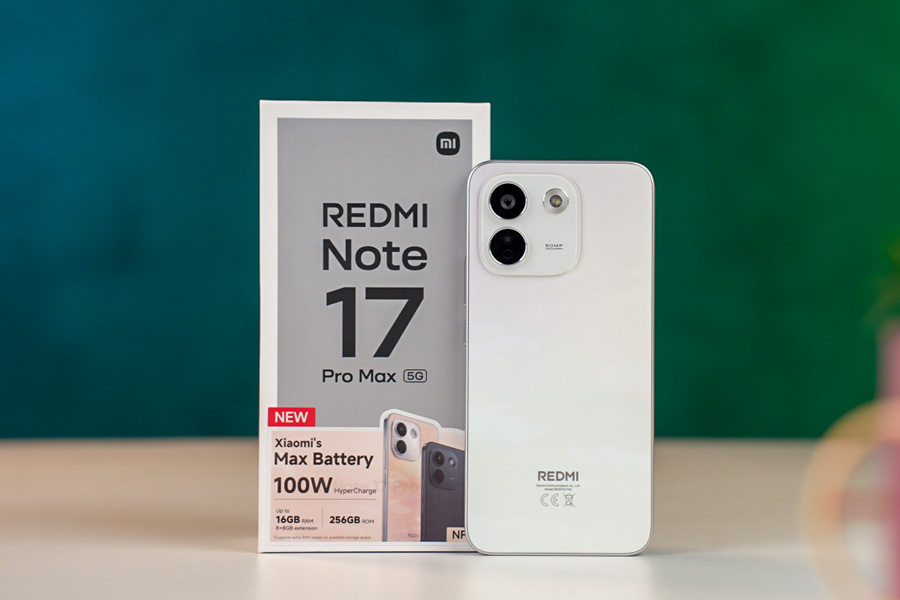
It is definitely a heavy phone, but it doesn't feel unbalanced in my hand. The boxy frame also gives it a premium feel, while the back panel does a good job resisting fingerprints. Overall, design and build quality are an easy A from me.
Display
Displays have traditionally been one of the strongest aspects of Xiaomi's Redmi Note lineup, and that continues with the Note 17 Pro Max. It feature a 6.83-inch AMOLED display with:
- 120Hz refresh rate
- 12-bit color depth
- 3840Hz high-frequency PWM dimming
- Dolby Vision
- HDR10+
The Redmi Note 17 Pro Max reaches up to 2,000 nits in High Brightness Mode, and I didn't have any major visibility problems outdoors, and content consumption is excellent.
HDR worked properly in both Netflix and YouTube during my testing too. So for watching videos, browsing, social media, and general everyday use, the screen is one of the biggest reasons I enjoyed using this phone.
Speakers
You also get stereo speakers to complement that display. The speakers are good for a midrange phone, although I wouldn't put them in flagship territory. Treble is slightly dominant and I would have liked more bass.
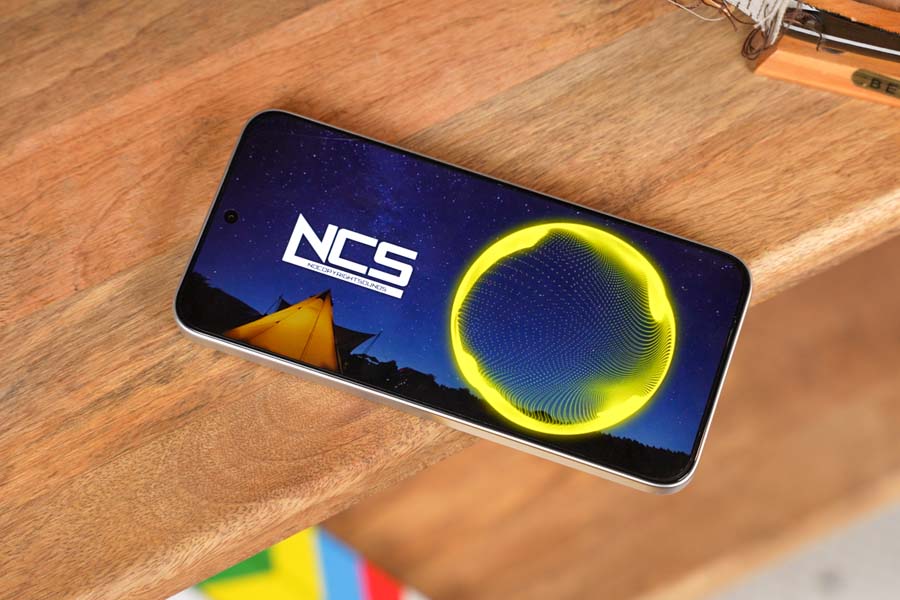
But vocals sound clear, volume is sufficient, and for YouTube, movies, and casual music listening, I had no major complaints.
Battery Life
The battery is easily the most impressive thing about the Redmi Note 17 Pro Max. I used this phone quite heavily for around five to six days. My usage involved social media, lots of Reels, taking photos and videos for testing, general productivity, and some gaming.
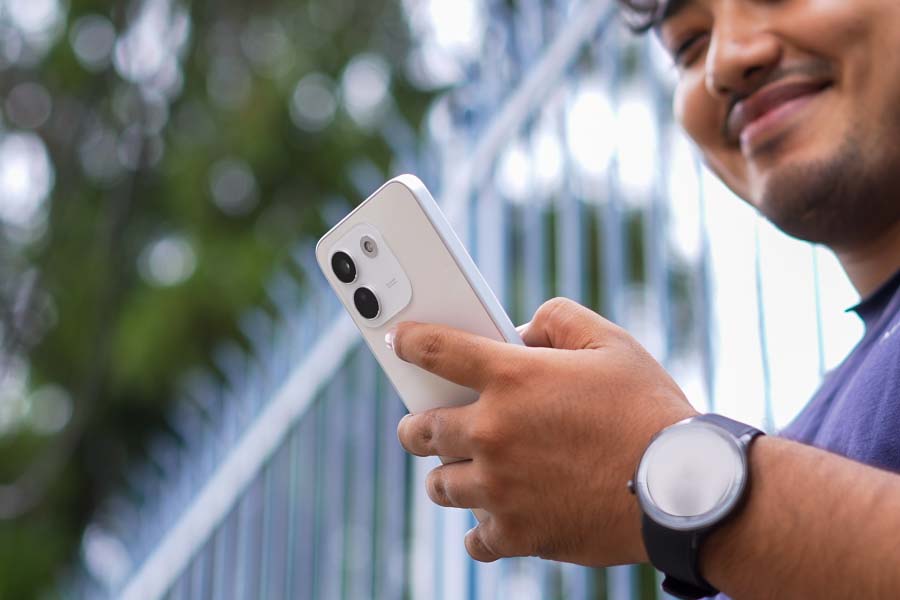
And even with that kind of usage, I could comfortably get around two days of battery life from a single charge. That is extremely impressive. For someone with more moderate usage, I can realistically see this becoming a three-day phone.
100W Charging
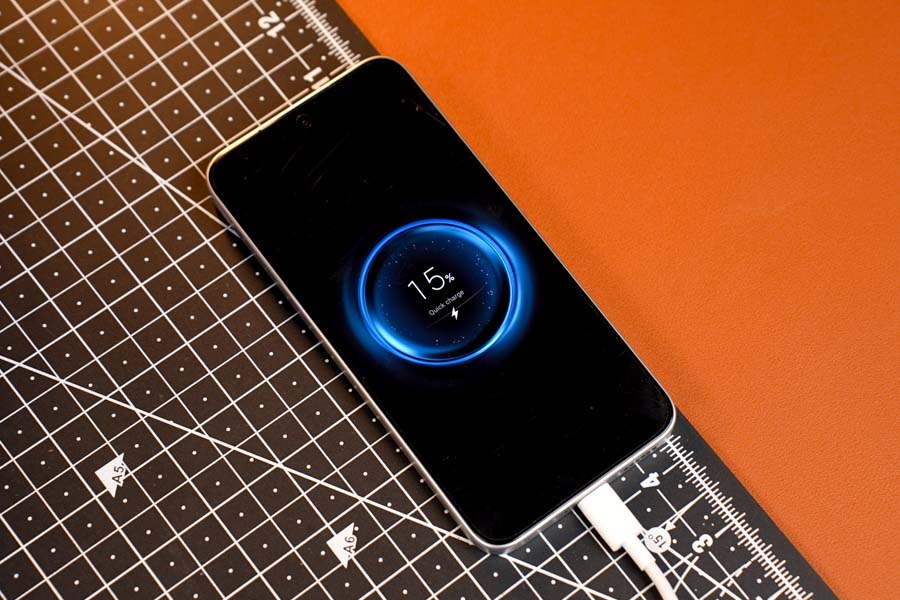
Normally, the disadvantage of having such a gigantic battery would be charging time. But Xiaomi has handled that problem pretty well too. Using the bundled 100W charger, the 10,000mAh battery takes only a little over an hour to fully charge.
Performance
Unfortunately, not everything is as impressive as the battery. Performance is probably my biggest disappointment with the Redmi Note 17 Pro series.
The Pro Max gets the Snapdragon 6 Gen 5 with faster LPDDR5X RAM and UFS 4.1 storage. But strangely enough, the chipset inside the Pro Max is weaker than what Xiaomi offered on the previous-generation Redmi Note 15 Pro Plus.
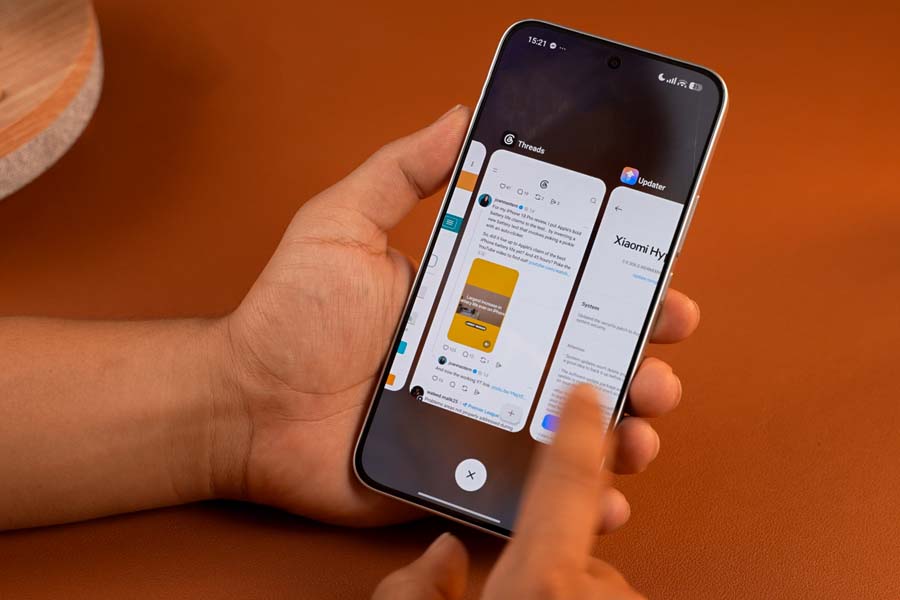
Xiaomi's software is fairly heavy, and when you combine that with a comparatively modest processor, the Redmi Note 17 Pro and Pro Max doesn't always feel as responsive as I expect from a midrange phone. Opening apps, switching between applications, and multitasking can occasionally feel sluggish.
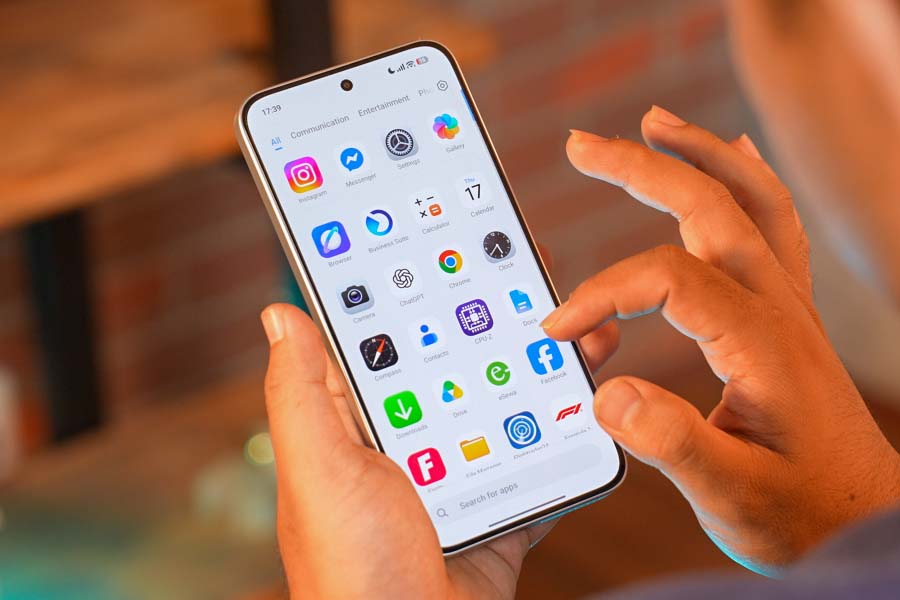
And once I compared it with competitors such as the Motorola Edge 70 Fusion, Nothing Phone 4a, or even the POCO X8 Pro, the difference became more obvious. Those phones simply feel smoother.
The good news is that heating wasn't a problem for me. Even during heavier use, I never felt that the phone became uncomfortably hot. So Xiaomi seems to have managed thermals reasonably well.
Gaming
Gaming follows the same pattern as general performance. The Redmi Note 17 Pro Max can certainly handle most modern games, but this isn't the phone I would recommend if gaming performance is high on your priority list.

For casual gaming, it is perfectly usable. But if you care about consistently smoother frame rates and stronger GPU performance, something like the POCO X8 Pro makes significantly more sense around this budget.
Software
There is at least some good news regarding software support. Xiaomi is promising: 4 years of Android OS updates and 6 years of security updates.
However, my concern is less about update longevity and more about optimization. The software experience itself is feature-rich, but the combination of Xiaomi's heavy UI and the Snapdragon 6 Gen 5 doesn't always feel completely optimized.
Cameras
The camera system is the second major compromise. And in some ways, it is actually a downgrade from the previous generation.
The older Redmi Note 15 Pro Plus offered a 200MP main camera, whereas the Redmi Note 17 Pro Max now uses a 50MP primary camera. Of course, megapixel count alone doesn't determine camera quality. But Xiaomi has also moved to a smaller sensor. More importantly, there is no telephoto camera. Once a smartphone reaches the Rs. 70,000 price bracket, I think having a proper telephoto camera becomes increasingly important.
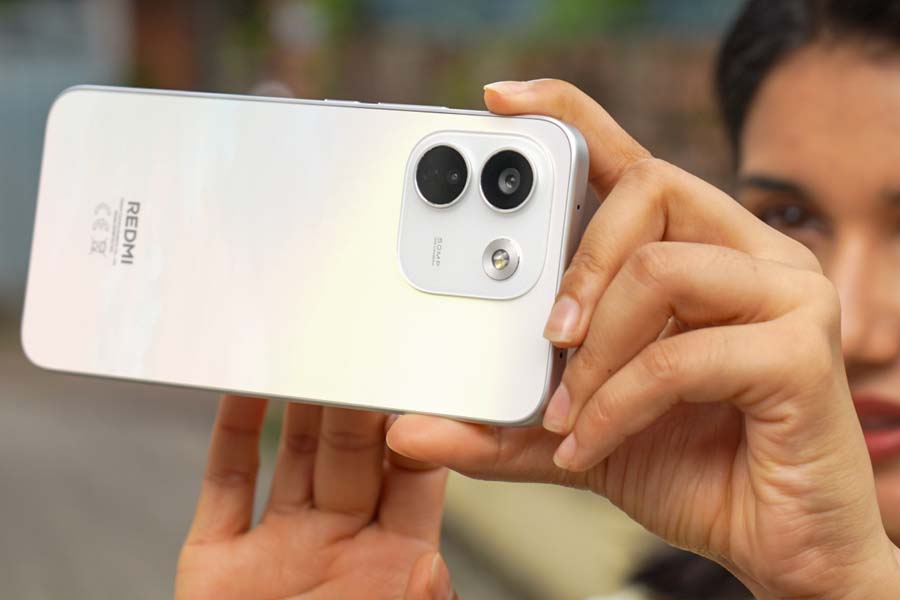
After using the Redmi Note 17 Pro Max, I genuinely missed having one. You can take 2x crops from the main sensor, equivalent to roughly a 52mm perspective, but it isn't the same experience. And particularly for portraits, I don't love the perspective you get from the main camera at 2x.
I think Xiaomi should have included at least a 3x telephoto camera on something carrying the Pro Max branding.
Main Camera
That said, the main camera itself is not bad. In daylight, I generally got pleasing photos with decent colors and respectable details.
Low-light photography is also usable. I wouldn't describe the camera as bad at all. It is simply okay, which becomes a problem mainly because of the phone's Rs. 70,000 price. At this level, I expect something more than okay.
Video
The main camera supports video recording at up to 4K 30fps. Daytime video quality is reasonably good, while stabilization is acceptable. I wouldn't call it best-in-class, but it gets the job done.
Low-light video is much less convincing. I tested the phone at night around Basantapur, and some of my footage showed noticeable wobbling while walking. You also cannot switch freely between lenses while recording, which limits flexibility.
Ultra-wide Camera
The 8MP ultra-wide camera is another fairly average sensor. It can produce usable photos in good lighting, but detail isn't particularly strong. Again, it isn't terrible. But there is nothing about it that feels appropriate for a phone trying to move into a higher midrange price category.
Selfies
The selfie camera performed better than I expected. I generally liked the Skin tones Highlight management and Facial detail
Selfie video is also decent. The field of view isn't particularly wide, but I appreciate that you can record in 4K.
Redmi Note 17 Pro Max Review: Verdict
The Redmi Note 17 Pro series arrives at an unfortunate time. Memory costs have increased and smartphone prices have gone up across the industry. So I understand why Xiaomi has had to raise prices. But the bigger issue is that the Redmi Note 17 Pro series hasn't improved enough to justify that increase. In some areas, it has actually gone backwards compared to previous Redmi Note Pro phones.
That said, there are still three things these phones do extremely well: 1. Display, 2. Durability, and 3. Battery life. If those are your top three priorities, particularly battery life, then the Redmi Note 17 Pro Max is one of the most interesting phones you can buy.
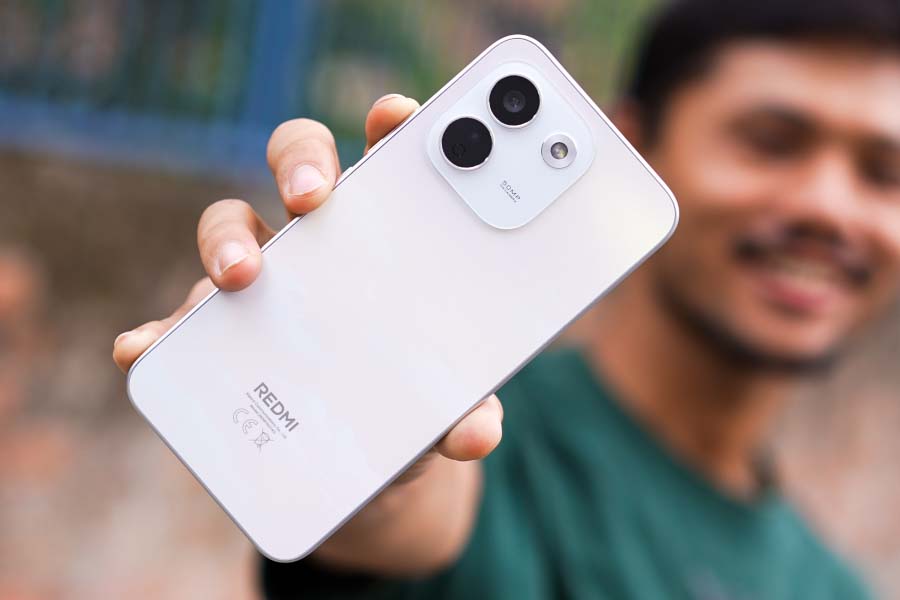
But outside those areas, the value proposition becomes much harder to defend. If gaming is your priority, I would buy the POCO X8 Pro instead. You get significantly better performance and smoother gaming. If you care more about cameras, something like the Nothing Phone 4a makes more sense to me, especially because you are getting a proper 3x telephoto camera.
And this leads to my bigger conclusion. At current smartphone prices, I think spending slightly more can sometimes give you significantly better value than staying in the traditional midrange segment. If you can extend your budget by roughly Rs. 15,000 to Rs. 30,000, phones like the Vivo V70, Xiaomi 17T, or Nothing Phone 4(a) Pro become much more interesting.
Compared to the Redmi Note 17 Pro Max, those phones give you two major improvements: First, substantially better performance and a smoother overall software experience. Second, a much better camera system. And personally, I think those improvements are worth paying extra for.
Redmi Note 17 Pro Max Review Pros & Cons
| Pros | Cons |
|---|---|
| Excellent durability and build quality | Weak chipset for the price |
| Very good AMOLED display | UI can feel sluggish |
| Outstanding 10,000mAh battery | No telephoto camera |
| Long software support | Camera system is arguably a downgrade from the older Pro Plus |
Article Last updated: October 12, 2026