After 3 months with the Samsung Galaxy S26 Ultra, here’s my long-term review covering design, display, performance, battery, cameras, and whether it is still worth buying.
Why Trust Gadgetbyte?
At Gadgetbyte, we invest substantial hours into rigorously testing each product or service we review, guaranteeing that you make informed purchases. Learn more about our testing process.
Review Overview
4.7
The Galaxy S26 Ultra is still one of the most polished flagship phones you can buy right now. It has an excellent design, a fantastic display experience, and absolutely the most stable Android experience. But it is no longer the clear “best at everything” flagship. After using phones like the Vivo X300 Ultra and OPPO Find X9 Ultra, it is very clear that Samsung is now behind in certain areas: especially battery endurance, zoom camera performance, macro photography, and overall camera hardware. So, the S26 Ultra is still the safest flagship for most people. But if your priority is the absolute best camera experience, Samsung is no longer the winner.
Design & Build
9.5/10
Display
9.5/10
Performance
10/10
Software & UI
10/10
Audio and Haptics
10/10
Back Camera
9/10
Front Camera
8.5/10
Battery And Charging
8.5/10
It has now been more than three months since Samsung launched the Galaxy S26 Ultra, and since then, this has been my main phone. But honestly, the S26 Ultra has been a little controversial this year. Some people think Samsung has become too safe and too comfortable with its Ultra phones, while others still believe this is the best Android flagship phone to buy right now.
And this year, the competition is even more serious because OPPO and Vivo have finally brought their Ultra phones to the global market. These phones are no longer just China-exclusive, and after using them side by side with the S26 Ultra, one question kept coming to my mind: has Samsung become a little too comfortable?
So, after using the S26 Ultra for more than three months, here is my long-term review, including the things I still love about this phone, and the areas where Samsung seriously needs to improve with the S27 Ultra.
Samsung Galaxy S26 Ultra Specifications
- Display: 6.9-inch Dynamic LTPO AMOLED 2X, 120Hz, QHD+, 2600 nits peak
- Protection: Gorilla Armor 2 front, Gorilla Glass Victus 2 back, IP68 rating
- Build: Aluminum frame, 214 grams, built-in S Pen
- Chipset: Snapdragon 8 Elite Gen 5
- Memory: Up to 16GB RAM, 1TB storage, UFS 4.x
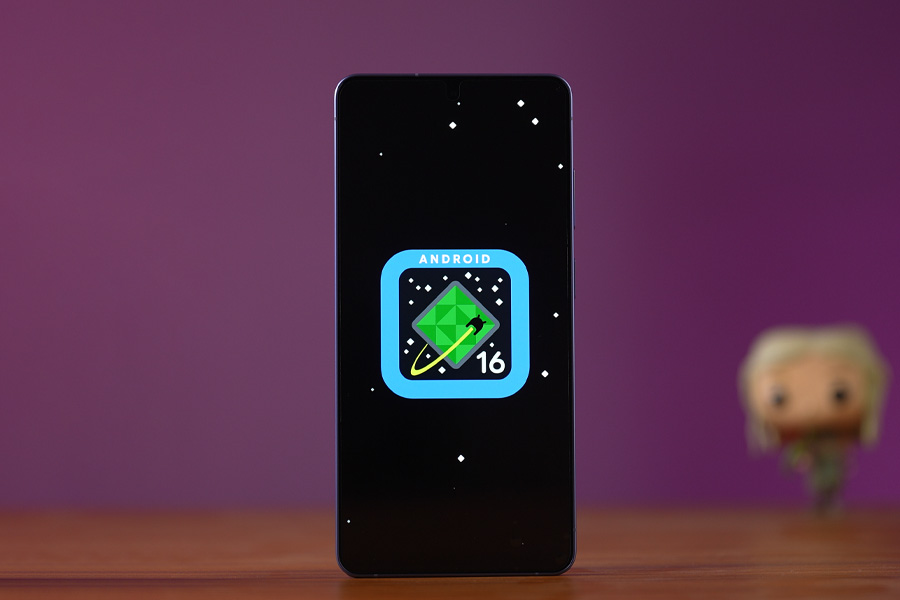
- Software: Android 16 with One UI 8.5, 7 major OS upgrades
- Rear Camera: 200MP main + 10MP 3x telephoto + 50MP 5x telephoto + 50MP ultrawide
- Front Camera: 12MP selfie camera
- Video: Up to 8K 30fps rear, 4K 60fps front
- Battery: 5,000mAh
- Charging: 60W wired, 25W wireless, reverse wireless charging
- Connectivity: 5G, Wi-Fi 7, Bluetooth 6.0, NFC, UWB
- Extras: Ultrasonic fingerprint, stereo speakers, Samsung DeX, Privacy Display


Design and Build
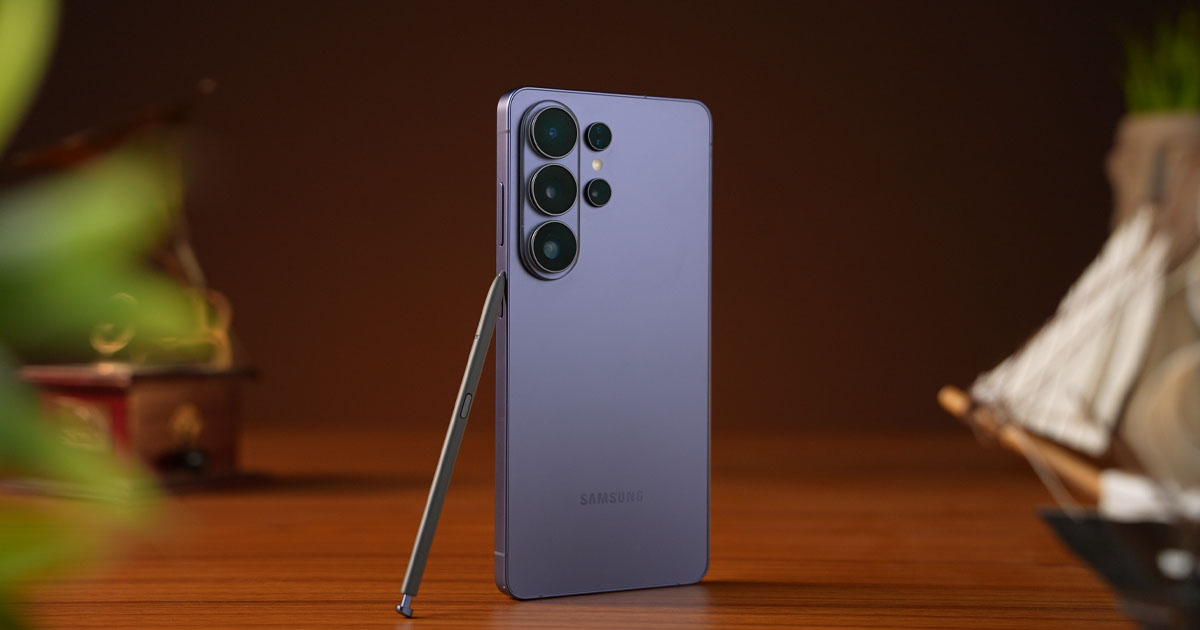
Let me start with one of the most underrated things about the S26 Ultra, and that is the design. Yes, this is still a big phone. But somehow, Samsung has managed to make it feel much lighter, more balanced, and more comfortable than most other large flagship phones I have used.
I have also used the OPPO Find X9 Ultra and Vivo X9phones recently, and because of their huge camera modules, they feel a little bulky and top-heavy in the hand. The S26 Ultra, on the other hand, feels much more balanced. So, without a doubt, I think this is the best-feeling flagship phone right now.
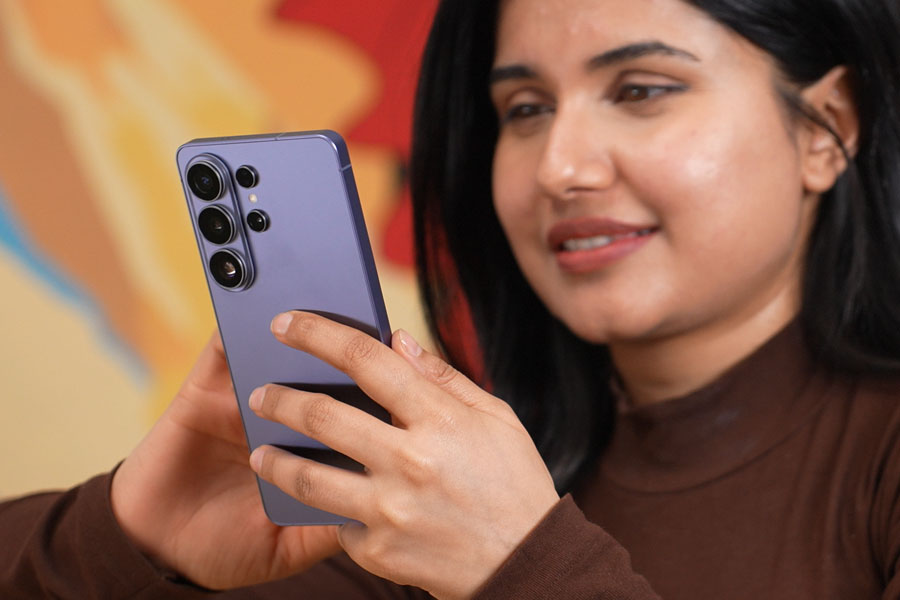
Samsung has been making small design improvements for years, and with the S26 Ultra, I feel like all of those refinements have finally come together. The phone feels slim, comfortable, well-balanced, and premium. And of course, Samsung still includes the S Pen inside the phone. I really hope Samsung does not remove it in the future because I still find it useful for sketching, taking notes, and small productivity tasks.
But one thing I did not like this year is the frame material. Samsung has moved away from titanium and gone back to aluminum. And in my usage, this was noticeable. I dropped the phone once on concrete from around one meter, and the frame picked up visible scuffs and dents. I cannot say titanium would have completely saved it, but I do feel it might have handled the impact better.
Display, Haptics, and Speakers
Another thing I really like about the S26 Ultra is the overall display experience. And when I say display experience, I am not just talking about the screen alone. I am talking about the combination of the display, haptics, touch response, and speakers.
This whole combination is what makes the phone feel premium in daily use, and in this area, I still think Samsung is probably the best. Technically, Samsung is still using an 8-bit panel here. It is not a 10-bit or 12-bit display like some other flagship phones. You also do not get Dolby Vision support. But honestly, I don’t really care that much because Samsung’s color tuning is just excellent.
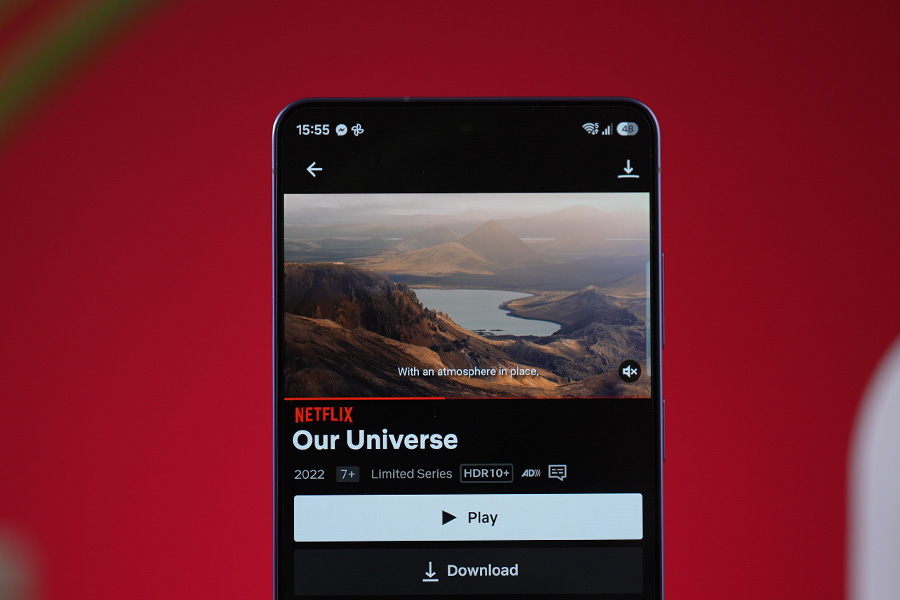
The display looks pleasing to the eyes, the touch response feels very polished, and the entire interaction feels smooth and responsive. This is something that is hard to explain properly though an article. You really need to use the phone to understand it.
The speakers are also excellent. I still think the Honor Magic 8 Pro has the best speaker setup overall, but compared to most other Ultra phones, the S26 Ultra sounds louder, clearer, and more immersive. So, for watching videos, browsing social media, gaming, or just using the phone every day, the display and speaker experience is still one of the best in the flagship segment.
Privacy Display and Brightness
Samsung marketed the Privacy Display feature quite heavily with the S26 Ultra. And to be fair, I do think this feature can be useful for certain people. If you travel a lot in public transport or frequently use your phone in crowded places, it can genuinely help. I also like that you can enable Privacy Display only for certain parts of the screen instead of the entire display.
But personally, I did not use it much apart from testing it. My life is pretty boring: I go to the office, make videos, come back home, and repeat. I also never liked privacy tempered glass before, so this feature was never something I personally needed.
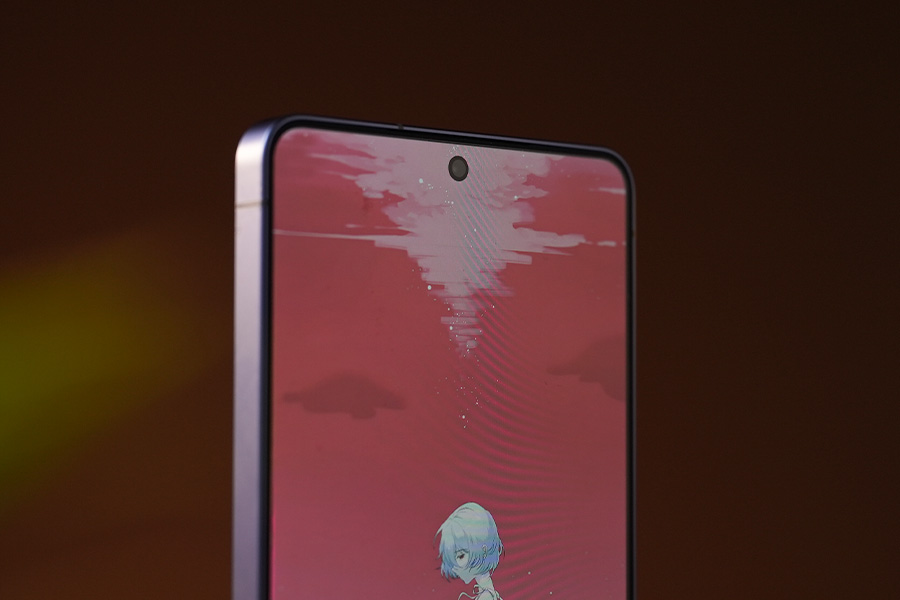
Because of this privacy display layer, there have also been some questions about the S26 Ultra’s brightness. In my usage, I did find it slightly dimmer than the S25 Ultra, but I would not call it a dealbreaker. It still gets the job done outdoors.
Low brightness, though, is fantastic. I am someone who checks Instagram and watches YouTube before going to bed, and Samsung’s Extra Dim feature is genuinely useful. It lowers the brightness and contrast even further, making the screen much easier on the eyes at night.
Software Experience
One of the best things about the S26 Ultra is the overall user experience. Gone are the days when Samsung phones used to feel unstable or slightly behind the iPhone in terms of smoothness and optimization. Right now, the S26 Ultra feels like one of the most stable phones in the market.
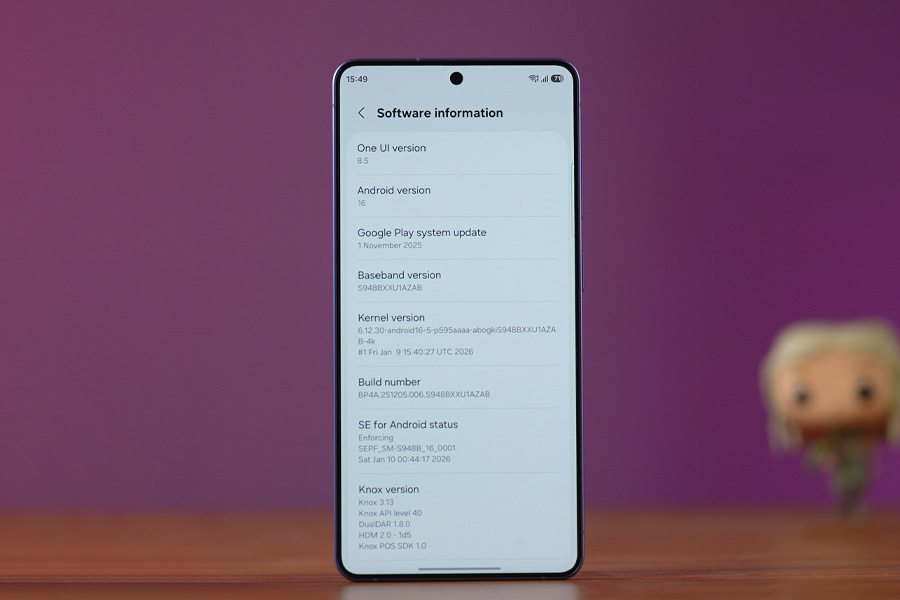
The new One UI 8.5 experience is excellent. And I am not just talking about benchmark numbers or raw speed. I am talking about how the phone feels in daily life: opening apps, switching between apps, scrolling, animations, notifications, widgets, everything.
There are also small One UI features that I really appreciate. For example, the recommended apps in the multitasking tray, minimalist widgets, organized notification center, Spotify showing at the top, and the level of customization you get with Good Lock. These small quality-of-life features make Samsung’s software feel very mature.
Performance
Performance has also been excellent. The S26 Ultra is powered by the Snapdragon 8 Elite for Galaxy, and that “for Galaxy” branding is not just a marketing term.
In simple terms, Samsung gets a better-binned version of Qualcomm’s flagship chipset. That means the chip is selected for better efficiency and performance. And you can feel that in daily use. The S26 Ultra is not just fast, it is also surprisingly cool.
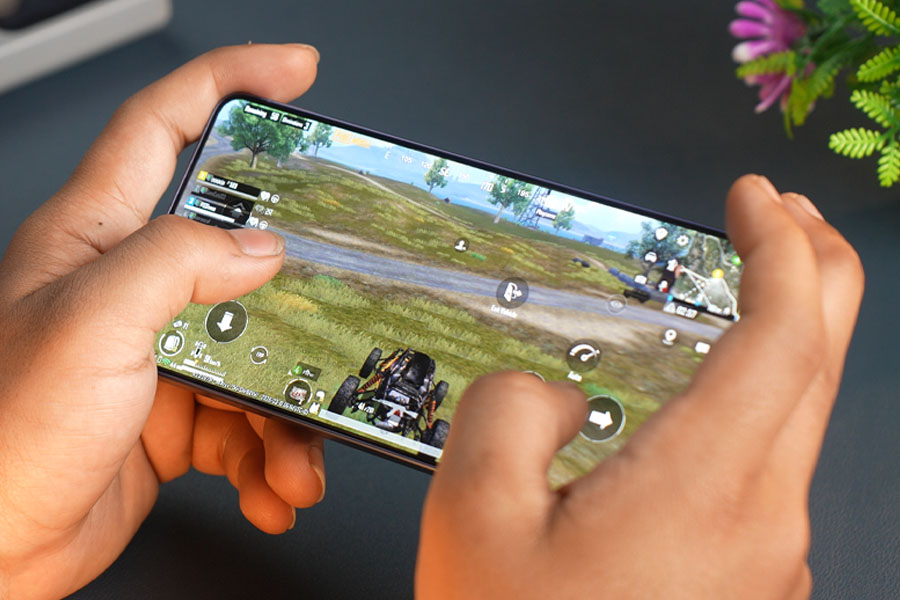
It is already summer, I use the phone with a case, and even then, the phone does not heat up like crazy. Yes, it gets warm while playing heavy games or charging, but compared to many other Snapdragon flagship phones, the S26 Ultra stays noticeably cooler. So in terms of performance, stability, and thermals, I have very little to complain about.
AI Features
One thing I still don’t understand about Samsung is this: they talk so much about AI, but they are missing one very practical AI feature that I have seen on phones like Nothing and OnePlus.
On those phones, you can press a button to quickly save a screenshot, or long-press it to start a voice memo. These screenshots and voice notes are then organized in one place, and the phone can summarize them. Since this is also connected with Gemini, you can later ask questions about those saved screenshots or voice memos.
That is a genuinely useful AI feature. Samsung is working closely with Google on AI, so I am surprised something like this is still missing. Samsung does have a lot of AI features, but I hope the company focuses more on practical AI tools like this in the future.
Battery Life
Battery life is one of the weaker areas of the S26 Ultra, especially after using Chinese flagship phones in 2026. Samsung is still using a much smaller 5000mAh battery compared to what brands like Vivo, OPPO, Honor, and Xiaomi are offering now. And because of that, in my usage, I was getting around 7 to 8 hours of screen-on time at best.
Now, that might sound fine for some users. But for someone like me, by the evening, before I even left the office, the phone would often already be low on battery.
Another thing I don’t like about Samsung phones is the behavior below 5%. Unlike an iPhone, the S26 Ultra does not give me the same confidence that it will survive a little longer. Once it reaches that low-battery zone, it feels like the percentage drops very quickly.
So, battery is definitely one area where Samsung needs to improve. I really hope Samsung finally brings silicon-carbon battery technology which opens up for a much larger battery, with the S27 Ultra.
Cameras
Now let’s talk about the most controversial part of the S26 Ultra for me: the cameras. Some of the big camera sensors used by Chinese flagship phones are actually made by Samsung’s own camera division. But Samsung itself is not using those high-end, bigger sensors in its own Ultra phone.
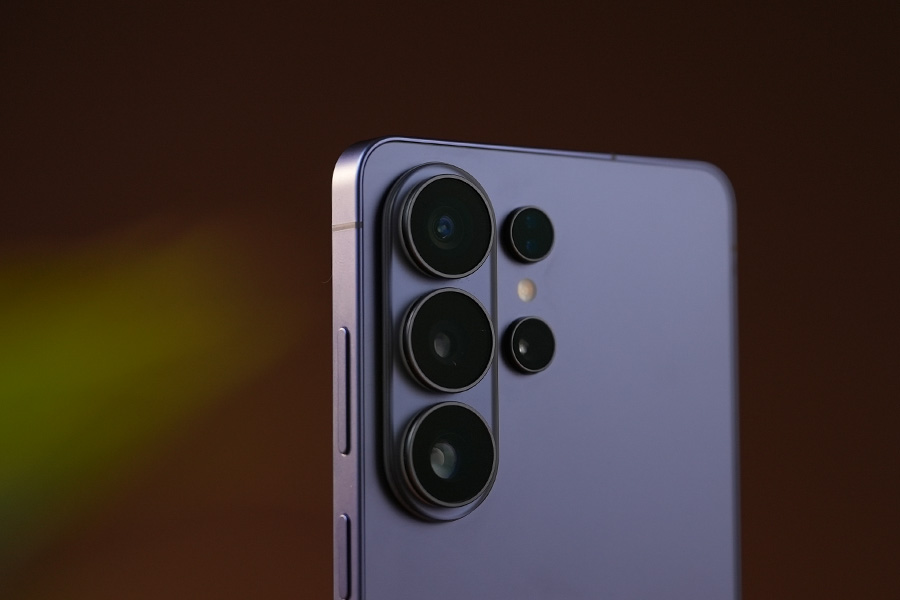
And I understand the reason. If Samsung uses those larger sensors, the phone will become bulkier and heavier, which will affect the excellent hand feel. So Samsung is relying more on software than hardware.
Main Camera
But because Samsung’s software processing has become so mature, I have captured some stunning photos and videos with this phone. The colors and white balance are really good. Samsung photos still have that social-media-ready look. For example, I captured a sunset shot while having tea, and it looked so good that I just posted it directly without any editing.
Samsung also does not unnecessarily lift shadows too much. It keeps the shadows slightly crushed, which makes images look more natural, contrasty, and realistic. Even at night, glare management has improved a lot compared to last year.
But the problem is that the main 1x camera sensor now feels a little old. When I zoom into photos, I can immediately see that the fine details are not on the same level as some newer Chinese Ultra phones. The colors are excellent, but in terms of detail, Samsung is starting to fall behind.
I also think Samsung’s night mode needs to be more intelligent. In some situations, when auto night mode kicks in, the final photo becomes too sharpened and starts looking unnatural.
Ultrawide Camera
The ultrawide camera is decent. It is not the widest ultrawide camera out there, and it is nowhere near something like the Vivo X300 Ultra’s ultrawide camera. But for most normal situations, it is fine.
The quality is usable, the field of view is decent, and for casual shots, I don’t have a major issue with it. But again, compared to the best Chinese Ultra phones, Samsung is not leading here anymore.
Zoom and Portraits
Zoom is where it is sad to see Samsung fall behind. Samsung used to be the king of zoom, but that is no longer the case. OPPO and Vivo have moved ahead. I really don’t understand why Samsung is still using the same old 3x telephoto lens. Maybe instead of the 3x and 5x combo, Samsung should use a high-resolution 200MP telephoto sensor at around 75mm to 85mm focal length.
The 5x lens is good enough, and 5x portraits have improved a lot. Skin tones look better, subject separation is nice, and overall portraits from the 5x camera are quite good. But the 3x lens is just not good enough.
For example, I was hanging out with my friend, and he was standing around a meter away from me. I wanted to take a nice portrait, but the 3x lens in low light gave me a poor result. The colors were off, contrast was too high, and the skin tone looked bad. So I had to move farther back and take the shot using the 5x lens. The 5x portrait looked much better, but that also means you lose flexibility. This is exactly why Samsung needs to rethink its zoom camera setup.
Another problem is macro photography. Both the 3x and 5X lens cannot do macro, so I have to rely on ultrawide macro. And the perspective from ultrawide macro is not good enough for a flagship phone in 2026.
Selfies and Video
Selfies are decent. They are not the widest, but I generally like the selfies from the S26 Ultra. Video quality is also very good overall, but I do think Samsung is behind the iPhone in terms of consistency and reliability. Lens switching is another area Samsung needs to improve. There is still a small jerk when switching between lenses, especially while recording video.
Verdict
So overall, after more than three months with the S26 Ultra, I believe Samsung has come a long, long way. I still remember five or six years ago when Samsung phones were clearly behind the iPhone in terms of stability, smoothness, and overall optimization. But now, the S26 Ultra feels like one of the most stable and polished phones in the market.
And because of the trust and brand value Samsung has built over the years, the S26 Ultra is still the safest flagship phone for most people. But if Samsung wants to stay on top, there are two areas where it seriously needs to improve.
- The first one is battery. Samsung needs a larger battery or new battery technology like silicon-carbon.
- The second one is camera hardware. Zoom, macro, and overall camera flexibility are no longer on the same level as the best Chinese Ultra phones. And even in videography, Samsung still has some catching up to do against the iPhone.
So yes, I still love using the S26 Ultra every day. It is stable, polished, premium, and extremely reliable. But Chinese Ultra phones have caught up, and in some areas, especially cameras, they have actually moved ahead.
That is why, for a major trip like Computex, I would not carry the S26 Ultra as my main camera phone. Not because it is a bad phone. But because when I need the absolute best camera phone I can trust, the S26 Ultra still has some limitations.
Pros and Cons of Galaxy S26 Ultra
| Pros | Cons |
| Excellent design and hand feel | Battery life is weaker than Chinese Ultra phones |
| Fantastic display experience | No Dolby Vision support |
| Very stable One UI experience | Videography still trails behind the iPhone |
| Reliable Camera colors and white balance | Zoom Camera performance is no longer class-leading |
Article Last updated: June 1, 2026
![Best Flagship Smartphones To Buy In Nepal [Updated 2026]](https://media.gadgetbytenepal.com/2026/04/Best-flagship-smartphones-to-buy-in-Nepal-2026.jpg)