The upgrades Vivo brings to its flagship are quite interesting, but there is a catch.
Why Trust Gadgetbyte?
At Gadgetbyte, we invest substantial hours into rigorously testing each product or service we review, guaranteeing that you make informed purchases. Learn more about our testing process.
Review Overview
4.6
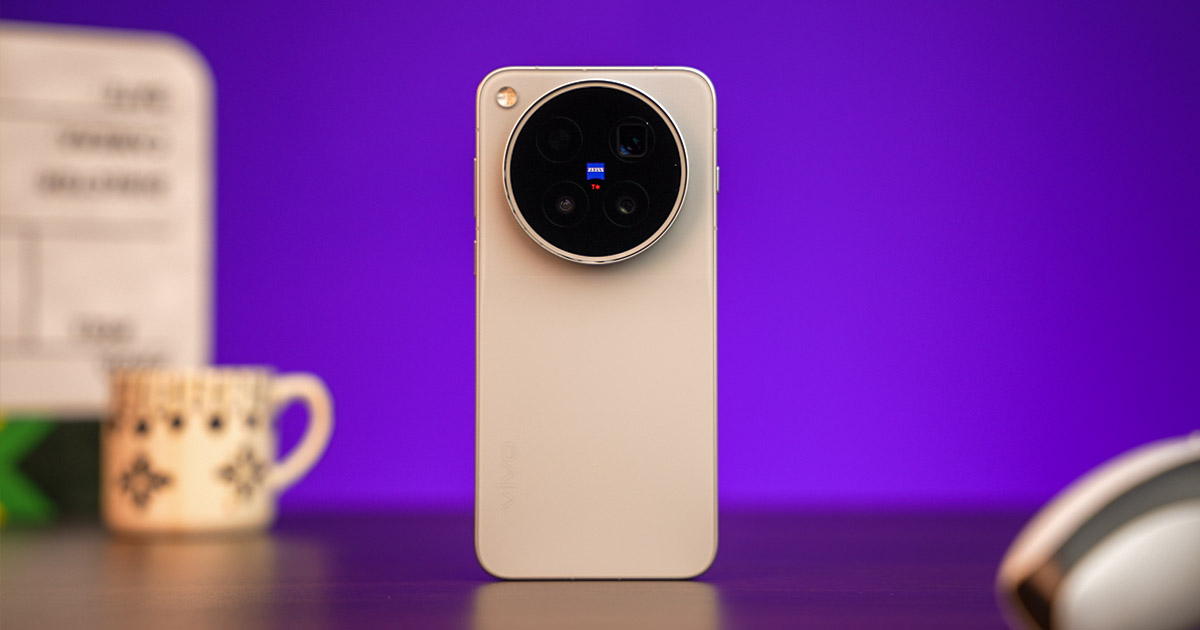
The Vivo X500 Pro Max is shaping up to be one of the most exciting camera flagships of the year. Its impressive 200MP telephoto camera, improved video recording capabilities, and massive 8,000mAh battery have certainly impressed me. However, inconsistent HDR processing, slightly softer portraits, and some heating concerns show that Vivo still has room for improvement.
Camera
9.8/10
Performance
9.5/10
Software and UI
9.3/10
Design and Build
9.5/10
Display
9.5/10
Audio
9.5/10
Battery and Charing
9.7/10
Value for Money
9.3/10
Vivo has been doing a great job with its flagship smartphones, especially when it comes to cameras. Last year's Vivo X300 Pro (review) was already one of my favorite camera phones, and this year, the company has introduced a new Pro Max model with some interesting changes.
Now, Vivo has also changed its flagship lineup a little. The regular X500 Pro is now a compact flagship, while the new X500 Pro Max is essentially the successor to last year's X300 Pro, not the X300 Ultra.
Anyway, I recently got my hands on the Vivo X500 Pro Max from China, and I have been using it for the past two days. I also have the X300 Pro with me, so I have been testing both phones side by side to see what has actually improved this year.
And while I am quite impressed with some of the upgrades, I have also noticed a few things that could have been better, especially in the camera department. So, in this Vivo X500 Pro Max hands-on review, I'll share my early experience, the improvements I've noticed over the X300 Pro, and a few things Vivo still needs to work on.
Vivo X500 Pro Max Price in Nepal (Expected)
At first, let's briefly talk about the Vivo X500 Pro Max's pricing. The phone has already launched in China, but it hasn't officially arrived in Nepal yet, so the local price remains unknown.
However, considering the upgrades and current smartphone pricing trends, we expect its starting price in Nepal to be around Rs. 2,50,000. If it launches at this price, it would be one of the more expensive flagship smartphones in Nepal.
| Varient | Price in Nepal (Expected) | Price in China (Official) |
| 12/256GB | NPR 249,999 | CNY 6,999 (~NPR 160,199) |
| 12/512GB | NPR 217,999 | CNY 7,999 (~NPR 182,299) |
| 12GB/1TB | NPR 295,999 | CNY 8,999 (~NPR 206,199) |
| 16/512GB | NPR 283,999 | CNY 8,499 (~NPR 194,699) |
| 16GB/1TB | NPR 387,999 | CNY 12,999 (~NPR 297,799) |
Vivo X500 Pro Max Specifications:
- Design: 163.32 × 76.82 × 7.95–8.12mm, 225–229 grams, Tidal Cold-Carved Glass finish, IP68/IP69 rating
- Display: 6.85-inch AMOLED, 2K resolution (3168 × 1440 pixels), 1–144Hz LTPO refresh rate, 10.7 billion colors, HDR support
- Chipset: MediaTek Dimensity 9600 Pro (2nm)
- Memory: 12GB/16GB LPDDR5X Ultra RAM, 256GB/512GB/1TB UFS 4.1 storage
- Software: Android 17 with OriginOS 7
- Rear Camera: 50MP main camera, 200MP periscope telephoto with 3.5x optical zoom and OIS, 50MP ultrawide camera
- Front Camera: 50MP selfie camera
- Security: 3D ultrasonic in-display fingerprint sensor, face unlock
- Connectivity: Dual Nano-SIM, 5G, Wi-Fi 7, Bluetooth 5.4, NFC, USB Type-C 3.2, GPS, infrared port
- Battery: 8,000mAh, 90W wired fast charging, 40W wireless charging
- Colors: Earth Echo, Sunny Day, Sunset Glow, Night Photography
- Learn more about the full specifications of the Vivo X500 Pro Max here.


Vivo X500 Pro Max Review (First Impression)
Vivo X500 Pro Max Unboxing: What's inside the box?
Before getting into my experience, let's quickly talk about the unboxing. I got the Chinese variant of the Vivo X500 Pro Max, which comes with pretty much everything I need to get started. Inside the box, we get the phone itself, a 90W FlashCharge adapter, a USB-A to USB-C charging cable, a protective case, a SIM ejector tool, and some paperwork. There's also a screen protector already applied to the display, which is a nice addition.
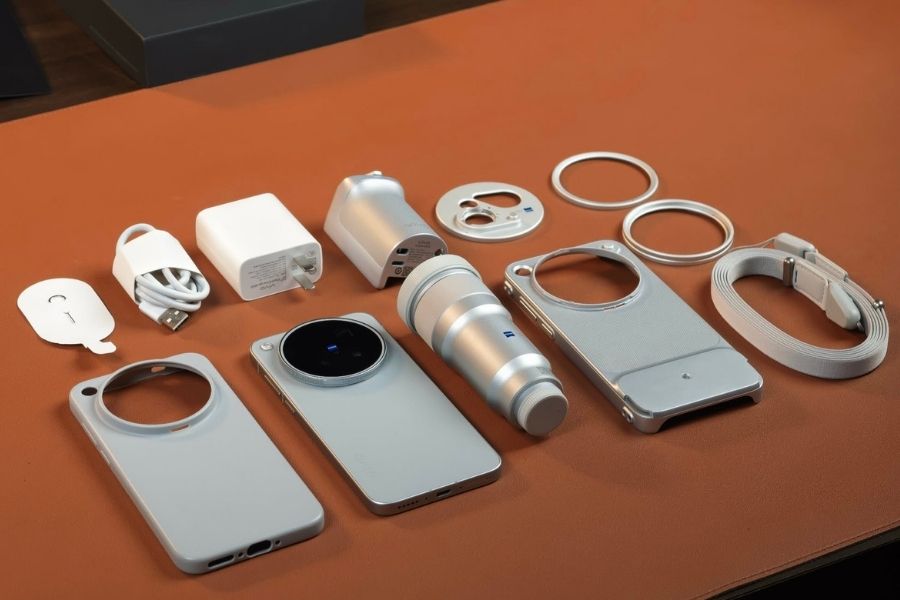
I personally appreciate that Vivo still includes a charger and protective case in the box, especially when many flagship phones no longer come with these accessories. And considering how large the camera module is, having a protective case right from the beginning is quite useful.
Apart from the regular accessories, I also got Vivo's optional ZEISS 400mm telephoto extender. Vivo also offers a 200mm extender and several other accessories, but I only have the 400mm version available for testing. I'll share my experience with it in the camera section below.
Cameras: Some Welcome Upgrades, But Still Need Work
- Main: 50MP Sony sensor, f/1.6, OIS
- Telephoto: 200MP Samsung HP0, 3.5x optical zoom, OIS
- Ultrawide: 50MP, f/2.0, autofocus
- Selfie: 50MP, autofocus
- Video: Up to 8K 30fps, 4K 240fps slow motion, 4K 120fps 10-bit LOG
Now let's start with the cameras because that's what Vivo's X series is best known for. This year, Vivo has upgraded both the main and telephoto cameras on the X500 Pro Max. We now get a new 50MP Sony main sensor alongside a 200MP Samsung HP0 telephoto sensor with 3.5x optical zoom. The ultrawide and selfie cameras remain largely similar to last year's model.
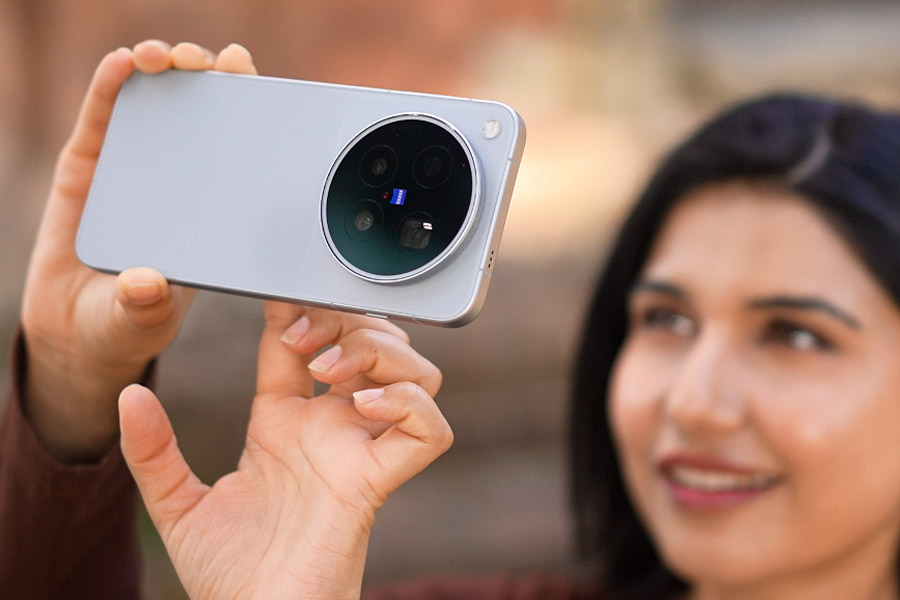
Rather than making huge changes to the camera hardware, Vivo seems to have focused more on improving image processing and video recording capabilities. And after comparing it with the X300 Pro for the past two days, I have noticed some interesting differences, both good and bad.
Portrait Photography
Coming to portraits, I captured quite a few sample shots with the Vivo X500 Pro Max, and overall, I'm liking what Vivo has done here.
The photos look pleasing, with nice colors and natural-looking skin tones. I also liked how the camera handled the overall processing, making the portraits look attractive without going overboard.
However, when I looked more closely at some of the photos, I noticed that facial details sometimes appeared a little soft, especially when zooming in. It's not a major issue, but I was expecting slightly better sharpness from Vivo's latest flagship.
Main Camera
In daylight, the Vivo X500 Pro Max continues to deliver the kind of photos I have come to expect from Vivo's flagship phones. The colors look nice, details are sharp, and contrast is generally well maintained.
I also found the focusing to be quite fast, even when capturing moving subjects, which made it easier to take quick shots without worrying too much about missed focus.
However, the camera isn't perfect. In some challenging HDR situations, I noticed that brighter areas could become overexposed, losing details in the highlights. It doesn't happen every time, but it's something I hope Vivo can improve through software updates.
Ultrawide Camera
Moving on to the ultrawide camera, the X500 Pro Max uses a 50MP sensor. The daylight samples look quite decent, with pleasing colors and a good amount of detail.
In my initial testing, I noticed that both the main and ultrawide cameras sometimes struggled in HDR situations. Some photos had overexposed highlights, losing details in the brighter areas of the image.
It doesn't happen every time, but I noticed it enough to feel that the camera processing still needs some work. I have already received a software update on my unit, so I'll be testing both cameras again to see whether things improve.
Low-light Photography
For low-light photography, I took a few photos of monuments at night with the Vivo X500 Pro Max, and I was quite happy with the results.
The photos looked nice overall, with pleasing colors and plenty of details in the buildings. I also liked how the camera handled the artificial lighting around the monuments, making the overall scene look quite attractive.
That said, most of my samples were captured in fairly well-lit nighttime environments. I'll need to test the camera in more challenging lighting conditions before giving my final judgment.
Telephoto and Zoom Photography
The telephoto camera is easily one of my favorite things about the Vivo X500 Pro Max. It uses a new 200MP Samsung HP0 sensor with 3.5x optical zoom, and from my initial testing, the results have been impressive.
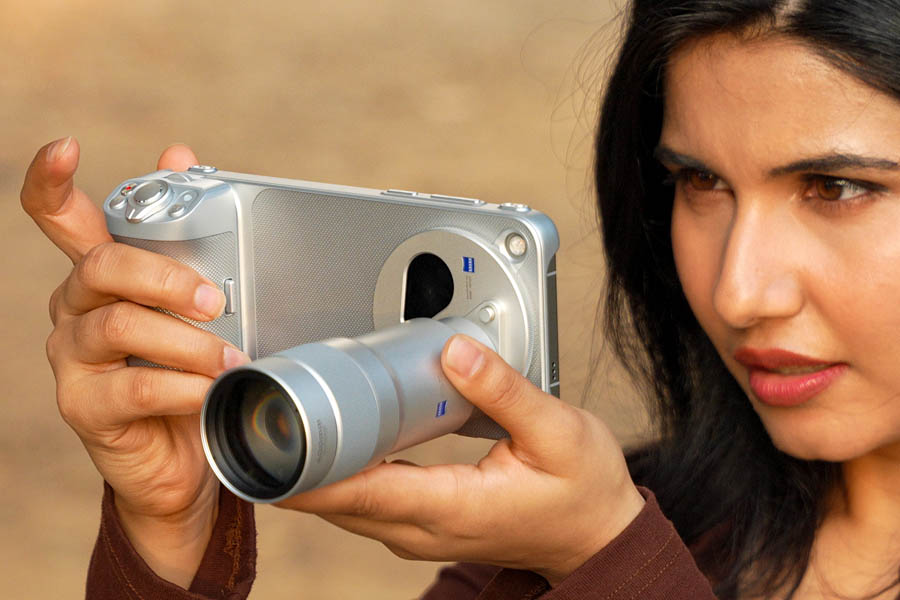
I've been using this camera for everything from close-up macro shots to regular zoom photography. I also got my hands on Vivo's optional 400mm ZEISS telephoto extender, which makes things even more interesting.
Macro Photography
Talking about macro photography, I captured quite a few close-up shots using the X500 Pro Max, and I really liked the results.
The camera does a good job of maintaining details and colors while keeping the subject in focus. I also liked how it separated the subject from the background, giving the photos a pleasing depth.
3.5x Telephoto: For Everyday Photography
For everyday photography, I found the built-in 3.5x telephoto camera more than enough for most situations.
Whether I was capturing portraits, distant objects, or simply zooming in to get a closer shot, the camera managed to preserve plenty of detail. Even at 10x zoom and beyond, the images looked quite sharp, and focusing was quick and reliable.
So far, I'm quite impressed with how versatile this telephoto camera is. I'll be testing different zoom levels more thoroughly for my full review.
400mm Telephoto Extender: For Distant Photography
But things get even more interesting with the ZEISS telephoto extender that I got along with the phone. As someone who enjoys zoom photography, having a 400mm equivalent focal length to play around with is quite exciting.
Although two days isn't enough to fully explore its capabilities, I've already enjoyed using it to capture beautiful mountain scenery and candid moments on the streets. I was particularly impressed with the results, especially in situations where getting physically closer to the subject wasn't possible.
All in all, it gave me more freedom to frame my shots the way I wanted, and I'm looking forward to exploring what else I can capture with it.
Selfie Photography
Vivo also kept the same 50MP autofocus front camera as the X300 Pro. So, in terms of hardware, nothing is particularly new this year either. However, as I've noticed with Vivo phones in the past, camera processing can make quite a difference even when the hardware remains the same.
And so far, I'm liking how it handles skin tones and facial details. The selfies look pleasing, with natural-looking faces and good overall colors.
However, I haven't tested the selfie camera extensively in different lighting conditions, so I'll be exploring that further in my full review.
Video Recording
Now, video recording is one area where Vivo has introduced some interesting features this year.
For starters, the X500 Pro Max comes with CIPA 7.0-rated stabilization on both the main and telephoto cameras, which is designed to keep footage steadier, especially when recording while moving. I think this is a welcome improvement, although I still need to test how well it works in different situations.
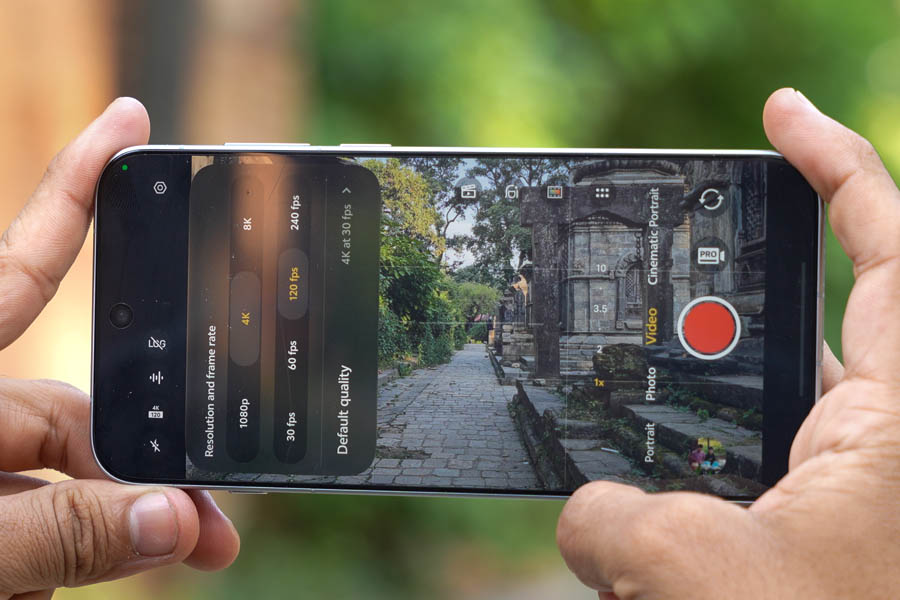
Another interesting addition is native 4K 240fps slow-motion recording. I tried recording some slow-motion videos, and I could notice better detail and also had a wider field of view.
And that's not all. Vivo has also added 4K 120fps 10-bit LOG recording on both the main and telephoto cameras. Since I regularly shoot and edit videos, I appreciate having more flexibility to adjust colors during editing.
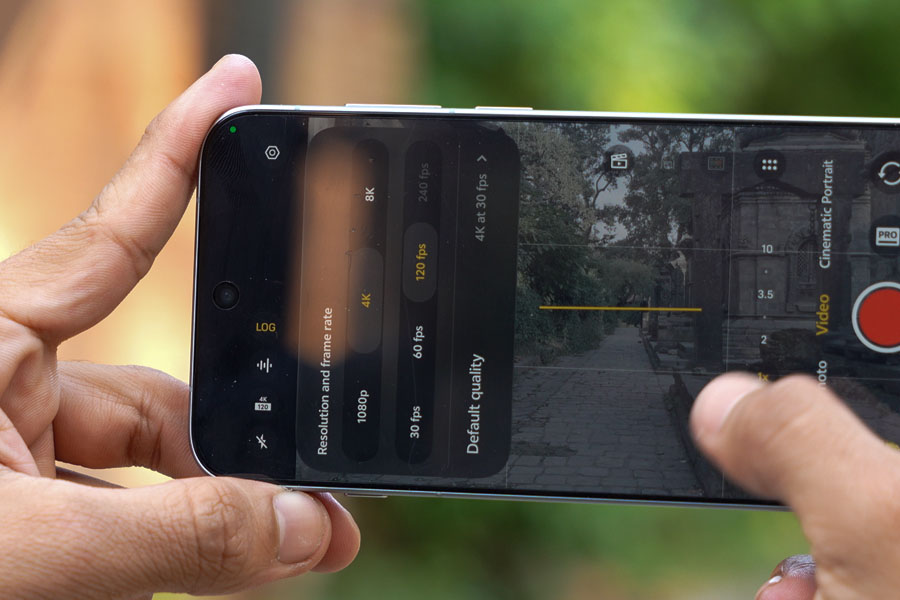
I also noticed some improvements while recording selfie videos. Compared to the X300 Pro, I found that the X500 Pro Max produced more natural-looking skin tones, which I personally preferred.
Another addition worth mentioning is the new quad-microphone setup, which Vivo has introduced to improve audio recording. However, I didn't have the time to test it properly, so I will cover that in my full review.
Vivo X500 Pro Max vs X300 Pro: What's Changed in the Cameras?
If you also wonder how much Vivo has actually improved the cameras over the X300 Pro, I have a few observations from my initial testing.
Since I don't have matching side-by-side samples from both phones, these impressions are based on my experience using the X300 Pro previously.
Starting with portraits, I noticed that the X500 Pro Max produces more natural-looking skin tones, particularly at night. However, when it comes to facial details, I still feel the X300 Pro has a slight advantage in sharpness. The newer model sometimes makes faces look a little softer than I would like.
As for the main camera, I've noticed some improvements in color reproduction and overall image processing, although the difference isn't particularly huge. Meanwhile, the ultrawide camera still uses a 50MP sensor, and from what I've seen so far, there isn't a major improvement in image quality either. The occasional HDR issues also leave some room for improvement in the new model.
It's a similar story with macro photography. While the X500 Pro Max captures impressive close-up shots, I haven't noticed any significant improvement over the macro results I previously captured with the X300 Pro.
For selfies, Vivo has retained the same 50MP autofocus hardware. However, I'm liking the X500 Pro Max's approach to skin tones so far.
Video recording is where some of the more interesting upgrades come in, particularly the new slow-motion capabilities, LOG recording options, and stabilization hardware. I also noticed more natural-looking skin tones in selfie videos.
So, is the X500 Pro Max a major camera upgrade over the X300 Pro?
Based on my initial experience, I wouldn't call it a huge leap in everyday photography. There are some welcome improvements, but there are also areas where I expected more from the newer model.
Of course, I'll need to test both phones side by side before giving a proper verdict on their camera differences.
Performance: A New 2nm Dimensity Chipset
- MediaTek Dimensity 9600 Pro (2nm)
- Arm Mali-G2-Ultra-NX GPU
- 12GB/16GB LPDDR5X Ultra RAM
- 256GB/512GB/1TB UFS 4.1 storage
Moving on to performance, Vivo has also made a major upgrade here too.
In the past, Vivo generally used to use MediaTek's flagship chipsets in its Pro series, while the Ultra models usually get Qualcomm's Snapdragon processors. And since the X500 Pro Max is essentially the successor to the X300 Pro, it continues with MediaTek's latest flagship chipset.
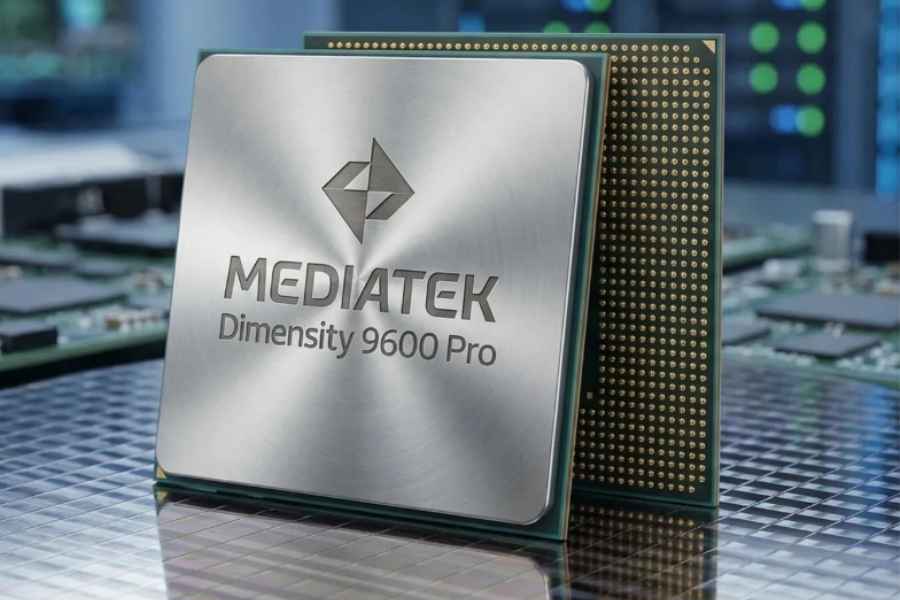
This time, we get the new Dimensity 9600 Pro, which is built on TSMC's more efficient 2nm process, offering better GPU and overall performance.
Meanwhile, I ran a few benchmarks on both phones, and the X500 Pro Max delivered noticeably higher single-core and multi-core scores. The GPU scores were also quite a bit better than those of the X300 Pro.
So, at least in terms of raw performance, there is a clear improvement this year. However, I did face one issue while running a GPU stress test, which I'll talk about in the gaming section.
Gaming and Thermals: Impressive, With One Concern
- PUBG and Genshin Impact tested for 30 minutes each
- Good frame rate and stability during initial testing
- Around 45°C during benchmark stress testing
- Larger vapor-chamber cooling system
Now, when I first started testing the X500 Pro Max, I was a little concerned about its heating. That's because I couldn't complete the 3DMark Wild Life Extreme Stress Test. Every time I tried running it, the phone showed a warning saying that its temperature was too high. When I checked, the temperature had reached around 45°C. So naturally, I was expecting the phone to heat up quite a bit while gaming as well.
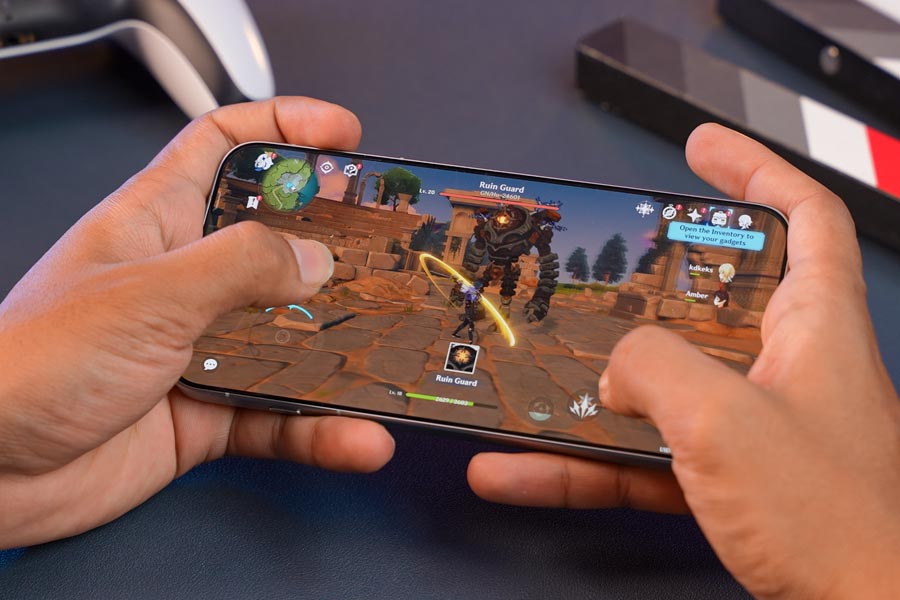
But surprisingly, that wasn't the case. I played PUBG and Genshin Impact for around 30 minutes each at their highest available settings, and the phone performed quite well. The frame rates were good, stability was also impressive, and more importantly, the temperature didn't rise as much as I had expected.
So, while the stress test raised some concerns, my actual gaming experience was much better.
Vivo has also upgraded the cooling system this year with a 32% larger vapor chamber, which could be one reason why the phone managed heat quite well during my gaming sessions. However, I still need to test it with longer gaming sessions to see how well it performs over time. I'll cover that in my full review.
I'll be testing the phone further to check its frame rate stability during longer gaming sessions and see whether the heating issue appears again. But based on my initial experience, the gaming performance looks quite promising.
Software and UI: Android 17 Out of the Box
- OriginOS 7 based on Android 17
- Updated interface and animations
- New customization and multitasking features
On the software side, the Vivo X500 Pro Max runs the latest OriginOS 7 based on Android 17.
And from my initial use, the software feels quite well optimized. The interface is smooth, app switching feels responsive, and I haven't faced any major issues during these two days.
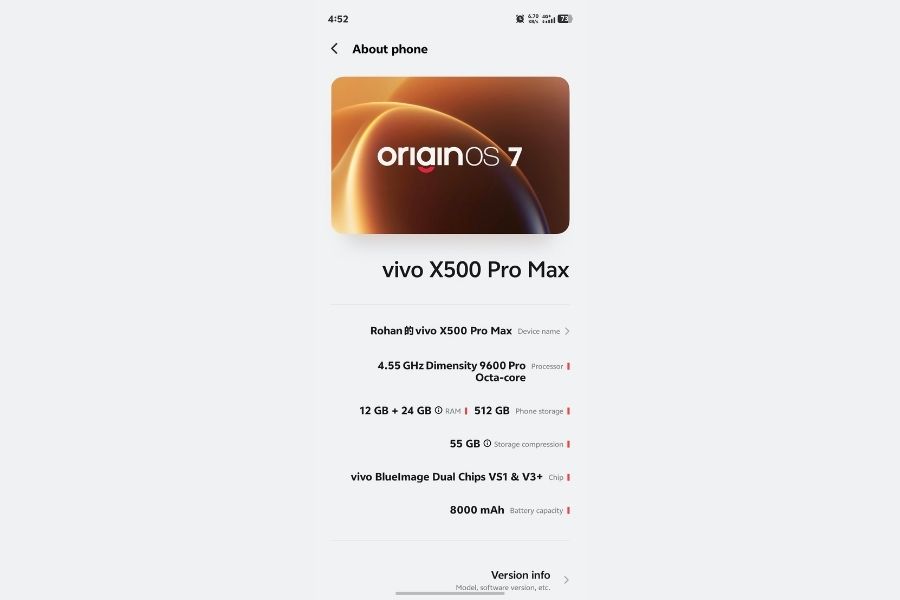
Vivo has also made some visual changes to OriginOS this year, including updated animations and customization options. There are a few new software features as well, especially around multitasking and connectivity with other devices. However, I haven't had enough time to explore all these changes properly, so I don't want to make too many claims about them just yet.
What I can say is that the overall software experience has been smooth so far, and I am liking how well everything works together. I'll cover the new OriginOS 7 features and my experience with the software in more detail once I have spent more time with the phone.
Design and Build: Bigger and Heavier Than Before
- Aerospace-grade aluminum frame
- Glass or glass-fiber back, depending on the finish
- 225–229 grams
- IP68 and IP69 dust and water resistance
Coming to the design, I noticed quite a few changes on the Vivo X500 Pro Max, especially when comparing it side by side with the X300 Pro. Last year's model had a simpler, single-tone finish, while the new phone comes with a subtle dual-tone design. I personally like this new approach, as it gives the phone a slightly different look while still maintaining Vivo's familiar flagship design.
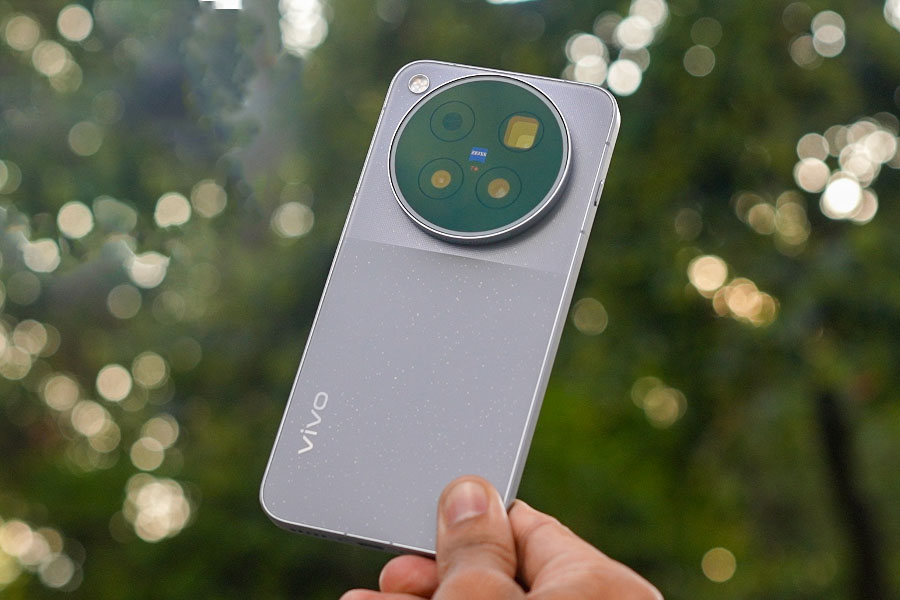
But the biggest difference I noticed was the size. The X500 Pro Max is taller, wider, and heavier than its predecessor, and I could definitely feel the difference when holding both phones.
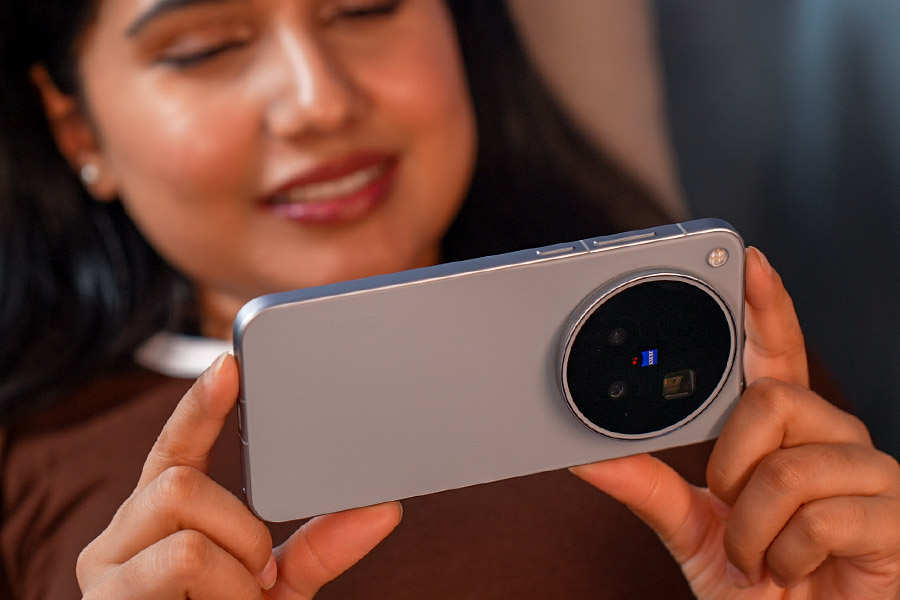
This time, the circular camera module has also become noticeably larger, making the phone look even more camera-focused. In fact, the bump is so big that I can actually lift the phone by holding onto it, just like the X300 Ultra!
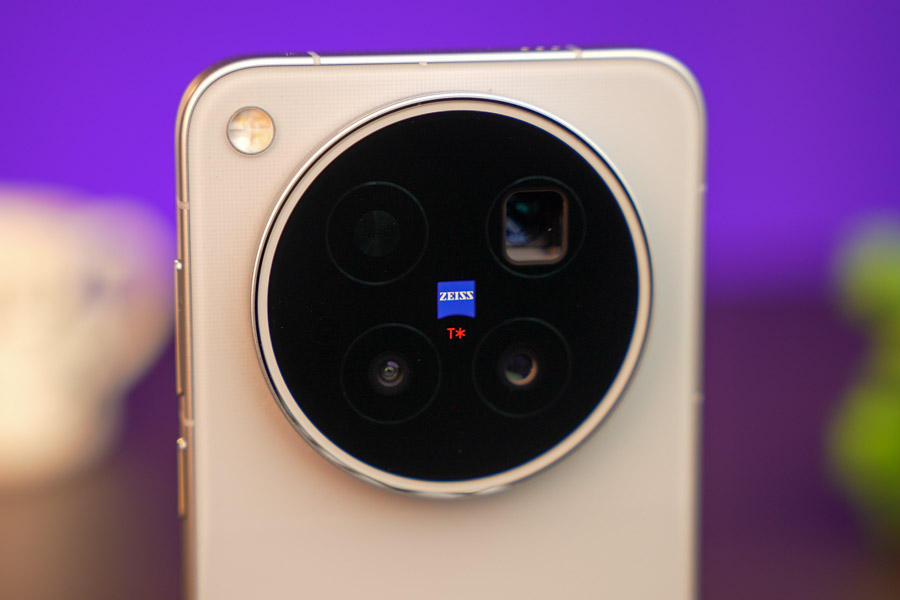
Another small detail I noticed while handling the phone is that the back panel isn't completely flat. There's a slightly raised area around the camera module, which is difficult to notice just by looking at it, but I could easily feel it when running my fingers across the back.
In terms of build quality, Vivo has upgraded to an aerospace-grade aluminum frame this year, replacing the regular aluminum frame on the X300 Pro. I found the phone quite premium to hold, although I can't say how much of that comes specifically from the new frame.
As for protection, we still get IP68 and IP69 ratings for dust and water resistance, so there's no major change in that department.
Display and Haptics: Some Nice Improvements
- 6.85-inch BOE Q11 LTPO AMOLED display
- 3168 × 1440 resolution
- 1–144Hz adaptive refresh rate
- 4,400 nits advertised local peak brightness
- 3D ultrasonic fingerprint scanner
The display is another area where I noticed some welcome upgrades this year. The X500 Pro Max now comes with a bigger 6.85-inch AMOLED panel, a sharper 2K resolution, and a smoother 144Hz refresh rate. Vivo has also switched to a completely new BOE Q11 panel, which is an interesting change from last year's model.

When I placed the X500 Pro Max next to the X300 Pro, I could clearly notice a difference in how both screens reproduced colors. They looked quite different side by side, although I haven't tested them thoroughly enough to say which one is more accurate. I'll be looking into that more closely in my full review.
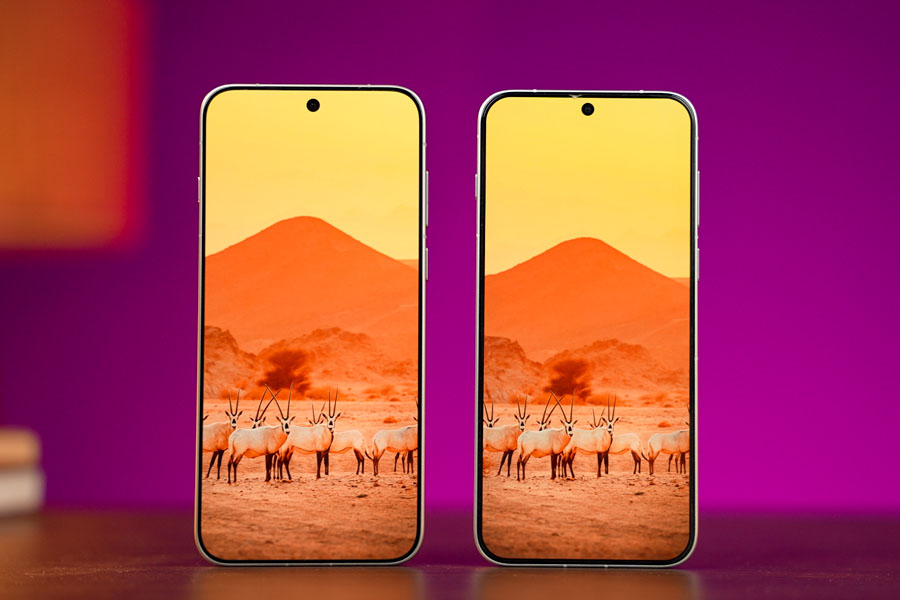
Interestingly, Vivo has slightly reduced the advertised peak brightness from 4,500 nits to 4,400 nits this year. But personally, I don't see this as a downgrade worth worrying about. During my use, I found the display bright enough, and I didn't face any visibility issues.
However, one thing I really wish Vivo had included is a proper anti-reflective screen treatment, like the one on Samsung's Galaxy S26 Ultra. I think that would have made the viewing experience even better.
Apart from the display itself, I also noticed a nice improvement in the haptics. Vivo has upgraded the vibration motor this year, and I could immediately feel the difference while using both phones. The feedback on the X500 Pro Max feels stronger and more impactful, which I personally liked.
Another small but useful improvement is the ultrasonic fingerprint scanner. Vivo claims to have increased its recognition area by 44%, making it easier to unlock the phone even when I don't place my finger exactly at the center. These might not sound like major upgrades, but I feel they make the overall experience a little more comfortable and enjoyable.
Audio: Better Recording Capabilities
- Stereo speaker setup
- Quad-microphone recording system
- Directional audio and audio zoom support
Vivo has also made an interesting upgrade to the audio recording system this year. The X500 Pro Max now comes with a quad-microphone setup, which is designed to capture clearer audio while recording videos. It also supports directional audio recording and audio zoom, allowing me to focus more on the sound coming from my subject while reducing unwanted background noise.

As someone who loves capturing small moments, I find this addition quite interesting. I can see it being particularly useful when recording concerts, capturing someone from a distance, or filming in crowded places where there's a lot of background noise. These are situations I often come across, so I'm quite excited to see how well the new microphone setup performs in more complex situations.
That said, I haven't done a proper microphone comparison with the X300 Pro yet, so I can't say how much of an improvement it actually brings. But I can definitely see myself making good use of these features while recording videos, and I'll be testing them more thoroughly in the coming days.
As for audio playback, the X500 Pro Max still comes with stereo speakers. From my initial listening experience, I couldn't notice any major difference compared to the X300 Pro. However, I haven't tested the speakers enough to make a proper judgment, so I'll share my detailed experience after spending more time with the phone.
Battery and Charging: A Massive Upgrade!
- 8,000mAh silicon-carbon battery (China variant)
- 90W wired fast charging
- 40W wireless charging
- Wired and wireless reverse charging support
Apart from the cameras, the battery is another major upgrade on the Vivo X500 Pro Max.
Last year's X300 Pro came with a 6,510mAh battery, which was already quite good. But this time, Vivo has managed to fit a massive 8,000mAh battery inside the phone. That's a pretty big increase, and the good thing is that the battery optimization also seems to be working well.
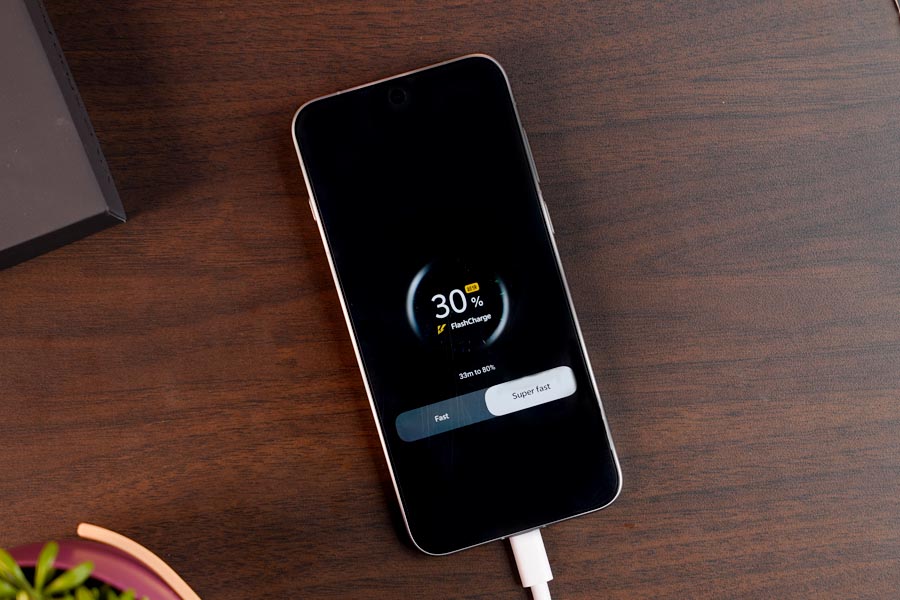
The thing that impressed me is that I charged the phone right after unboxing it, and during my two days of use, it comfortably lasted around one and a half days on a single charge.
Of course, two days isn't enough to judge the battery life completely, but my initial experience has been very positive.
As for charging, Vivo hasn't increased the wired charging speed this year. We still get 90W fast charging, along with support for 40W wireless charging. I haven't done a proper charging-time test yet, so I'll update you with this detail in the coming days.
One thing worth mentioning is that the battery capacity varies depending on the region. My Chinese unit comes with an 8,000mAh battery, while the global model is listed with 7,800mAh and the European version with 6,750mAh. So, it is still uclear that which of above variant will vivo Nepal brings to the table.
Vivo X500 Pro Max Review: Initial Verdict
After spending two days with the Vivo X500 Pro Max, I can say that it has been an interesting upgrade to use, especially coming from the X300 Pro. While some changes are immediately noticeable, others will need more time and testing before I can fully judge them. So far, I am enjoying the overall experience, but I wouldn't call it a complete upgrade just yet.
My biggest concern is that the camera experience still feels a little inconsistent in some areas. Considering how much Vivo focuses on photography with its X series, I was hoping for a more refined experience right out of the box.
And if the X500 Pro Max launches in Nepal at our expected price of Rs. 2.5 lakh, I think it will face some serious competition. Phones like the Vivo X300 Pro and Xiaomi 17 Ultra are already available for around Rs. 2 lakh, while the Samsung Galaxy S26 Ultra starts at Rs. 2.25 lakh. All three offer excellent cameras and flagship-level performance at lower prices, so I feel they are worth considering before spending more on the X500 Pro Max.
For now, I still need more time with the phone before giving my final verdict. I'll share my detailed experience in the full review, so stay tuned.
Vivo X500 Pro Max Pros and Cons
| Pros | Cons |
| Improved telephoto camera performance | Inconsistent HDR and slightly soft portrait details |
| Powerful Dimensity 9600 Pro chipset | Expected to be expensive in Nepal |
| Excellent battery life | Heating issues during benchmark stress testing |
| Premium design and build quality | |
| Improved video recording capabilities |
Article Last updated: November 7, 2026