Xiaomi has made some exciting improvements this year, especially to the cameras. But not everything is as impressive as I expected.
Why Trust Gadgetbyte?
At Gadgetbyte, we invest substantial hours into rigorously testing each product or service we review, guaranteeing that you make informed purchases. Learn more about our testing process.
Review Overview
4.1
Design and build
8/10
Display
8.5/10
Audio and haptics
8/10
Performance
8/10
Software and UI
8/10
Cameras
8.5/10
Battery
9/10
The Xiaomi 18 Pro Max brings some impressive upgrades, especially to its cameras. I really like the natural Leica colors and the excellent telephoto lens. The brighter display, powerful performance, and improved battery life are also welcome additions. However, the ultrawide and selfie cameras could have been better, and the phone feels slightly top-heavy. Overall, it's a promising flagship with a lot to offer.
Xiaomi's Pro Max series has always been interesting, especially because of that secondary display on the back. But with the new Xiaomi 18 Pro Max, I feel like the company has finally addressed one of my biggest complaints about last year's model: the camera processing.
This time, Xiaomi has upgraded both the main and telephoto cameras to 200MP, introduced a massive 8,500mAh battery, and equipped the phone with Qualcomm's latest flagship chipset. So, on paper, it looks like a pretty substantial upgrade over the Xiaomi 17 Pro Max.
After using the Chinese variant of the Xiaomi 18 Pro Max for around a week, I've noticed some meaningful improvements, particularly in photography and battery life. But there are also a few things I wish Xiaomi had done differently, especially considering how competitive OPPO and Vivo's flagship phones have become.
So, here are my initial impressions of the Xiaomi 18 Pro Max, including what I liked, what could have been better, and whether it looks promising enough to consider.
Xiaomi 18 Pro Max Price in Nepal
| Xiaomi 18 Pro Max | Price in China (Official) | Price in Nepal (Converted) |
| 12/256GB | CNY 6,999 | NPR 160,299 |
| 12/512GB | CNY 7,999 | NPR 183,199 |
| 16/512GB | CNY 8,999 | NPR 206,099 |
| 16GB/1TB | CNY 9,999 | NPR 228,999 |
| 16GB/1TB (Special Edition) | CNY 10,999 | NPR 251,799 |
Xiaomi 18 Pro Max Specifications:
- Design and Build: 163.39 x 77.6 x 8.39/8.47mm, 235/240 grams, fiberglass or glass back
- Display:
- Front: 6.9-inch Super Pixel 2.0 Smart Privacy Screen, 2624 x 1208 pixels resolution, up to 120Hz refresh rate, up to 4,000 nits peak brightness, Dragon Crystal Glass 3.0
- Rear Display: 2.9-inch AMOLED, 976 x 596 pixels resolution, up to 120Hz refresh rate
- Chipset: Snapdragon 8 Elite Extreme Gen 6 (2nm)
- Memory: 12/16GB LPDDR5X RAM, 256GB/512GB/1TB UFS 4.1 storage
- Software & UI: Xiaomi HyperOS 4 based on Android 17
- Rear Cameras: Triple (200MP main + 200MP periscope telephoto with 3.2x optical zoom and 12cm macro + 50MP ultra-wide)
- Front Camera: 50MP sensor
- Battery: 8,500mAh, 100W wired HyperCharge, 50W wireless charging, 27W wired reverse charging
- Colors: Black, White, Peach Pink, Star River Blue, Transparent Edition
Xiaomi 18 Pro Max First Impression
Design and Build
- 163.4 × 77.6 × 8.4mm, 235/240g
- IP68 dust and water resistance
- 2.9-inch AMOLED secondary display
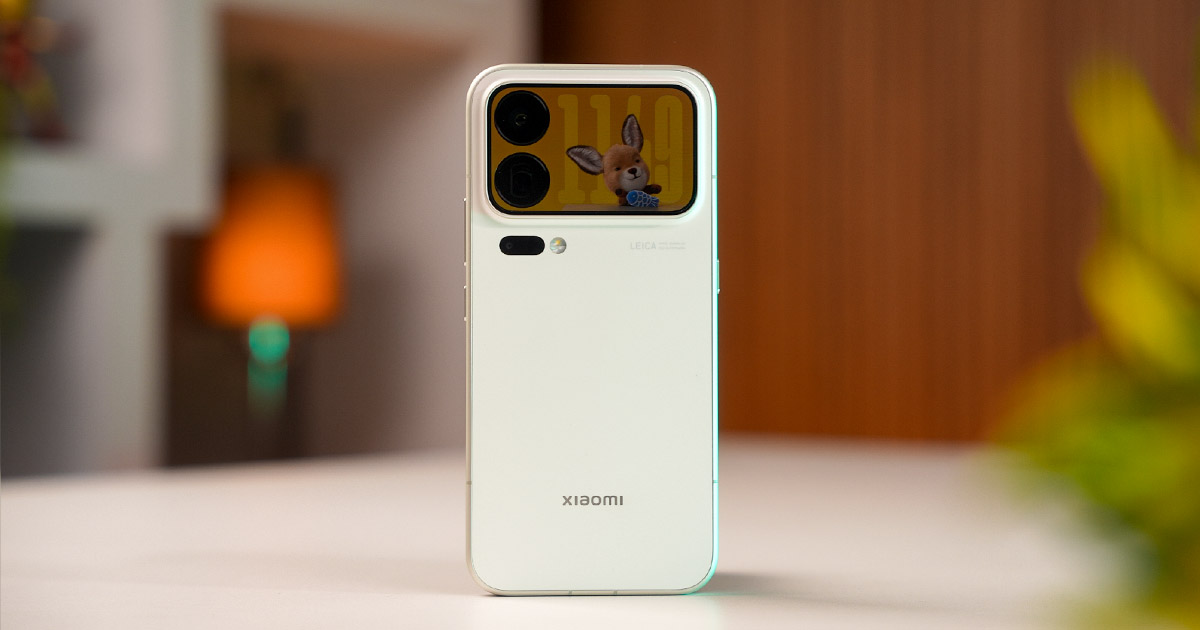
Starting with the design, Xiaomi hasn't changed the overall formula too much. We still get that large camera module with a secondary screen on the back, which gives the phone a rather unique appearance.
But one thing I noticed immediately is that the Xiaomi 18 Pro Max feels a little heavier than its predecessor.
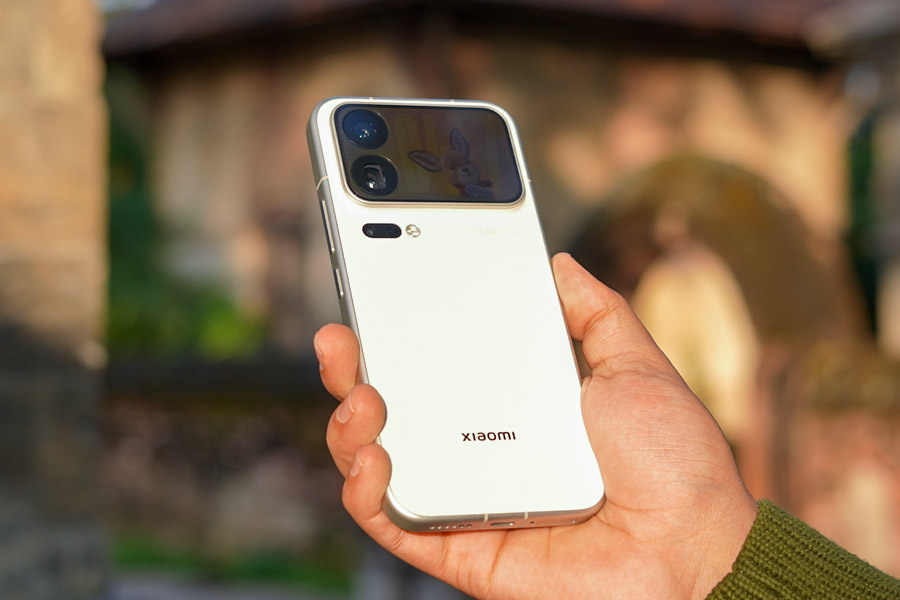
I actually liked the weight distribution on last year's Xiaomi 17 Pro Max. Despite being a large phone, it felt reasonably balanced in my hands. However, this year's model is slightly more top-heavy, possibly because of the upgraded camera hardware and larger battery.
Now, that doesn't mean the Xiaomi 18 Pro Max is uncomfortable to hold. But I wouldn't call it the most comfortable flagship either. In comparison, I personally find the OPPO Find X10 Pro Max better balanced.
Apart from that, the phone has a premium build, with Xiaomi Dragon Crystal Glass 3 protecting the display and an IP68 rating for dust and water resistance.
The Secondary Screen Is Actually Useful
One feature I continue to appreciate is the rear display. Xiaomi has retained the secondary screen, and this time it measures 2.9 inches with an AMOLED panel and a 120Hz refresh rate.
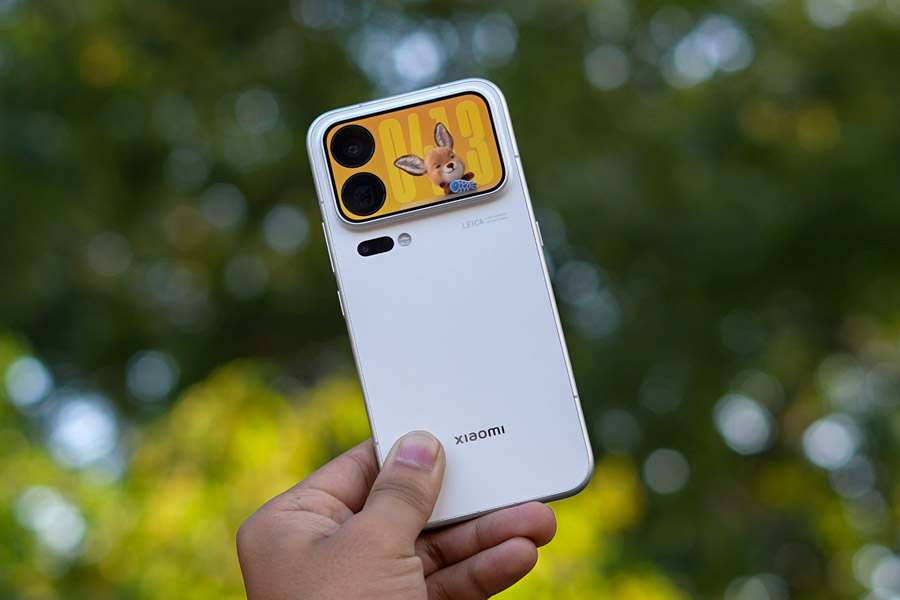
And the interesting thing is that this isn't just a screen for showing the time or playing animations.
You can use it to check notifications, control music, access supported games, and even generate your own games or interactive cards using AI.
There's also the option to customize the rear screen with different images and characters, which adds a nice personal touch.
But my favorite use of this display is still photography.
Since the secondary screen works as a camera preview, I can take selfies using the much better rear cameras instead of relying on the front camera.
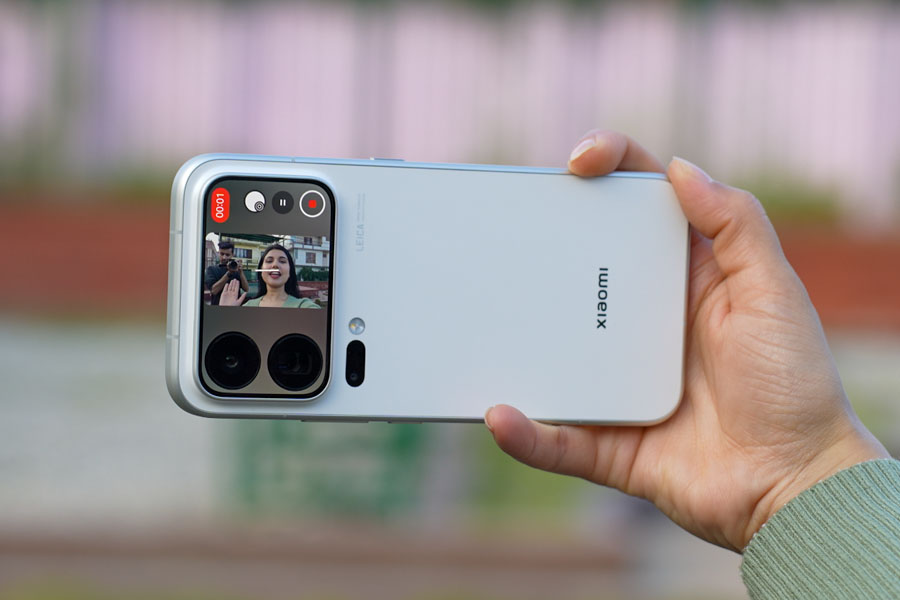
And unlike accessories that require an additional purchase, this feature is already built into the phone. I find Xiaomi's implementation quite practical.
Display and Audio
- 6.9-inch LTPO AMOLED, 120Hz
- Samsung M11 OLED panel, 4,000 nits peak brightness
- Triple speakers with Dolby Atmos
The display also gets a few welcome improvements this year.
Xiaomi has used Samsung's newer M11 OLED panel, and I have to say, the screen looks fantastic. Colors are rich and vibrant, and the overall viewing experience is really pleasing. I also noticed that the display gets considerably brighter than last year's Xiaomi 17 Pro Max, which is definitely a nice improvement.
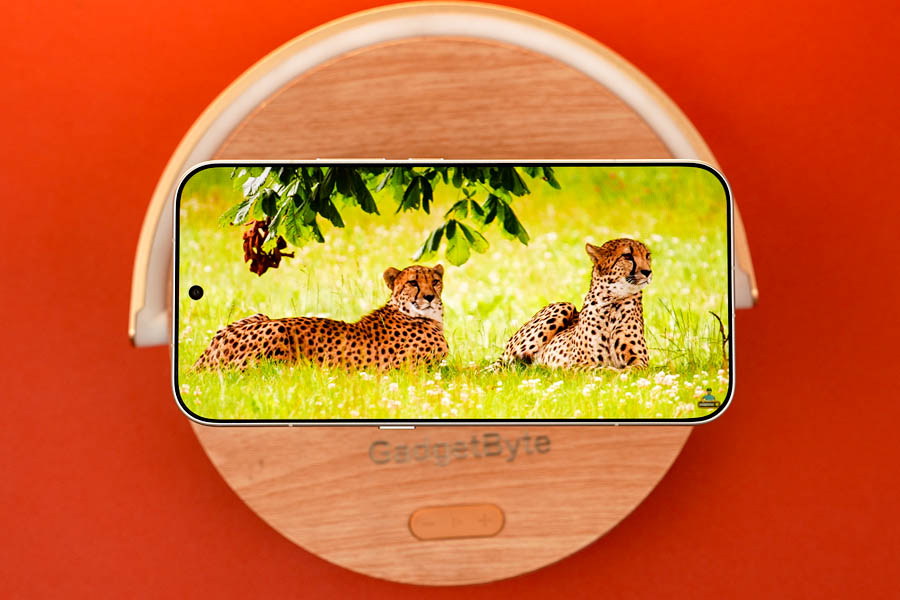
We still get a large 6.9-inch LTPO AMOLED display with a 120Hz adaptive refresh rate, along with Dolby Vision and HDR10+ support. Xiaomi also claims a peak brightness of 4,000 nits, although I haven't measured that myself. So, while there aren't many major changes to the display specifications, the newer panel and improved brightness make the experience a little better than before.
Likewise, Xiaomi has retained the ultrasonic in-display fingerprint scanner, and I like that it's positioned comfortably, making it easy to reach.
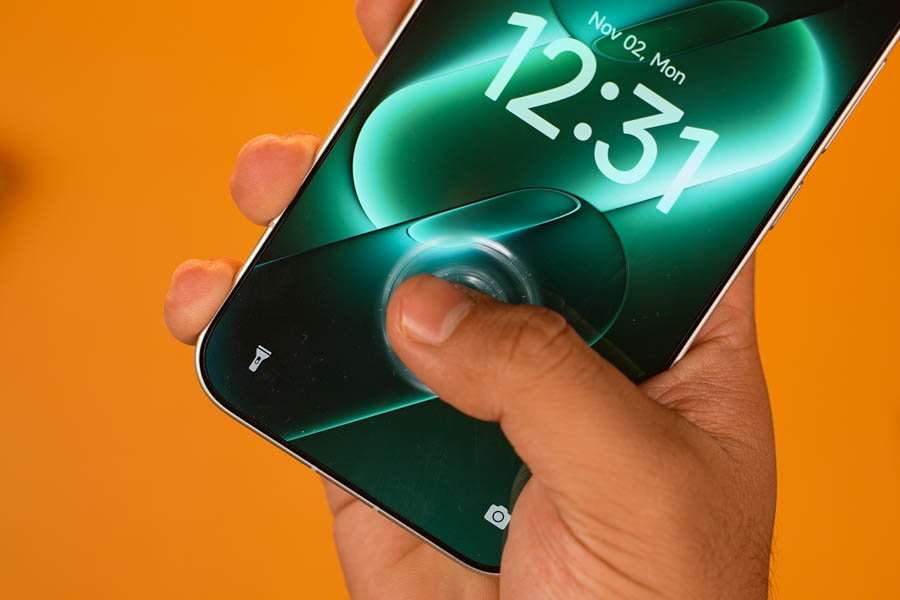
Better Speakers, But Not Perfect
The audio experience has also improved.
Instead of a conventional two-speaker arrangement, Xiaomi has included three speakers this time, positioned around the top, rear camera area, and bottom of the phone.
They support Dolby Atmos, and compared to the predecessor, I noticed that the sound is louder and fuller.
However, the bass isn't quite as punchy as I expected from a flagship phone. So while the overall speaker quality has improved, there is still some room for improvement.
Performance and Gaming
- Snapdragon 8 Elite Extreme Gen 6 (2nm)
- Adreno 850 GPU
- Up to 16GB RAM and 1TB storage
The Xiaomi 18 Pro Max gets a big performance upgrade with the new Snapdragon 8 Elite Extreme Gen 6 chipset. It's built on a 2nm process and features fourth-generation Oryon cores with speeds of up to 5.01GHz.
Compared to last year's Snapdragon 8 Elite Gen 5, the new chipset brings improvements in both CPU and graphics performance. And from my initial experience, the phone feels extremely fast and responsive in everyday use.
What impressed me more, however, was the gaming performance. The Xiaomi 18 Pro Max seems to maintain more consistent performance during longer gaming sessions compared to its predecessor. I also noticed better heat management, which is a welcome improvement.
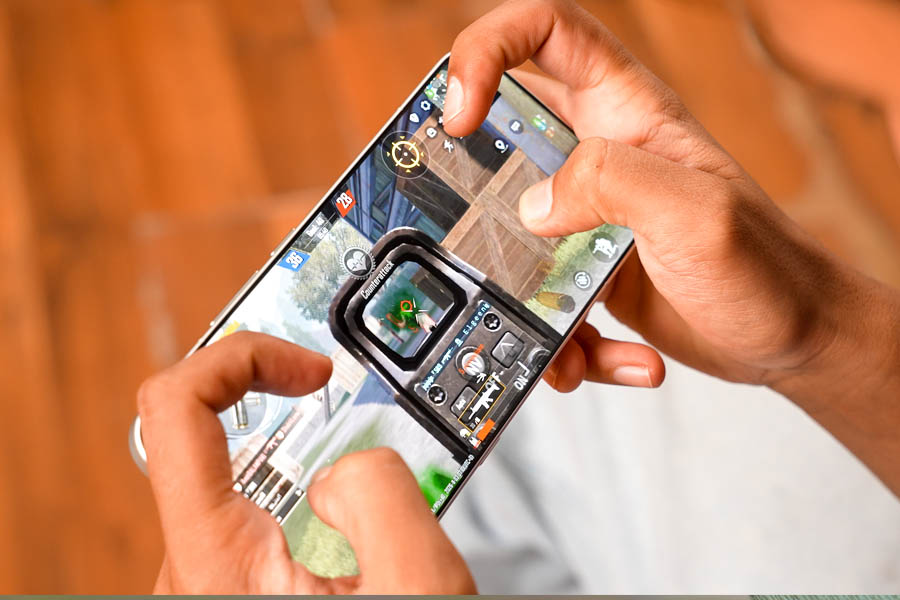
However, I haven't completed my detailed gaming tests yet, so I'll reserve my final judgment on FPS stability, sustained performance, and temperatures for the full review.
Software and UI
- Android 17 with HyperOS 4
- AI features and customization options
The Xiaomi 18 Pro Max runs HyperOS 4 based on Android 17.
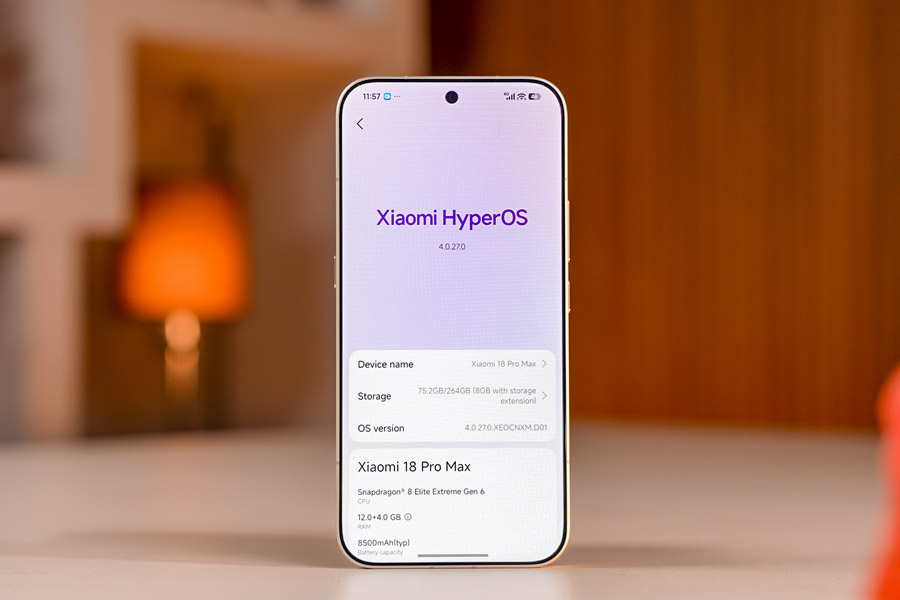
And if you've used a recent Xiaomi flagship, the general software experience will feel quite familiar.
Despite the new version, HyperOS 4 doesn't feel dramatically different from what Xiaomi offered previously. The overall interface and general experience remain largely the same.
Of course, Xiaomi has included several AI-powered features, including additional customization options for the secondary display.

Some of them are interesting to experiment with, but so far, I haven't found anything particularly life-changing.
Also, since I'm using the Chinese variant, I'll reserve my final software assessment for the global version, especially when it comes to the overall user experience and software features.
Cameras
- 200MP main camera with OIS
- 200MP periscope telephoto, 3.2x optical zoom
- 50MP ultrawide and 50MP selfie cameras
The cameras are what I've enjoyed most about the Xiaomi 18 Pro Max so far. This year, Xiaomi has upgraded both the main and telephoto cameras from 50MP to 200MP, while the ultrawide remains at 50MP.
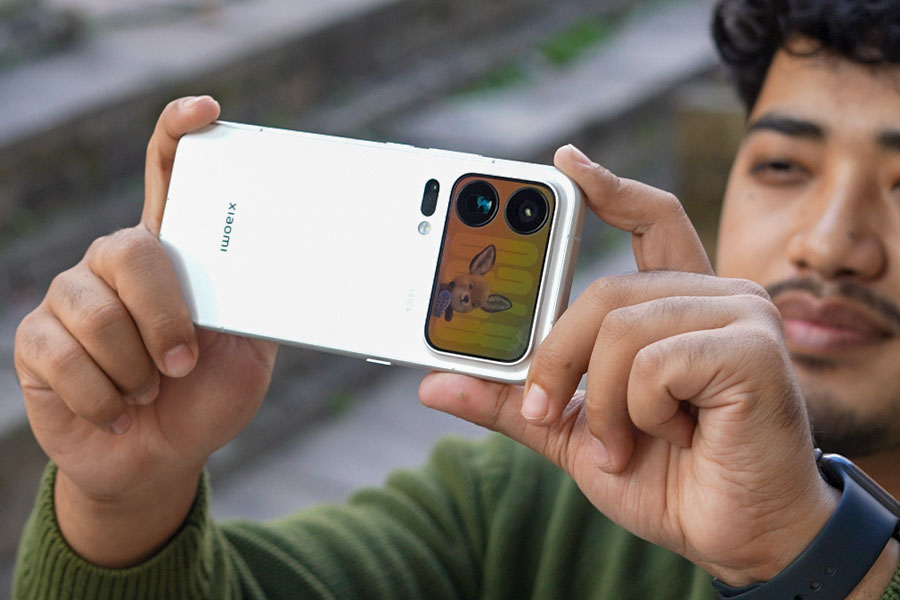
But more than the hardware upgrades, I'm impressed with the improvements Xiaomi has made to its camera processing, especially when it comes to colors and dynamic range.
Leica Camera Modes
One of my biggest complaints with last year's Xiaomi 17 Pro Max was its color processing. The Leica Vibrant mode sometimes made photos look overly saturated, while the Authentic mode could produce duller and more contrast-heavy images.
Thankfully, Xiaomi has introduced a new Leica Original mode this year, and I really like the results. Colors look much more natural, especially greens, which appear closer to what I see in real life.
You can see the differences between all three Leica modes in the comparison samples below. Personally, I prefer the new Original mode for its more realistic colors and pleasing contrast.
Main Camera
The new 200MP main camera has impressed me, particularly with its color reproduction and dynamic range.
I've taken photos in different lighting conditions, including harsh sunlight and golden hour, and the results have been excellent. The camera handles highlights and shadows really well, keeping subjects properly exposed without making the photos look unnatural.
I also like the overall color tuning. Some shots have an almost cinematic feel, with pleasing contrast and natural-looking colors. It's a noticeable improvement over what I experienced with last year's model.
Telephoto Camera
The 200MP telephoto camera is easily my favorite lens on the Xiaomi 18 Pro Max. It offers 3.2x optical zoom, and I've found it particularly useful for portraits and macro photography.
What I like most is how well this camera handles skin tones and fine details, making it one of the most versatile cameras on the phone.
Portrait Photography
Portrait photography is another area where Xiaomi has made some welcome improvements. Besides the existing Master Portrait and Leica Portrait modes, we now have a new Original Portrait mode.
And this is the one I personally prefer. It produces more natural-looking portraits without making skin tones or facial details look overly processed.
I also noticed good edge detection and nicely preserved skin textures, especially from the 3.2x telephoto camera. Overall, the portraits look pleasing, and the new Original mode makes them feel more true to life.
And of course, we still have Xiaomi's signature black-and-white portraits, which I've always liked. They have a distinct look, with beautiful contrast and a nice balance of light and shadows. It's still one of my favorite ways to capture portraits on Xiaomi phones.
Macro Photography
Macro photography is another area where the telephoto camera impressed me. It can focus quite close to subjects, allowing me to capture detailed close-up shots.
I particularly enjoyed the results, as the photos retain plenty of fine details and textures. It's one of the camera features I found myself using quite often during my short time with the phone.
Ultrawide Camera
Unfortunately, the ultrawide camera isn't as impressive as the main and telephoto lenses. Although Xiaomi has included a 50MP sensor, its 17mm focal length doesn't give you as wide a field of view as I would have liked.
For an ultrawide camera, the coverage feels quite limited, especially when you want to capture more of a landscape or fit more into the frame.
The smaller sensor is another limitation. It doesn't capture the same level of detail and dynamic range as the other two rear cameras.
I also noticed a small design issue. Since the ultrawide lens sits quite low on the camera module, my finger occasionally got in the way while taking photos.
But one thing I appreciate is that I can use the ultrawide camera for selfies and videos with the help of the secondary display. It works as a viewfinder, making it easier to frame myself with the rear camera. I'll talk more about that in the selfie section.
Low-light Photography
In low light, the difference between the three rear cameras becomes more noticeable.
The main and telephoto cameras manage to capture more light, while the ultrawide struggles in comparison. Its smaller sensor doesn't gather as much light, which affects the overall image quality in darker scenes.
This is another area where I wish Xiaomi had made a bigger upgrade, especially considering how impressive the other two cameras have been.
You can compare the low-light samples from the main, telephoto, and ultrawide cameras below to see the difference.
Selfie Camera
The 50MP front camera is another area where I expected better results. It offers a fairly wide field of view, but the overall image quality hasn't impressed me much.
Selfies sometimes look slightly hazy, and the skin tones aren't as natural or pleasing as those captured using the rear cameras.
Ultrawide Selfies Using the Secondary Screen
Thankfully, the secondary display gives me a better alternative. I can use it to preview my framing while taking selfies with the rear cameras, including the ultrawide lens.
This is particularly useful for group selfies or when I want to include more of the background.
Video Recording
The Xiaomi 18 Pro Max supports up to 8K video recording at 30fps and 4K at up to 120fps.
However, I haven't tested its video recording capabilities thoroughly yet. I'll be looking more closely at stabilization, colors, dynamic range, and overall video quality in my full review.
Battery Life and Charging
- 8,500mAh silicon-carbon battery
- 100W wired and 50W wireless charging
Battery life is another area where the Xiaomi 18 Pro Max has made a welcome improvement.
Last year's Xiaomi 17 Pro Max wasn't exactly my favorite flagship for battery life. With its secondary display and HyperOS being somewhat battery-hungry, the endurance wasn't as good as I had hoped.
But this year, Xiaomi has increased the capacity to a massive 8,500mAh.
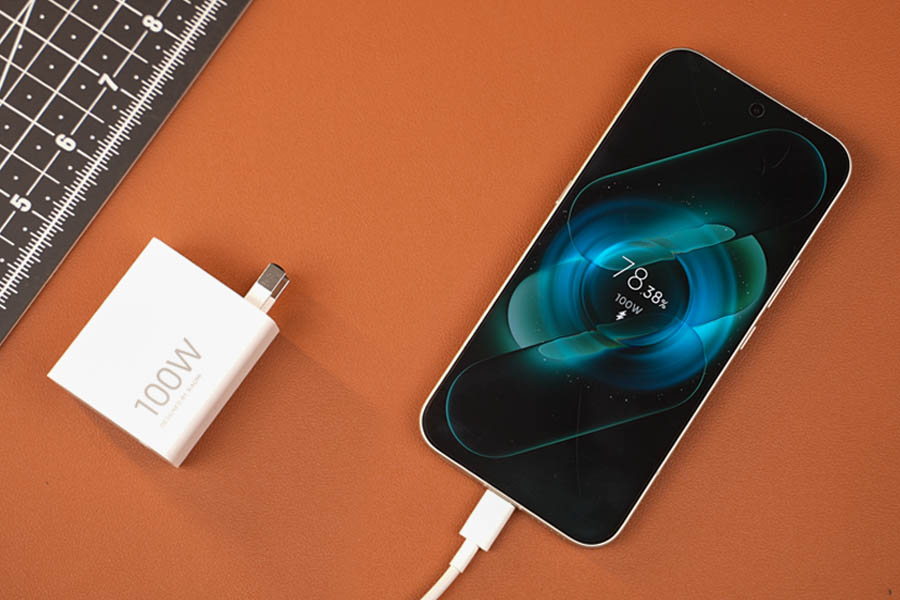
And during my initial usage, the difference has been noticeable.
The battery backup is significantly better than what I experienced with the 17 Pro Max, which is impressive considering that Xiaomi has retained the secondary screen and upgraded the performance hardware.
While the battery life has been impressive so far, I still need to conduct a proper battery drain test to see how it compares against other flagship phones.
As for charging, the speeds remain unchanged at 100W wired and 50W wireless charging.
Those are still impressive figures, but I'll need additional testing to confirm the actual charging time.
Xiaomi 18 Pro Max First Impressions: Conclusion
After using the Xiaomi 18 Pro Max for around a week, my experience has been mostly positive, although there are a few things I wish Xiaomi had done better.
What impressed me most is how much Xiaomi has improved its camera processing. The new Leica Original mode produces beautifully natural photos, while the upgraded 200MP main and telephoto cameras have delivered some excellent results so far.
I particularly enjoyed the telephoto camera for portraits and macro shots. And with the secondary display, taking selfies and recording videos using the rear cameras becomes much more convenient.
The improved battery life, brighter display, better speakers, and powerful new chipset are also welcome upgrades.
But Xiaomi hasn't addressed everything.
The phone feels a little heavier and more top-heavy than its predecessor, especially when compared to the better-balanced OPPO Find X10 Pro Max. I also wish Xiaomi had given more attention to the ultrawide and selfie cameras, which aren't quite at the same level as its excellent main and telephoto lenses.

So, should you consider the Xiaomi 18 Pro Max?
Well, if photography is your main priority, particularly natural-looking images, portraits, and macro shots, this phone is already looking very promising.
However, I still need to test the video recording, gaming performance, battery endurance, and software experience more thoroughly before giving my final verdict. With strong competition from OPPO, Vivo, and Apple, these aspects could make a big difference.
For now, the Xiaomi 18 Pro Max has made an excellent first impression in the camera department, and I'm particularly excited to see how it compares against the other flagship camera phones of 2026.
Xiaomi 18 Pro Max: Pros and Cons
| Pros | Cons |
|---|---|
| Excellent main and telephoto cameras | Underwhelming ultrawide camera |
| Natural Leica colors | Average selfie quality |
| Useful secondary display | Heavy, top-heavy design |
| Excellent battery life | Underwhelming speaker bass |
| Powerful performance | |
| Bright AMOLED display |
Article Last updated: November 6, 2026