What’s new from the 17 Pro Max?
Why Trust Gadgetbyte?
At Gadgetbyte, we invest substantial hours into rigorously testing each product or service we review, guaranteeing that you make informed purchases. Learn more about our testing process.
Review Overview
4.3
Battery & Charging
9.2/10
Value for Money
7.4/10
The iPhone 18 Pro Max is more refinement than reinvention. It looks familiar, but delivers meaningful gains in performance, thermals, battery life, Siri AI and camera flexibility through its new variable aperture. Video remains class-leading, while zoom, macro and ultra-wide photography still leave room for improvement. A great flagship, but not a must-upgrade from the 17 Pro Max.
Design and Build
8.5/10
Display, Haptics and Speakers
9.2/10
Performance & Thermals
9.5/10
Software & AI
8.5/10
Cameras
8.5/10
Another September, another iPhone, and yes, another new color. At this point, we all know the routine. Yet somehow, every new iPhone launch still manages to create a completely different level of excitement around the world. The Apple event hype is real, and whether you love iPhones or not, it is difficult to ignore.
This year, though, things are slightly different. Apple has only brought the iPhone 18 Pro and iPhone 18 Pro Max for now, while the regular iPhone 18 is scheduled for 2027. Apple has also introduced its first foldable iPhone, the iPhone Duo, but that model still hasn’t officially launched in Nepal. So for Nepali buyers, the iPhone 18 Pro Max is currently the biggest, most expensive and most capable iPhone you can officially buy. And that is the phone I have been using for this review.
Instead of just going through the spec sheet, I also tested it side by side with the 17 Pro Max across cameras, performance, thermals, battery, charging, AirDrop, Siri AI, and all those smaller changes Apple talked about. Because when you are spending close to Rs. 3 lakh, you deserve to know what is genuinely better, what barely changes, and most importantly, whether the 18 Pro Max actually makes sense over last year’s model. Let’s get into it.
iPhone 18 Pro Max Price in Nepal
Before getting into the actual review, let’s talk about the one thing that matters a lot here, the price. Because no matter how good the cameras, performance or battery life are, you are still spending a huge amount of money on this phone. The iPhone 18 Pro Max officially starts at Rs. 2,79,900 in Nepal for the 256GB model and goes all the way up to Rs. 5,34,900 for the 2TB variant.
| iPhone 18 Pro Max | Price in Nepal | Price in Dubai |
|---|---|---|
| 256GB | Rs. 2,79,900 | AED 5,499(~Rs. 2,32,000) |
| 512GB | Rs. 3,22,900 | AED 6,349(~Rs. 2,68,000) |
| 1TB | Rs. 4,07,900 | AED 8,049(Rs. 3,39,000) |
| 2TB | Rs. 5,34,900 | AED 10,599(~Rs. 4,47,000) |
Yes, iPhones are already expensive in Nepal, but when you compare the prices with a market like Dubai, they start looking even more expensive. Even the base 256GB model is around Rs. 48,000 cheaper in the UAE, and as you move up the storage ladder, that gap gets even bigger. The 2TB variant, for example, costs almost Rs. 88,000 less there.
iPhone Pro Max Specifications
- Design and build: 163.4 x 78 x 8.75 mm, 249 gm, Aluminium frame, Ceramic Shield 2 front, Ceramic Shield back, IP68 rating
- Display: 6.9-inch Super Retina XDR OLED, 120Hz ProMotion (LTPO+), Always-On Display, up to 3000 nits outdoor brightness
- Chipset: Apple A20 Pro (2nm), 6-core CPU, 7-core GPU, 32-core Neural Engine
- Memory: 256GB / 512GB / 1TB / 2TB storage (non-expandable); 12 GB RAM
- Software & UI: iOS 27 with Apple Intelligence and Siri AI
- Rear Camera: Triple 48MP setup
- 48MP Main Camera with variable aperture (f/1.48, f/1.8, f/2.8, f/4.0)
- 48MP Ultra-Wide camera
- 48MP 4x Telephoto Camera
- Front Camera: 18MP Center Stage camera
- Video: Up to 4K Dolby Vision 120fps, 4K60 Cinematic, ProRes, ProRes RAW, Apple Log 2
- Security: Face ID with infrared sensor positioned underneath the display
- Connectivity: 5G, Wi-Fi 7, Bluetooth 6, NFC, Second-Gen UWB, dual-frequency GPS, USB-C (USB 3 up to 10Gbps)
- Sensors: Accelerometer, Barometer, Gyroscope, LiDAR Scanner, Proximity, Dual ambient light sensors
- Battery and Charging: 5,567mAh; up to 45 hours video playback, around 50% charge in 15 minutes, up to 25W MagSafe / Qi2 wireless charging
- Cooling: Next-gen vapor chamber with 3x larger surface area than iPhone 17 Pro
- Colors: Deep Black, Silver, Glacier, Burgundy
- Read full Specs of iPhone 18 Pro Max
Design and Build Quality
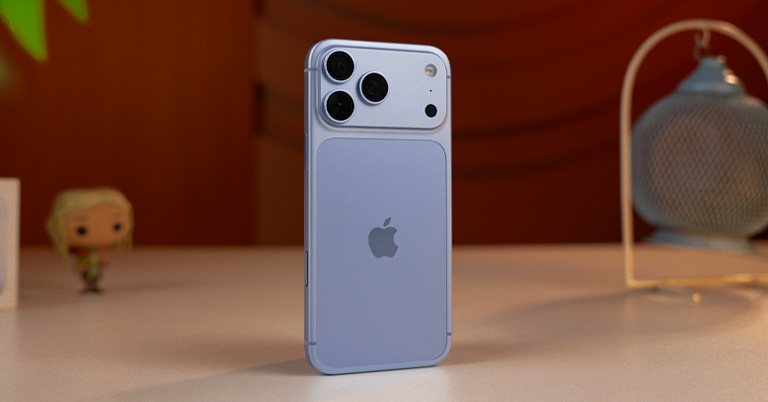
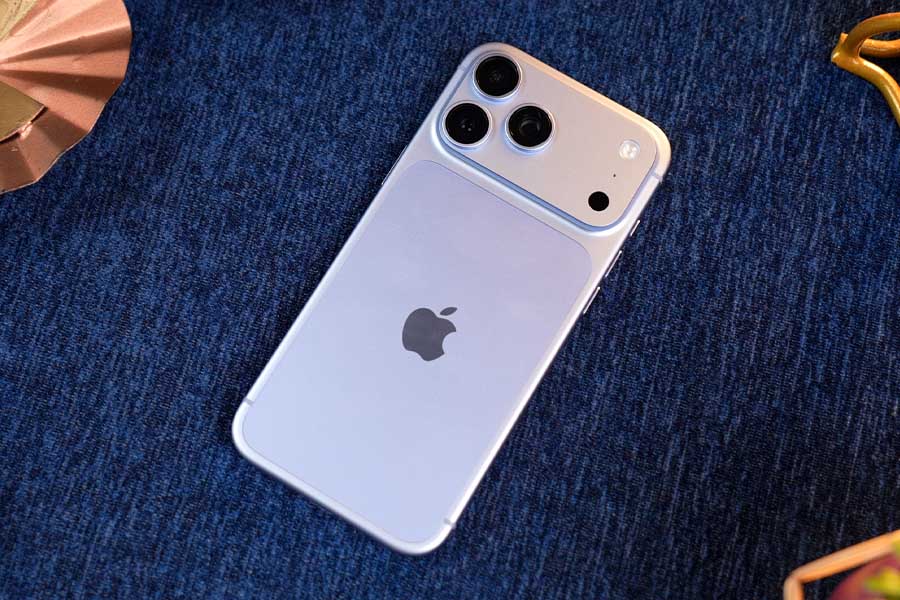
If you were expecting Apple to completely redesign the Pro iPhone this year, well, that did not happen. The iPhone 18 Pro Max looks almost identical to the iPhone 17 Pro Max. The overall dimensions remain the same, the aluminium frame continues, and even when I kept both phones side by side on the table, there was very little separating them visually.
In fact, my iPhone 17 Pro Max case fits on the 18 Pro Max as well, although the camera plateau on the newer phone has become ever so slightly thicker. So yes, Apple has changed things here, but we are talking about millimeters rather than a completely new design.
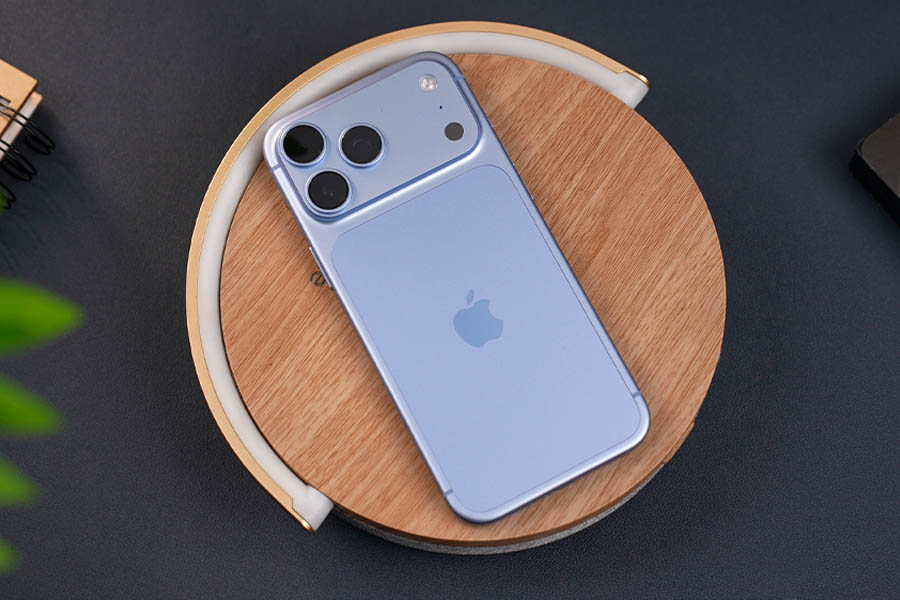
The easiest way to tell the new model apart is probably through the colors. Apple now offers Black, Silver, Glacier, and Burgundy, with Burgundy being the hero finish this year. I have the Glacier variant, and I really like it. It has a soft blue finish that reminds me a little of the Sierra Blue iPhone 13 Pro. But if you buy Silver, good luck telling it apart from last year's model.
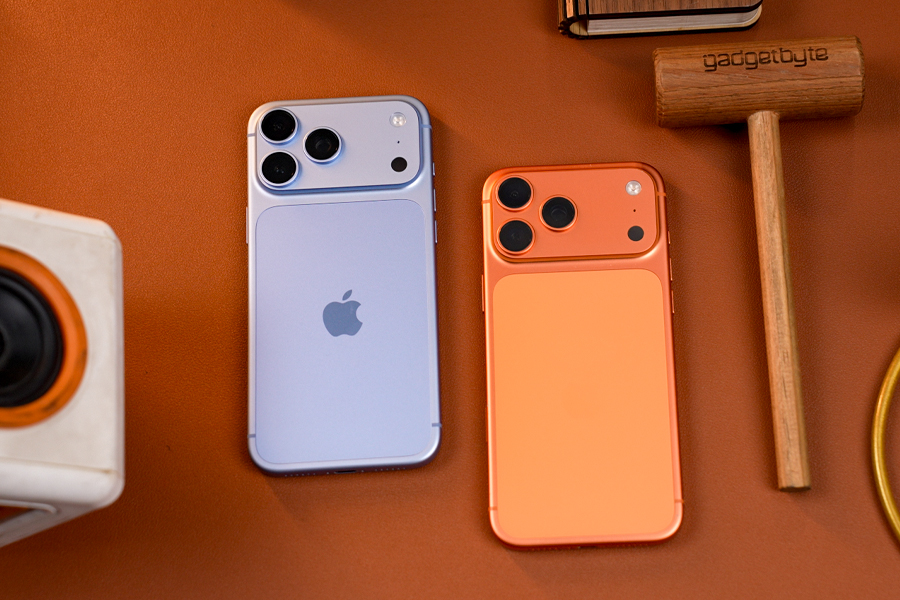
Apple has at least improved the color matching between the rear glass and aluminum frame, so the transition looks more seamless this year and gives the phone a slightly cleaner, more premium finish.
Noticeably heavier
The iPhone 18 Pro Max weighs 249 grams, up from 233 grams on the 17 Pro Max. That's 16 grams heavier, and you can genuinely feel the difference when you pick them up one after another. Throw on a tempered glass and protective case, and this becomes a seriously heavy phone. Beside something like the Galaxy S26 Ultra, the iPhone genuinely feels like a brick.
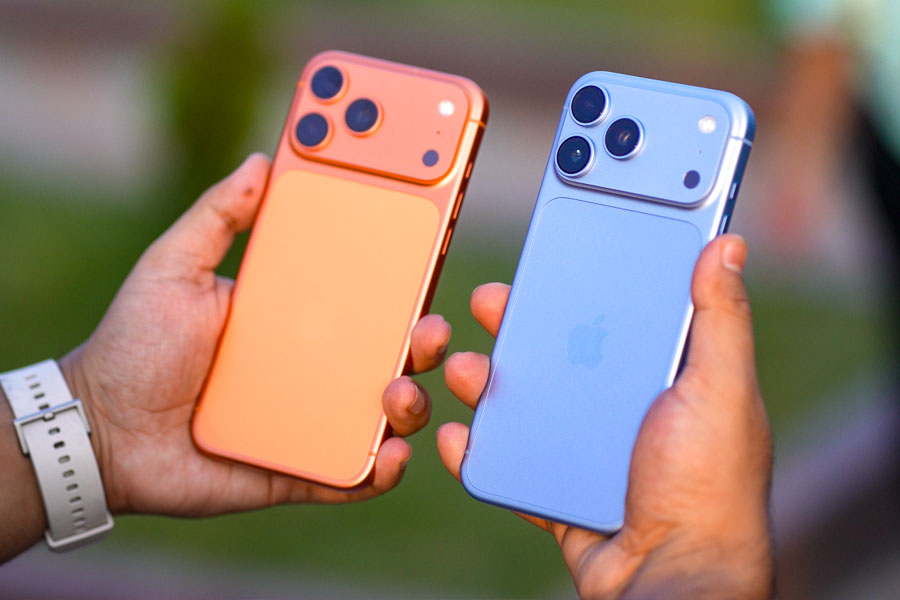
Thankfully, the weight distribution is excellent. Despite the huge camera island, it doesn't feel unusually top-heavy and remains well balanced in the hand. And at least there is a reason for some of that extra weight. Apple has fitted a larger battery and a much bigger vapor chamber this year. Still, I would have preferred Apple to shave off a few grams rather than add another 16.
What about durability?
Durability is largely unchanged. You still get an aluminium unibody, Ceramic Shield 2 on the front, Ceramic Shield on the back, and IP68 protection. My only concern remains the aluminium frame. My Cosmic Orange 17 Pro Max has already picked up a small scuff around one corner, and aluminium is simply more prone to visible scratches and dents. That said, most people spending this much on a phone will probably use a case anyway.
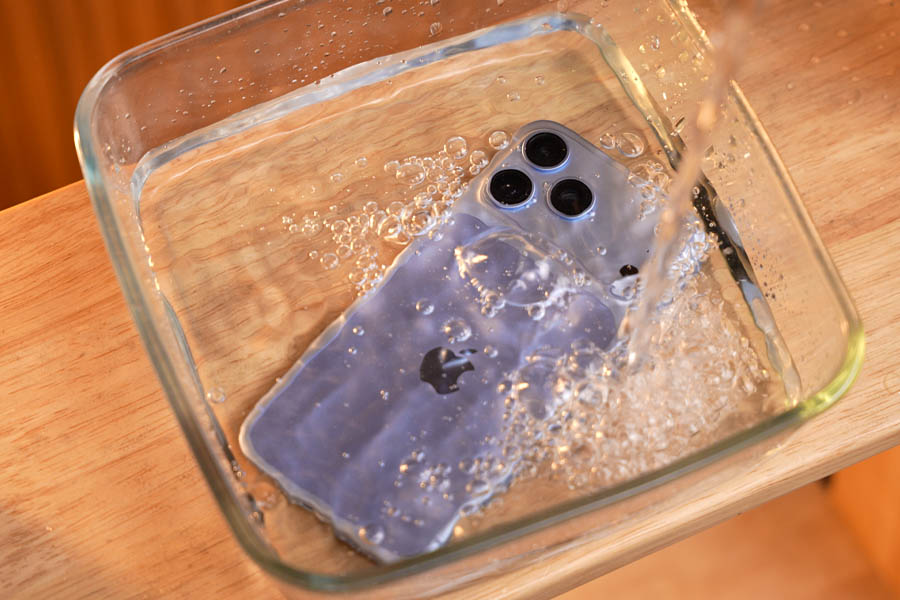
Overall, the iPhone 18 Pro Max still feels very much like an evolution of the 17 Pro Max rather than a redesign. You get better color matching, new finishes, a slightly thicker camera plateau, a smaller Dynamic Island, and noticeably more weight. It still feels premium and well built, but I do wish Apple had made it lighter. Maybe the bigger visual overhaul is being saved for the iPhone’s 20th anniversary in 2027.
Display, Haptics and Speakers
Display Quality
The display is one area where Apple really hasn't tried to reinvent anything this year, and honestly, it didn't need to. The 6.9-inch ProMotion OLED panel on the iPhone 17 Pro Max was already excellent, and the experience on the 18 Pro Max remains very similar.
Apple itself does not officially call the iPhone 18 Pro Max display LTPO+, but several reports online suggest that the Pro models are using a newer LTPO+ OLED panel this year. The main benefit is said to be slightly better power efficiency rather than a noticeable change in display quality, helping the screen manage refresh rates more efficiently and potentially contributing to the better battery life I have been getting from the phone.
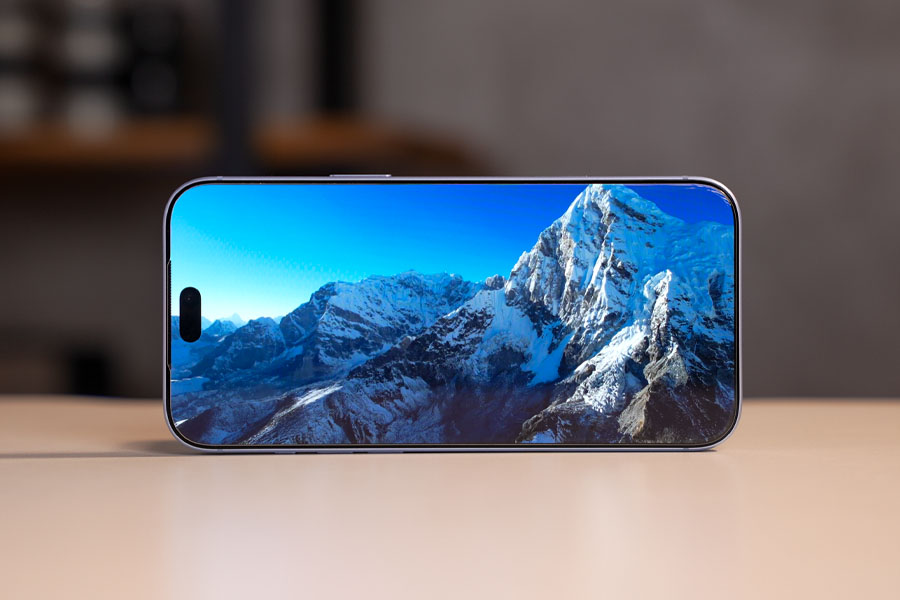
In terms of actual display quality, though, I couldn't find any major difference compared to the 17 Pro Max. It's still bright, sharp, smooth at 120Hz, and excellent for everything from watching HDR content to editing photos or simply scrolling through social media.
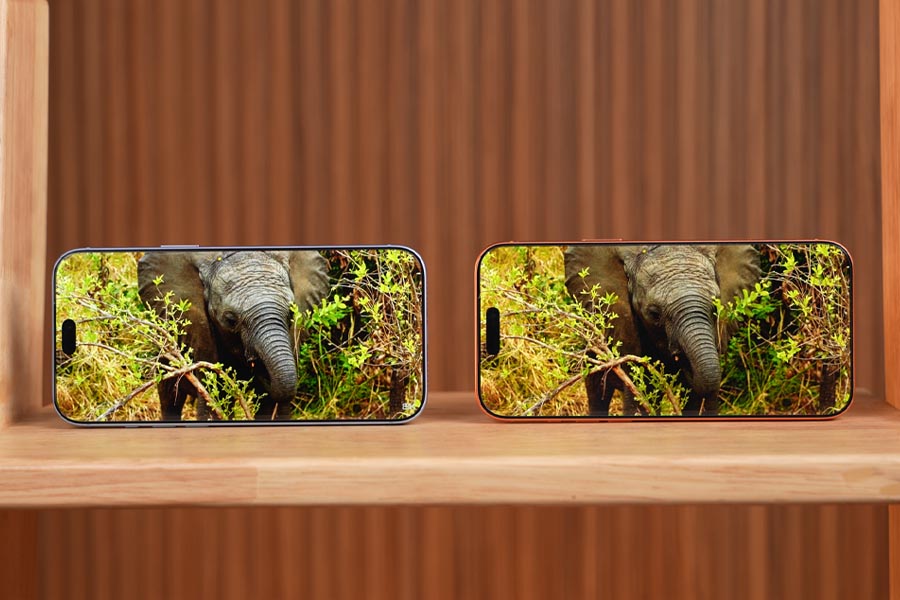
One small thing I did notice during my side-by-side testing is that the 18 Pro Max display looks slightly cooler in color temperature compared to the 17 Pro Max. It isn't necessarily better or worse, just a subtle difference you notice when both phones are sitting next to each other.
Anti-reflective coating could still be better
Apple continues to use an anti-reflective coating here, but in my testing, I couldn't see any meaningful improvement over last year's model. The screen remains perfectly usable outdoors thanks to its high brightness, but when strong lights hit the glass directly, reflections are still quite visible. And after comparing it with phones like the Galaxy S26 Ultra, Apple still has some catching up to do in this area.
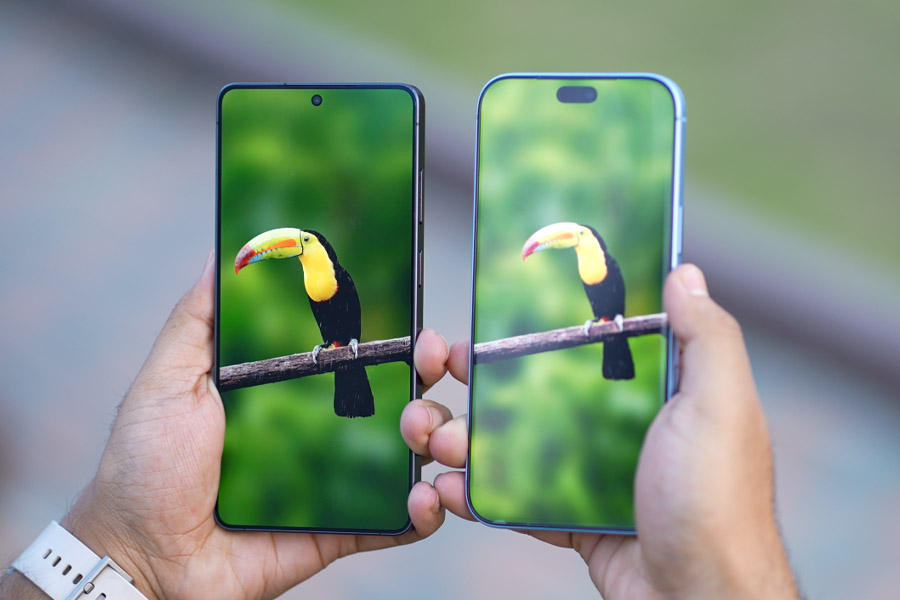
So yes, this is an excellent display, but I wouldn't call it the best smartphone display in every aspect. The anti-reflective performance in particular still leaves some room for improvement.
A smaller Dynamic Island
The biggest visual change from the front is the smaller Dynamic Island, which is roughly 35% narrower this year. Apple has managed this partly by moving the infrared Face ID camera underneath the display. There is a small area of reduced pixel density above that sensor, but honestly, I can’t notice it during normal use.
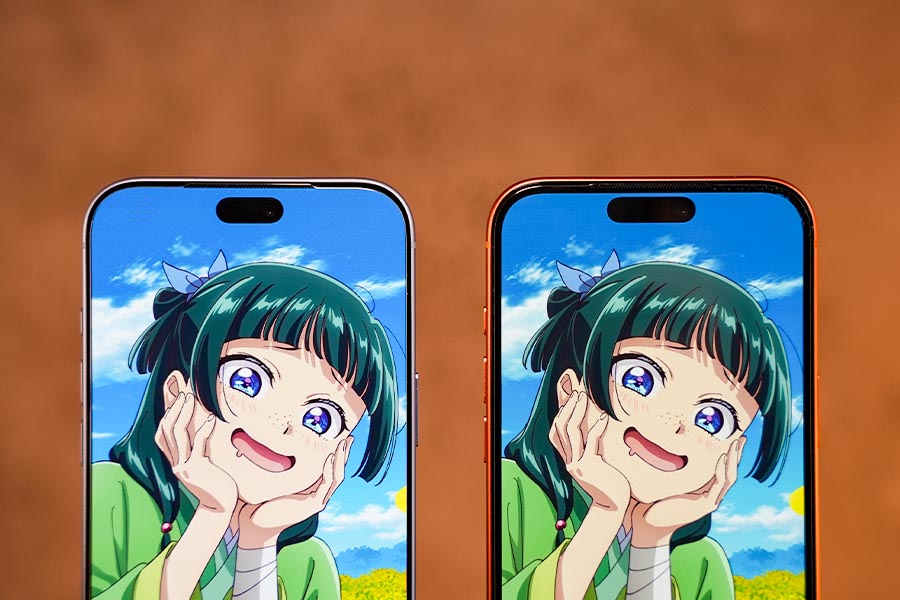
The smaller cutout also makes the top of the display look noticeably cleaner and less intrusive. And because Apple now has a little more space to work with, the Dynamic Island can show up to three Live Activities at the same time.
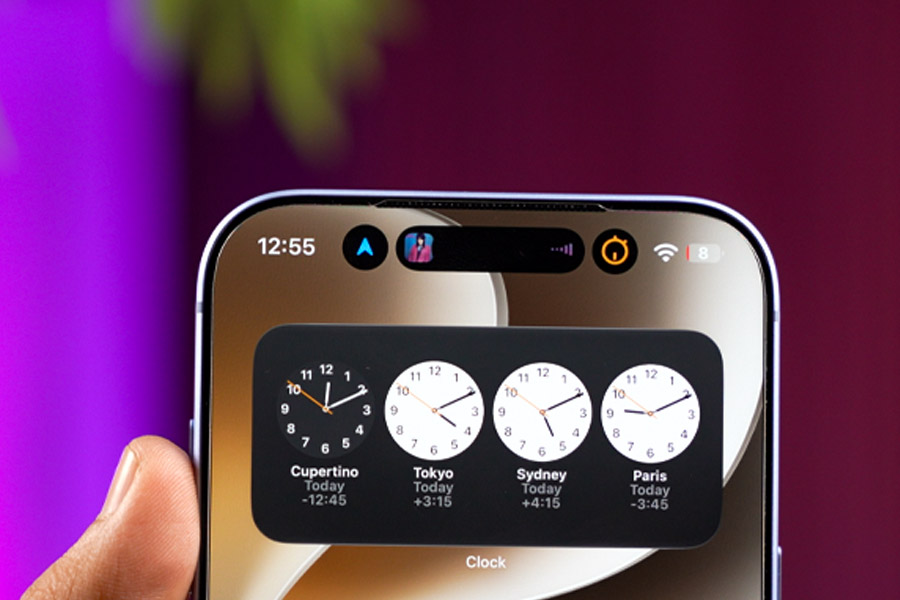
For example, I could have navigation running, music playing, and a stopwatch active simultaneously. More importantly, Face ID still works just as quickly and reliably as before in my testing against the 17 Pro Max. So Apple has managed to shrink the Dynamic Island without really compromising the unlocking experience.
Haptics
There isn't much to complain about here. Apple's haptics have been among the best in smartphones for years, and that continues with the 18 Pro Max. The feedback is tight, precise and consistent throughout the interface, whether you're typing, interacting with menus or using system gestures.
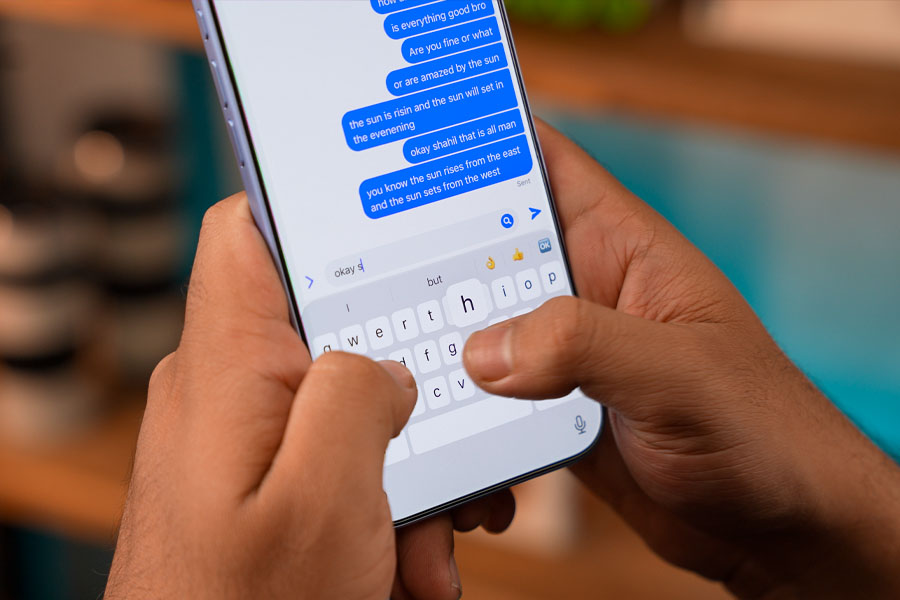
There isn't a dramatic generational improvement, but it is still one of the best haptic systems you can get on a phone.
Speakers
The speakers are also very good, as expected, but I did notice a small difference compared to the 17 Pro Max. To my ears, the 18 Pro Max sounds slightly richer, particularly with voices. Vocals come through a little clearer and more pronounced, which makes dialogue in videos and podcasts sound slightly better.
The difference isn't huge, and I wouldn't upgrade for the speakers alone, but Apple seems to have done some tuning here. Overall volume, stereo separation and clarity remain excellent.
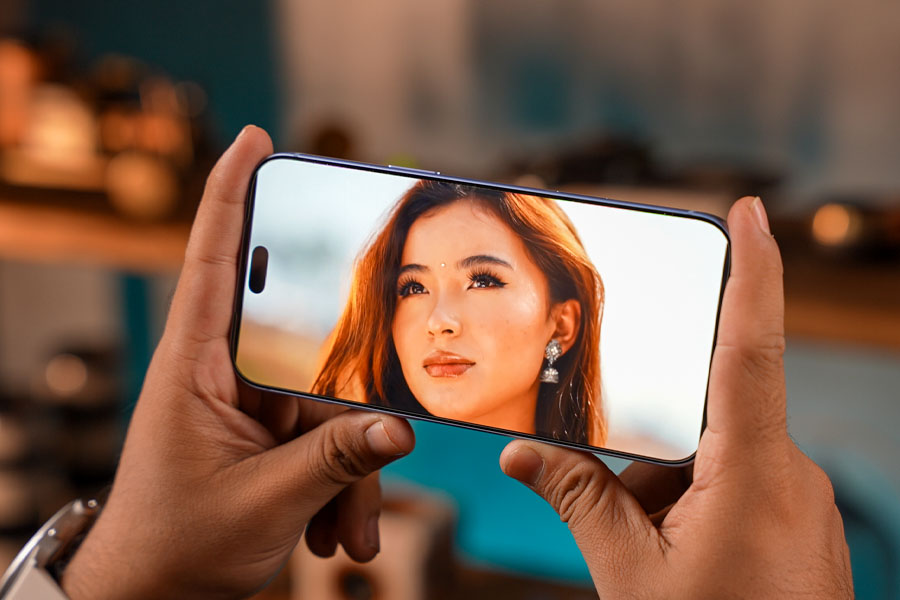
Overall, the display experience on the iPhone 18 Pro Max is still more about refinement than a major upgrade. The smaller Dynamic Island makes the front look cleaner, and the speakers sound slightly better tuned, but if you are coming from the 17 Pro Max, don’t expect a noticeably better screen. It was already excellent last year, and it remains excellent this year.
Software: iOS 27 and Siri AI
iOS 27
Visually, iOS 27 feels like a cleaner and more polished version of what Apple started with iOS 26. The Liquid Glass design is still here, but the overall interface now looks more refined and easier on the eyes. Icons, folders and UI elements stand out more clearly from the background, which gives the whole system a more separated and less cluttered look. In side-by-side use, iOS 27 simply feels more aesthetically pleasing and more mature than the first iteration of Liquid Glass.
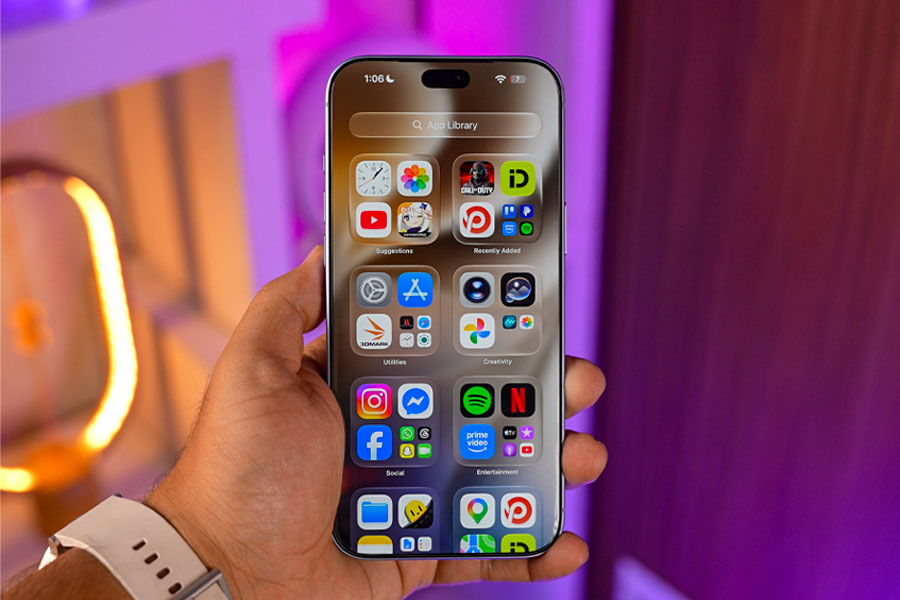
Another small but important improvement is the ability to tone down the Liquid Glass effect according to your preference. That makes the design much easier to live with, especially if you found iOS 26 a little too transparent or visually busy. Add subtle refinements like clearer icons and the new XL-sized widgets, and iOS 27 feels much more balanced overall. It is not a complete redesign, but it is definitely the version of Liquid Glass that feels properly finished.
Siri finally feels useful
The biggest software upgrade, though, is the new Siri AI. I tested this in a pretty practical way. Just a few hours after Nepal’s Prime Minister Balendra Shah addressed the UN, I asked Siri what he had spoken about.
On the iPhone 18 Pro Max, Siri fetched the latest information and gave me a spoken summary. I asked the same thing on iOS 26, and the older Siri simply showed web links. That is a genuinely useful improvement. Siri is moving from “here are some links” to actually retrieving information, understanding it and giving you a direct answer.
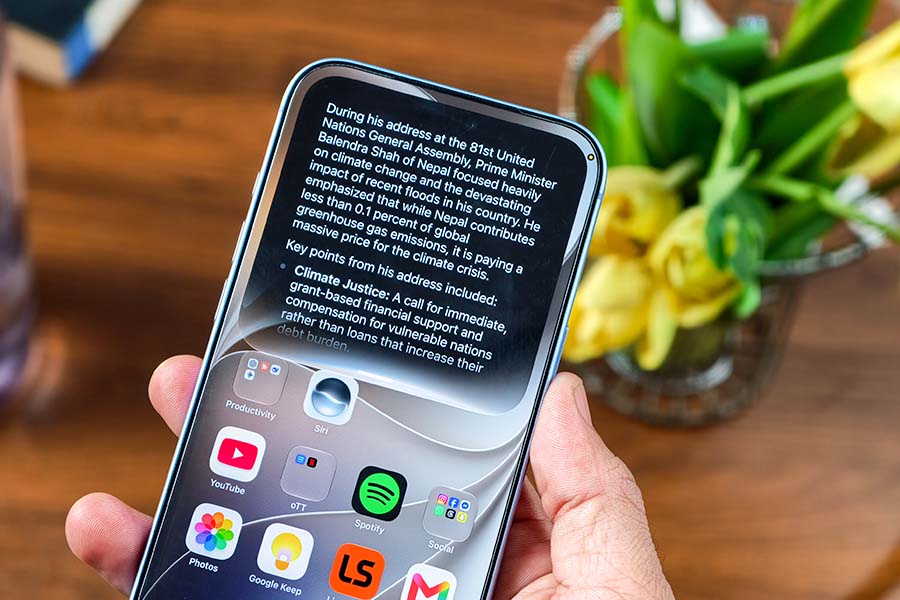
There is also a dedicated Siri app now, more like ChatGPT or Gemini, with support for longer conversations, file and photo uploads, and conversation history. But as a standalone AI assistant, it still isn’t anywhere near ChatGPT or Gemini in terms of reasoning.
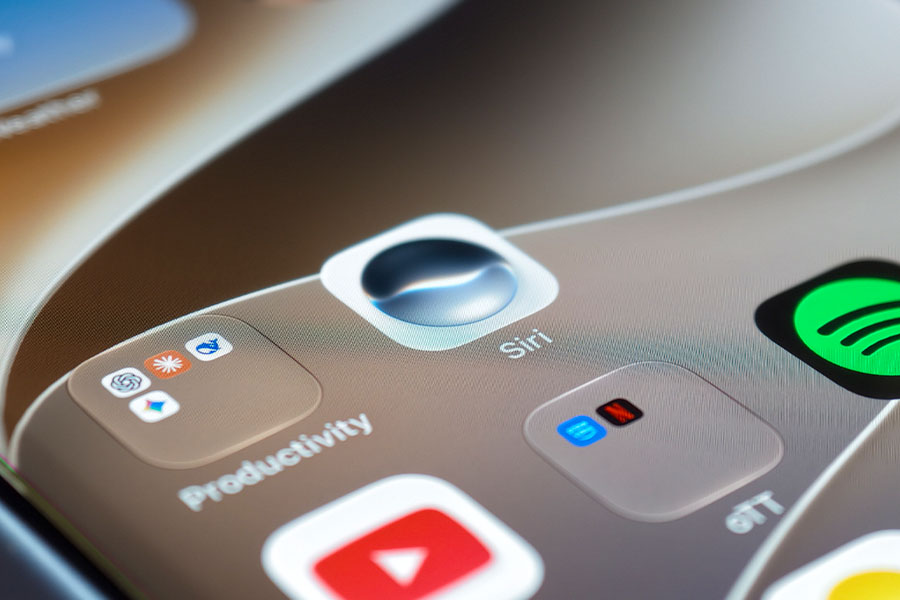
Where Siri becomes more interesting is its deep iPhone integration. It can understand your personal context, check schedules, create reminders, summarize emails, and work with what is already on your phone.
It also has on-screen awareness, so you can ask questions about whatever you are currently viewing without explaining everything from scratch. You can also create Shortcuts using natural-language prompts, which makes automation much easier than manually building every step.
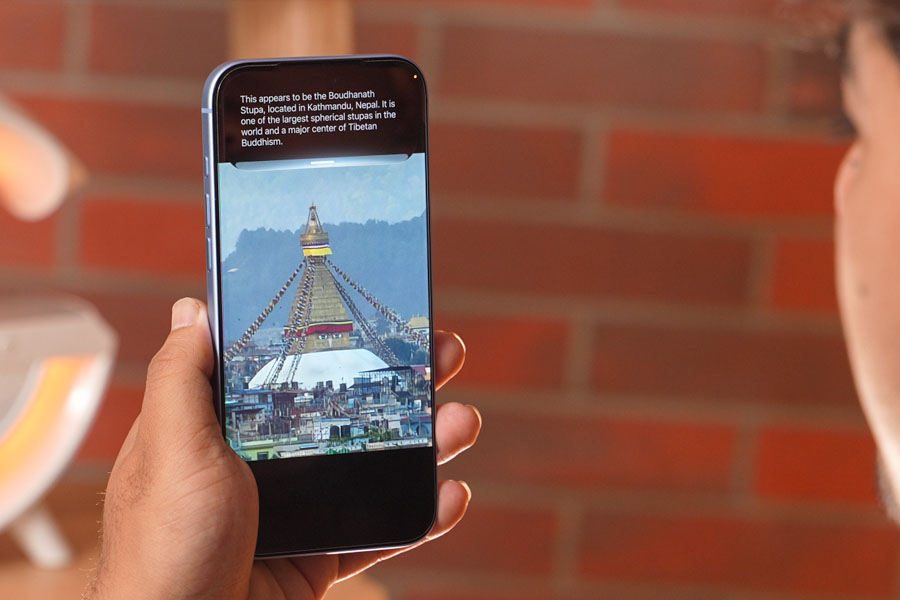
Photos gets smarter
Apple has expanded its AI photo-editing tools too. Alongside Clean Up, you now get Extend and Reframe. Extend uses generative AI to expand the edges of an image, while Reframe intelligently recomposes the shot for you.I also found Clean Up to work better than before. Interestingly, Clean Up and Reframe can work offline, while Extend requires an internet connection.
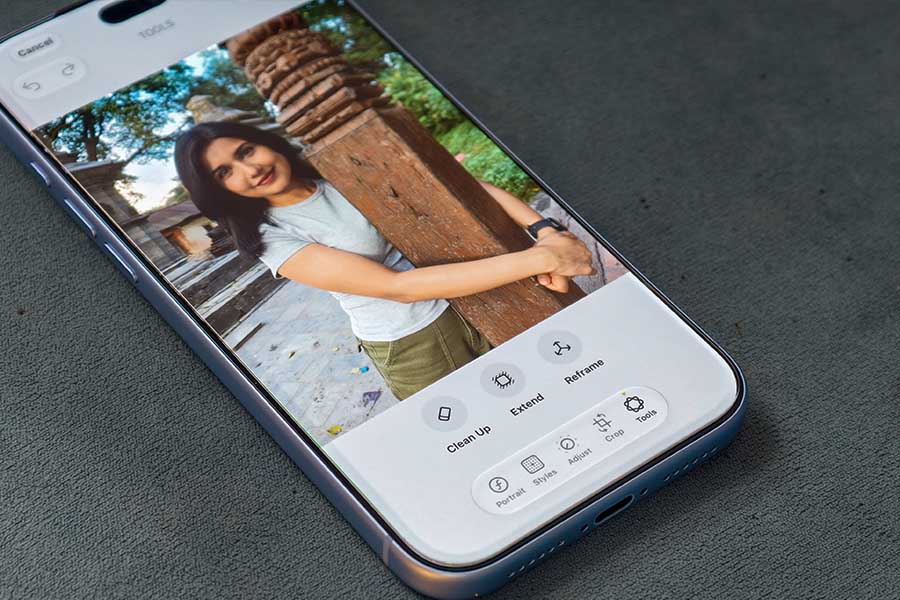
AirDrop is slightly faster
AirDrop also feels quicker on iOS 27. To test it, I transferred the same 2.09GB file between two iPhones running iOS 26 and then between two iPhones running iOS 27. The newer setup finished the transfer in 25.15 seconds, compared to 32.71 seconds on iOS 26, which works out to roughly 30% higher average throughput.
| AirDrop Test | iOS 26 to iOS 26 | iOS 27 to iOS 27 |
|---|---|---|
| File Size | 2.09GB | 2.09GB |
| Transfer Time | 32.71 sec | 25.15 sec |
| Average Speed | 63.9 MB/s | 83.1 MB/s |
| Improvement | — | ~30% faster |
Apple claims AirDrop can be up to 80% faster with iOS 27. My test did not reach that figure, and since the devices used were different, this is not a perfect controlled comparison. But the improvement was still clearly noticeable in actual use.
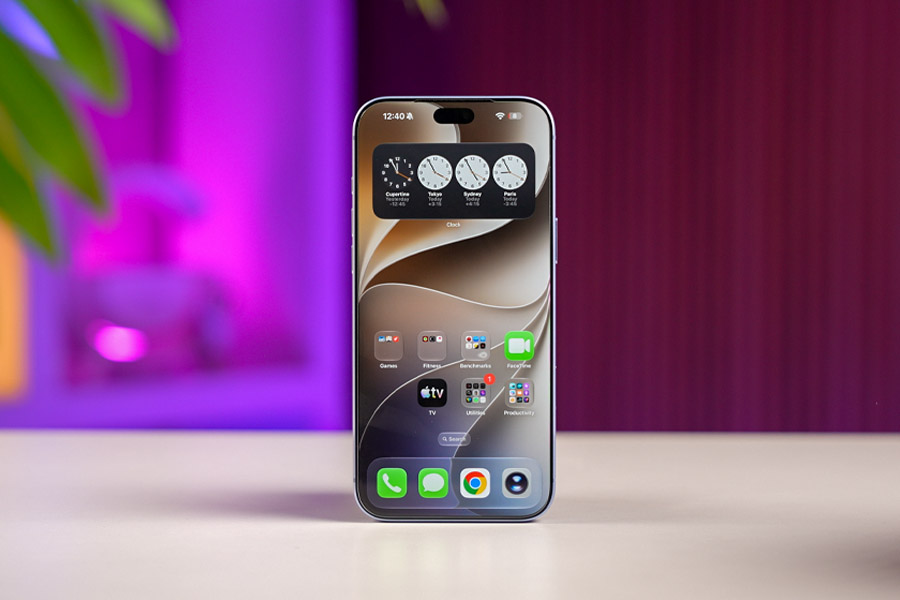
Overall, iOS 27 feels less like another redesign and more like Apple finally polishing the foundation it introduced last year. The visual improvements are subtle, but welcome. Siri AI, on the other hand, has the potential to be a much bigger change. It is still in beta and it is certainly not ready to replace ChatGPT or Gemini, but for the first time in a long time, I actually found myself wanting to use Siri rather than avoiding it.
Performance and Thermals
If there is one area where the iPhone 18 Pro Max feels like a proper generational upgrade, it is performance and thermals. The new A20 Pro is Apple’s first 2nm chip, with a 6-core CPU, 7-core GPU, up to 50% more memory bandwidth and a 32-core Neural Engine for heavier AI workloads.
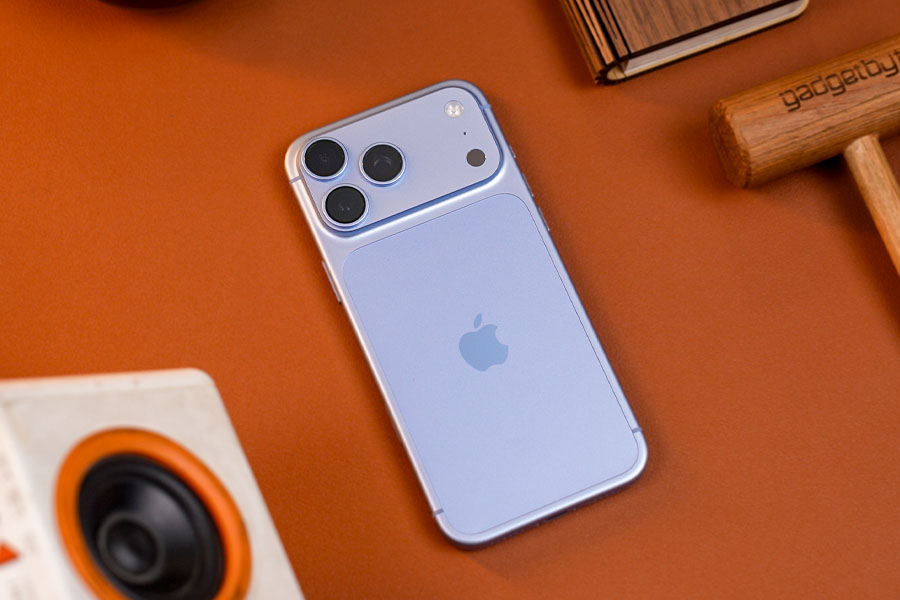
More importantly, Apple has redesigned how the chip is packaged. The memory now sits beside the silicon instead of directly above it, which helps reduce heat concentration and allows a more direct connection to the cooling system. Pair that with a vapor chamber that is three times larger than before, and Apple claims up to 40% higher sustained performance over the 17 Pro.
Those are Apple's claims. Curiously, I wanted to see how much of that actually translates into real-world use so I started off my testing with some gaming.
Gaming performance
Starting with PUBG Mobile, I ran both the 17 Pro Max and 18 Pro Max at Smooth graphics and Ultra Extreme frame rate. And interestingly, raw frame rates were almost identical.
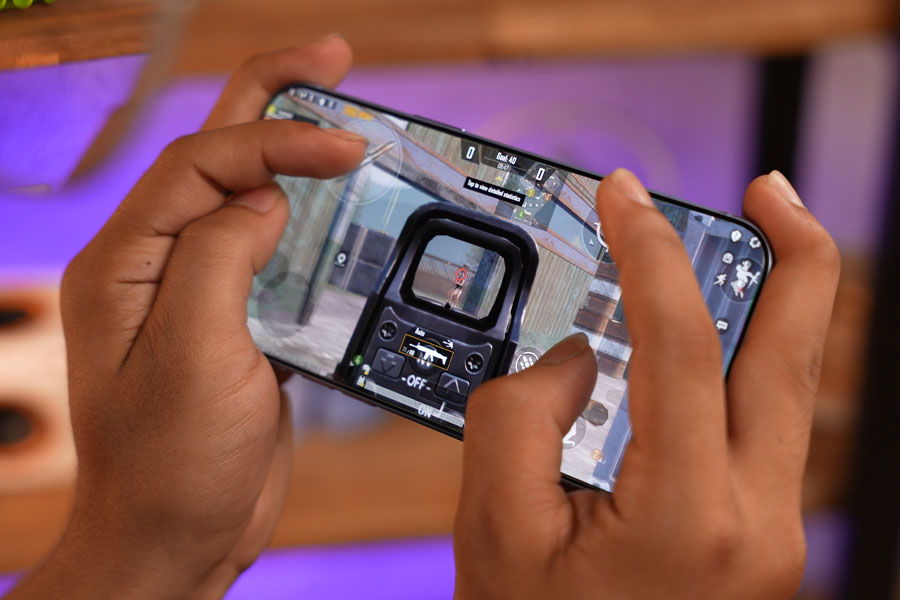
| PUBG Mobile | iPhone 17 Pro Max | iPhone 18 Pro Max |
|---|---|---|
| Average FPS | 119.62 fps | 119.48 fps |
| 5% Low | 111.36 fps | 108.67 fps |
| Starting temperature | 26.6°C / 26.8°C | 28.8°C / 28.7°C |
| Ending temperature | 35.9°C / 36.3°C | 33.1°C / 32.4°C |
So neither phone has a problem pushing PUBG at around 120fps. What surprised me was the temperature. The 18 Pro Max actually started the test warmer, yet finished at around 33°C, while the 17 Pro Max reached around 36°C. The test durations weren't perfectly identical, so I wouldn't treat this as a laboratory comparison, but the difference was still noticeable during use.
I also played Genshin Impact for 30 minutes at the highest graphics setting and 60fps frame rate.
| Genshin Impact | iPhone 17 Pro Max | iPhone 18 Pro Max |
|---|---|---|
| Average FPS | 59.59 fps | 59.87 fps |
| 5% Low | 55.92 fps | 57.66 fps |
| Starting temperature | 30°C / 31.2°C | 30°C / 30.8°C |
| Ending temperature | 40.1°C / 41.6°C | 38.6°C / 39.2°C |
The 18 Pro Max averaged 59.87fps, with a 5% low of 57.66fps. Basically, it stayed locked around that 60fps target throughout the session. The phone started at roughly 30°C and finished at 38.6°C on the front and 39.2°C at the back, which is pretty impressive considering how demanding Genshin can be.
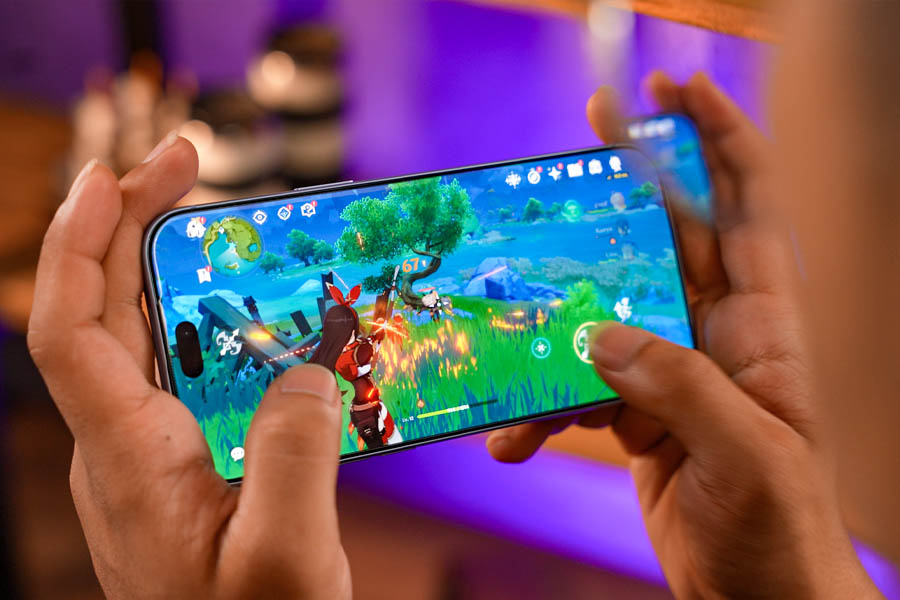
So for gaming, the improvement isn't necessarily that games suddenly run at frame rates the 17 Pro Max couldn't achieve. The 17 Pro Max was already ridiculously powerful. The bigger advantage is being able to hold that performance for longer without heat becoming as much of a problem.
BenchMarks
The benchmark numbers clearly show that the A20 Pro is a meaningful step up over the A19 Pro. In Geekbench 7, the iPhone 18 Pro Max delivered around 26% higher single-core performance, nearly 30% better multi-core performance, and about 37% higher GPU performance compared to the 17 Pro Max. The Geekbench AI Quantized score also improved by roughly 20%, showing a solid boost in on-device AI performance.
| Benchmark | iPhone 17 Pro Max | iPhone 18 Pro Max | Improvement |
|---|---|---|---|
| Geekbench 7 Single-Core | 3,203 | 4,037 | +26.0% |
| Geekbench 7 Multi-Core | 8,885 | 11,524 | +29.7% |
| Geekbench 7 GPU | 43,563 | 59,799 | +37.3% |
| Geekbench AI Quantized | 7,597 | 9,112 | +19.9% |
| AnTuTu v11 | 2,403,866 | 3,456,204 | +43.8% |
The biggest jump came in AnTuTu v11, where the overall score improved by almost 44%. Of course, you are not going to feel a 44% difference while opening Instagram or replying to messages because the 17 Pro Max was already extremely fast. But these results make one thing clear: Apple has pushed the performance ceiling significantly higher this year, especially for heavier workloads, gaming, AI tasks and sustained performance.
Overall, performance and thermals are easily among the biggest upgrades on the iPhone 18 Pro Max. You may not notice a massive difference in everyday tasks because the 17 Pro Max was already extremely fast, but under gaming and sustained workloads, the A20 Pro and redesigned cooling system clearly show their advantage. The phone delivers significantly higher peak and sustained performance while managing heat better in real-world gaming, making this upgrade much more meaningful for power users than the spec sheet alone might suggest.
How are iPhone 18 Pro Max Cameras?
Cameras are something Apple talks about a lot at every iPhone launch, and to be fair, the iPhone has built a very strong reputation over the years, especially for videography. I still consider it one of the most dependable phones for shooting video.
But when it comes to photography, the competition has moved very fast. Areas like long-range zoom, telephoto macro and extreme low-light photography are where some of the latest Chinese flagships are already ahead.
iPhone 18 Pro Max Camera Specifications
- Main Camera: 48MP Sony IMX905, 1/1.28" sensor, 24mm, f/1.48 / f/1.8 / f/2.8 / f/4 variable aperture, sensor-shift OIS, up to 4K 120fps video
- Ultra-wide Camera: 48MP Sony IMX972, 1/2.55" sensor, 13mm, f/2.2, 120° FoV, PDAF, up to 4K 60fps
- Telephoto Camera: 48MP Sony IMX973, 1/2.55" sensor, 100mm, f/2.8, 4x optical zoom, 3D sensor-shift OIS, up to 4K 60fps
- Selfie Camera: 18MP Sony IMX914, 20mm, f/1.9, PDAF, up to 4K 60fps
And looking purely at the specs, the iPhone 18 Pro Max doesn't bring a major camera hardware overhaul either. The ultra-wide, telephoto and selfie cameras are essentially carried over from the 17 Pro Max. The big new addition is the physical variable aperture on the 48MP main camera.
All three rear cameras can shoot at 24MP at their native focal lengths, while 48MP is also available at 0.5x, 1x and 4x. The 2x and 8x options output at 12MP.
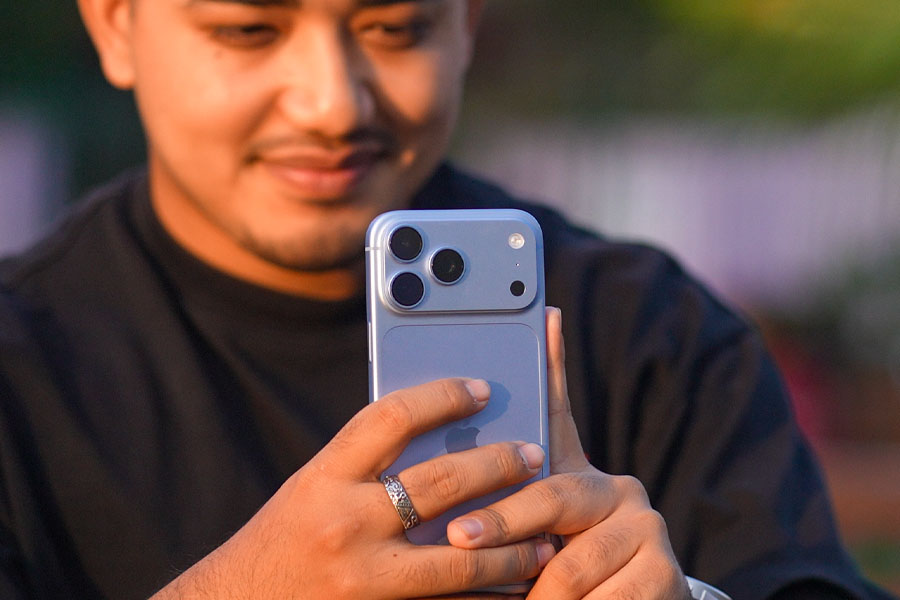
But specs only tell half the story. So I took the 18 Pro Max out, captured a lot of photos and videos in different lighting conditions, and compared it directly against my 17 Pro Max to see whether the new variable aperture and A20 Pro processing actually make a difference.
Main Camera
Starting with the main camera, daytime photos are still very much what you would expect from an iPhone. You get natural colors, excellent dynamic range and plenty of detail. When I compared it side by side with the 17 Pro Max, though, the difference wasn't dramatic.
One thing I consistently noticed is that the 18 Pro Max tends to produce a slightly warmer image, with somewhat deeper contrast. Fine detail during the daytime remains fairly similar between the two phones, so don't expect the 18 Pro Max to suddenly destroy the 17 Pro Max in normal daylight photography.
The 2x crop also looked slightly better in some of my indoor and close-up samples. Subject separation appeared a little stronger, and the wider aperture helped in situations where lighting wasn't ideal.
Variable Aperture
This is where things finally get interesting.
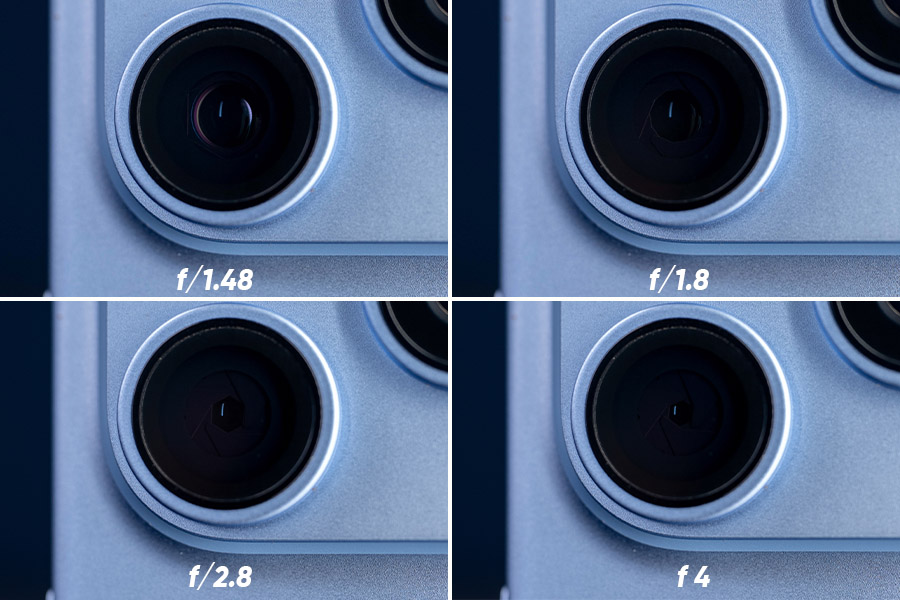
The 18 Pro Max has an actual six-blade physical aperture inside the main camera, with four selectable positions: f/1.48, f/1.8, f/2.8 and f/4.0. In regular daytime Auto mode, I found that the camera mostly stays around f/1.8, while in darker conditions it automatically opens up to f/1.48.
And wider isn't always better.
At f/1.48, the focus plane becomes narrower, so you get stronger natural background blur but less of the subject remains perfectly sharp. For example, in my bell photo, f/1.48 looked beautiful because that extra background separation suited the image perfectly.
But when I photographed a glass with a straw, I actually wanted the entire subject to remain in focus. Here, f/2.8 or f/4 made much more sense. That's the real advantage of having variable aperture. You can decide whether you want stronger separation or more depth of field depending on the scene.
Low-light is where f/1.48 matters
For me, the bigger benefit of the wider aperture actually showed up at night.
Because f/1.48 lets more light reach the sensor, I found the 18 Pro Max producing cleaner and sharper images in extremely dark scenes, with better detail and less visible noise. Night mode processing also felt slightly quicker in some situations.
In one of my bicycle shots taken in extremely low light, the difference was quite obvious. The 18 Pro Max managed to retain considerably more clarity than the 17 Pro Max.
And there is another fun side to variable aperture. Close the lens down to f/4, point it toward a small bright light source, and those six aperture blades create a natural starburst effect. I got some really nice shots of evening sunlight and street lights this way, and the effect works in video too.
Portraits
Portraits also look slightly better to my eyes, although again, we are talking about refinement rather than a huge jump.
In several of my comparisons, the 17 Pro Max produced a brighter and slightly cooler portrait with more lifted shadows. The 18 Pro Max generally gave me warmer skin tones, stronger contrast and deeper blacks, while retaining facial details slightly better.
In Pratima's portrait, for example, her skin tone looked richer and more natural on the 18 Pro Max, while the 17 Pro Max had a slightly pinkish look. In Rohans's portrait too, the newer phone again had deeper blacks and slightly better-defined facial details.
Subject separation can look a little better in certain shots, although in others the actual amount of background blur is very similar between generations.
Ultra-wide Camera
The 48MP ultra-wide is basically unchanged, and the results reflect that.
During the day, it is still a very good ultra-wide camera. Colors remain consistent with the main camera, dynamic range is good, and the 13mm field of view gives you a very wide perspective. Comparing it directly with the 17 Pro Max, however, details and dynamic range looked almost identical. The biggest difference I noticed was again that slightly warmer processing on the 18 Pro Max.
Low light is where I wish Apple had done more. Noise becomes quite visible, and in very dark areas the ultra-wide sometimes struggles to recover enough shadow information. When I compared it with the Vivo X300 Ultra in extreme low light, the difference was pretty clear. The iPhone's result isn't bad, but for a phone at this price, Apple could have improved this camera more.
Telephoto Camera
The 48MP 4x telephoto camera is unchanged from last year, and the results are very similar too. At 4x, it is still dependable, and 8x shots can look good in decent lighting. But once you go beyond that, detail starts getting noticeably softer. I also compared some 40x shots with the Oppo Find X9 Ultra, and the gap in long-range detail is huge.
Still no Tele-Macro
I also still miss a proper telephoto macro mode. Apple continues to rely on the ultra-wide for close-up shots, while some Chinese flagships now use high-resolution telephoto cameras for macro photography.
One thing Apple still does very well, though, is consistency. Colors and exposure stay impressively similar when switching between the main, ultra-wide and telephoto cameras.
Selfie Camera
There is no hardware upgrade to the selfie camera either. Apple is using the same 18MP multi-aspect sensor introduced last year, and that is perfectly fine because it was already one of the better selfie cameras around.
Skin tones look natural, details are well preserved, the field of view is wide enough for group selfies, and the multi-aspect sensor still lets you capture a horizontal selfie while holding the phone vertically, which I genuinely find useful.
Compared with the 17 Pro Max, though, don't expect a noticeable jump in actual image quality.
Videography and Pro Controls
Videography is still where the iPhone feels strongest. Compared to the 17 Pro Max, overall video quality is quite similar, but the new variable aperture adds more flexibility. At f/1.48, the main camera gives noticeably stronger natural background separation, and in very low light, the 18 Pro Max also pulls out a bit more shadow detail.
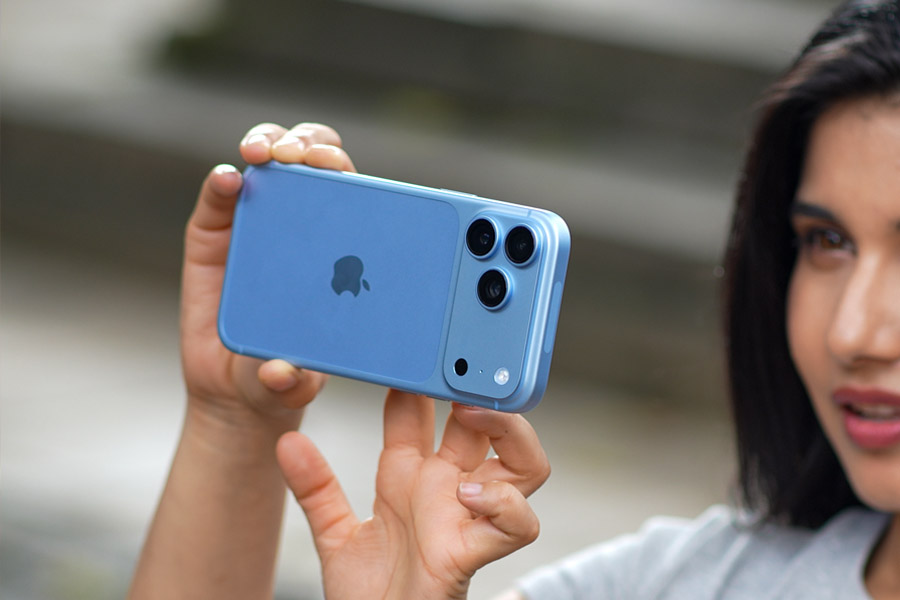
Stabilization, exposure and color consistency remain excellent, while ultra-wide video is still weaker in low light and telephoto video remains very reliable.
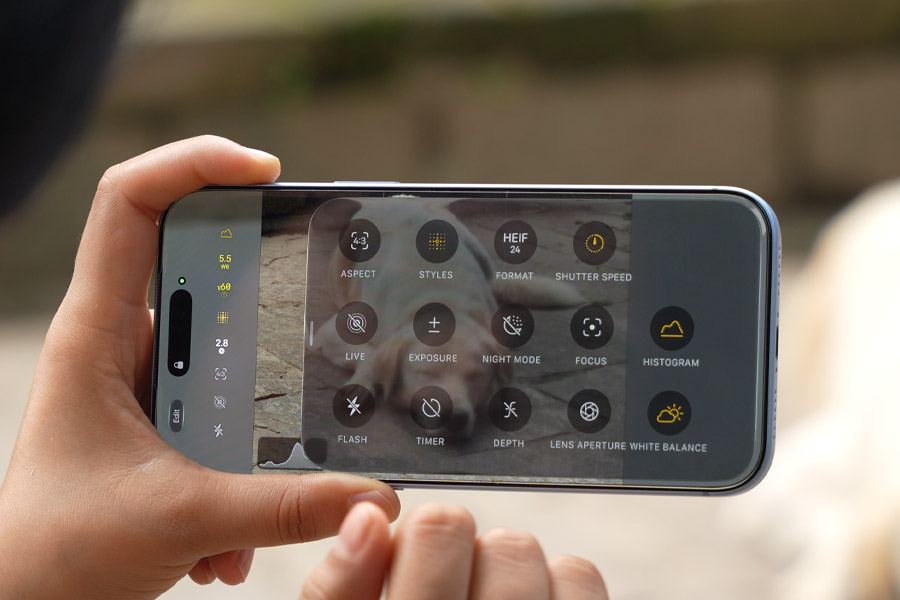
Apple has also added more Pro Controls, including histogram, shutter speed, aperture, white balance and manual focus with focus peaking. The main limitation is that these settings must be adjusted before recording, and there is still no proper ISO control.
Cinematic mode now supports 4K 60fps, and the new focus tracking is impressively strong, even picking the subject back up after it briefly leaves the frame.
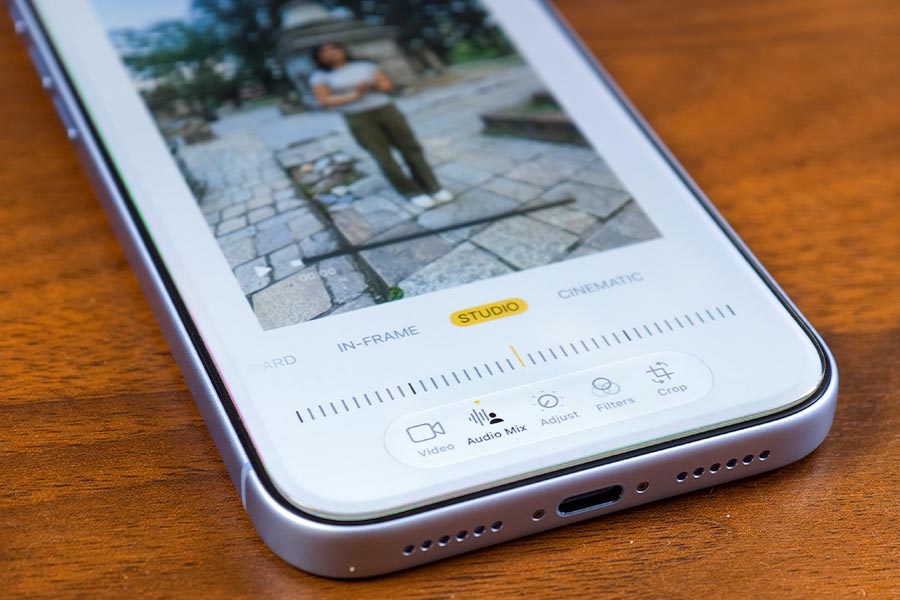
Audio Mix
Apple says Audio Mix now uses improved algorithms for cleaner voice recording and better handling of background music. In my side-by-side test using In-Frame mode at full strength, the 18 Pro Max suppressed background music more effectively, while some of it still leaked through on the 17 Pro Max. The difference is subtle, but voice isolation is slightly cleaner on the newer model.
Overall, the iPhone 18 Pro Max isn't a huge camera upgrade, especially if you already own the 17 Pro Max. The ultrawide, telephoto and selfie cameras are largely unchanged, and competitors are still ahead in areas like extreme zoom, telephoto macro and some low-light scenarios. But the variable-aperture main camera does add something genuinely new.
It gives creators more control over depth of field, helps in extreme low light and opens up creative possibilities like natural starbursts. Add the new Pro Controls, stronger focus tracking and Apple's already excellent video capabilities, and this remains one of the most dependable camera systems for creators, even if it isn't necessarily the best photography phone in every category.
Battery Life and Charging
Battery Life
Battery life is another area where I found a meaningful improvement. The battery itself isn’t dramatically bigger than the one inside the 17 Pro Max, but in my everyday use, I was consistently getting around one and a half to two hours of extra battery life. The more efficient A20 Pro chip, LTPO+ display and other system-level optimizations seem to be doing a lot of the work here.
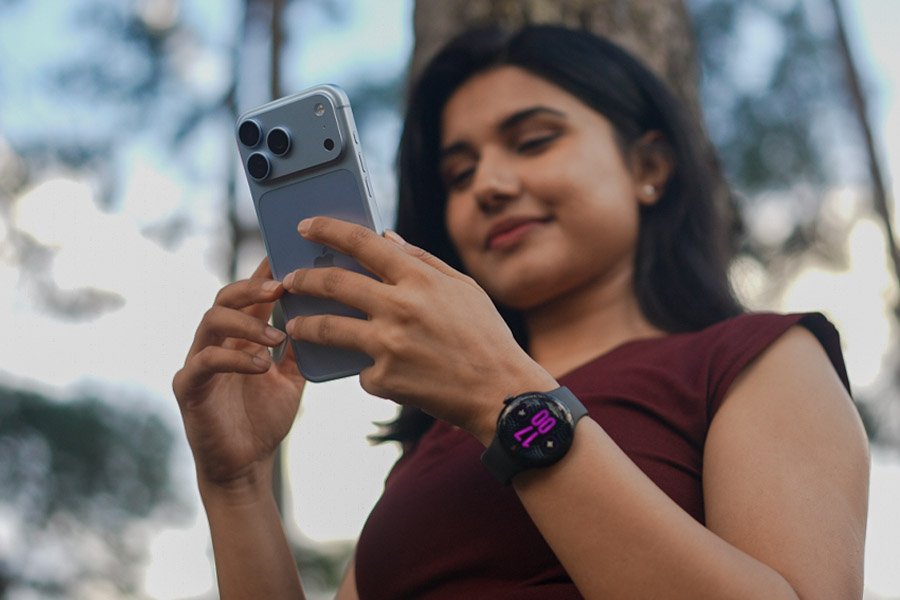
And honestly, battery life has reached a point where the 18 Pro Max can comfortably get me through a heavy day without much battery anxiety. I’ve even seen independent drain tests where it managed to outperform some of last year’s Android battery champions, so this is definitely one of the strongest areas of the phone.
Charging
Charging has finally improved as well. Apple’s new 40W Dynamic Power Adapter is now available in markets like India, and the 18 Pro Max can reach around 50% in roughly 15 minutes with compatible hardware. It still isn’t competing with the crazy 80W or 100W charging speeds we see on some Android flagships, but for an iPhone, this is a very welcome upgrade and makes quick top-ups much more practical.
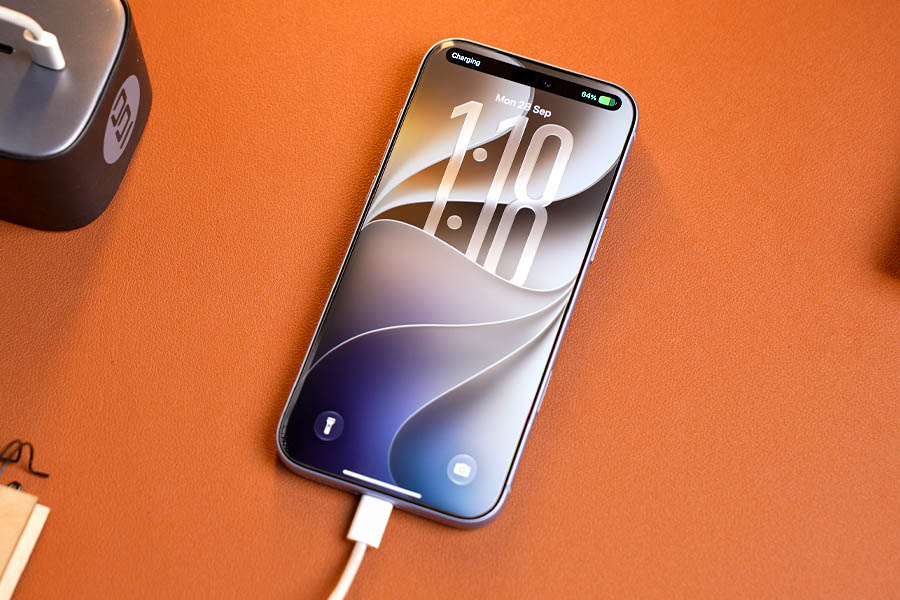
Overall, the combination of better endurance and faster charging makes the battery experience noticeably better than the 17 Pro Max, and this is one of the upgrades I appreciated the most in daily use.
iPhone 18 Pro Max: Verdict
Yes, the iPhone 18 Pro Max is the best and most capable iPhone Apple offers right now. You get excellent and reliable cameras, class-leading video, great battery life, a beautiful display, strong speakers and the kind of premium build that still carries a certain status value in markets like Nepal. And this year, the biggest upgrade is clearly performance. The A20 Pro is seriously powerful, sustained performance is much better, and the improved thermals show that Apple has designed this phone not just for today, but with several years of heavy use in mind.
But that also brings me to the main point of this review. If you already own an iPhone 15 Pro, 16 Pro or 17 Pro series, I don't think you need to rush out and buy the 18 Pro Max unless money really isn't a concern. In everyday use, the difference simply isn't big enough. The performance gains are impressive on paper and under heavy workloads, but for normal users opening apps, taking photos and scrolling social media, the older Pro iPhones are already more than fast enough.
However, if you are coming from something like an iPhone 13 Pro, 13 Pro Max or 14 Pro Max, especially if you can still get a good resale value for your current phone, the 18 Pro Max will feel like a much more meaningful upgrade. You are getting better battery life, significantly stronger performance, improved thermals, newer camera features, Siri AI and all the refinements Apple has accumulated over the last few generations.
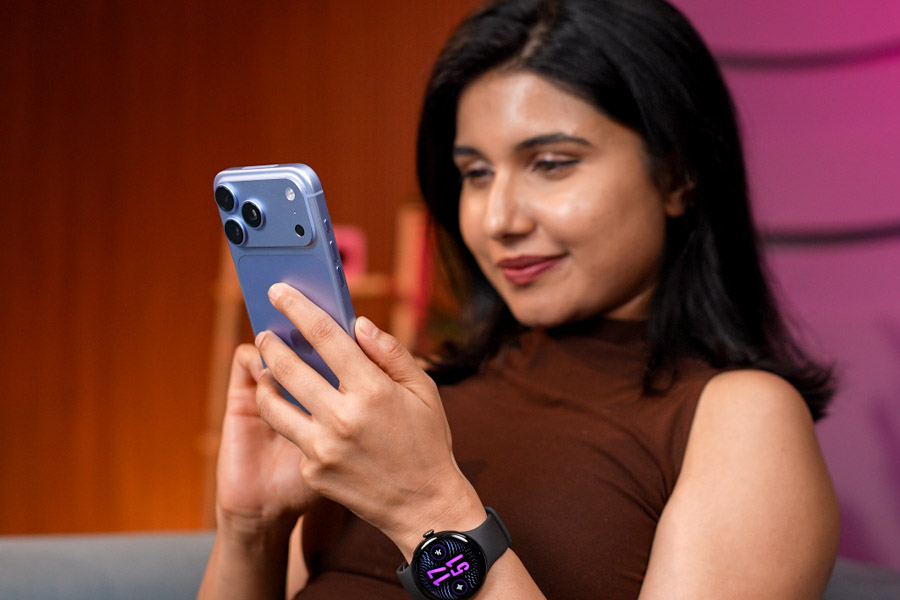
So overall, the iPhone 18 Pro Max is a great phone, but not a revolutionary upgrade. It is another year of Apple refining an already mature formula, with performance being the standout improvement. And honestly, I am even more curious about what comes next. The iPhone celebrates its 20th anniversary in 2027, and rumors already suggest Apple may be preparing a much bigger design overhaul for that generation. For now, though, the 18 Pro Max is an excellent iPhone, just not one that every recent Pro user needs to upgrade to.
iPhone 18 Pro Max Pros and Cons
| Pros | Cons |
|---|---|
| Excellent performance and sustained thermals | Very heavy at 249g |
| Strong battery life with faster charging | Extremely expensive in Nepal |
| Class-leading and highly reliable video quality | Zoom, macro and low-light ultrawide still trail top rivals |
| Refined iOS 27 with more useful Siri AI | |
| Improved main camera flexibility and low-light performance |
- Meanwhile you can also watch our iPhone 18 Pro Max Review in Nepali
Article Last updated: October 11, 2026
![Realme Mobile Price in Nepal [Updated 2026]](https://media.gadgetbytenepal.com/2025/11/Realme-Mobile-Price-in-Nepal.jpg)
![Hisense TV Price in Nepal [Updated]](https://media.gadgetbytenepal.com/2026/10/Hisense-TV-Price-in-Nepal-2026.jpg)