Why Trust Gadgetbyte?
At Gadgetbyte, we invest substantial hours into rigorously testing each product or service we review, guaranteeing that you make informed purchases. Learn more about our testing process.
Review Overview
3.9
Performance
7/10
Software and UI
8/10
Back Camera
7/10
Front Camera
7/10
Audio and Haptics
7.5/10
Battery and Charging
9/10
So, if you want a stylish midrange phone with a premium feel and good everyday experience, the Infinix Note 60 and Note 60 Pro are worth considering. Just don’t buy them expecting flagship-level cameras.
Design and Build
8/10
Display
8.5/10
Infinix has been building some serious momentum in the budget and mid-range smartphone segment over the past few years. The brand has done quite well in markets like Southeast Asia, Pakistan, Africa, and even some parts of Europe, mainly because it knows how to offer flashy designs, big batteries, and competitive specs at aggressive prices.
And now, Infinix has launched its new Note 60 and Note 60 Pro. These are mid-range phones that clearly want to stand out—not just with specs, but also with their premium aluminum build, iPhone-inspired design, rear matrix display, big battery, wireless charging, and improved software experience.
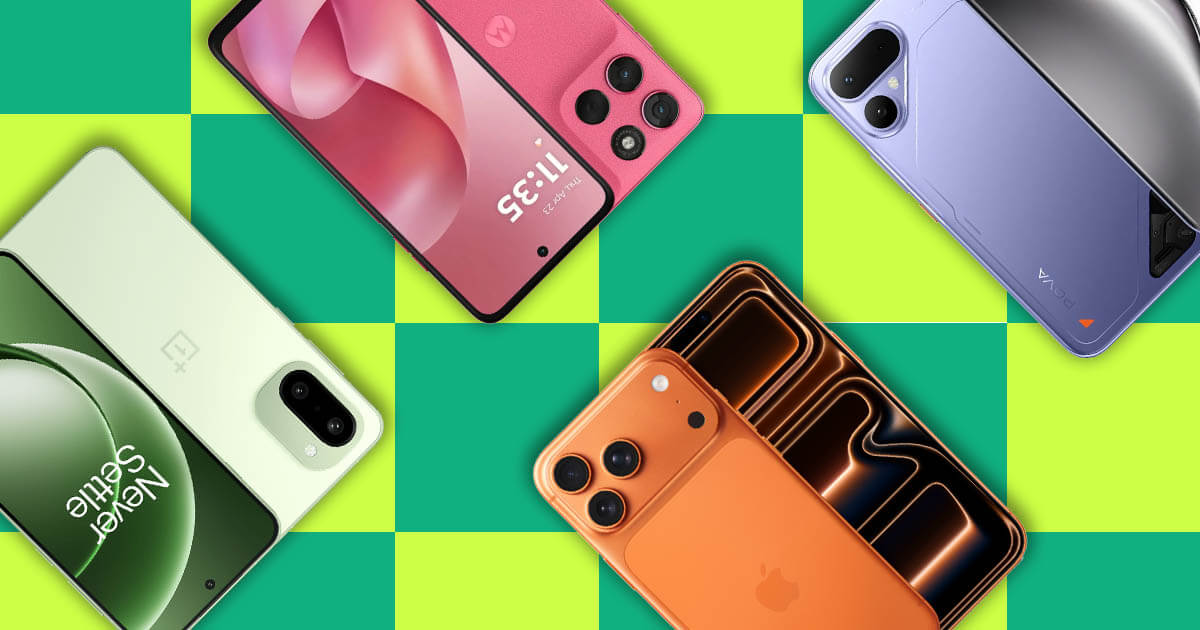
But the mid-range segment is no longer easy. Phones like the Nothing Phone 4a, OnePlus Nord CE6 series, and Redmi Note 15 Pro series are already offering strong competition in this price bracket. So the real question is: are the Infinix Note 60 and Note 60 Pro actually worth buying? And where exactly do they rank among the best mid-range phones right now? Let’s find out in this review.
Infinix Note 60 and Note 60 Pro Specifications
| Specs | Infinix Note 60 | Infinix Note 60 Pro |
|---|---|---|
| Display | 6.78-inch AMOLED, 144Hz refresh rate, 2304Hz PWM dimming, 1600 nits HBM, 4500 nits peak brightness | 6.78-inch AMOLED, 144Hz refresh rate, 2304Hz PWM dimming, 1600 nits HBM, 4500 nits peak brightness |
| Resolution | 1208 x 2644 pixels, ~429 PPI | 1208 x 2644 pixels, ~429 PPI |
| Protection | Gorilla Glass 7i | Gorilla Glass 7i |
| Build | Glass front, aluminum frame, aluminum back | Glass front, aluminum frame, aluminum back |
| IP Rating | IP64 dust and splash resistance | IP64 dust and splash resistance |
| Special Rear Feature | RGB notification light | RGB notification light + active matrix display |
| Chipset | MediaTek Dimensity 7400 Ultimate | Snapdragon 7s Gen 4 |
| Memory | 8GB RAM, 128/256GB storage UFS 2.2 | 8/12GB RAM, 128/256GB storageUFS 2.2 |
| Software | XOS 16 based on Android 16 | XOS 16 based on Android 16 |
| Rear Camera | 50MP main with OIS + 8MP ultrawide | 50MP main with OIS + 8MP ultrawide |
| Rear Video | Up to 4K 30fps, 1080p up to 120fps | Up to 4K 30fps, 1080p up to 120fps |
| Front Camera | 13MP | 13MP |
| Front Video | Up to 4K 30fps | Up to 4K 30fps |
| Speakers | Stereo speakers, JBL-tuned | Stereo speakers, JBL-tuned |
| Security | Optical in-display fingerprint sensor | Optical in-display fingerprint sensor |
| Other Sensors | Heart rate sensor, SpO2, gyro, compass, proximity | Heart rate sensor, SpO2, gyro, compass, proximity |
| Connectivity | 5G, Wi-Fi 5, Bluetooth 5.4, NFC, IR blaster, USB-C 2.0 | 5G, Wi-Fi 6, Bluetooth 5.4, NFC, IR blaster, USB-C 2.0 |
| Battery | Up to 6500mAh | Up to 6500mAh |
| Charging | 45W wired, 30W wireless | 90W wired, 30W wireless, reverse wireless charging |
| Colors | Mist Titanium, Midnight Black, Fizz Blue, Rose Gold, Mocha Brown | Mist Titanium, Deep Ocean Blue, Solar Orange, Mocha Brown, Torino Black, Frost Silver |
| Price | NPR 45,999 (8/128GB) | NPR 59,999 (8/256GB) | NPR 66,999 (12/256GB) |
Design and Build
Let’s start with the design because that is clearly the biggest talking point here. The Infinix Note 60 and Note 60 Pro look extremely familiar. The flat sides, the aluminum frame, the camera island, and even some color options give you a very iPhone-like feel.
Of course, once you actually hold them side by side with an iPhone, you can tell the difference. The iPhone still feels more refined and premium. But for a midrange Infinix phone, I have to say the build quality here is impressive.
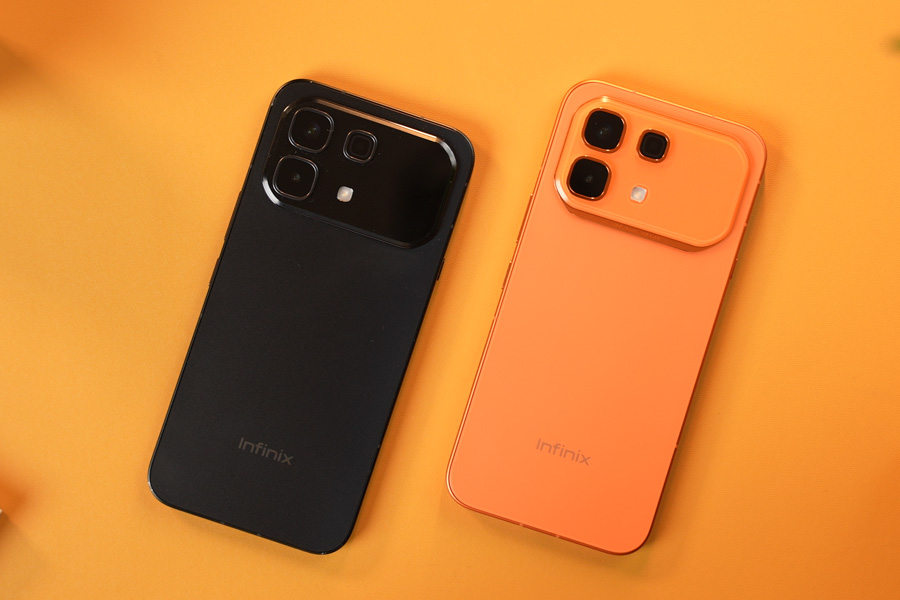
Both phones come with an aluminum frame and a glass back, which is not something you commonly get in this price range anymore. Most brands are still using plastic frames or plastic backs in midrange phones, so Infinix deserves credit here.
That said, the IP rating could have been better. Both phones only get IP64 dust and splash resistance, and at this price, especially for the Pro model, I was expecting at least IP68. So yes, the build is premium, but dust/water resistance is still not on the same level as some competitors.
Rear Matrix Display and Custom Button
The Note 60 Pro also has a small active matrix display on the back, kind of like the mini rear interface we have seen on some Nothing phones. It can show charging status, timers, and even tiny interactive elements like games. It is not a must-have feature, but it does make the phone feel more fun and different.
Just remember, this rear display is only available on the Note 60 Pro. The regular Note 60 only gets an RGB notification light on the back.
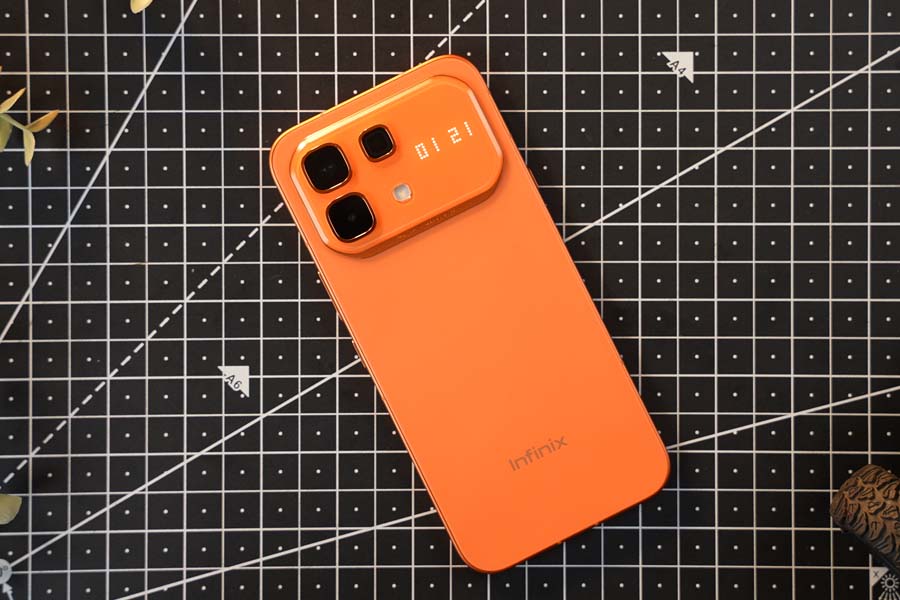
There is also a customizable button that looks and feels similar to an iPhone-style Action Button. You can use it for silent mode and other shortcuts. And on the other side, what might look like a camera button is actually a heart rate sensor, which is a rare feature on a phone these days.
Display
The display experience is one of the better parts of both phones. You get the same 6.78-inch AMOLED panel on the Note 60 and Note 60 Pro, with a sharp 1208 x 2644 pixel resolution and a 144Hz refresh rate.
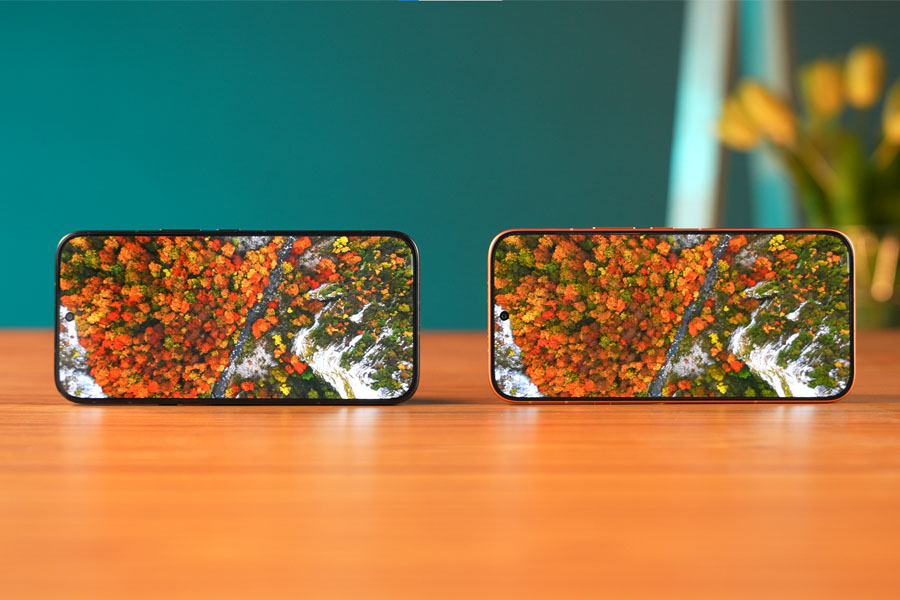
In actual use, I found the screen quality to be really good. Colors look punchy, the resolution is sharp, and brightness is more than enough for indoor and outdoor use. Infinix claims up to 1600 nits in high brightness mode and 4500 nits peak brightness, and while peak brightness numbers are usually for very specific HDR conditions, outdoor visibility was not a problem for me.
The only thing I noticed is that the 144Hz refresh rate does not seem to work everywhere. In apps like Chrome and some parts of the UI, it does not always feel like it is running at full 144Hz. So yes, the panel itself is capable, but app-level optimization could still be better.
Speakers
Infinix says the stereo speakers on both phones are tuned by JBL. And yes, they sound decent for the price. They are loud enough, and the stereo effect is good for watching videos or casual gaming.
But if you are expecting iPhone-level speaker quality just because the design looks like an iPhone, that is not the case. The Note 60 series looks iPhone-inspired, but the speaker quality is still more midrange than flagship. It is good, not amazing.
Performance and Gaming
Performance is one of the key differences between the Note 60 and Note 60 Pro.
The regular Note 60 is powered by the MediaTek Dimensity 7400 Ultimate, while the Note 60 Pro gets the Snapdragon 7s Gen 4. Both are 4nm chipsets, and both are good enough for everyday use, but the Pro model feels slightly better optimized overall.
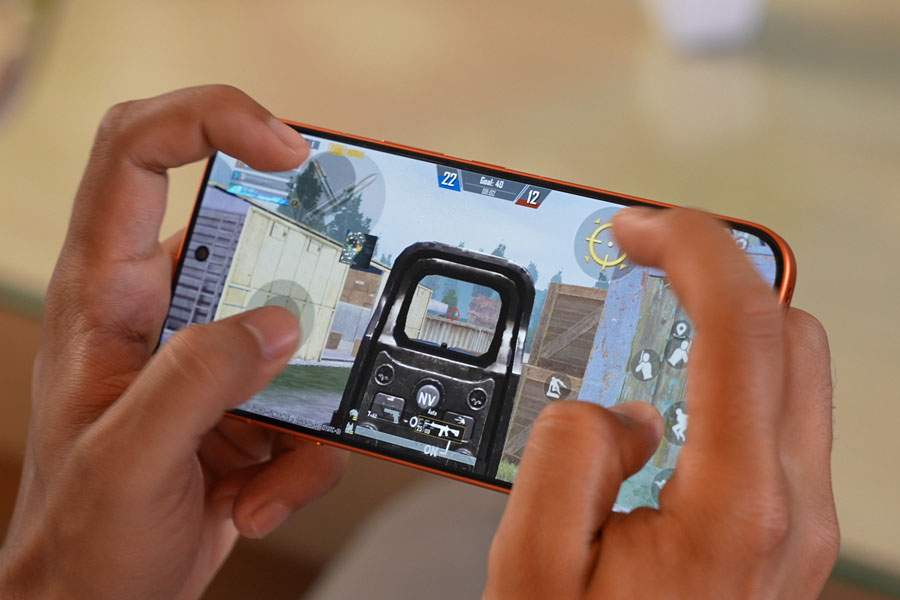
Now, these are not dedicated gaming phones. Infinix already has its GT series for that. But realistically, when someone buys a phone in this price range, they will still play PUBG, Free Fire, Mobile Legends, or Genshin Impact from time to time.
For casual and moderate gaming, both phones perform well. Touch response is good, the display feels smooth, and the speakers are also good enough for gaming. The Note 60 Pro is the better pick if performance is your priority, but the regular Note 60 is not bad either.
Infinix Note 60 vs Note 60 Pro Gaming Test
| Phone | Game | Settings | Front Temperature | Back Temperature | Avg FPS | 5% Low |
|---|---|---|---|---|---|---|
| Infinix Note 60 | PUBG Mobile | Smooth, 90FPS | 38°C | 36.1°C | 89 FPS | 85.8 FPS |
| Infinix Note 60 Pro | PUBG Mobile | Smooth, 90FPS | 34°C | 33.4°C | 88.1 FPS | 82.3 FPS |
Cameras
The camera hardware is identical on both phones. You get a 50MP main camera with OIS and an 8MP ultrawide camera. Sadly, there is no telephoto lens on either model, and this is one area where I am a little disappointed—especially with the more expensive Note 60 Pro.
I was not expecting Infinix to beat an iPhone or a proper camera phone here. These are much cheaper devices. But when you look at the competition in this price range, a telephoto camera on the Pro model would have made a lot of sense.
In actual photos, the Note 60 Pro does produce slightly better results than the regular Note 60. The difference is not massive, but the Pro’s colors look a little more pleasing, and dynamic range is slightly better in some situations. Portraits also look nicer on the Pro, especially when it comes to skin tone.
Selfies are also better on the Note 60 Pro in most conditions. Again, the difference is not night and day, but side by side, the Pro has the more pleasing output.
At night, however, the difference becomes much smaller. Both phones produce similar-looking results, although the regular Note 60 takes slightly longer to process images compared to the Pro.
The ultrawide camera is average on both phones. During the day, it is usable, but nothing special. At night, quality drops quite a bit. So if you care a lot about ultrawide photography, these phones will not impress you much.
Video Recording
Both phones can record up to 4K 30fps from the rear camera and front camera, which is good to see. Front camera video quality is actually decent if you are recording static TikTok, Reels, or talking-head videos.
But stabilization is not very good. If you move around while recording, you will notice shakes. So for casual social media videos, it is fine. But for serious video recording, these are not the best options.
Software and UI
This is where Infinix surprised me the most. XOS has improved a lot. Earlier, Infinix phones used to come with too much bloatware and a slightly messy software experience. But on the Note 60 series, the UI feels much cleaner and more responsive. There is still some pre-installed stuff, but most of it can be uninstalled.
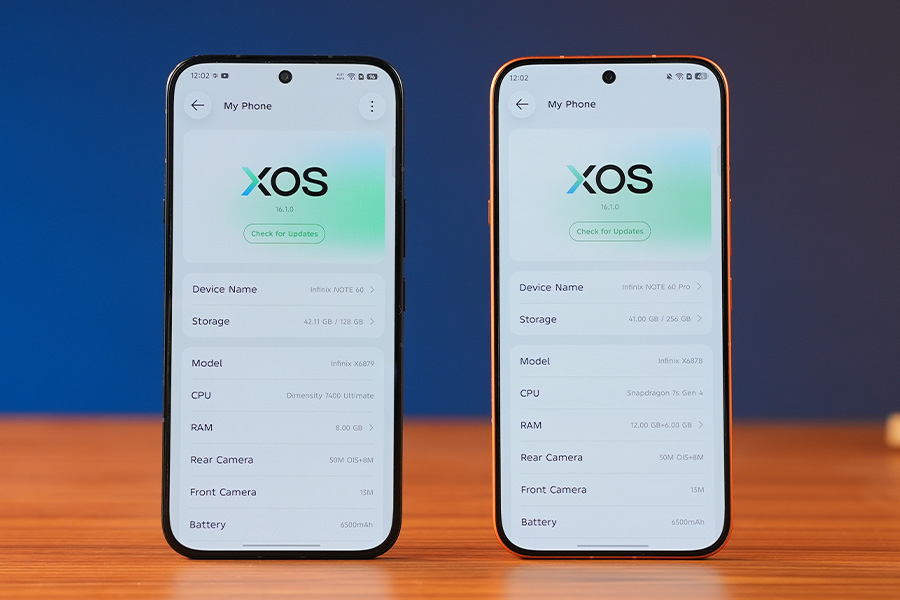
The UI is also heavily inspired by iOS. You can see that in the icons, settings, control center-style elements, animations, and even the overall visual language. But honestly, I am not complaining too much here. If the end user gets a cleaner, smoother, and more familiar experience, that is what matters.
Infinix is also promising 3 years of Android OS updates and 5 years of security updates, which is good for this category. There are also several AI features inside the software, although how useful they are will depend on your usage.
Battery and Charging
Battery life is one of the strongest points of both phones. Infinix is using large batteries here, with up to 6500mAh capacity depending on the variant/region.
The Note 60 Pro also gets much faster 90W wired charging, while the regular Note 60 supports 45W wired charging. Both phones also support 30W wireless charging, which is rare in this price range.
The Note 60 Pro also supports reverse wireless charging, so you can top up accessories like earbuds. The wireless charging is not magnetic by default, but with a compatible MagSafe-style case, you can get a similar magnetic charging setup.
Verdict
Overall, I think Infinix has done a good job with the Note 60 series. These are stylish, well-built phones with good displays, big batteries, clean software, and reliable performance.
The biggest strength of these phones is that they do not only focus on one gimmick. These days, we see a lot of phones in this price range that focus on being “unbreakable” or having some extreme rugged feature, but then compromise on the actual smartphone experience. The Note 60 and Note 60 Pro feel more balanced than that.
The Note 60 Pro makes sense if you want the better performance, rear matrix display, faster charging, and slightly better camera processing. The regular Note 60 is the better value option if your budget is tight because the display, design, battery, software, and main camera hardware are still mostly similar.
But if camera is your number one priority, especially if you want better ultrawide quality or a telephoto lens, then you should also look at phones like the Nothing Phone 4a or other camera-focused alternatives in this range.
Pros and Cons
| Pros | Cons |
| Premium aluminum frame with Wireless Charging | No telephoto camera, even on the Pro model |
| Good AMOLED display with 144Hz refresh rate | Camera performance is not the best in this segment |
| Decent JBL-tuned stereo speakers | IP64 rating only; IP68 would have been better |
Article Last updated: June 9, 2026