Looking for the Best Flagship Smartphones in Nepal? Check out our curated list here.
Why Trust Gadgetbyte?
At Gadgetbyte, we invest substantial hours into rigorously testing each product or service we review, guaranteeing that you make informed purchases. Learn more about our testing process.
Review Overview
4.7
Galaxy S26
8.5/10
iPhone 17
9/10
OnePlus 15
8.8/10
Xiaomi 17 Ultra
9.6/10
Vivo X300 Pro
9.8/10
iPhone 17 Pro Max
9.9/10
Galaxy S26 Ultra
9.9/10
Looking for the best flagship smartphones in Nepal? In this article, we've listed the absolute best smartphones you could buy in Nepal right now. There are official distributors of basically every major smartphone brand in Nepal, and a few of them bring their flagship devices as well. From Samsung's Galaxy S series to the latest iPhones, there are a lot of premium phones you can buy in the country. So, without further ado, let's take a look at the best smartphones available in Nepal.
How to find the best flagship smartphones in Nepal?
When searching for the best smartphones to buy in Nepal, you'll need a decent bit of research to help filter out the options. Considering the number of options available, it can be a bit overwhelming, but that's exactly where we come in. We've tried our best to summarize the pros and cons of each device in this list of the best smartphones in Nepal, but make sure to check our full review for more details.
Anyway, if you're team Apple all the way, then your buying decision gets a bit easier. Say you want the biggest, boldest, most expensive iPhone, then the iPhone 17 Pro Max is where it's at. Or the regular iPhone 17 Pro if you want a similar experience on a slightly smaller form factor. Whereas if you don't want to spend a whole lot, then the regular iPhone 17 is an excellent option.
On the other hand, you are absolutely spoiled with choices in the Android arena. Samsung definitely has the largest selection of flagship phones in Nepal, with all of them ranking among the best in the business. You can even go with Samsung's foldable phones if you want! Similarly, brands like OnePlus, Xiaomi, and lately Vivo have also been offering their latest flagship phones in the country. So when it comes to selecting the right device for you, it's simply a matter of finding the one that ticks all your boxes.
Best smartphones to buy in Nepal:
7. Samsung Galaxy S26
I'm kicking things off with the newly launched Samsung Galaxy S26. Which is still the only Android phone in Nepal that combines “compact” and “flagship” into a single package. So if you prefer a handy phone that doesn't have an Apple logo at the back, this is pretty much it.
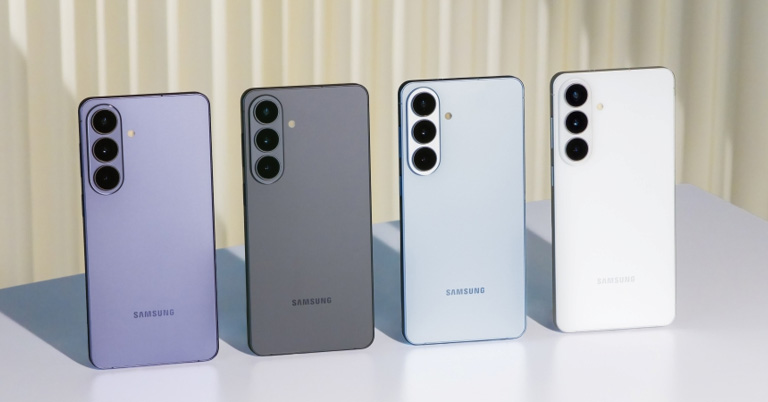
But there's a reason why the Galaxy S26 sits dead last on my list. Because the base Galaxy S26, and even the S26+, honestly feel like an afterthought from Samsung. The S26 Ultra has “Privacy Display”, new camera lenses, and faster charging speed in its basket, while the regular S26/S26+ are begging for upgrades.
Don't buy the Galaxy S26+.
You know what? I usually keep Samsung's base flagships in the same tier whenever I'm writing buy guides for flagship phones, although the S26+ is completely unrecommendable this year. Not that it's a bad phone by any means, but because it's a terrible, terrible value at NPR 182,999. Especially when you can get last year's excellent Galaxy S25 Ultra (review) by adding just NPR 2,000 more.
Anyway, Samsung's tiny flagship actually got a little less tiny this time. The Galaxy S26 now dons a 6.3-inch display instead of a 6.2-inch panel that we saw on the Galaxy S25 and the Galaxy S24 before it. The battery size has also jumped to a 4300 mAh unit here. But I can't say I'm too impressed when we have something like the Xiaomi 17 (review) with a similar footprint as the S26 and a much larger 6,330 mAh battery.
The Galaxy S26 doesn't get the “Snapdragon love” across the world either, since the one available in Nepal has Samsung's homegrown Exynos 2600 chip instead.
And it completely baffles me that the Galaxy S26 has the same camera hardware as the three-year-old Galaxy S23 (review). Samsung has always been great at the post-processing game but there’s only so much you can do with software alone. So yeah, if a compact Android phone is what you’re after, the Galaxy S26 is the only thing to look forward to in Nepal.
Samsung Galaxy S26 Specifications:
- Design, build: 149.6 x 71.7 x 7.2 mm, 167 gm, IP68 rating
- Display: 6.3-inch LTPO AMOLED screen, FHD+, 120Hz refresh rate, Corning Gorilla Glass Victus 2
- Chipset: Exynos 2600 (2nm mobile platform)
- Memory: 12GB RAM, 256GB storage (non-expandable)
- Software & UI: One UI 8.5 on top of Android 16
- Rear Camera: Triple (50MP main, 12MP ultrawide, 10MP telephoto)
- Front Camera: 12MP (hole-punch)
- Security: Fingerprint sensor (ultrasonic in-display)
- Connectivity: Dual-SIM (Nano), WiFi 7 (tri-band), Bluetooth 5.4, GPS / Glonass / Galileo / BDS / QZSS, USB-C, NFC, 4G LTE, 5G
- Sensors: Accelerometer, Barometer, Geomagnetic, Gyroscope, Hall, Light, Proximity
- Battery: 4300mAh with 25W charging (no power adapter provided)
- Samsung Galaxy S26 Price in Nepal: NPR 133,999 (12/256GB)
6. iPhone 17
And at number six on our list of best smartphones in Nepal is the new iPhone 17. The good news this time is that Apple has finally blessed its base iPhone with a bunch of important upgrades. Including a 120Hz display, 256GB of base storage, and a capable 48MP dual camera setup.
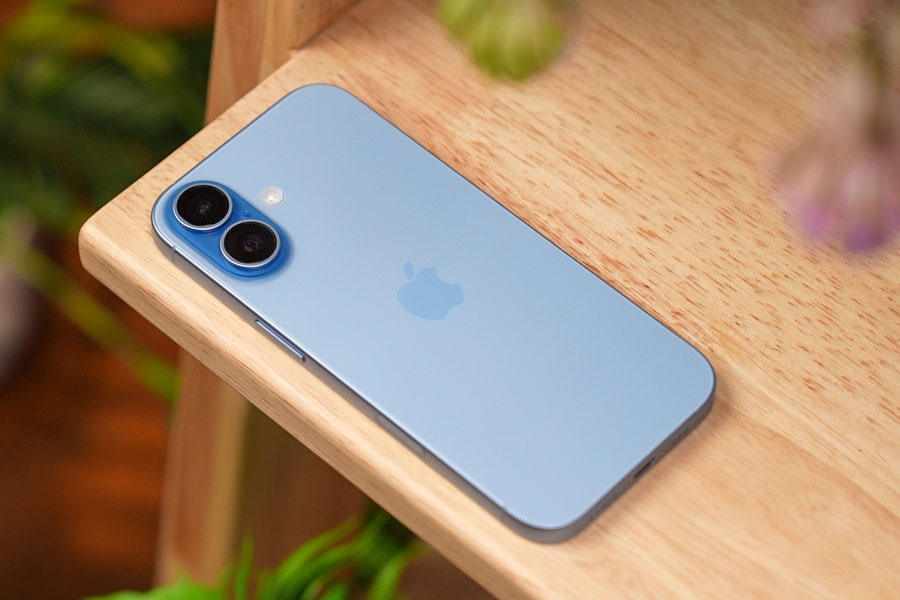
The iPhone 17’s compact design feels just as premium with aluminum frames, while its new Ceramic Shield 2 glass is seriously impressive against scratches.
Powerful performance with an A19 chip
Apple powers the iPhone 17 with the new A19 processor, so performance is not gonna be a problem here. From our own experience, the phone handled games very well, although Apple limits frame rates to control heat. And you should also expect some minor performance hiccups here and there since iOS 26—with all its shiny “Liquid Glass” makeover—isn’t the most polished piece of software we’ve seen from Apple.
Its battery comfortably lasts a full day, though. While fast 40W wired and 25W MagSafe wireless charging keep the phone ready quickly.
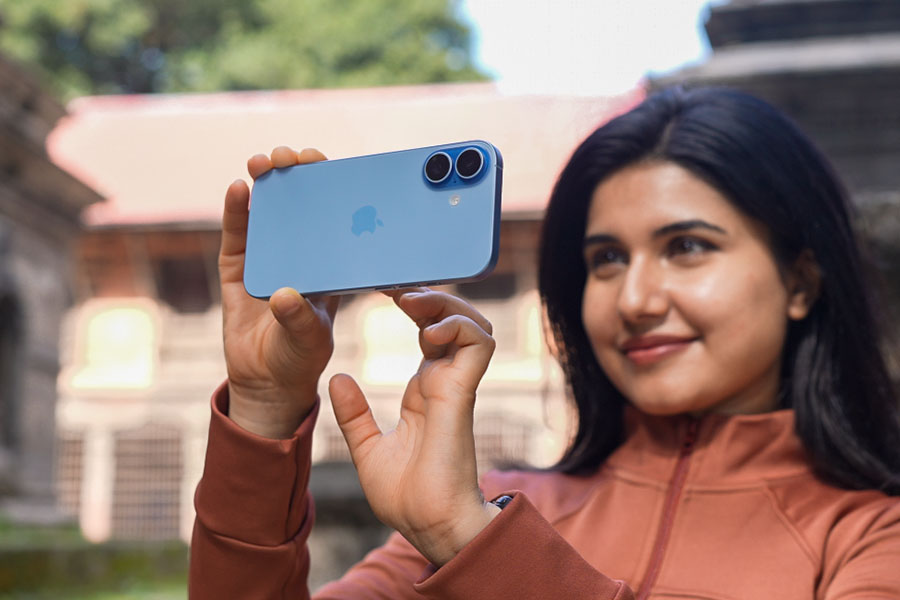
And as I said before, the cameras also see a nice upgrade this year. You now get a 48MP main sensor, a 48MP ultra-wide lens, and an 18MP front camera with a wider field of view. With all this, the iPhone 17 produces detailed, color-accurate shots and works well for selfies, vlogs, and social media content. Low-light performance shows better clarity and reduced noise, and video recording still remains one of the best in the business. Just behind Apple’s “Pro” iPhones.
iPhone 17 Specifications:
- Design, build: 149.6 x 71.5 x 7.95 mm, 177 gm, IP68 rating
- Display: 6.3-inch OLED screen, FHD+, 120Hz refresh rate, Ceramic Shield 2
- Chipset: Apple A19 (3nm mobile platform)
- Memory: 8GB RAM, 256/512GB storage (non-expandable)
- Software & UI: iOS 26
- Rear Camera: Dual (48MP primary, 48MP ultrawide)
- Front Camera: 18MP "Center Stage" camera (Dynamic Island)
- Security: Face ID (via the front camera)
- Connectivity: Dual-SIM (Nano), WiFi 7 (dual-band), Bluetooth 6, GPS / Glonass / Galileo / BeiDou / QZSS / NavIC, USB-C, 4G LTE, 5G
- Sensors: Accelerometer, Barometer, Dual ambient light, Gyroscope, Proximity
- Battery: 3,692 mAh with 40W charging (no power adapter in the box)
- iPhone 17 Price in Nepal: NPR 161,599 (256GB)
5. OnePlus 15
It's “new phone” season right now, and the OnePlus 15 arrived in Nepal a few months ago. Making it the first phone with Qualcomm's latest flagship chip—the Snapdragon 8 Elite Gen 5—in Nepal. What's particularly interesting about the OnePlus 15 is that the company has taken a completely different approach to its flagship phone this year, versus what we've seen from OnePlus a few years ago.
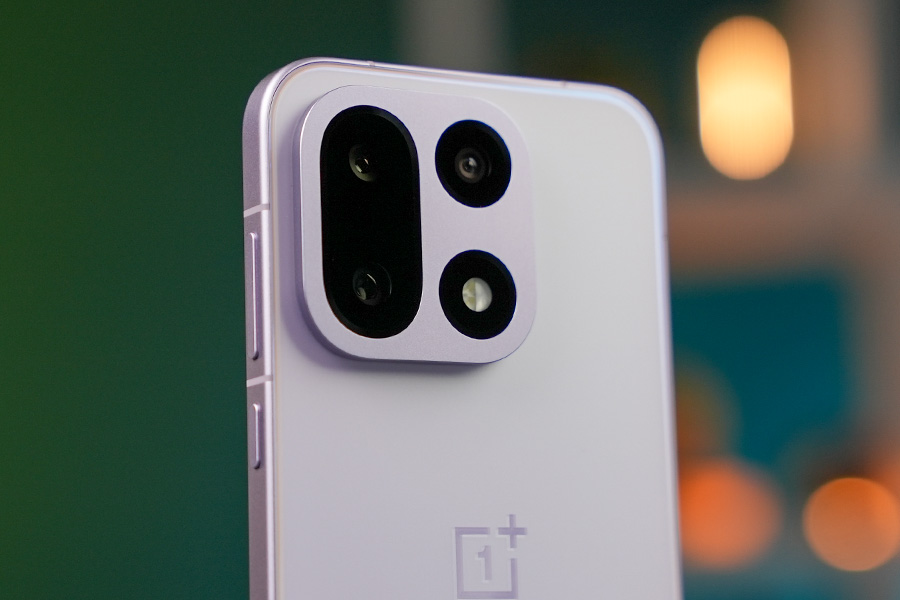
Because the OnePlus 15 is all about one thing: performance. I know “fast” and “smooth” are probably the first words you associate with OnePlus flagships since the OnePlus One days, but they've been trying to win your hearts in the camera department too. By going to such lengths as teaming up with Swedish cameramaker “Hasselblad” to fine-tune its cameras.
All in on performance!
But all that's gone now.
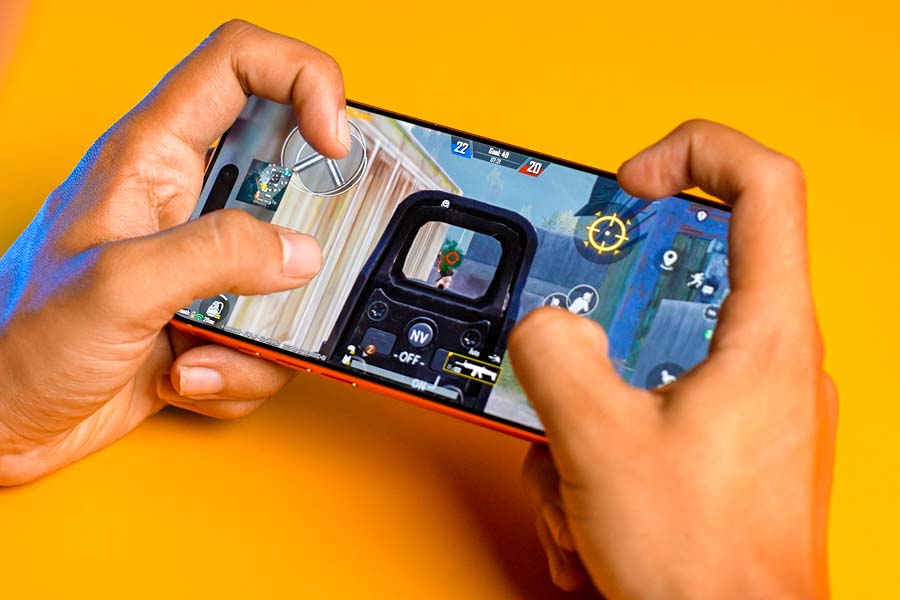
The OnePlus 15 no longer has Hasselblad-branded cameras, and OnePlus is leaning hard on performance and gaming instead. 'Cause other than Qualcomm's best chip, the OnePlus 15 also features a custom WiFi chip and touch response chip to improve your gaming experience. Even the display has been bumped to a smoother 165Hz refresh rate (while also making it completely flat), and we had an absolute blast gaming on this thing.
Battle royale games like PUBG and COD Mobile run at a buttery smooth 165 fps, and I can say that there's definitely some competitive advantage from that extra bit of smoothness. The temperatures were fairly under control too, staying below 40°C after 30 minutes into PUBG!
OxygenOS 16
Other than gaming, the new OxygenOS 16 has kinda been an office-favorite. Everything feels so smooth, and we're particularly impressed with how excellent RAM management is on the OnePlus 15. The battery life is even more impressive thanks to that massive 7,300 mAh silicon-carbon battery, but its cameras are definitely a couple of steps below what you'd typically expect from a flagship phone.
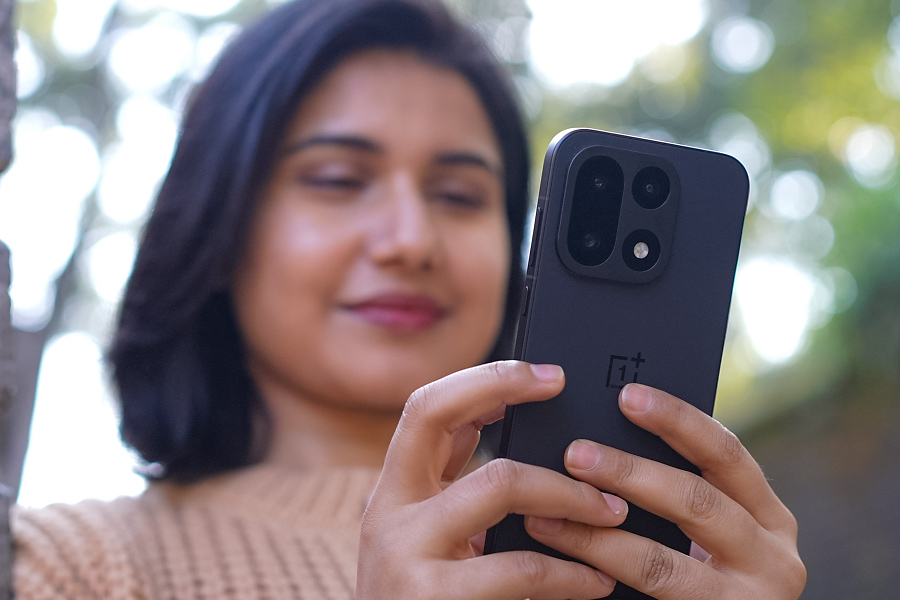
Don't get me wrong. The OnePlus 15's cameras definitely have a few standouts, like being able to record at 4K 120 fps. That too with Dolby Vision HDR enabled! Whereas its lowlight photography is also something else. But its ultrawide and telephoto cameras in particular aren't quite on par with what I've seen from Vivo and Xiaomi's flagships.
OnePlus 15 Specifications:
- Design, build: 161.3 x 75.3 x 9.4 mm, 211 - 215 gm, IP66 + IP68 + IP69K rating
- Display: 6.78-inch AMOLED screen, 1.5K, 165Hz refresh rate, Gorilla Glass Victus 2
- Chipset: Snapdragon 8 Elite Gen 5 (3nm mobile platform)
- Memory: 12/16GB RAM, 256/512GB storage (non-expandable)
- Software & UI: OxygenOS 16 on top of Android 16
- Rear Camera: Triple (50MP primary, 50MP 3.5x periscope, 50MP ultrawide)
- Front Camera: 32MP sensor (hole-punch)
- Security: Fingerprint sensor (ultrasonic in-display)
- Connectivity: Dual-SIM (Nano), WiFi 7 (Dual-band), Bluetooth 6.0, GPS / Beidou / Glonass / Galileo / QZSS, USB-C, 4G LTE, 5G
- Battery: 7300mAh with 120W charging (power adapter not provided)
- OnePlus 15 Price in Nepal: NPR 159,999 (16/512GB)
4. Xiaomi 17 Ultra
The upcoming Xiaomi 17 Ultra also finds its way on our list of the best flagship smartphones to buy in Nepal. We’ve tested Xiaomi’s “Ultra” flagships for a while now, so trust us when we say that this is by far the most ambitious cameraphone Xiaomi has ever made. With two major camera innovations that deserve a special shoutout.
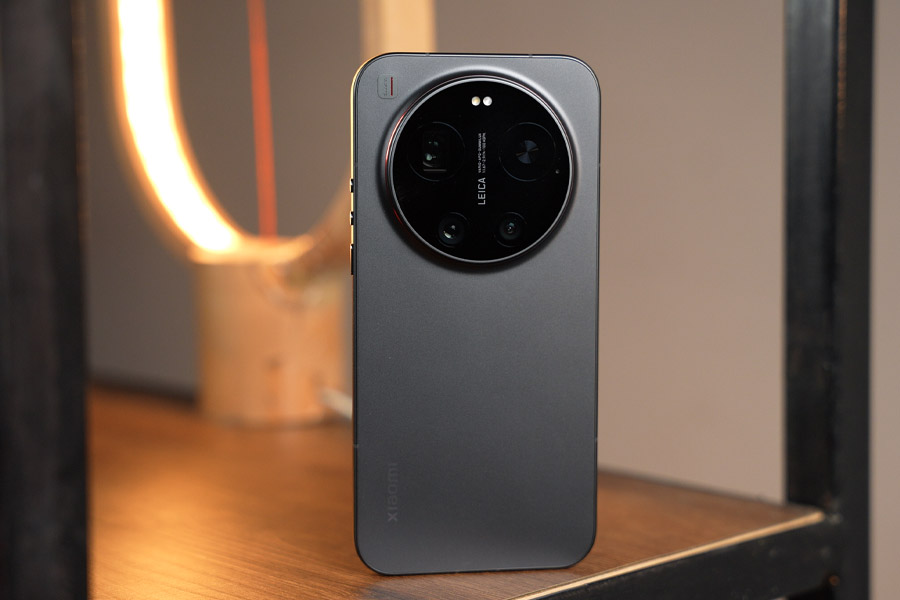
The first one is its new 200MP HPE sensor with 75 – 100mm of stepless, optical zoom. Xiaomi isn’t the first phonemaker to come up with such a zoom mechanism on smartphones, but the telephoto images from the Xiaomi 17 Ultra are simply outstanding. With tack-sharp details and texture that don’t look overprocessed at all, like what we’re used to from other Chinese brands like Vivo. It also takes excellent portraits with natural skin tone rendition, although Xiaomi does occasionally tend to brighten the subject’s face for no reason.
The best main camera on a smartphone.
Xiaomi 17 Ultra also has the best main camera we’ve seen on a smartphone. And once again, that’s mostly thanks to the camera hardware itself. ‘Cause it’s among the very few phones in 2026 with a large 1-inch type main camera, that too with “LOFIC” technology to handle high dynamic range situations with bright highlights and dark shadows.
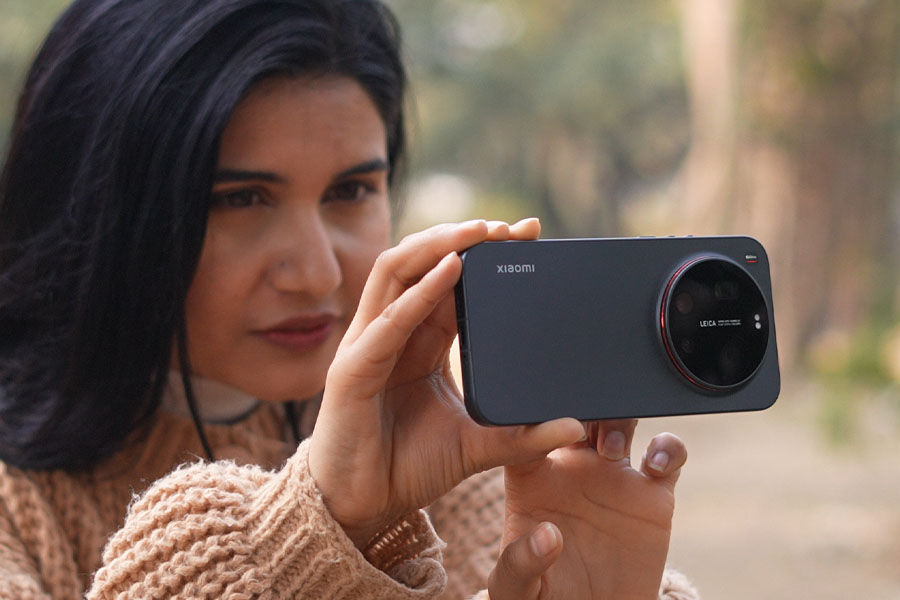
So its daytime photos already have incredible details, dynamic range, and white balance, but the Xiaomi 17 Ultra’s nighttime photos are all the more impressive. We’ve also been quite happy with its ultrawide lens and the entire videography side of things, although Xiaomi didn’t really “wow” us with the selfie camera here.
Other than the cameras, the Xiaomi 17 Ultra is a beast everywhere else. You’re getting a premium glass sandwich design, a top-notch display, and Qualcomm’s Snapdragon 8 Elite Gen 5 chip as expected. That said, its battery life left us wanting more. I mean, 6 – 7 hours of screen time reflects pretty poorly on Xiaomi’s optimization since it has a sizeable 6,000 mAh battery. And while Xiaomi’s HyperOS 3 brings a decent amount of upgrades, it’s still not as polished as we’d like it to be.
Xiaomi 17 Ultra Specifications:
- Design, build: 162.9 x 77.6 x 8.29 mm, 218.4 gm, IP68 + IP69 rating
- Display: 6.9-inch AMOLED screen, WQHD+, 120Hz refresh rate, Xiaomi Shield Glass 3.0
- Chipset: Snapdragon 8 Elite Gen 5 (3nm mobile platform)
- Memory: 16GB RAM, 512GB storage (non-expandable)
- Software & UI: HyperOS 3.0 on top of Android 16
- Rear Camera: Triple (50MP primary, 200MP 3.2 – 4.3x periscope, 50MP ultrawide)
- Front Camera: 50MP sensor (hole-punch)
- Security: Fingerprint sensor (ultrasonic in-display)
- Connectivity: Dual-SIM (Nano), WiFi 7 (Dual-band), Bluetooth 6.0, GPS / A-GPS / Beidou / Glonass / Galileo / QZSS / NavIC, USB-C, 4G LTE, 5G
- Battery: 6000mAh with 90W charging (no power adapter provided)
- Xiaomi 17 Ultra Price in Nepal (Expected): NPR 179,999 (16/512GB)
3. Vivo X300 Pro
The third place on our list of the best smartphones in Nepal goes to the Vivo X300 Pro. It’s the successor to arguably one of the best camera phones we’ve ever tested, so we were already quite pumped about what Vivo had in store for us this time. And although it’s not a massive generational upgrade, I absolutely love all the tender loving care Vivo has put into its latest flagship phone.

The biggest and the most obvious upgrade here is actually in terms of the design. I know it doesn’t look all that different from last year’s Vivo X200 Pro (review) at first glance, but trust me. The X300 Pro is slightly narrower now—and more importantly—it’s a lot less top-heavy. Which is honestly quite a big deal when you realize just how massive its camera bump is!
The zoom king, once again.
And that monster of a camera module is exactly what’s so special about this guy. You now get a slightly upgraded telephoto camera, a slightly upgraded main camera… for perhaps the most versatile point-and-shoot experience on a smartphone. The images out of that new 200MP HP9 sensor with 3.5x optical zoom on the X300 Pro are just so freaking good. With excellent details, excellent colors, nice bokeh, and equally impressive edge detection.
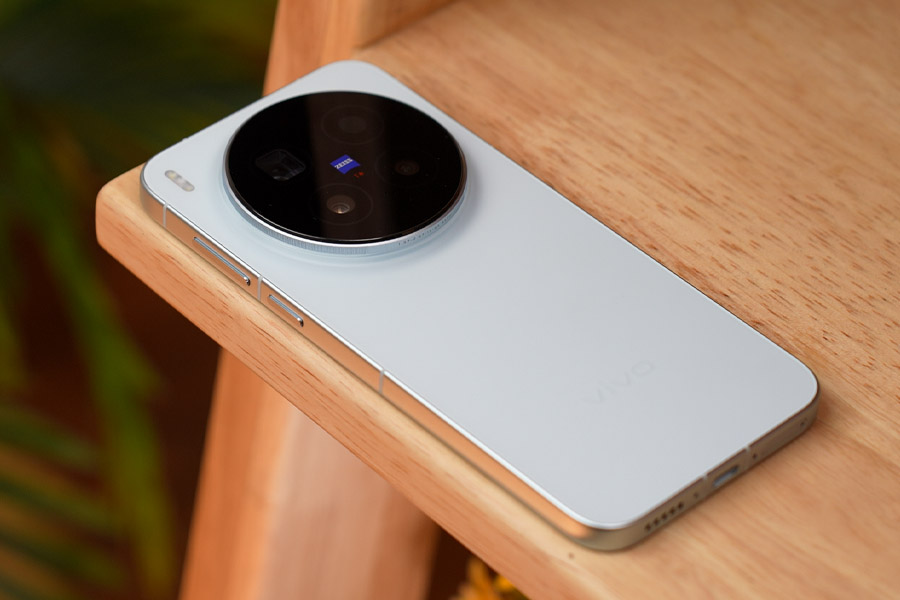
Its upgraded 50MP LYT-828 main camera is just as magnificent, although I’m a little disappointed that Vivo went with the same JN1 sensor for ultrawide shots here. I say “disappointed” because the China-exclusive Vivo X200 Ultra (review) we tested had one of the best ultrawide cameras. And I was hoping that would trickle down to the Pro model this time.
Other than this, the Vivo X300 Pro gets a massive performance bump too. Not just because of MediaTek’s new Dimensity 9500 chip, but also because of the OriginOS 6 platform built on top of Android 16. Yes, the days of Funtouch OS are finally over—and the visual upgrade + UX improvements OriginOS 6 has are truly spectacular. The X300 Pro’s battery gets a nice upgrade to a 6,510 mAh unit as well, although it’s not as huge a leap as what we’ve seen from other Chinese phonemakers like Xiaomi and OnePlus.
Vivo X300 Pro Specifications:
- Design, build: 161.98 x 75.48 x 7.99 mm, 226 gm, IP68 + IP69 rating
- Display: 6.78-inch AMOLED screen, 1.5K, 120Hz refresh rate, Armor Glass
- Chipset: MediaTek Dimensity 9500 (3nm mobile platform)
- Memory: 16GB LPDDR5X RAM, 512GB UFS 4.1 storage (non-expandable)
- Software & UI: OriginOS 6 on top of Android 16
- Rear Camera: Triple (50MP primary, 200MP 3.5x periscope, 50MP ultrawide)
- Front Camera: 50MP sensor (hole-punch)
- Security: Fingerprint sensor (ultrasonic in-display)
- Connectivity: Dual-SIM (Nano), WiFi 7 (Dual-band), Bluetooth 6.0, GPS / A-GPS / Beidou / Glonass / Galileo / QZSS / NavIC, USB-C, 4G LTE, 5G
- Battery: 6510mAh with 90W charging (90W power adapter provided)
- Vivo X300 Pro Price in Nepal: NPR 179,999 (16/512GB)
2. iPhone 17 Pro and iPhone 17 Pro Max
There’s always this back-and-forth between Samsung and Apple flagships. Usually, when Apple drops a new flagship, it edges out the current Galaxy for a moment. But give it a few months, and Samsung often pulls ahead in overall rankings. Right now, it’s fair to say the iPhone 17 Pro Max is arguably one of the best phones you can buy—not just in Nepal, but anywhere in the world.
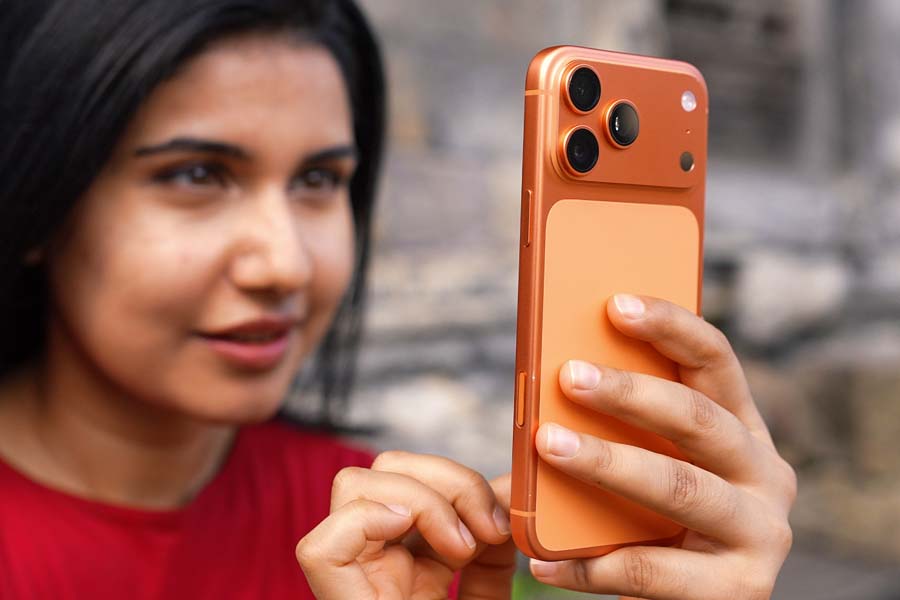
There’s a lot to unpack here, but let’s start with the design. Apple went with an aluminum unibody design this time, leaving a small glass patch for wireless charging. The edges and curves feel smooth, almost like holding an iPhone 6 in your hand again. But sadly, Titanium is also gone now, which might worry some about scratches, but Apple says aluminum helps with heat dissipation. Personally, I like it—the phone feels solid and premium, and the new Ceramic Shield 2 really holds up.
Display-wise, it’s incremental as it gets. The anti-reflective coating works okay under sunlight, but you’ll notice it looks slightly dimmer than the iPhone 16 Pro Max (review). PWM dimming can now be turned off, which helps if you’re sensitive to flicker, and Apple’s usual color accuracy and touch responsiveness are still top-notch.
A slightly bigger battery
Battery and performance feel solid. The 17 Pro Max lasts about 8 – 9 hours of screen-on time under heavy use, roughly a day and a half, thanks to a slightly bigger battery and Apple’s optimization. The A19 Pro chip doesn't massive upgrade over the A18 Pro, but the new vapor chamber cooling makes gaming and heavy workloads noticeably smoother. Less heat, no screen dimming, and the battery feels healthier over time. Charging is faster if you grab the new 40W AVS brick, but older PD chargers work just fine too.
Camera upgrades are mostly incremental as well. The selfie camera is now 18MP with a wider field of view, which is handy if you take a lot of group selfies or vlog. The rear zoom lens has a bigger sensor and shoots 24MP by default at 4x, giving slightly better results than last year’s 5x lens. Main and ultrawide cameras haven’t changed much, though highlights and shadows are handled a bit better, and low-light glare is reduced. Video, as always, remains Apple’s strong point.
iPhone 17 Pro and iPhone 17 Pro Max Specifications:
- Design, build:
- iPhone 17 Pro: 150 x 71.9 x 8.75 mm, 206 gm, IP68 rating
- iPhone 17 Pro Max: 163.4 x 78 x 8.75 mm, 233 gm, IP68 rating
- Display: 6.3 / 6.9-inch OLED screen, FHD+, 120Hz refresh rate, Ceramic Shield 2
- Chipset: Apple A19 Pro (3nm mobile platform)
- Memory: 12GB RAM, 256GB to 2TB storage (non-expandable)
- Software & UI: iOS 26
- Rear Camera: Triple (48MP primary, 48MP ultrawide, 48MP telephoto)
- Front Camera: 18MP “Center Stage” camera (Dynamic Island)
- Security: Face ID (via the front camera)
- Connectivity: Dual-SIM (Nano), WiFi 7 (dual-band), Bluetooth 6, GPS / Glonass / Galileo / BeiDou / QZSS / NavIC, USB-C, 4G LTE, 5G
- Sensors: Accelerometer, Barometer, Dual ambient light, Gyroscope, LiDAR, Proximity
- Battery: 4,252 / 5,088 mAh with 40W charging (no power adapter in the box)
- Price in Nepal:
- iPhone 17 Pro: NPR 220,999 (256GB)
- iPhone 17 Pro Max: NPR 239,999 (256GB)
1. Samsung Galaxy S26 Ultra
That brings me to the all-new Samsung Galaxy S26 Ultra, which walks home with the gold medal on our list of the best smartphones in Nepal. And let me just say one thing right away—the Galaxy S26 Ultra isn’t necessarily the best at anything. Especially with things like the cameras and the battery life, where it gets absolutely demolished by most of those Chinese flagships I talked about a while ago.
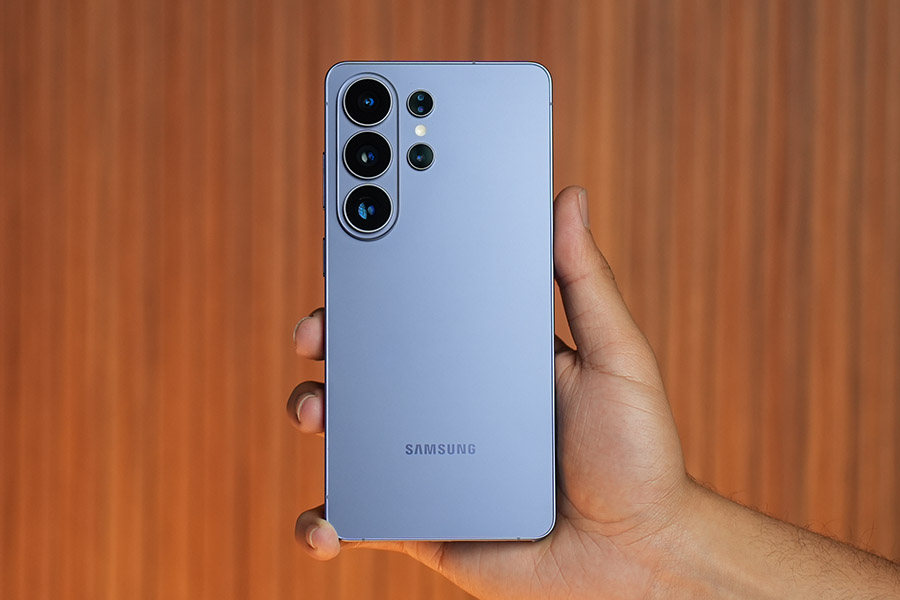
But what makes the S26 Ultra so impressive is the overall experience Samsung delivers. And some useful upgrades this year really help drive the point home as well. The Galaxy S26 Ultra moves further away from its “boxy” heritage to a more rounded design, the camera rings now sit on top of a camera island like the Galaxy Z Fold 7 (review), while Samsung has moved back to aluminum frames after experimenting with titanium for two years.
Privacy Display
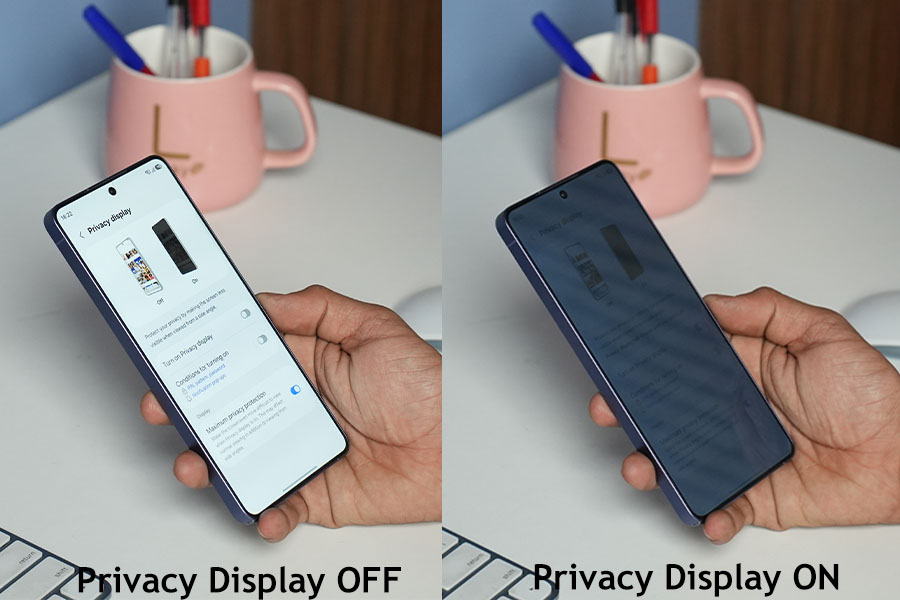
The biggest change, however, is with its display. Since Samsung has found a way to integrate what privacy screen protectors do into the actual display tech itself. The S26 Ultra can keep those annoying prying eyes from reading the content of your screen at the press of a button, which is such a flex, if you ask me. Now, turning it on does sacrifice the display quality by quite a bit, but I guess privacy does come at a cost after all.
As for cameras, Samsung wasn’t brave enough to switch to new sensors, but you do get newer, faster lenses for its 200MP primary and 50MP periscope camera. Which means you can expect brighter images and lower noise from the S26 Ultra. We compared it with the iPhone 17 Pro Max and found ourselves preferring Samsung’s photos most of the time.
Apple is still ahead in the videography department, although the “Horizon Lock” feature to stabilize videos and support for professional-grade APV codec are seriously impressive as well. Samsung continues to enjoy its throne in the AI game with all sorts of “Galaxy AI” features. And it sucks that the S26 Ultra still has the same old 5,000 mAh battery, but at least the charging speed has jumped to 60W this time.
Samsung Galaxy S26 Ultra Specifications:
- Design, build: 163.6 x 78.1 x 7.9 mm, 214 gm, IP68 rating
- Display: 6.9-inch AMOLED screen, QHD+, 120Hz refresh rate, Corning Gorilla Armor 2
- Chipset: Qualcomm Snapdragon 8 Elite Gen 5 for Galaxy (3nm mobile platform)
- Memory: 12/16GB LPDDR5X RAM, Up to 1TB storage (not expandable)
- Software & UI: One UI 8.5 on top of Android 16
- Rear Camera: Quad (200MP main, 50MP ultrawide, 50MP 5x periscope, 10MP 3x telephoto)
- Front Camera: 12MP sensor (hole-punch)
- Security: Fingerprint sensor (ultrasonic in-display)
- Connectivity: Dual-SIM (Nano), WiFi 7 (tri-band), Bluetooth 6.0, GPS / Glonass / Galileo / BDS / QZSS, USB-C, NFC, 4G LTE, 5G
- Sensors: Accelerometer, Barometer, Geomagnetic, Gyroscope, Hall, Light, Proximity
- Battery: 5000 mAh with 60W charging (no power adapter provided)
- Samsung Galaxy S26 Ultra Price in Nepal: NPR 212,999 (12/256GB)
Summary list of best flagship smartphones in Nepal (2026)
| S. No. | Best smartphones in Nepal | Price | Best for |
| 1 | Samsung Galaxy S26 Ultra (12/256GB) | NPR 212,999 | The best of all worlds |
| 2 | Apple iPhone 17 Pro (256GB) | NPR 220,999 | Top notch everything |
| Apple iPhone 17 Pro Max (256GB) | NPR 239,999 | ||
| 3 | Vivo X300 Pro (16/512GB) | NPR 179,999 | The absolute camera king |
| 4 | Xiaomi 17 Ultra (16/512GB) | NPR 179,999* | Great cameras and hardware |
| 5 | OnePlus 15 (16/512GB) | NPR 159,999 | Best gaming peformance |
| 6 | Apple iPhone 17 (256GB) | NPR 161,599 | Best value for money iPhone |
| 7 | Samsung Galaxy S26 (12/256GB) | NPR 133,999 | A compact Android flagship |
Besides our list of best smartphones in Nepal, you might also like:
Frequently Asked Questions
Article Last updated: March 13, 2026